
No time
When your days are full, sport has to fit into small windows rather than replace them — short, flexible activity that adds up.
Overview
A packed life is the most common reason people put sport aside — and the least helpful advice is "just make time". A more realistic approach is to shrink the unit of activity until it fits the time you actually have. Ten or fifteen focused minutes done often beats an hour you keep postponing, and short bouts of movement still count toward an active life.
The trick is to attach movement to time that already exists: a walk or cycle instead of a short drive, a quick bodyweight circuit before a shower, a stretch while the kettle boils. When sessions are small and flexible, a busy week no longer has to mean a blank one.
What helps
- Short, frequent activity adds up — you do not need a spare hour to start.
- Attach movement to routines you already have (commute, breaks, mornings).
- Home and no-equipment options remove the travel and setup time.
- A flexible plan survives a busy week better than a rigid one.
Getting started
- 1Pick one ten-to-fifteen-minute slot you can protect most days.
- 2Choose something with zero setup — a short walk, a bodyweight circuit, a home stretch.
- 3Stack it onto an existing habit so you do not have to find willpower each time.
- 4Treat a short session as a win, not a compromise.
Sports that work around it
Great places to start — each with a clear, beginner-friendly guide.

Running
The most accessible endurance sport — no venue, just shoes and the open road or trail.
Cycling
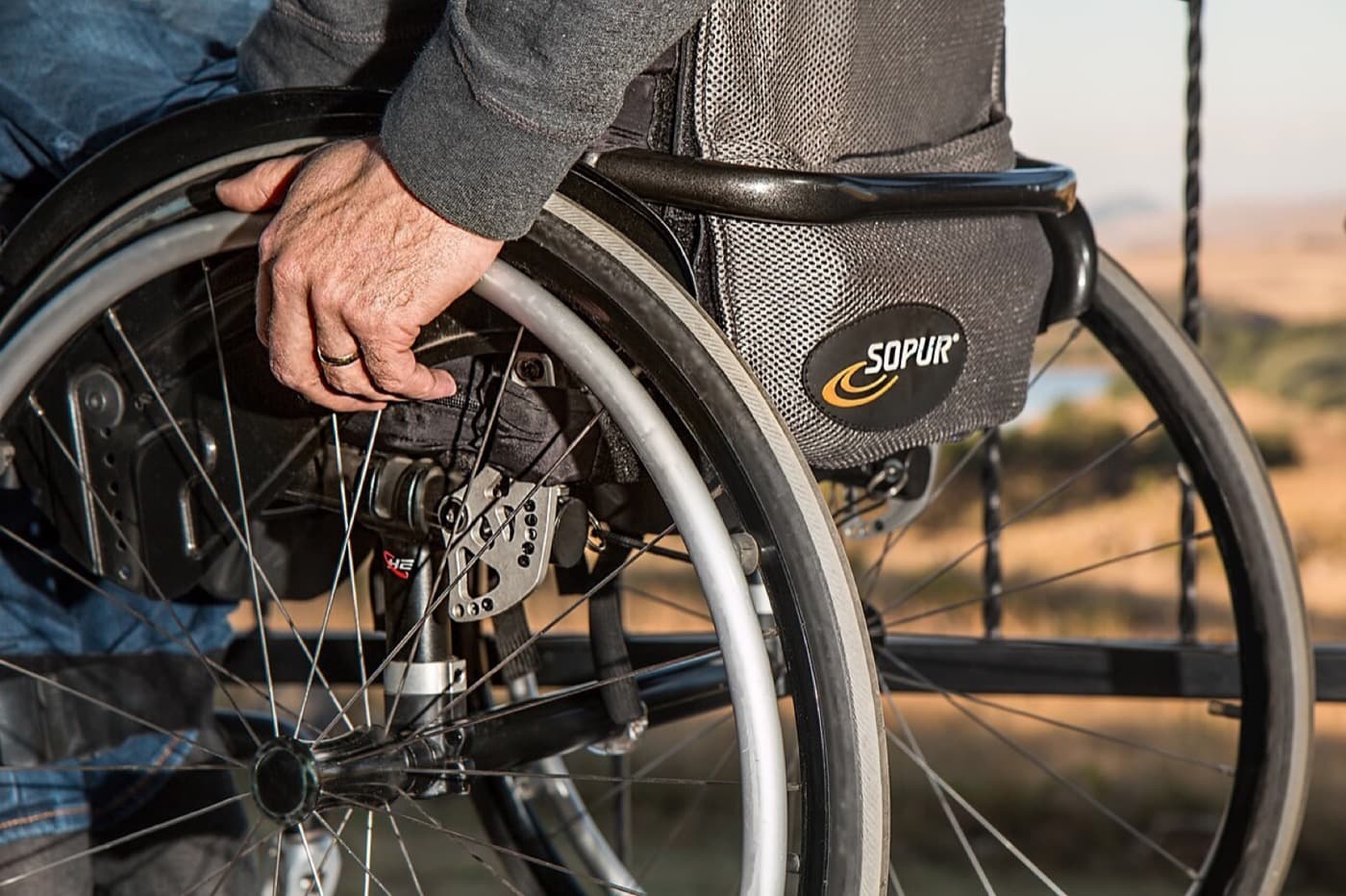
A low-impact endurance sport that doubles as transport, exercise and adventure.
Fitness
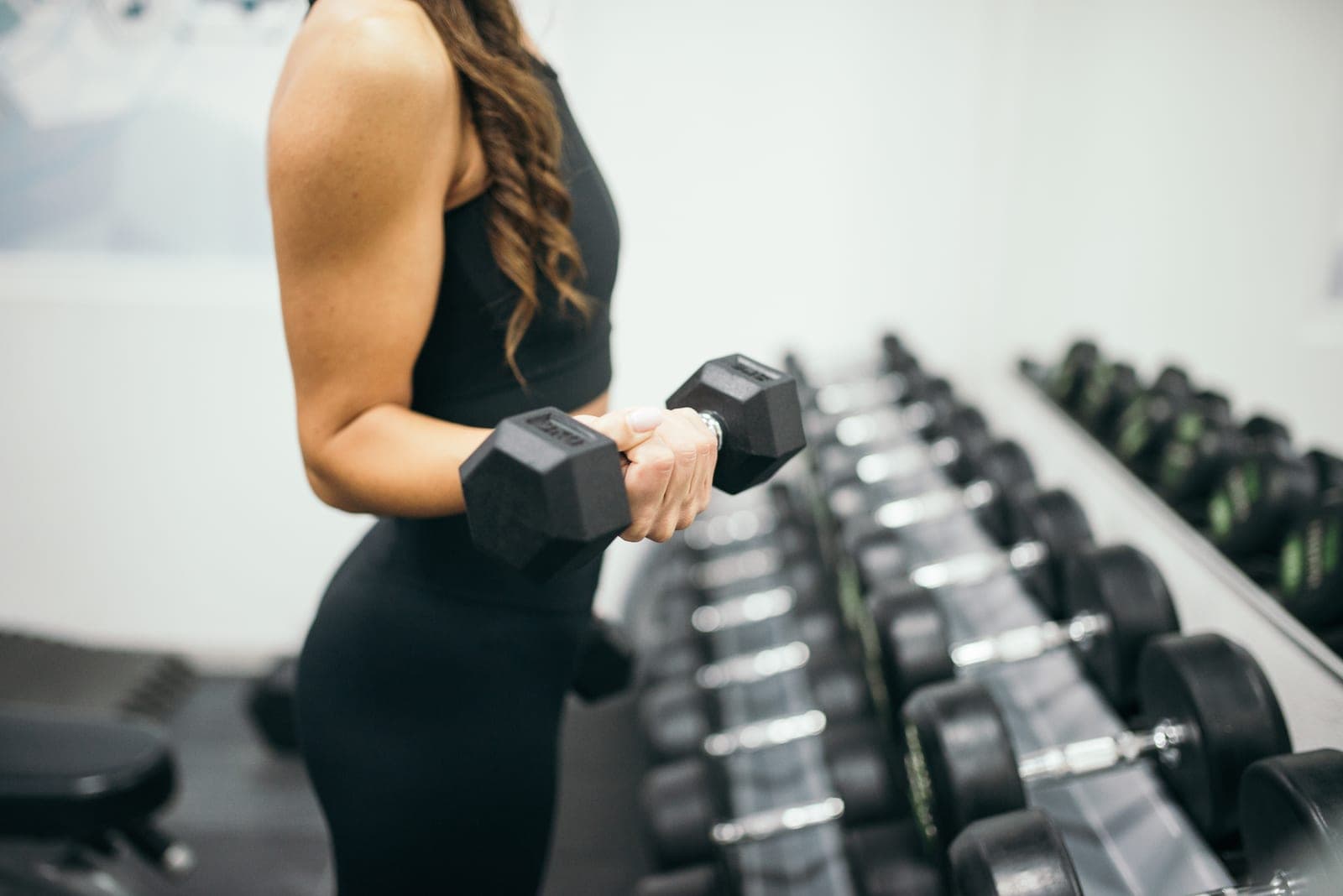
Strength and general fitness training — the foundation that supports every other sport.
Swimming
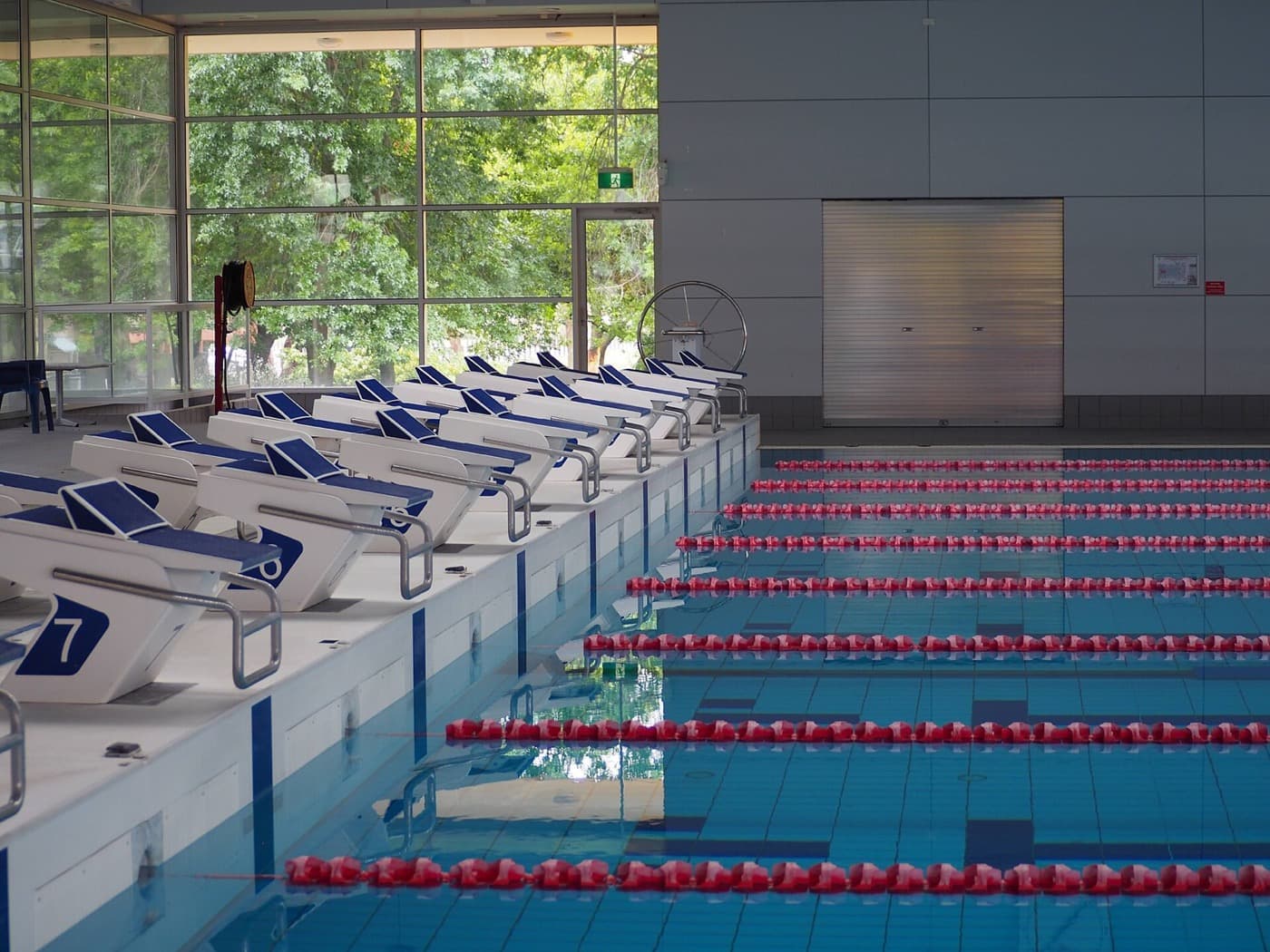
A full-body, low-impact endurance sport suitable for almost every age and ability.
Goals that fit
Build healthy habits
Using sport and routine to make regular activity a lasting part of everyday life.
Improve fitness
Build well-rounded fitness — stamina, strength and more — through regular, varied activity you can keep up.
Build an active lifestyle
Make movement a natural, lasting part of daily life through activities and habits you genuinely enjoy.
Sports for office workers
Ways for desk-based workers to add movement around a sedentary working day.
Become more active
Add regular, gentle movement to your everyday life and build up from a sedentary start at your own pace.
Ways to train
Exercises and methods that fit — educational, not a prescription.
Wall sit
A holding exercise where you sit against a wall with no chair, holding a squat position still.
Step-up
A movement where you step up onto a raised platform one leg at a time and step back down.
Kettlebell swing
A dynamic hinge where you swing a kettlebell to shoulder height using a snap of the hips.
Push-up
A classic upper-body pushing exercise where you lower and press your body up from the floor.
Tricep dip
A pushing exercise where you lower and raise your body using your arms on parallel bars or a bench.
Pull-up
A vertical pulling exercise where you hang from a bar and pull your chin above it.
Frequently asked questions
Can short workouts really make a difference?
Short, regular activity is a legitimate way to stay active — the total amount of movement over a week matters more than whether it came in one long session. Consistency tends to matter more than length. For guidance tailored to you, speak with a qualified professional.
When is the best time to fit sport in?
The best time is the one you can repeat. For many people that means attaching a short session to something fixed — before work, at lunch, or in the evening — so it does not depend on finding a gap.
Explore across the knowledge base
Follow the threads that connect No time to the rest of SocialSportHub.
People
- Remote workersHow sport can fit a work-from-home life — replacing the movement a commute used to provide and breaking up long spells at a home desk.
- Shift workersHow sport can fit irregular hours and changing sleep — portable, flexible activity that adapts to a rota rather than a fixed timetable.
- Busy professionalsHow time-efficient sport can fit a packed schedule to protect fitness, energy and stress relief.
- ParentsHow busy parents can fit sport around family life with flexible, home-friendly and time-efficient options.
- CouplesHow sport can fit two people doing it together — shared activity that doubles as time together, mutual motivation and a common goal.
Lifestyle
- 5 minutesEven five minutes counts — a quick movement snack that breaks up sitting and keeps a little activity in a packed day.
- 10 minutesTen focused minutes is enough for a quick, worthwhile session — a short run, a compact circuit or a mobility routine.
- 20 minutesTwenty minutes is enough for a solid, focused workout — a proper run, an interval session or a full-body circuit.
- 15 minutesShort, focused bursts of movement you can fit into a spare 15 minutes, with no long session required.
- At homeMovement you can do in your living room — from bodyweight strength to yoga — with little or no equipment.
Training guides
Healthy living
- WalkingThe most accessible activity there is — free, low-impact, and one of the easiest ways to add movement to any day.
- Walking MeetingsTaking a call or a one-to-one on the move instead of at a desk — an easy way to add movement to the working day without losing time.
- Taking the StairsChoosing stairs over the lift as a simple, no-cost way to add a little more effort to an ordinary day.
- Morning MovementA little gentle activity early in the day to wake the body up and start on a positive note.
- Balanced MealsA simple, flexible way to build meals with variety and enough of what your body needs — no strict diet required.
How this page is maintained
- Content type
- Getting past it
- Provenance
- Tier A — evergreen educational
- Verified external sources
- 0
- Content updated
- 2026-07-09
Evergreen, first-party explanation — it makes no claim that needs an external source. How we handle sources and reviews.