
Referee
The primary on-field official who enforces the rules, controls play, penalises fouls, awards restarts, and blows the whistle to start and stop a match.
Overview
The referee is the principal match official responsible for applying the rules, keeping order, and making binding decisions during live play. Across team invasion sports such as football, rugby, basketball, handball, water polo and ice hockey, and across combat sports such as boxing and wrestling, the referee typically carries a whistle (or gives a verbal command in the ring or on the mat) to begin, pause and restart action. Decisions are communicated through a recognized set of hand and arm signals, and the referee awards restarts such as free kicks, throw-ins, free throws or drop balls. Rulings on the facts of play are generally treated as final.
Beyond calling fouls, the referee manages player conduct: issuing warnings, cautions and dismissals (in many sports shown as yellow and red cards), penalizing misconduct, and stopping play when needed. In many sports the referee works alongside assistants — assistant referees or linesmen, a second referee, a timekeeper, or a video review official — but keeps overriding authority over decisions of fact. The exact title varies by sport: many use "referee," while others use "umpire" or "judge" for a comparable or a different role, so the referee is best understood as the central decision-maker who controls the flow and legality of a contest.
What it involves
- Whistle and signals: the referee starts, stops and restarts play with a whistle and conveys each decision through a standardized set of hand and arm signals that players and spectators can read.
- Penalising fouls and awarding restarts: when a rule is broken the referee awards the appropriate sanction and restart — a free kick, penalty, free throw, throw-in or turnover — and indicates which side benefits.
- Discipline and player management: the referee enforces conduct rules, issuing warnings, cautions and dismissals such as yellow and red cards, and can send off players for serious or repeated offenses.
- Final authority with a support crew: the referee usually leads a team of officials — assistants, a second referee, timekeepers or video review — but holds the final say on decisions of fact during play.
- Combat-sport role: in boxing and similar sports the referee controls the bout directly, separating competitors, counting knockdowns, monitoring the contest and stopping it when a competitor can no longer continue.
Where it’s used
Sports that use referee:

Football
The world’s most popular team sport — endless running, teamwork and community in one game.
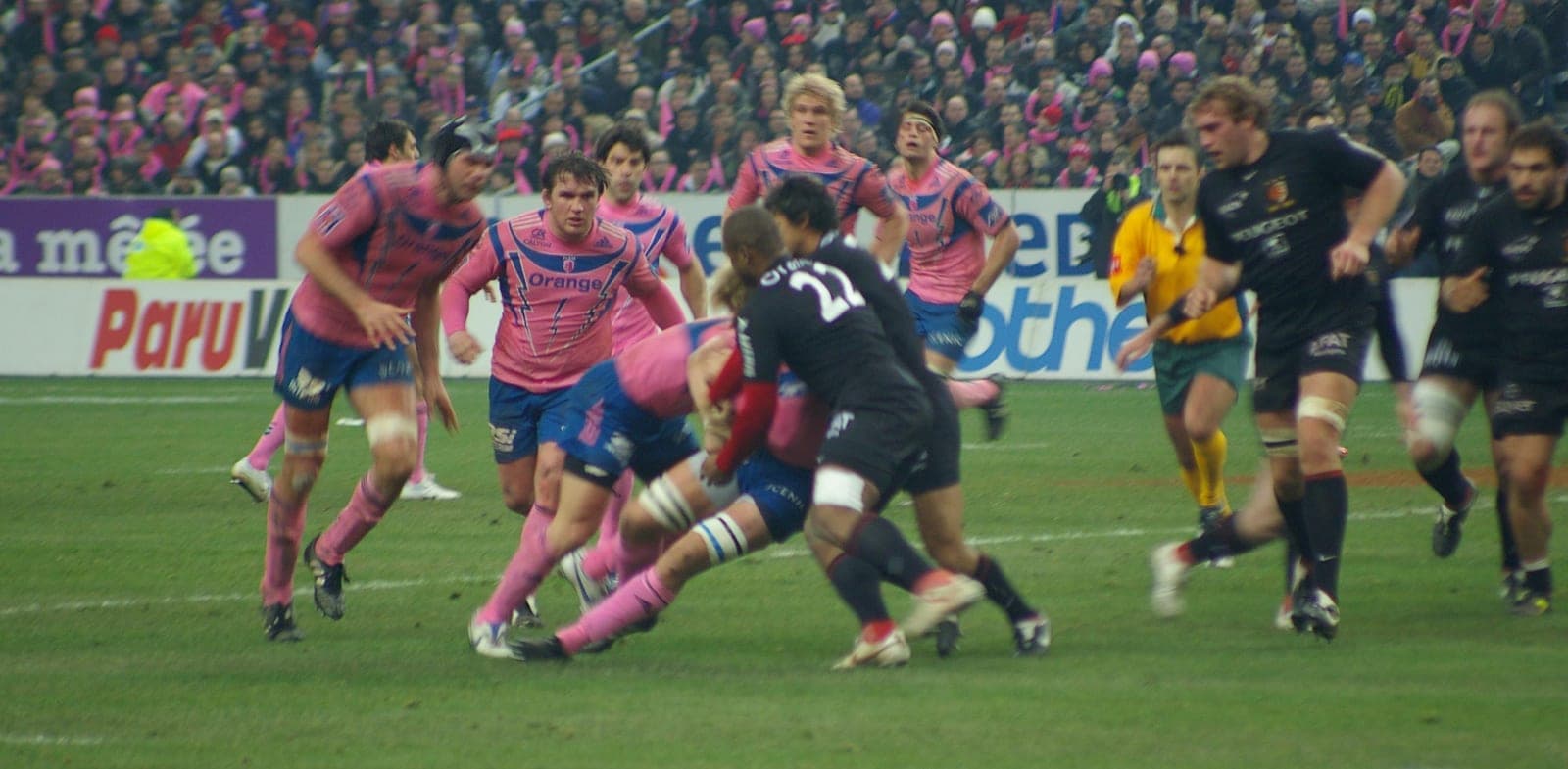
Rugby
A physical team sport of carrying, passing and kicking an oval ball toward the opposing line.
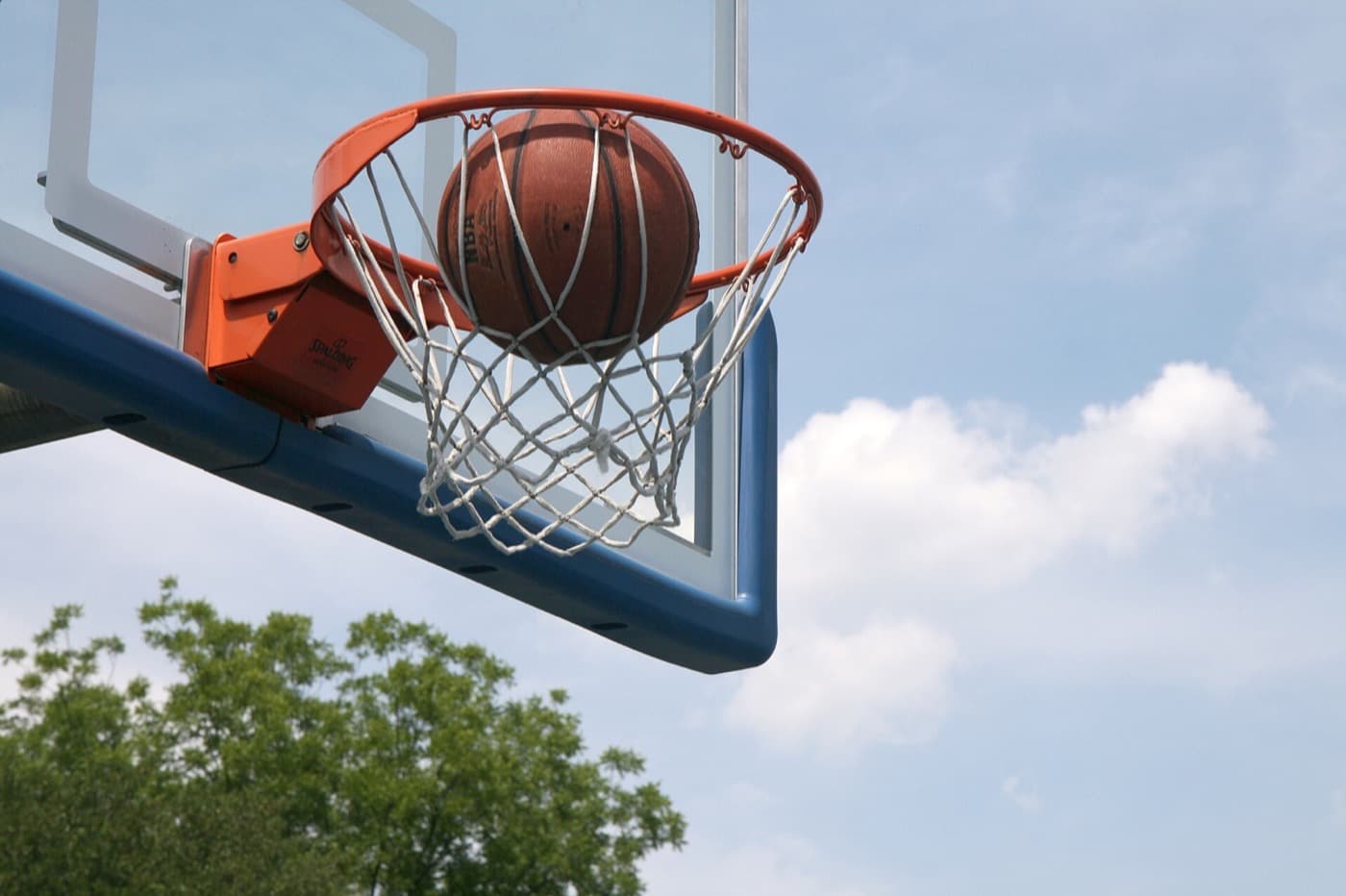
Basketball
A fast, dynamic team sport of running, jumping and quick decisions on court.
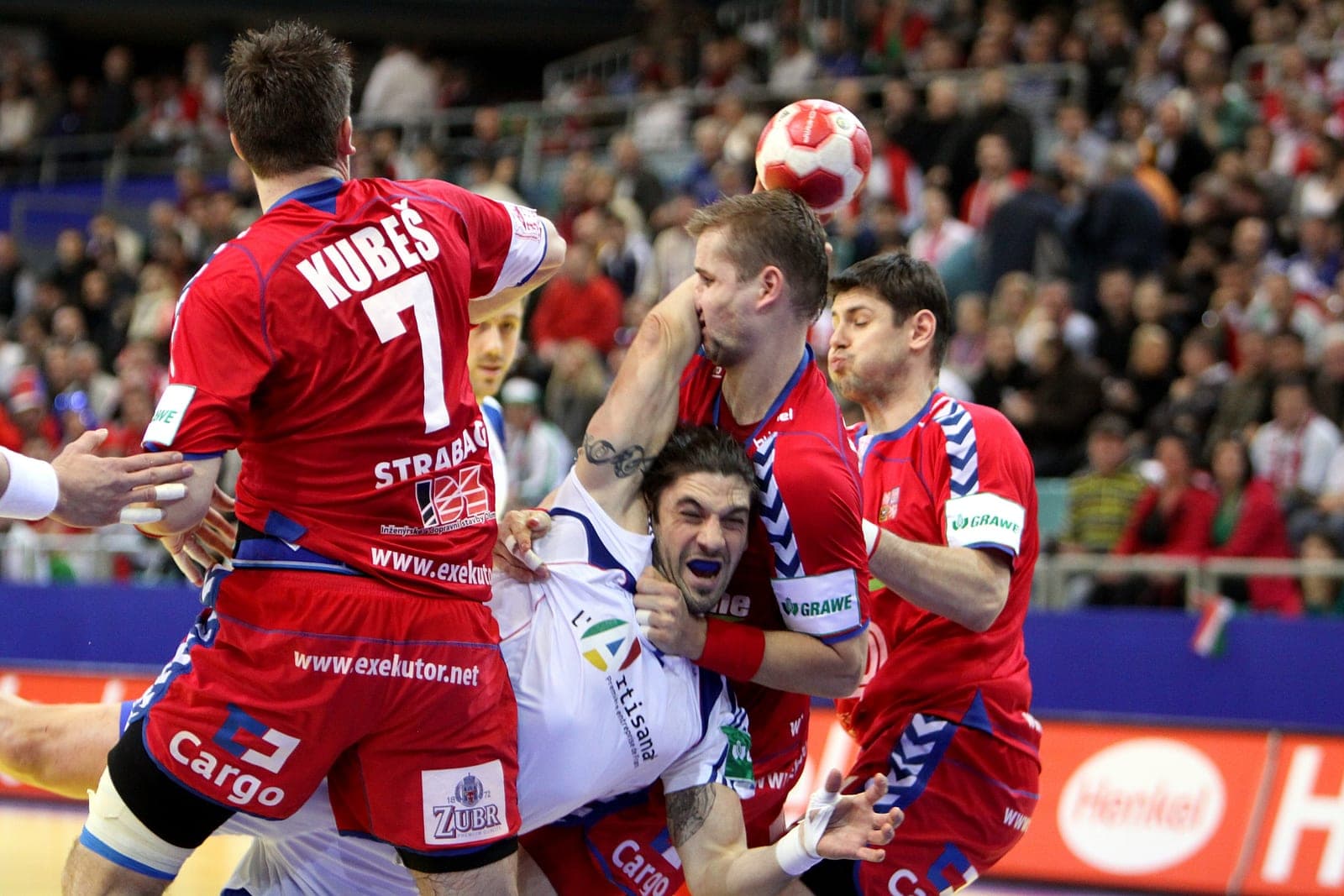
Handball
A fast indoor team sport of passing, jumping and throwing to score with the hands.
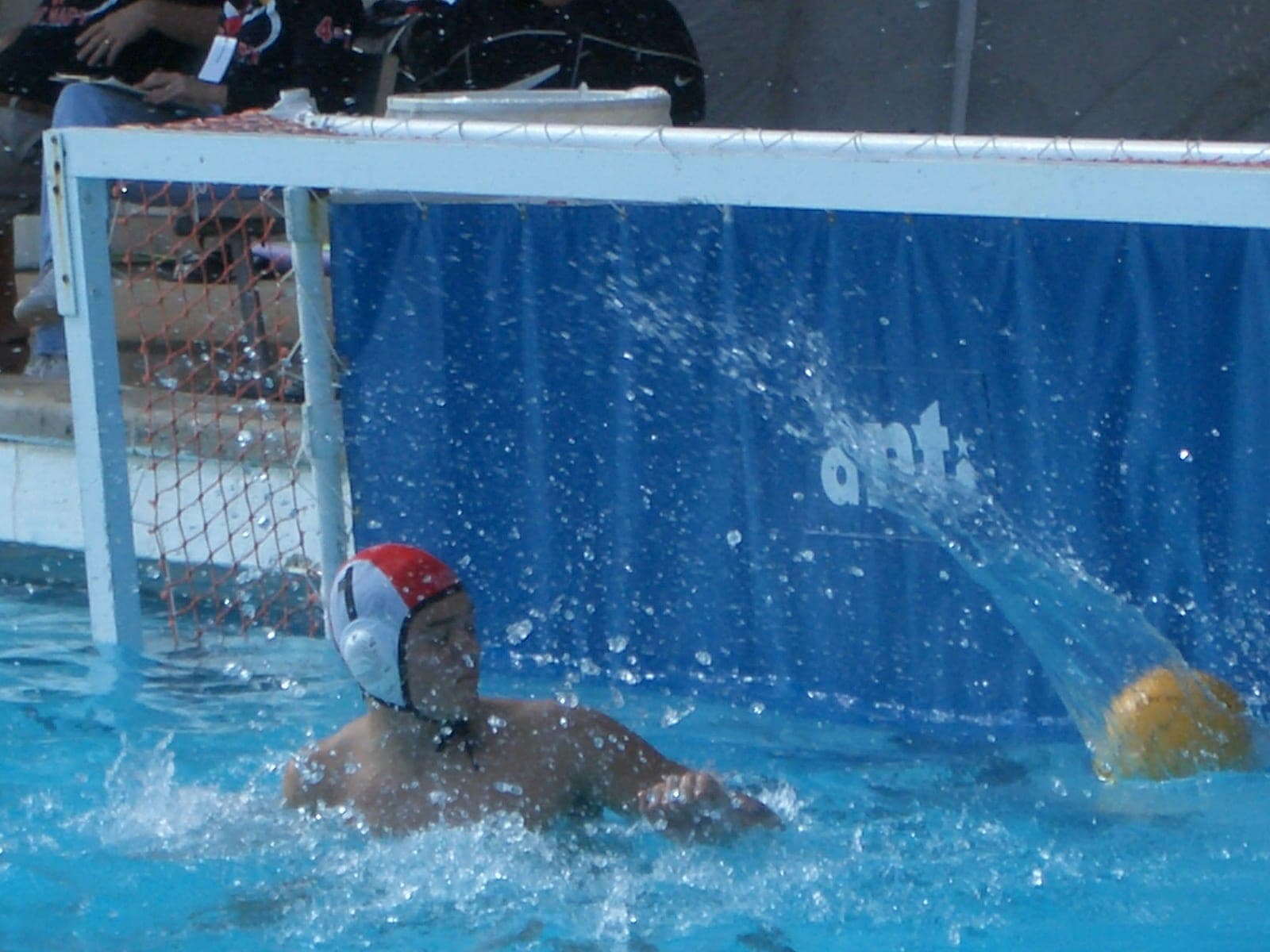
Water Polo
A demanding team sport played in deep water, blending swimming endurance with tactics.
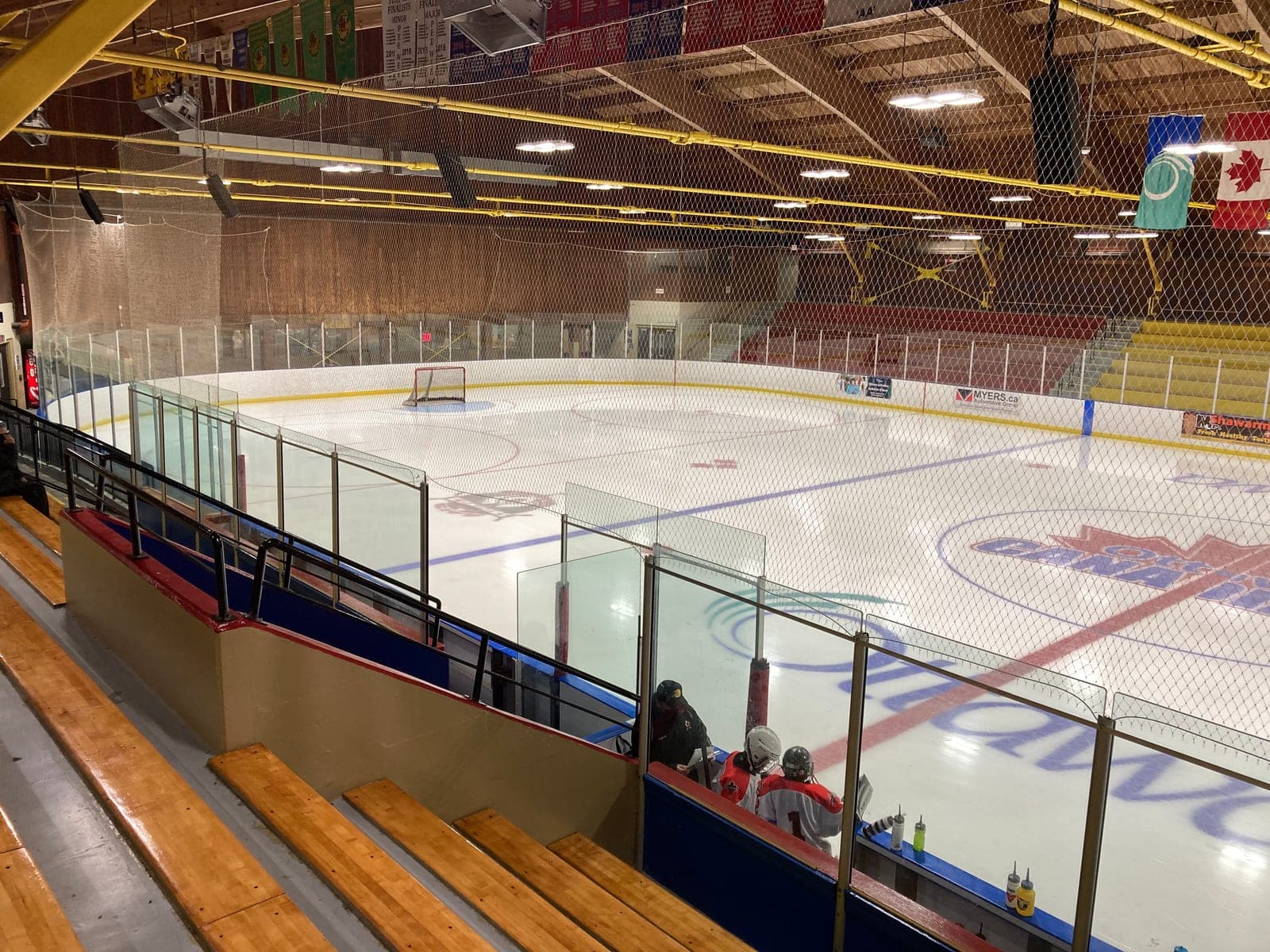
Ice Hockey
A fast team sport on ice that combines skating skill with quick passing and goal-scoring.
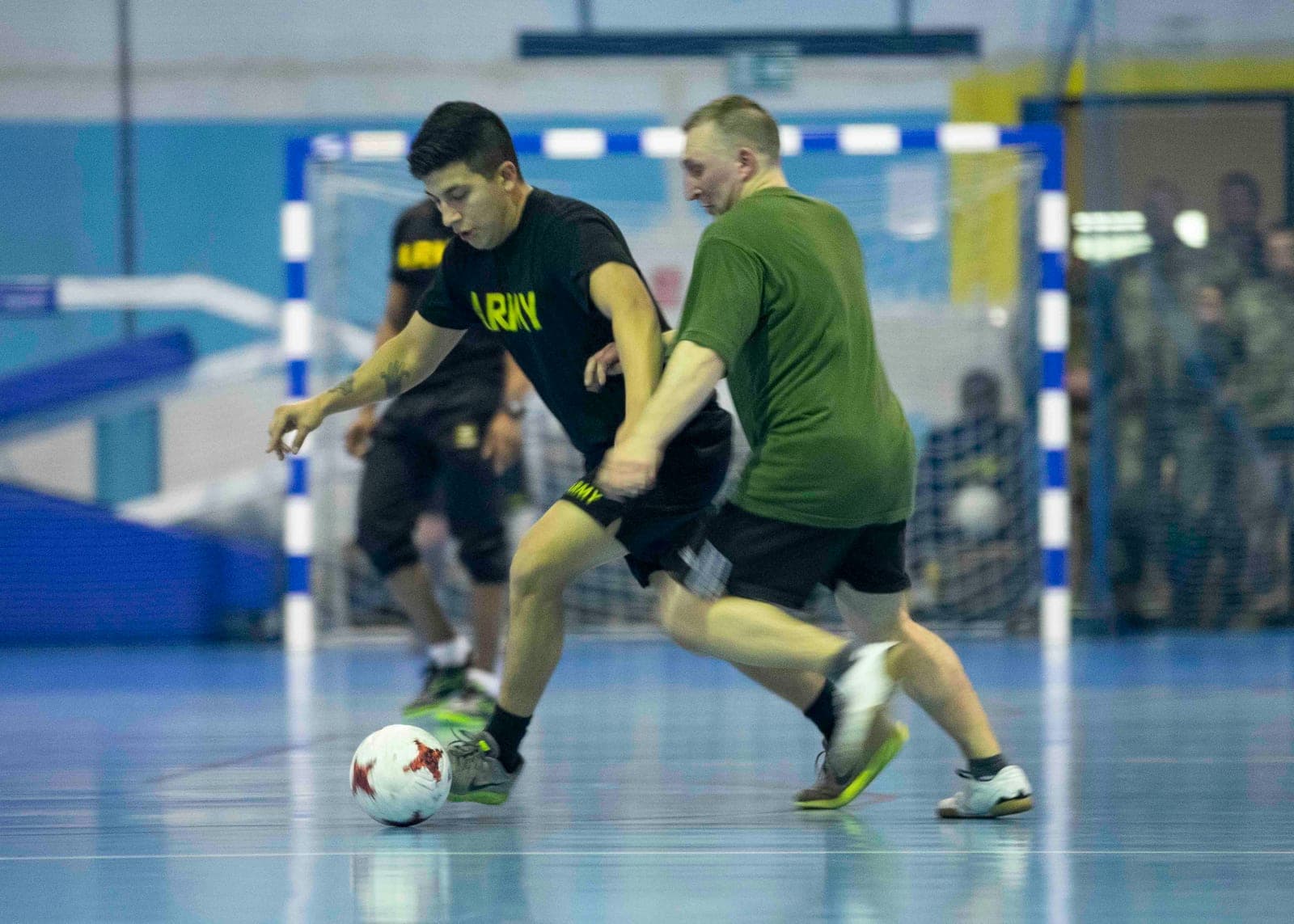
Futsal
A fast, small-sided indoor form of football played on a hard court with a low-bounce ball.
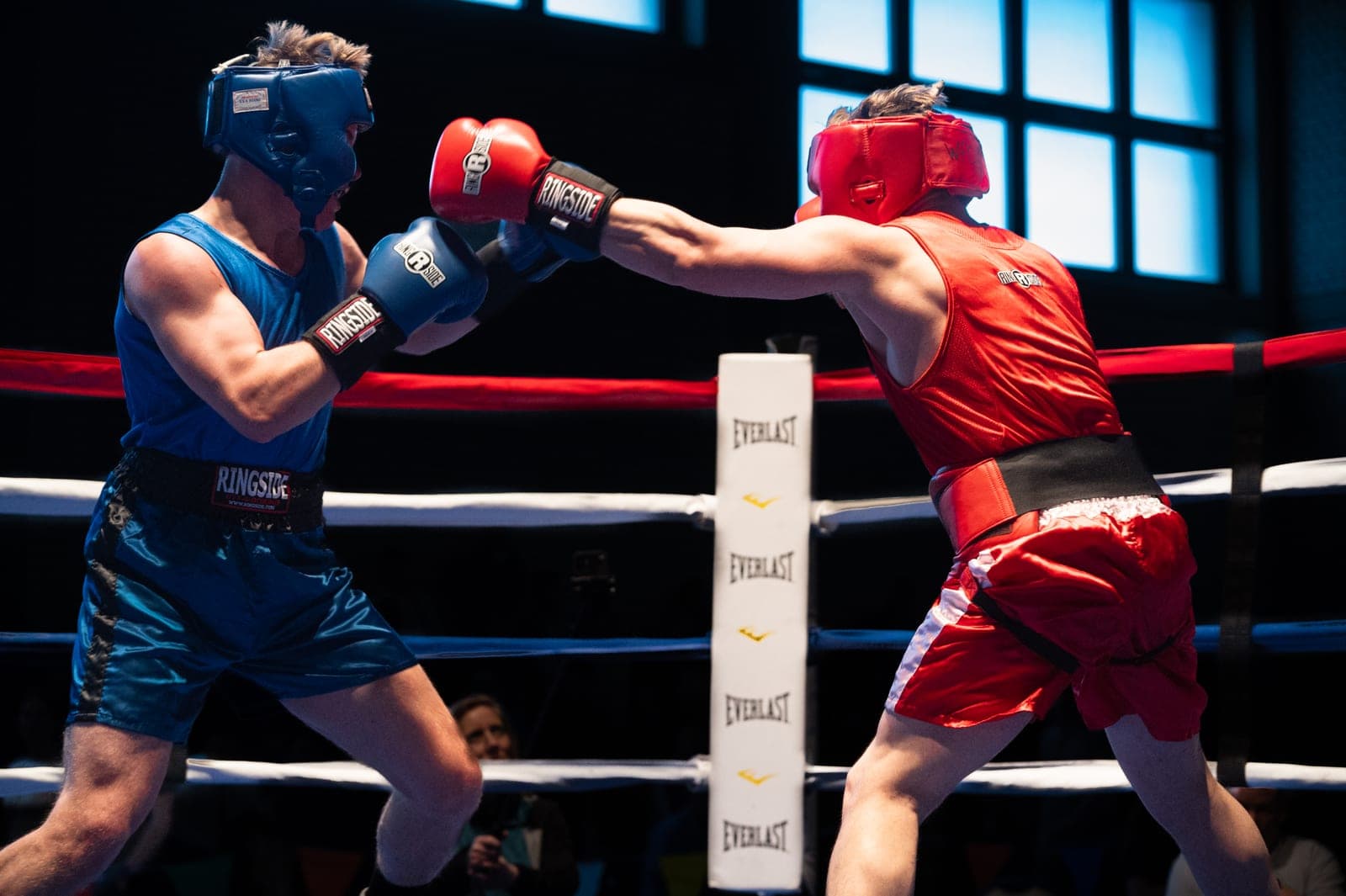
Boxing
A striking combat sport built on footwork, timing and conditioning, practised from fitness drills to controlled sparring.
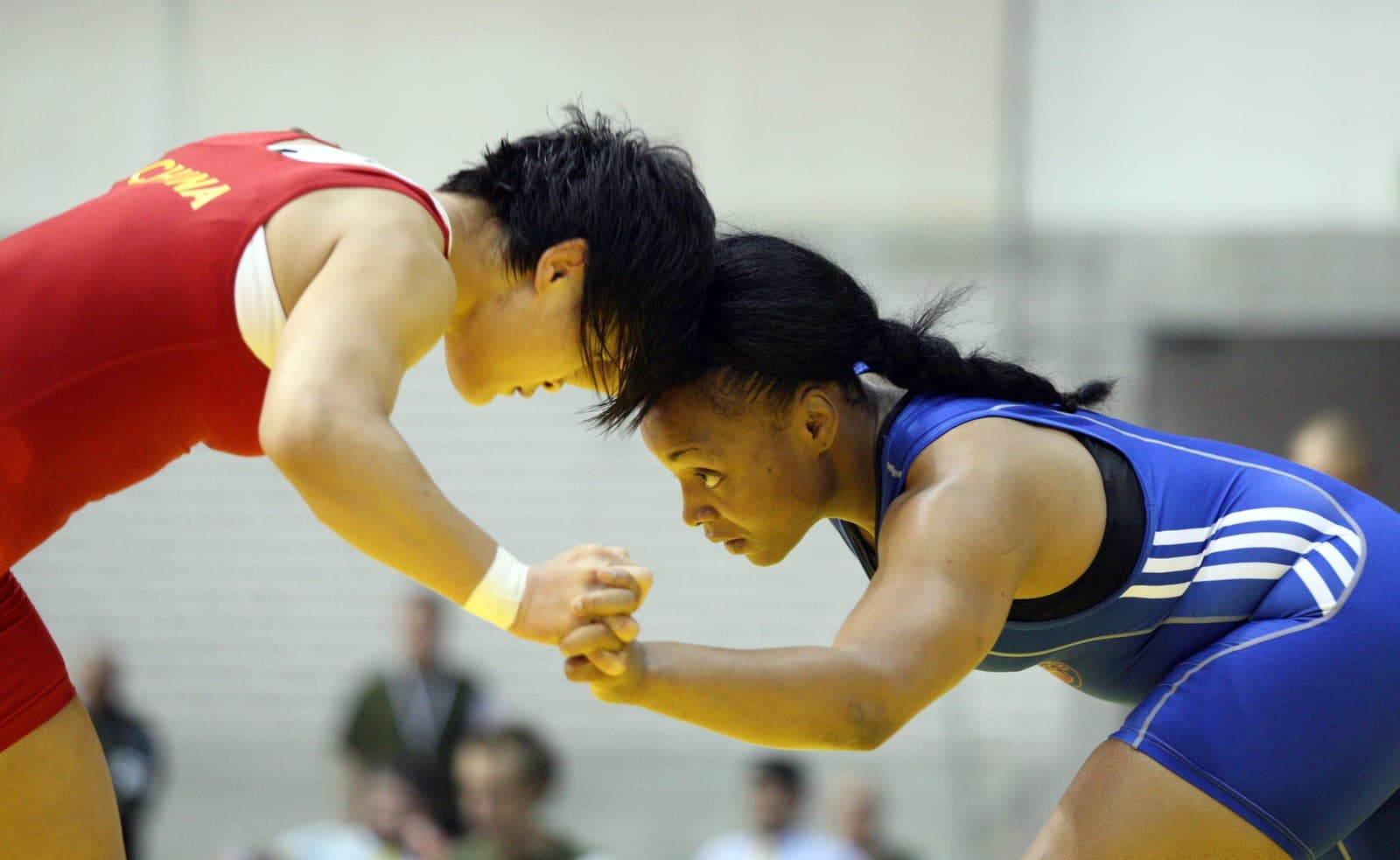
Wrestling
A grappling sport of takedowns and control where two athletes compete to pin or out-position each other.
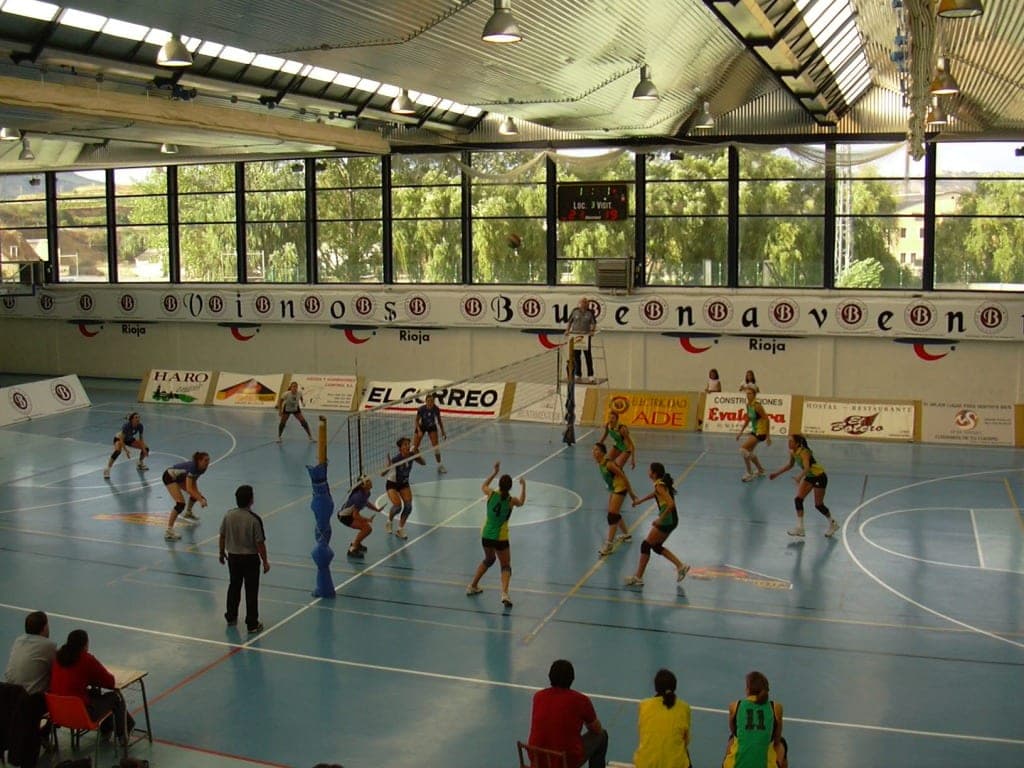
Volleyball
A non-contact team sport of rallies, jumps and teamwork — indoors or on the beach.
Related officiating
Umpire
A match official who rules on lines, serves and dismissals in racket, bat-and-ball and net sports such as tennis, cricket and baseball — and, in racket sports, also keeps the running score.
Judge
A judge is an official who scores performance in judged sports, awarding marks for execution and difficulty rather than counting goals or timing a race.
Line Judge
A boundary-line official who calls whether the ball or player is in or out and flags foot faults, working under the head referee across many sports.
Explore across the knowledge base
Follow the threads that connect Referee to the rest of SocialSportHub.
Rules
- Yellow and red cardsThe disciplinary cards a football referee shows to caution or send off a player for misconduct.
- Penalty kick awardA one-on-one kick against the goalkeeper awarded when a defending player commits a direct-free-kick foul inside their own penalty area.
- Direct and indirect free kicksThe two types of free kick awarded in football to restart play after a foul or other stoppage.
- Handball offenceA foul in football committed when an outfield player deliberately handles or controls the ball with the hand or arm.
- OffsideA rule that prevents an attacker from gaining an advantage by being positioned too close to the opponents' goal ahead of the ball and the last defenders.
Sports communication
- Non-verbal communicationSharing information without words — through body language, eye contact, gestures and agreed hand signals — often faster or quieter than a call.
- Captain communicationHow a team's designated captain relays decisions, sets a tone and — in many sports — acts as the recognised point of contact with officials.
Knowledge Atlas
How this page is maintained
- Content type
- Officiating concept
- Provenance
- Tier A — evergreen educational
- Verified external sources
- 0
- Content updated
- 2026-09-12
Evergreen, first-party explanation — it makes no claim that needs an external source. How we handle sources and reviews.