
Let
A serve or rally that is replayed without penalty, often because a serve clips the net or a player is obstructed.
Definition
In tennis, a let most commonly happens when a serve touches the top of the net but still lands in the correct service box; the serve is simply taken again with no penalty. No point is scored when a let is called.
In sports such as squash, racquetball and badminton, a let is called to replay a point when a player is obstructed or cannot play a fair shot through no fault of their own. In each case the aim is to give a fair, replayed chance rather than award the point.
Where you’ll hear “let”
Sports that use this term:
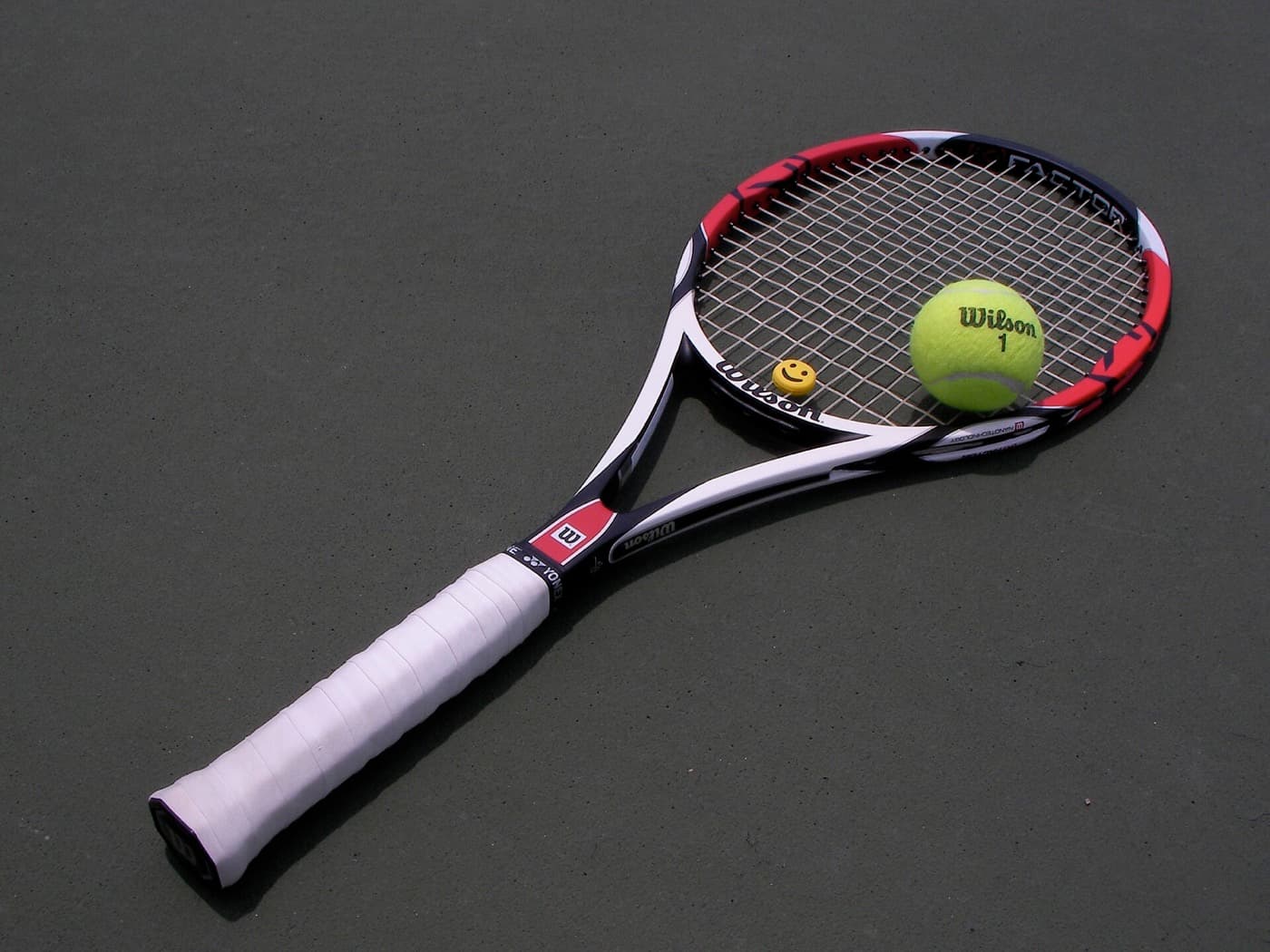
Tennis
A singles or doubles racquet sport that blends agility, strategy and stamina on court.
Squash
A fast, high-intensity indoor racquet sport played inside an enclosed court where the walls stay in play.
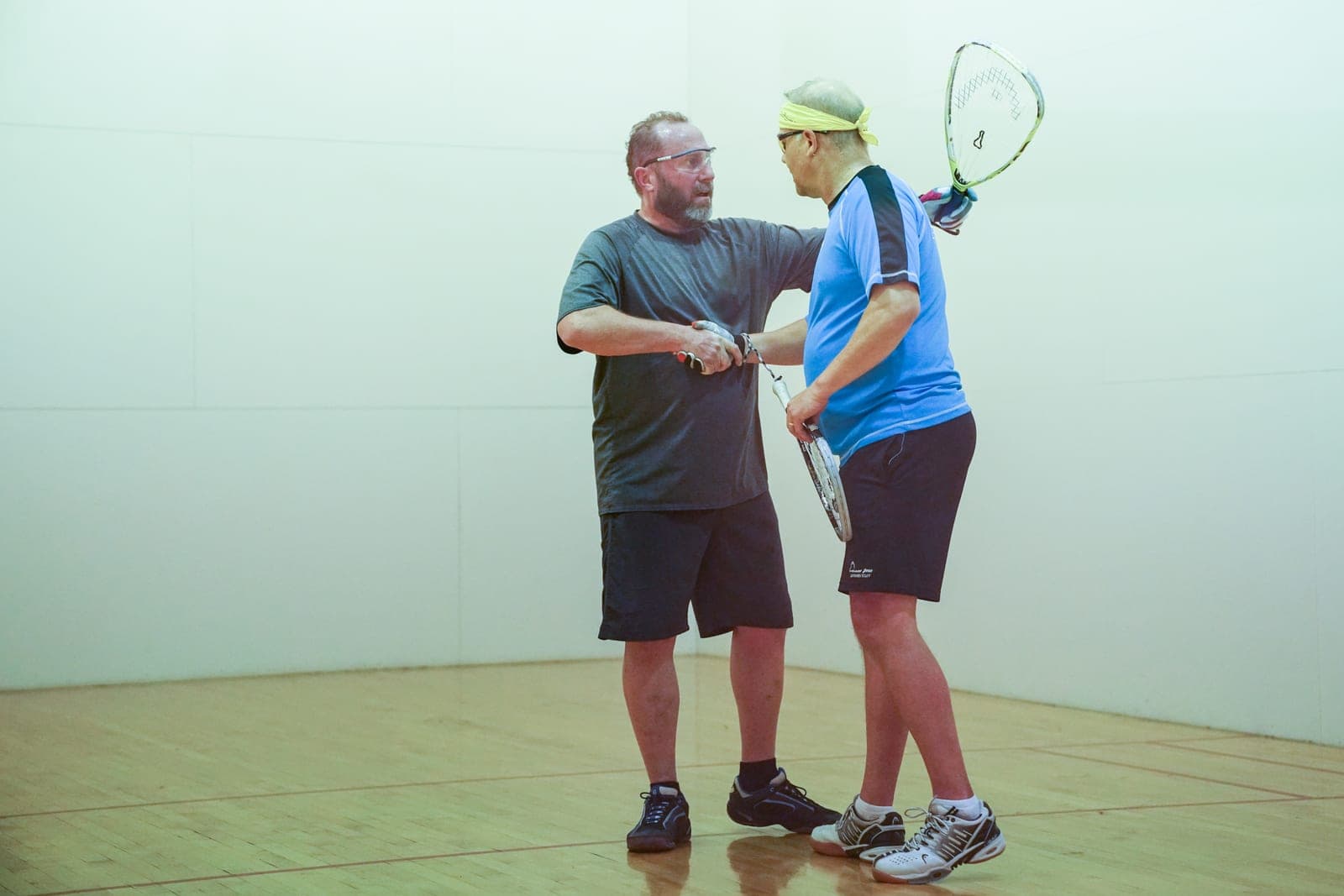
Racquetball
A lively indoor racquet sport played on an enclosed court where the walls, and often the ceiling, stay in play.
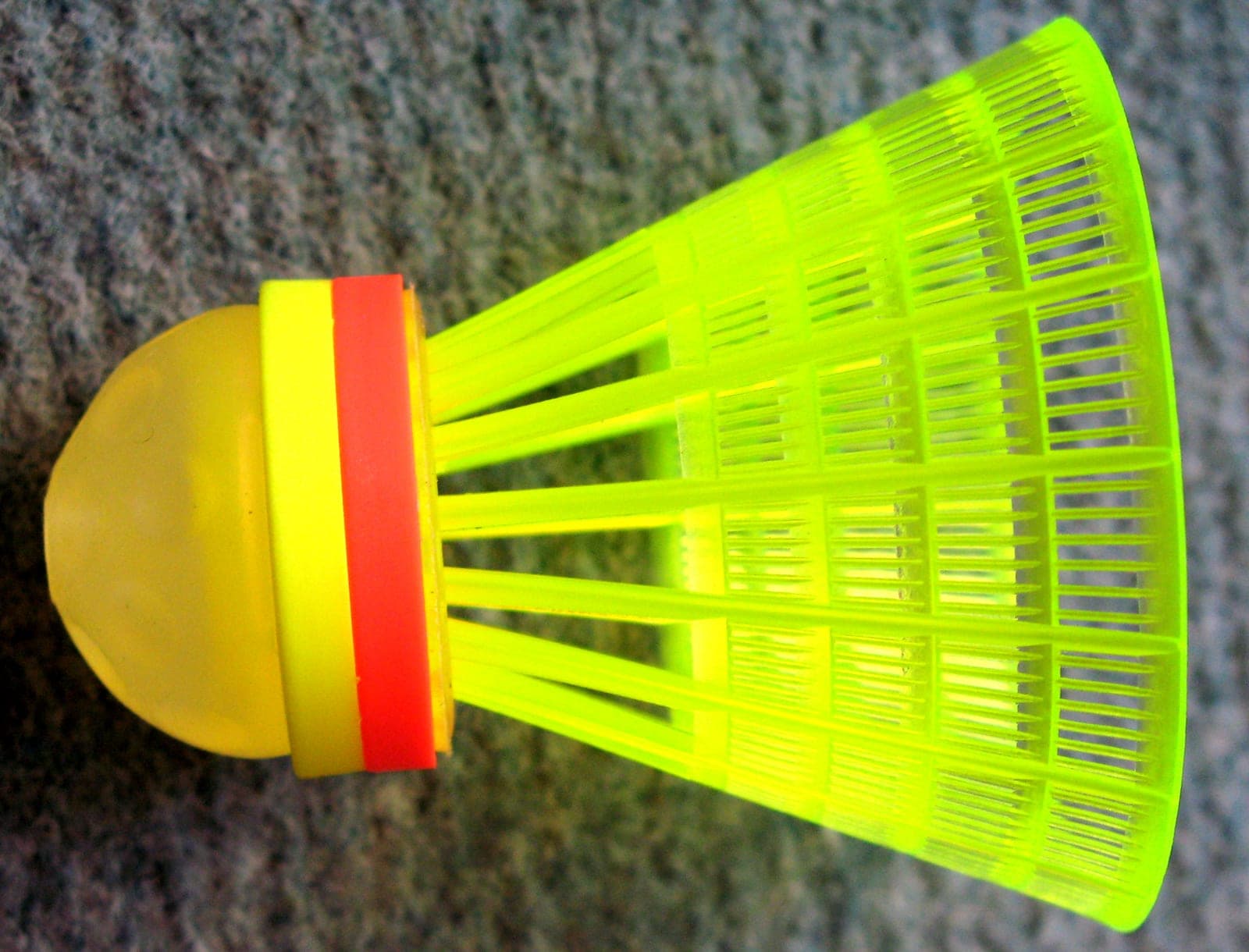
Badminton
A fast indoor racquet sport played with a shuttlecock that rewards agility and touch.
Explore across the knowledge base
Follow the threads that connect Let to the rest of SocialSportHub.
Rules
- LetA call that stops a point and has it replayed without penalty, used across several racket sports.
- Touching the netA net-play rule that penalises a player for contacting the net during a rally in net-divided sports.
- Hindrance, lets and permanent fixturesWhat happens when something outside the rally interferes — the difference between a deliberate and unintentional hindrance, and the rule that a permanent fixture is never a hindrance.
- How a point is lost in padelThe actions that end a padel rally — the second bounce, touching the net, direct contact with the opponent's enclosure, and the neutral-zone exception on the court doors.
- Tennis serving rulesThe rules governing how a tennis point begins, including where the server stands and where the serve must land.
Officiating
- UmpireA match official who rules on lines, serves and dismissals in racket, bat-and-ball and net sports such as tennis, cricket and baseball — and, in racket sports, also keeps the running score.
- Line JudgeA boundary-line official who calls whether the ball or player is in or out and flags foot faults, working under the head referee across many sports.
Skills
Tactics
- Serve and volleyAn attacking tennis tactic where the server follows their serve to the net to finish the point with a volley.
- Serve and third ballTable tennis's most-rehearsed tactical pattern — using a serve to force a predictable return so the third ball of the rally can be attacked from a known position.
Positions
Go deeper with Let
Everywhere else on the platform that covers Let — assembled from what actually references it, so nothing here is a dead end.
Take it away
Open data and the whole-platform view of this subject.
How this page is maintained
- Content type
- Term
- Provenance
- Tier A — evergreen educational
- Verified external sources
- 0
- Content updated
- 2026-09-01
Evergreen, first-party explanation — it makes no claim that needs an external source. How we handle sources and reviews.