
Footwork
The skill of moving efficiently around the playing area to be in position for each shot or action.
Overview
Footwork is the way a player uses small, quick steps to get into the right position and stay balanced. In almost every sport, being set before you act is what makes the actual shot, pass or strike reliable.
Good footwork is often invisible: the best players seem to have time because they arrive early and balanced. It underpins racket sports, team sports and combat sports alike.
Key points
- Being in position early gives you time and balance to execute the next action.
- Small adjusting steps are usually more useful than large, committing strides.
- A low, athletic ready stance lets you push off quickly in any direction.
- Recovering back toward a central base position after each move keeps you covered.
- Light, active feet make it easier to react to sudden changes of direction.
Where it’s used
Sports that use footwork:
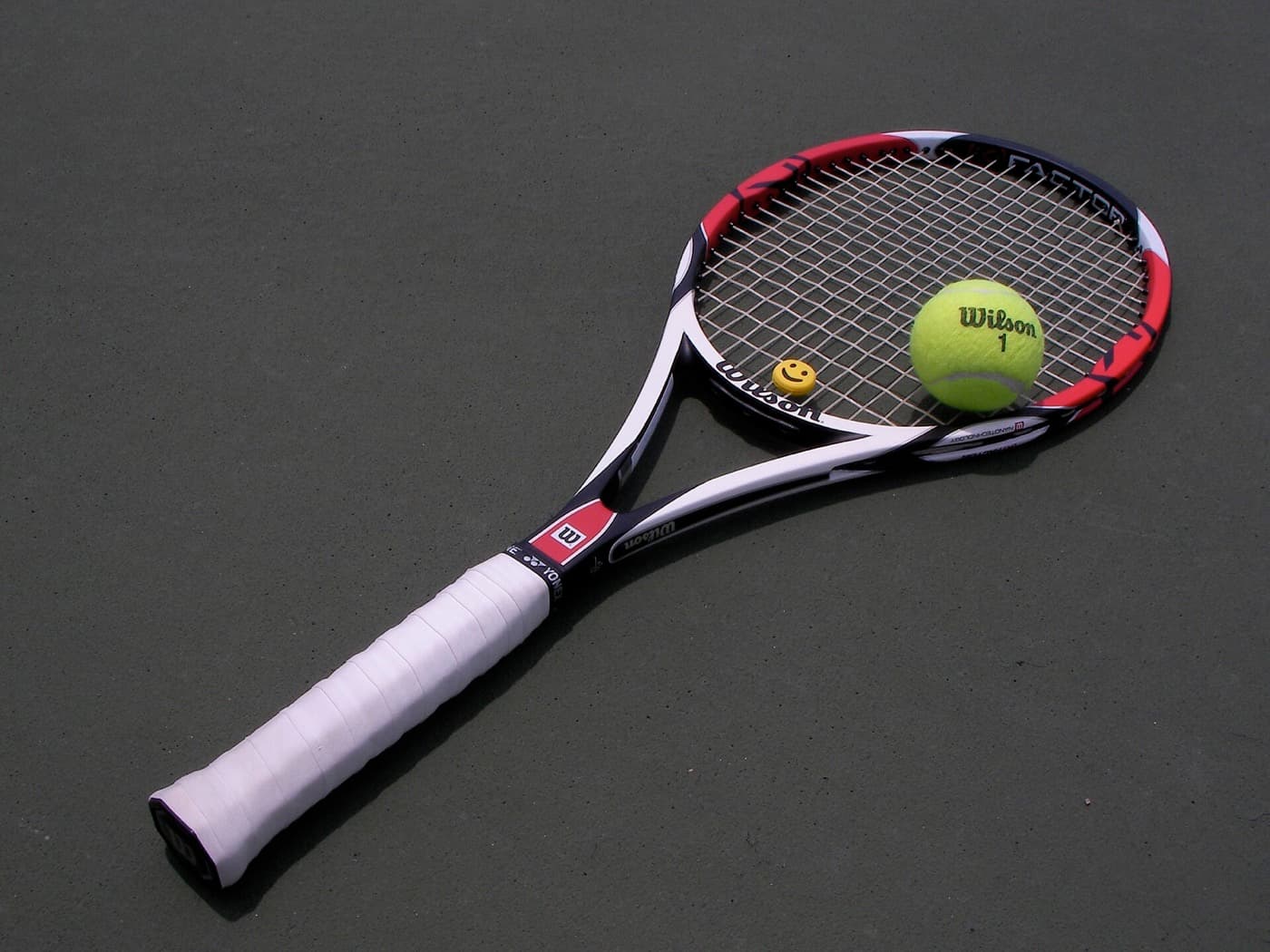
Tennis
A singles or doubles racquet sport that blends agility, strategy and stamina on court.
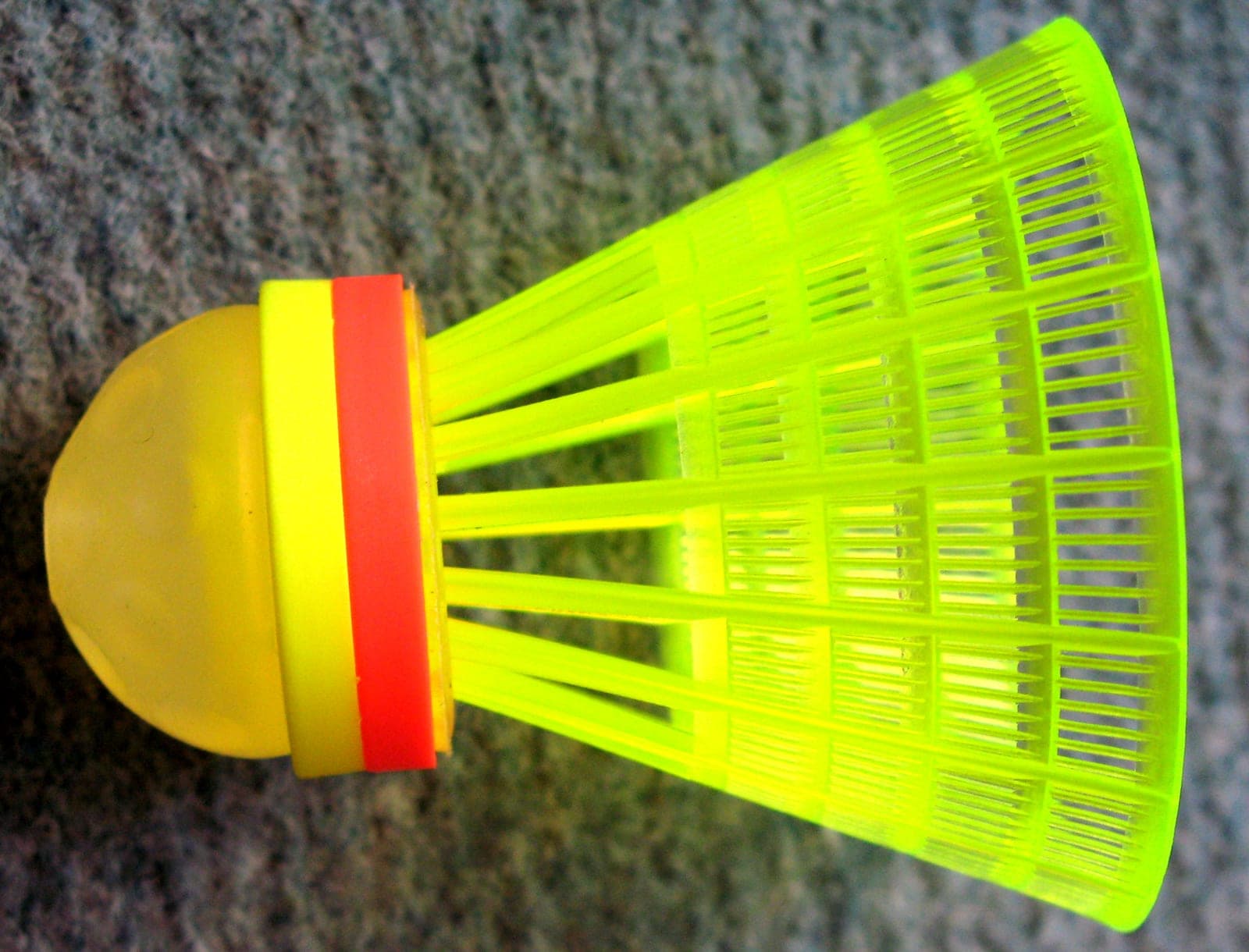
Badminton
A fast indoor racquet sport played with a shuttlecock that rewards agility and touch.
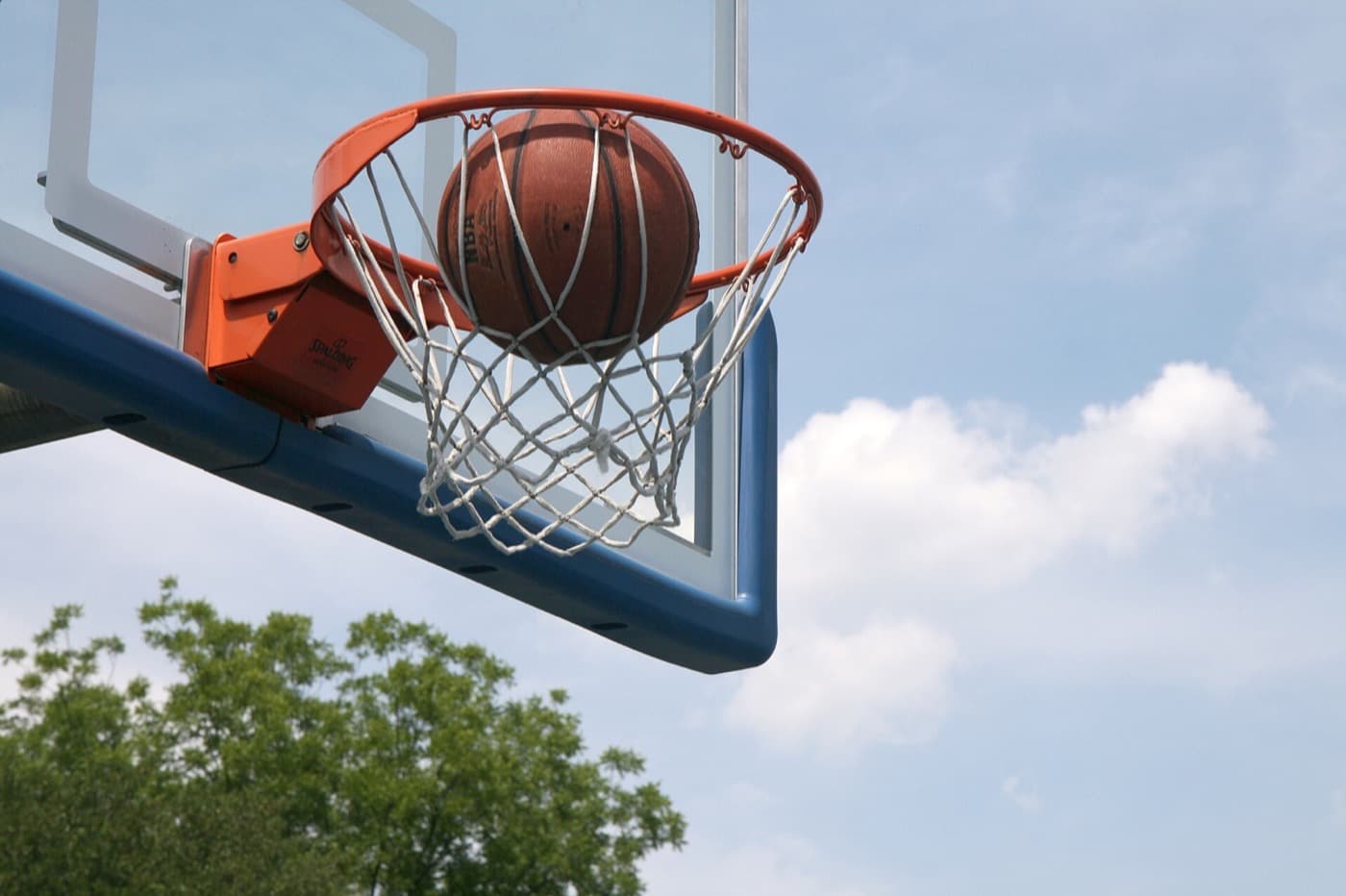
Basketball
A fast, dynamic team sport of running, jumping and quick decisions on court.
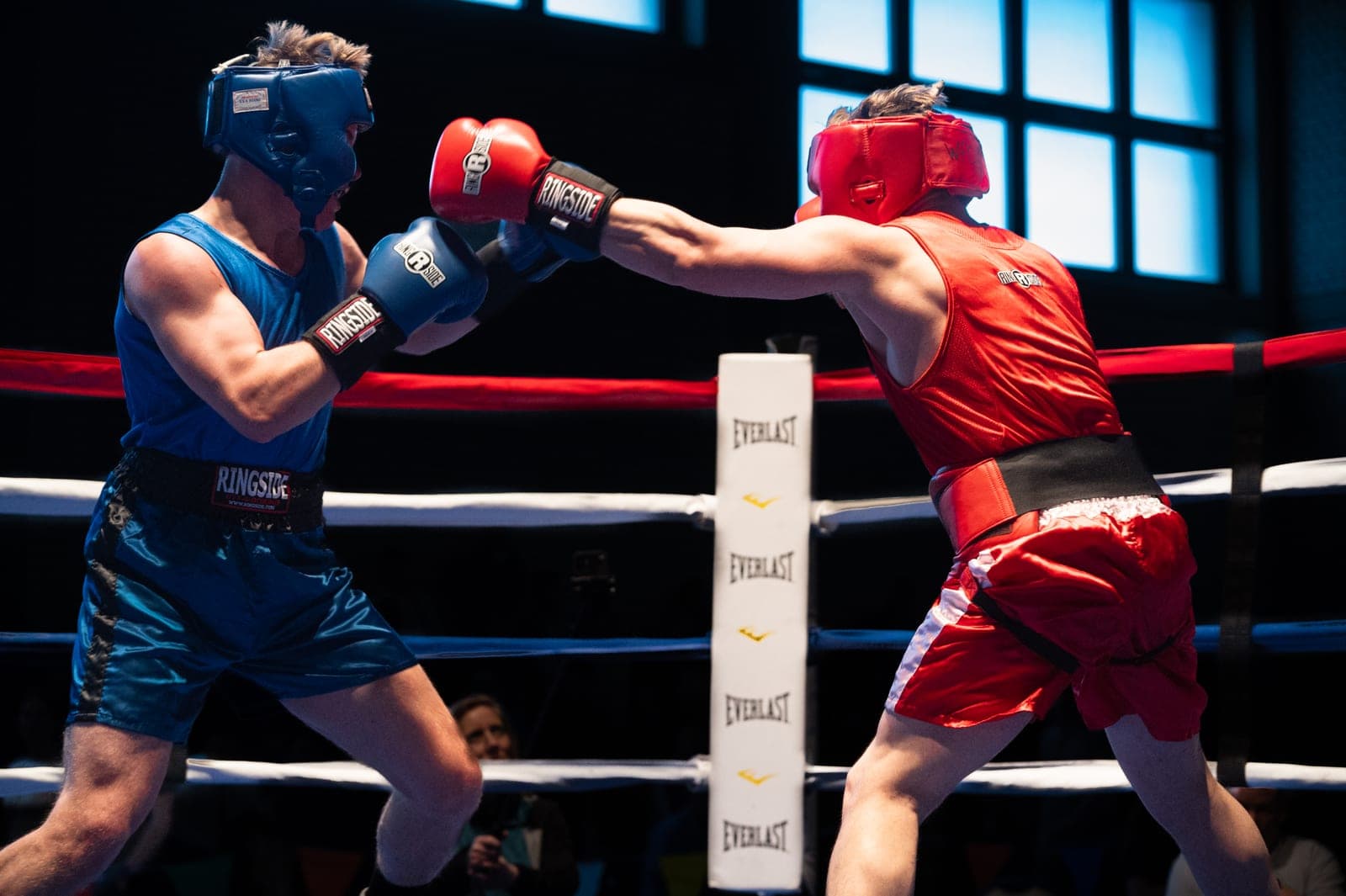
Boxing
A striking combat sport built on footwork, timing and conditioning, practised from fitness drills to controlled sparring.
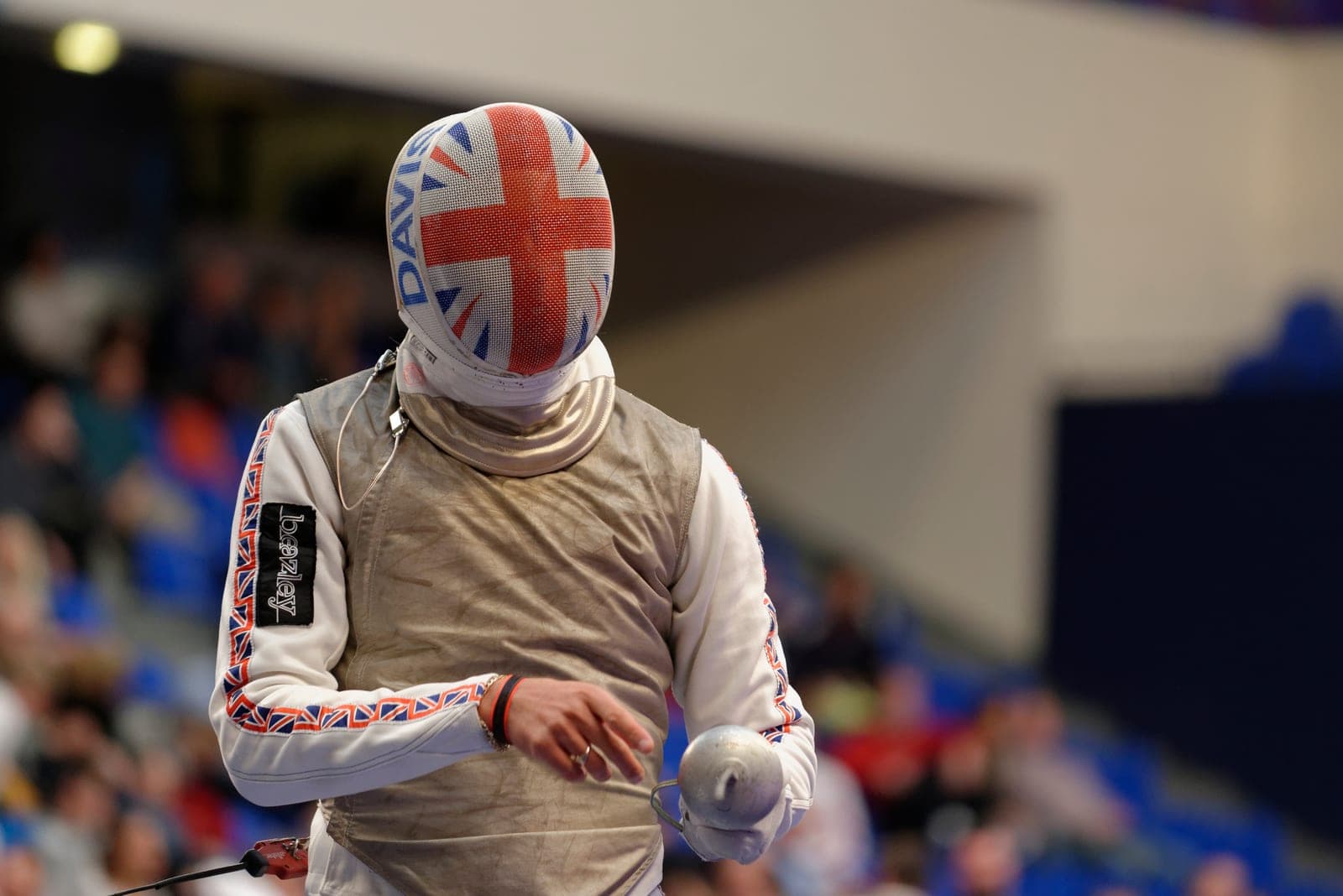
Fencing
A fast, tactical combat sport of controlled blade play that blends quick footwork with split-second decisions.
How it connects
The meaning-bearing relationships that place Footwork in the wider knowledge graph — each one with the reason it exists.
Progresses to
The next step in a curated learning order.
Progresses from
The step that comes before this one in a curated learning order.
- SprintingThe Locomotor skills collection lists Sprinting directly before Footwork in its learning order.
- Net playThe Racket-sport skills collection lists Net play directly before Footwork in its learning order.
- ReboundingThe Coordination & timing skills collection lists Rebounding directly before Footwork in its learning order.
Frequently learned together
Taught side by side in the same stage of a learning path.
- ServingBoth are taught in the “Learn the core skills” stage of the Tennis learning path.
- Returning serveBoth are taught in the “Learn the core skills” stage of the Tennis learning path.
- RallyingBoth are taught in the “Learn the core skills” stage of the Tennis learning path.
- Net playBoth are taught in the “Learn the core skills” stage of the Tennis learning path.
- PassingBoth are taught in the “Learn the core skills” stage of the Basketball learning path.
Part of
The wider grouping this belongs to.
- Foundational skillsFootwork is one of the 4 skills in the Foundational skills collection.
- Locomotor skillsFootwork is one of the 4 skills in the Locomotor skills collection.
- Racket-sport skillsFootwork is one of the 5 skills in the Racket-sport skills collection.
- Coordination & timing skillsFootwork is one of the 5 skills in the Coordination & timing skills collection.
Explore across the knowledge base
Follow the threads that connect Footwork to the rest of SocialSportHub.
Skills Academy
- Foundational skillsThe base skills almost every sport rests on — move, balance and control before anything else.
- Locomotor skillsMoving the body efficiently — running, sprinting, changing pace and getting into position.
- Racket-sport skillsThe core skills of racket sports — serving, returning, rallying and controlling the net.
- Coordination & timing skillsSkills that depend on doing the right thing at the right instant — jumping, spiking, heading and rebounding.
Playing surfaces
- Hard courtA rigid acrylic, concrete or asphalt court that gives a true, consistent, medium-paced bounce — the standard multi-use outdoor surface.
- Artificial turfSynthetic grass, often filled with sand or rubber, that gives a firm, even, all-weather surface. It plays faster and truer than worn natural grass.
- GrassNatural turf grown on soil — the traditional surface for many field sports and, in tennis, a fast court with a low, skiddy bounce.
- ClayA soft, granular racquet-sport surface of crushed brick, stone or shale that slows the ball, gives a high bounce and lets players slide into shots.
- WoodAn indoor sprung timber or parquet floor — grippy, consistent and lightly cushioned; the classic surface for indoor court sports.
Movement patterns
- AccelerationThe athletic pattern of building speed from a standing or slow start by driving large horizontal forces into the ground to project the body forward.
- BackpedalControlled backward locomotion performed while facing forward, staying low and pushing off the balls of the feet in short strides to stay reactive and keep play in view.
- BoundAn exaggerated, horizontal springing stride that transfers from one leg to the opposite leg with a long flight phase, amplifying the mechanics of running.
- CatchReceiving a moving object and securing it under control, absorbing its momentum by yielding along its path so kinetic energy is dissipated rather than rebounded away.
- Change of DirectionA planned redirection of the body from one movement vector to another, requiring an athlete to decelerate existing momentum and reaccelerate along a new line between two known points.
Techniques
- LayupA close-range basketball shot taken while moving toward the basket, laying the ball softly off the backboard or over the rim.
- The pull and the hookThe two cross-batted strokes that punish short bowling — how the pull and the hook differ, the height of the ball that separates them, and the risk each one carries.
- Movement and recovery in tennisWhy tennis footwork is mostly about getting back rather than getting there — the split step, the recovery position that is not the centre of the court, and sliding on clay.
Learning paths
- Learn TennisA structured, educational learning path for tennis — from the rules to skills, techniques, tactics and training.
- Learn BadmintonA structured, educational learning path for badminton — from the rules to skills, techniques, tactics and training.
- Learn BasketballA structured, educational learning path for basketball — from the rules to skills, techniques, tactics and training.
Go deeper with Footwork
Everywhere else on the platform that covers Footwork — assembled from what actually references it, so nothing here is a dead end.
Learn it
Structured courses and paths on the platform that cover this directly.
How this page is maintained
- Content type
- Skill
- Provenance
- Tier A — evergreen educational
- Verified external sources
- 0
- Content updated
- 2026-09-12
Evergreen, first-party explanation — it makes no claim that needs an external source. How we handle sources and reviews.