
Overview
The backpedal is controlled backward locomotion performed while the trunk and eyes stay facing forward. The athlete lowers into a slight forward lean with the hips loaded and the weight carried toward the balls of the feet, then reaches backward with one leg and drives the body rearward off the front of the opposite foot, with the hip and knee extensors (glutes and quadriceps) doing the concentric work of propulsion while the athlete stays on the balls of the feet; compared with forward running the ankle plantarflexors contribute relatively less push-off. The low, loaded position also keeps the quadriceps and hips ready to absorb force, and the arms drive in reverse to balance the leg action. Keeping the strides short and the hips low keeps the centre of gravity over the base, so the athlete can decelerate and break out of the backpedal in any direction: the pattern is built around reactive readiness and vision rather than maximal speed.
The backpedal is most identified with American football, where defensive backs backpedal off the line to read the play while keeping receivers and the ball in view before breaking forward or turning to run. But the same controlled-retreat pattern shows up widely: a tennis player backpedals to recover court position or to get behind a lob for an overhead; basketball players backpedal in transition defence to protect the basket while watching the ball; outfielders in baseball, and defenders in soccer, rugby, lacrosse and netball, use short backpedals to keep play in front of them. How deep the stance is, how long the strides are, and how quickly the athlete transitions out of the backpedal all vary with the sport and the situation, with some contexts favouring a very low, choppy, reactive backpedal and others a faster, more upright retreat, but the shared mechanics of facing forward, staying low, pushing off the balls of the feet and keeping the strides short remain the recognisable core.
What defines it
- The athlete moves backward while the trunk, head and eyes stay oriented to the field or opponent, which is what makes it a reading-and-reacting pattern rather than simple turned-around running.
- Rearward drive comes mainly from concentric hip- and knee-extensor (glute and quadriceps) work, pushing off the balls of the feet with a slight forward trunk lean that keeps the weight over the front of the foot; the calves contribute less push-off here than in forward running.
- Strides are kept short, quick and controlled, and the hips stay low, so the centre of gravity remains over the base and the athlete can change direction off either leg.
- The low, loaded stance keeps the quadriceps and hips poised to absorb force and redirect, so the instant the athlete breaks out of the backpedal those muscles decelerate the body and launch the next step — but travelling and holding backward velocity still requires active concentric propulsion, not braking alone.
- The arms swing opposite to the legs to balance the action while the hips stay square, in contrast to the crossing action of a crossover step.
How it differs from nearby movements
Movements that look similar but are not the same thing.
- Not the same as gait
- A backpedal keeps the torso and vision facing forward, stays low, and uses short, reactive strides so the athlete can break in any direction; simply jogging turned around is turned-around locomotion that prioritises covering ground, tends to be taller, and gives up the forward-facing readiness and quick change of direction the backpedal is built for.
- Not the same as shuffle
- A backpedal travels front-to-back in the sagittal plane facing forward, whereas a shuffle travels side-to-side in the frontal plane. Both stay low and square but move the body along different axes.
- Not the same as crossover-step
- A backpedal keeps the hips square and the feet uncrossed moving straight back, while a crossover crosses one leg over the other and rotates the hips to transition into travel.
A note on this information
Exercises that train the backpedal
Movements built on this pattern — educational examples, not a prescription.
Goblet squat
A squat variation where you hold a single weight close to your chest for balance and control.
Wall sit
A holding exercise where you sit against a wall with no chair, holding a squat position still.
Calf raise
A movement where you press up onto the balls of your feet to work the calves.
High knees
A running-in-place cardio drill where you lift the knees high with a quick rhythm.
Step-up
A movement where you step up onto a raised platform one leg at a time and step back down.
Sports skills that express it
The learnable skills of a sport that this movement underlies.
Running form
The skill of running with efficient, relaxed and balanced movement, so that more of the effort you put in goes into travelling forward.
Footwork
The skill of moving efficiently around the playing area to be in position for each shot or action.
Marking
The defensive skill of staying close to an opponent to limit their space and options.
Balance
The skill of keeping the body stable and controlled while still or moving.
Core stability
The skill of engaging the trunk muscles to keep the body strong and controlled through movement.
Sports techniques that use it
How the movement shows up in the specific techniques of a sport.
The science and how it’s learned
The concepts that explain this movement and help in learning it.
Sports that rely on it
American Football
A strategic, position-based team sport of set plays, sprinting and coordinated teamwork on a marked field.
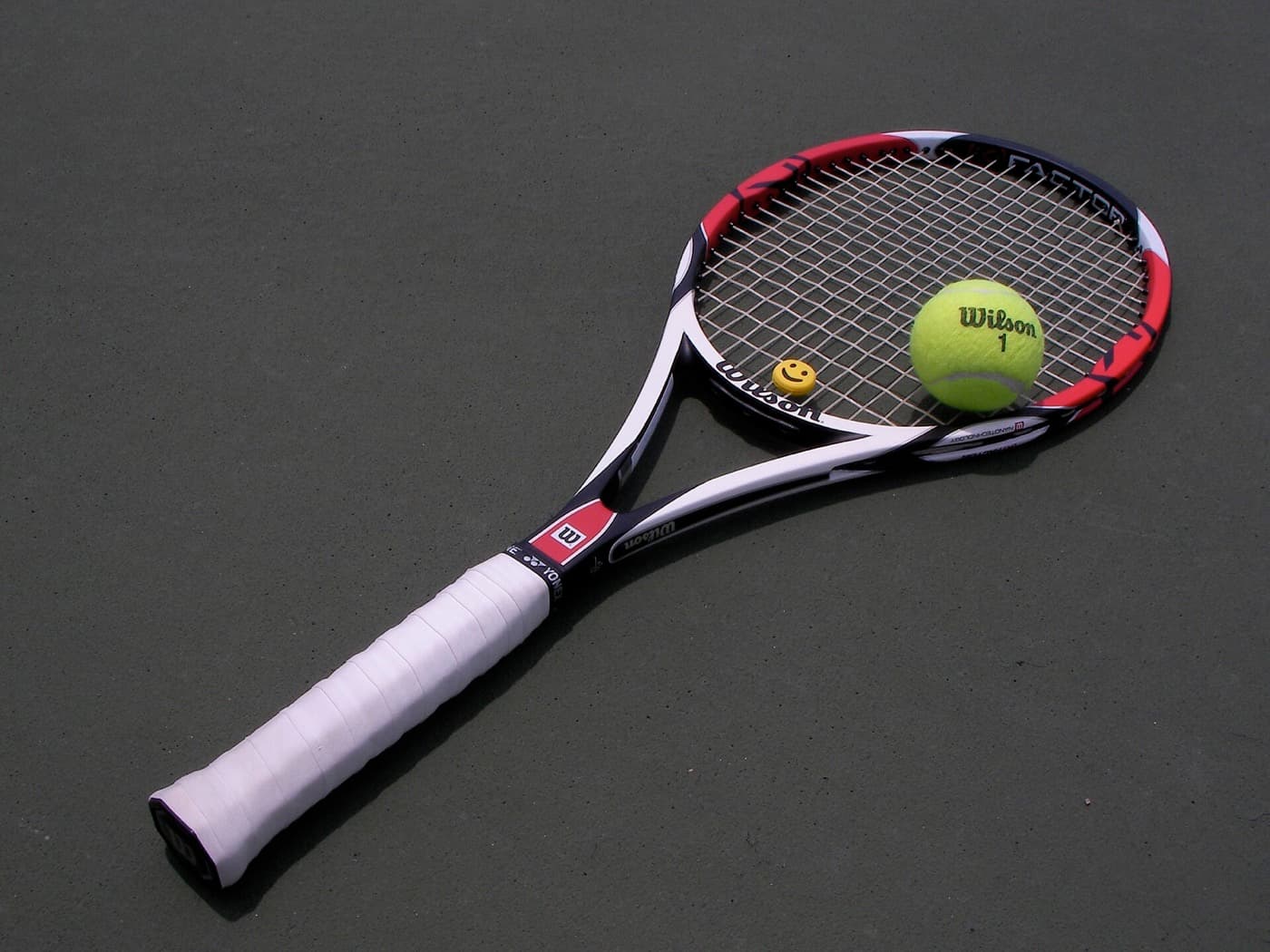
Tennis
A singles or doubles racquet sport that blends agility, strategy and stamina on court.
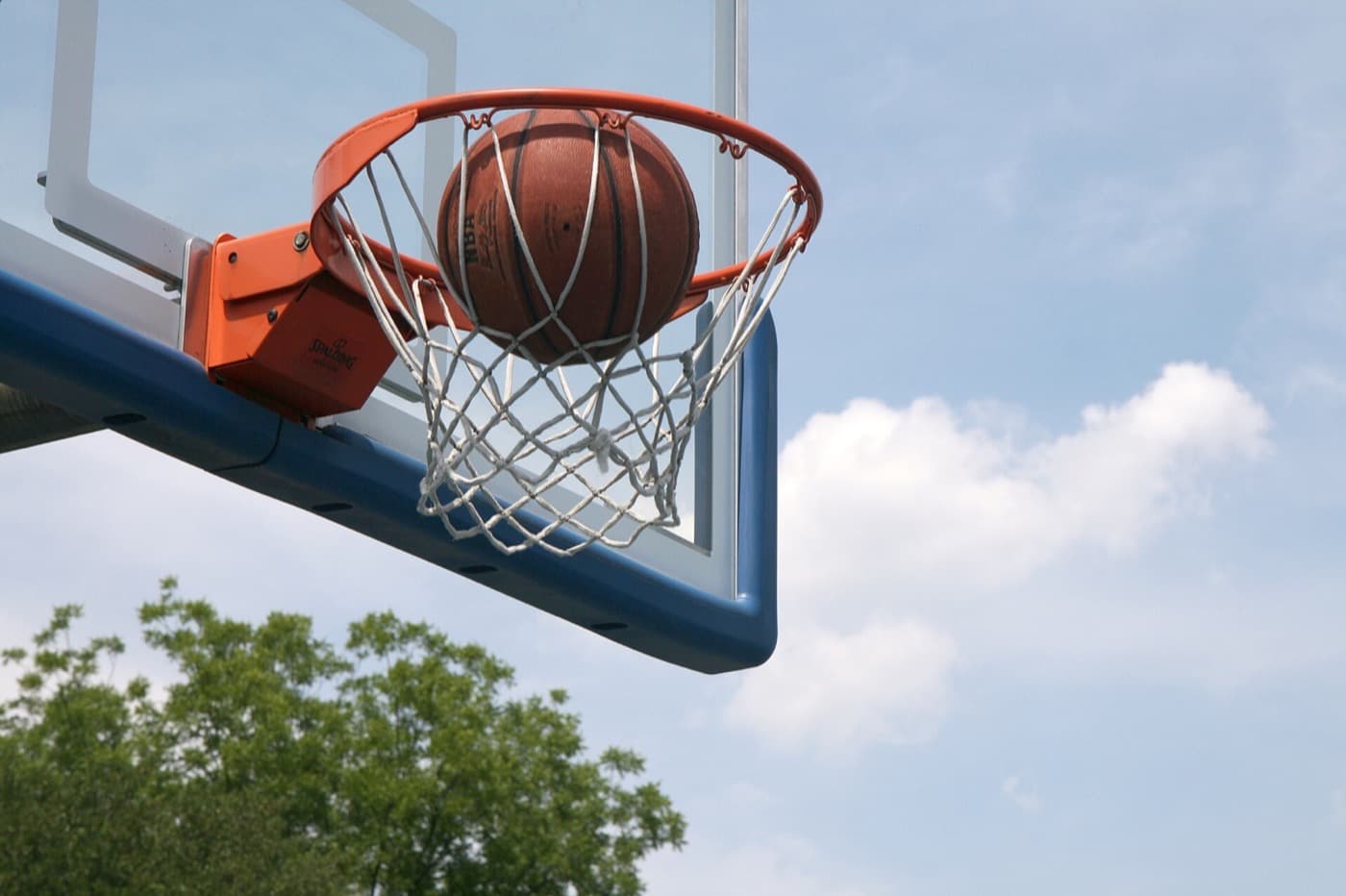
Basketball
A fast, dynamic team sport of running, jumping and quick decisions on court.
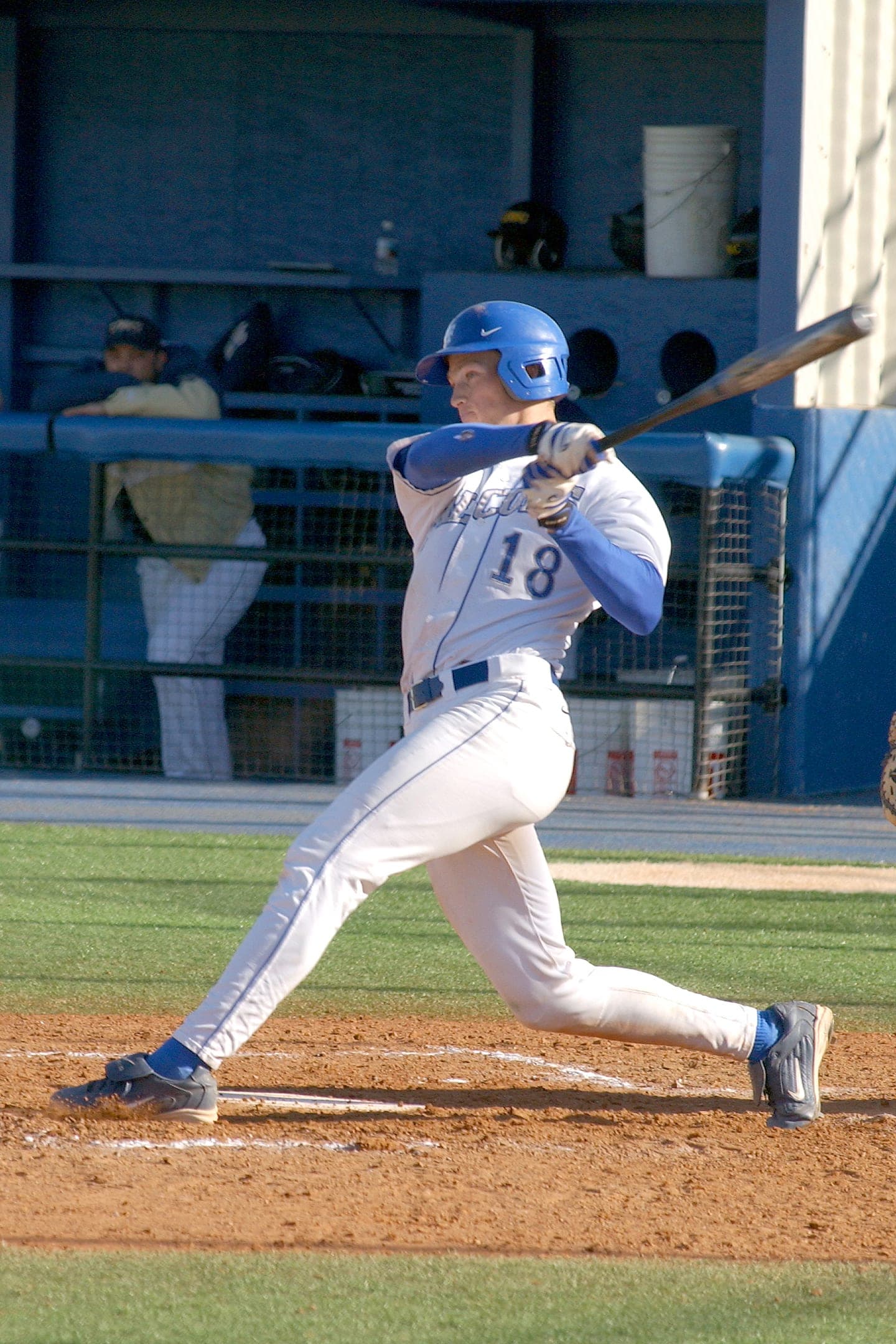
Baseball
A bat-and-ball team sport where two sides alternate between batting and fielding to score runs.
Football
The world’s most popular team sport — endless running, teamwork and community in one game.
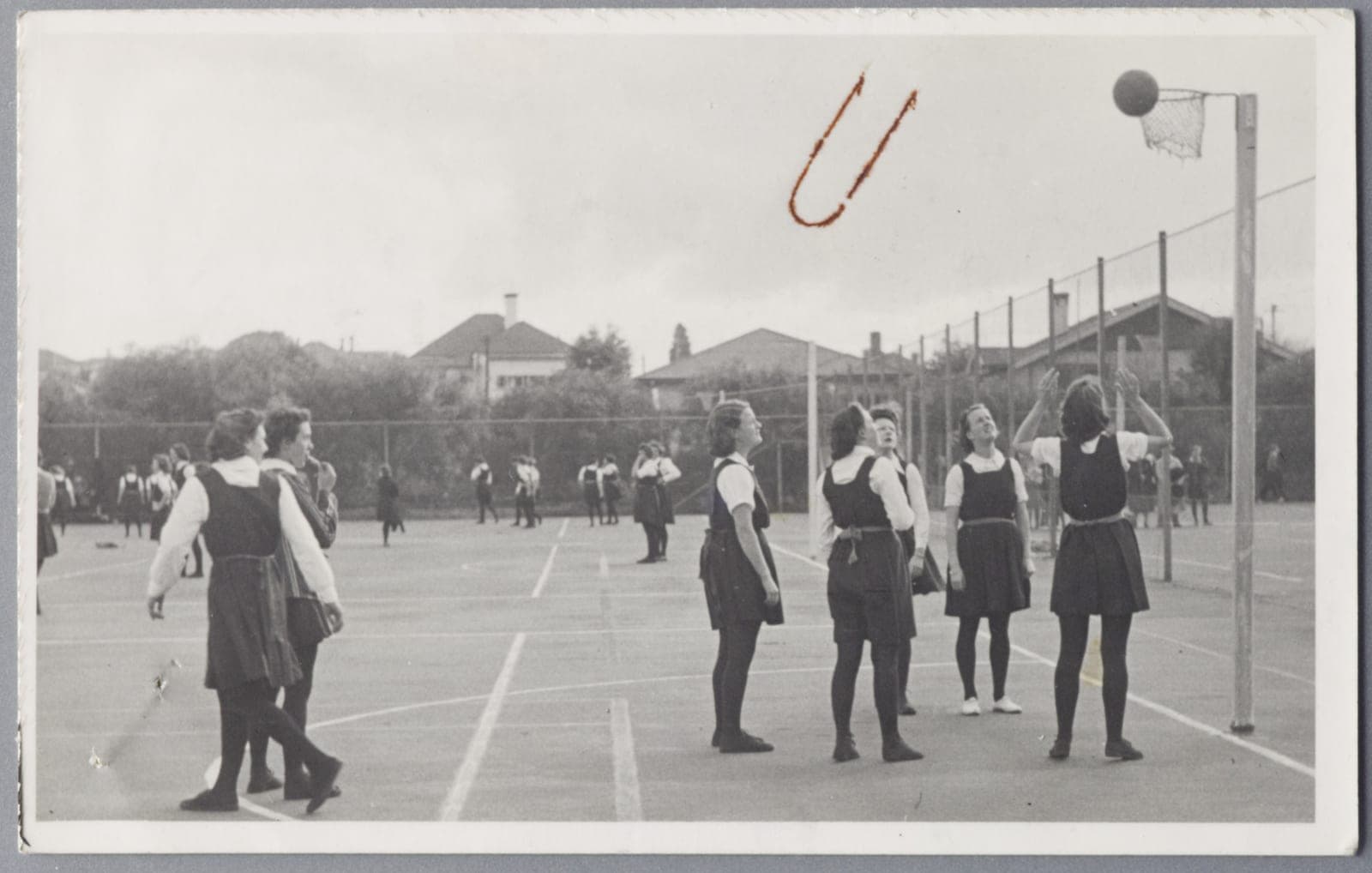
Netball
A non-contact, position-based team sport of quick passing and accurate shooting.
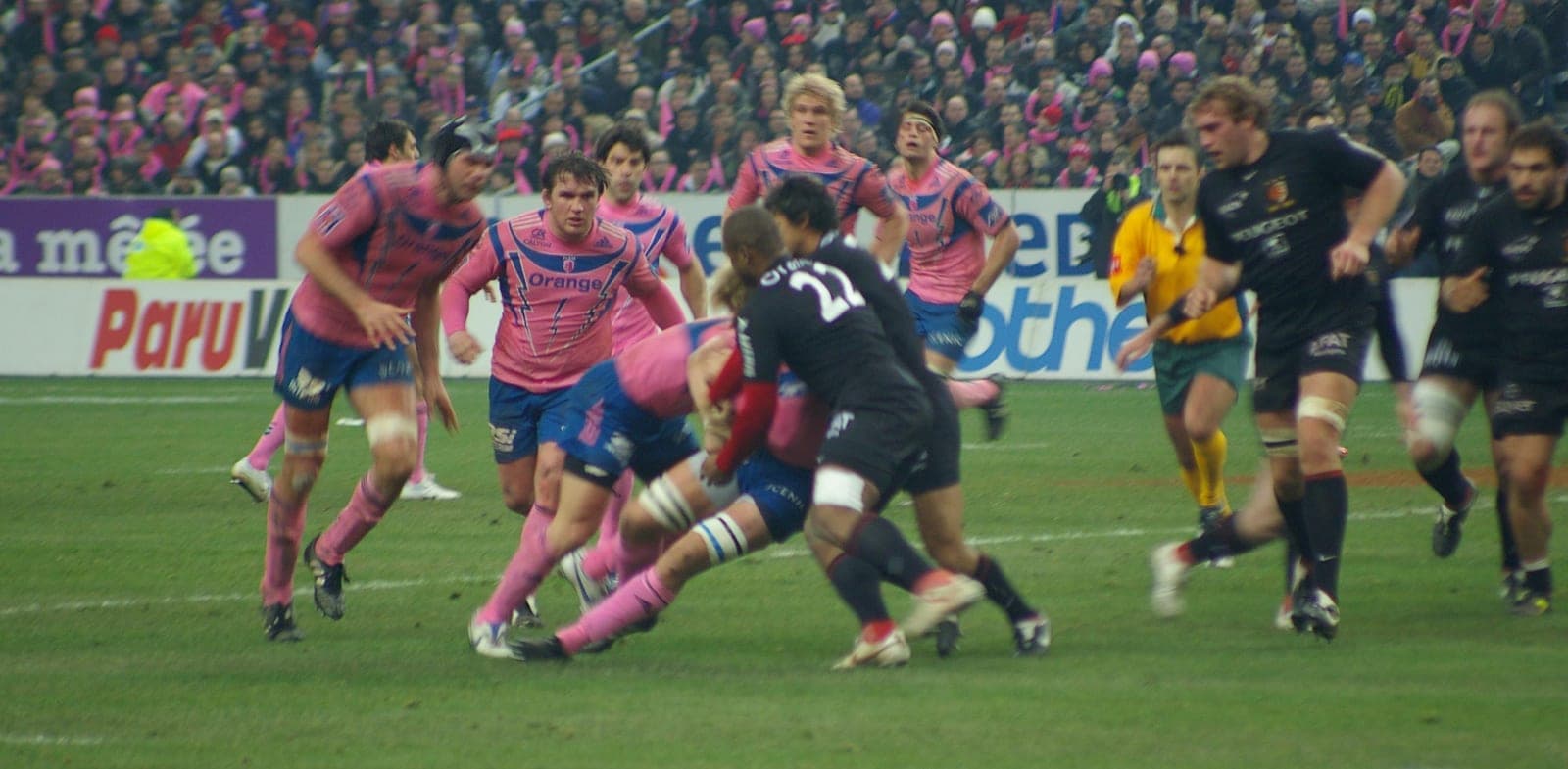
Rugby
A physical team sport of carrying, passing and kicking an oval ball toward the opposing line.
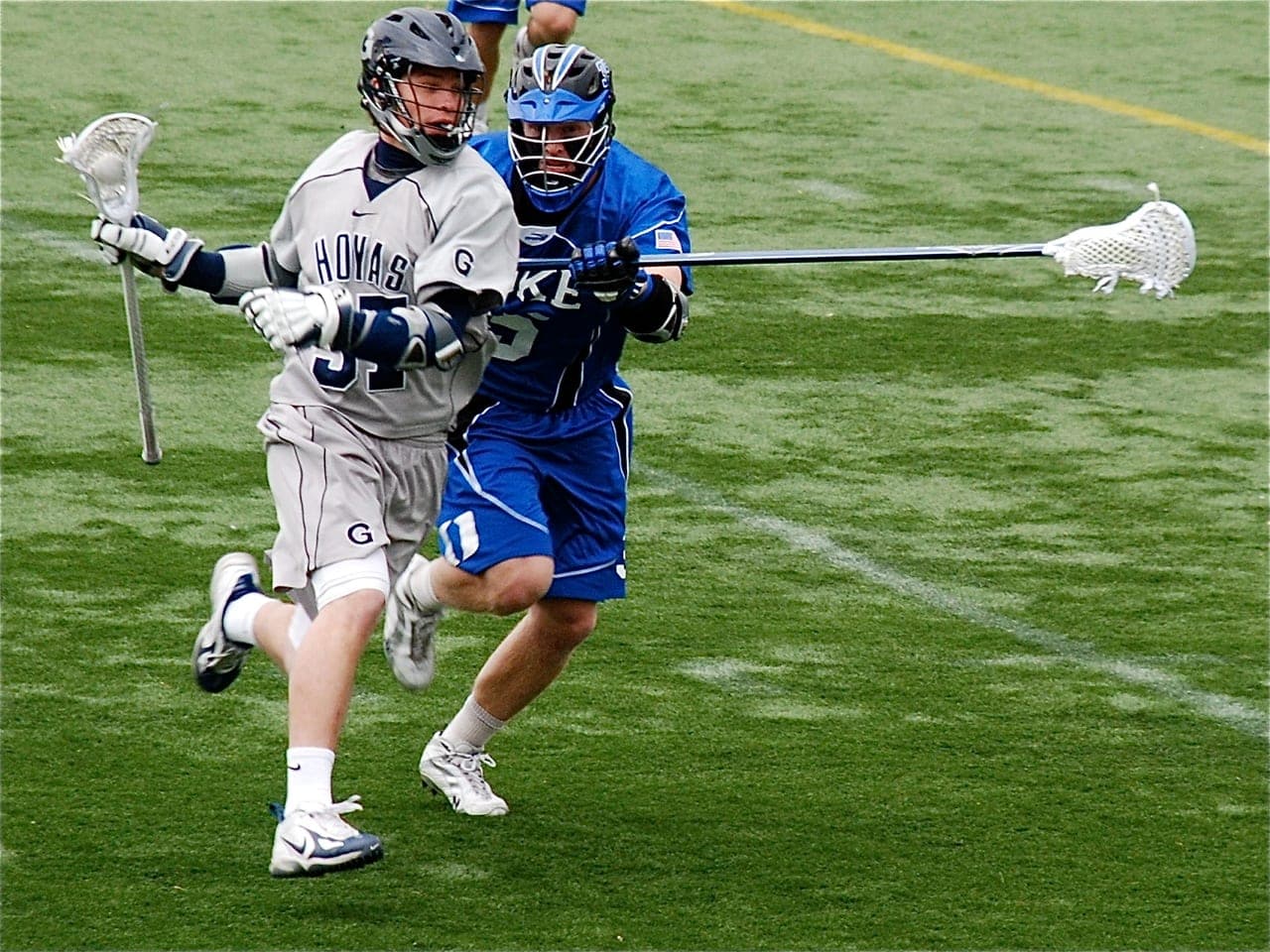
Lacrosse
A fast, stick-and-ball team sport of catching, cradling and shooting a small ball toward a goal.
Compare backpedal with…
Movements it is often confused with — see exactly how they differ.
How it connects
The meaning-bearing relationships that place Backpedal in the wider knowledge graph — each one with the reason it exists.
Builds on
Understanding these first makes this one make sense.
Commonly confused with
Close enough to be mixed up — the distinction is worth knowing.
Explore across the knowledge base
Follow the threads that connect Backpedal to the rest of SocialSportHub.
Movement comparisons
- Backpedal vs Crossover StepBackpedal vs Crossover Step: how these two movements differ, what they share, and how to tell them apart — from mechanics to the sports that use them.
- Backpedal vs GaitBackpedal vs Gait: how these two movements differ, what they share, and how to tell them apart — from mechanics to the sports that use them.
- Backpedal vs Shuffle (Lateral Shuffle)Backpedal vs Shuffle (Lateral Shuffle): how these two movements differ, what they share, and how to tell them apart — from mechanics to the sports that use them.
Skills
- Running formThe skill of running with efficient, relaxed and balanced movement, so that more of the effort you put in goes into travelling forward.
- FootworkThe skill of moving efficiently around the playing area to be in position for each shot or action.
- MarkingThe defensive skill of staying close to an opponent to limit their space and options.
- BalanceThe skill of keeping the body stable and controlled while still or moving.
- Core stabilityThe skill of engaging the trunk muscles to keep the body strong and controlled through movement.
Sports science
- BiomechanicsThe study of how the body produces and controls movement — the mechanics behind every technique in sport.
- Movement efficiencyHow economically the body performs a movement — achieving the goal with the least wasted effort.
- Motor controlHow the brain and nervous system organise the muscles to produce coordinated, controlled movement.
- ProprioceptionThe body’s internal sense of where its parts are and how they are moving — the awareness behind balance and coordinated movement.
- Reaction timeThe short delay between a signal and the start of the movement made in response to it.
Knowledge Atlas
Training methods
- PlyometricsPlyometrics are jumping and bounding drills that train muscles to produce force quickly, developing power and springiness through explosive movement.
- Interval TrainingInterval training alternates short bursts of harder effort with easier recovery periods, letting you accumulate more quality work than a single continuous push.
- Strength TrainingStrength training uses resistance — bodyweight, bands or weights — to challenge your muscles so they gradually adapt and get stronger over time.
Coaching concepts
- Repetition QualityThe attention and intent behind each repetition matter more than raw volume — focused, well-executed reps build skill faster than mindless numbers.
- Transfer of TrainingWhether practice carries over to real performance — and why game-like, varied practice tends to transfer better than isolated, repetitive drills.
- Decision-Making PracticeTraining athletes to read cues and choose the right action under pressure — coupling perception to action, not just rehearsing physical technique in isolation.
Go deeper with Backpedal
Everywhere else on the platform that covers Backpedal — assembled from what actually references it, so nothing here is a dead end.
Take it away
Open data and the whole-platform view of this subject.
How this page is maintained
- Content type
- Movement pattern
- Provenance
- Tier A — evergreen educational
- Verified external sources
- 0
- Content updated
- 2026-07-13
Evergreen, first-party explanation — it makes no claim that needs an external source. How we handle sources and reviews.