
Playing the percentages
Favouring the higher-probability, lower-risk option most of the time to cut out unforced errors, while recognising when a calculated risk is worth taking.
Overview
Playing the percentages is the strategic habit of weighing how often an option succeeds against how often it goes wrong, and leaning on the choices that come off more often than they fail. Instead of attempting the spectacular play on every ball, an athlete or team reaches for higher-margin options — a shot with room to spare, a simple pass, a safe position — so that mistakes are forced on the opponent rather than handed over cheaply. The goal is to keep unforced errors low and let points, territory or advantage build up through consistency rather than through one all-or-nothing attempt.
It is not the same as always playing safe. The principle also covers the other half of the decision: recognising the moments when the likely payoff justifies a lower-probability attempt — a short reply to punish, a gap that has opened up, or a scoreline that demands a gamble. Good percentage play is therefore situational, because the ‘right’ option shifts with the score, the conditions, the opponent and how much is at stake. As a broad game plan it sits above any single tactic, guiding which specific tactic, shot or pass an athlete should reach for in a given moment.
Key ideas
- Favour the option that succeeds more often than it fails — a shot with margin over the net, or a simple pass, usually beats a low-percentage attempt that only comes off occasionally.
- Cutting out unforced errors is often worth more than chasing winners: many points, holes and possessions are lost through mistakes rather than won through brilliance.
- The correct percentage shifts with the situation — a comfortable lead rewards caution, while being behind late in a contest can justify a calculated gamble.
- A calculated risk is best taken when the odds have tilted in your favour: a weak reply, an open gap or a clear high-reward opening is the cue to commit.
- Conditions and matchups change the maths — wind, a fast surface, fatigue or a stronger opponent all move where the safe, high-percentage line actually sits.
Where it’s used
Sports that use playing the percentages:
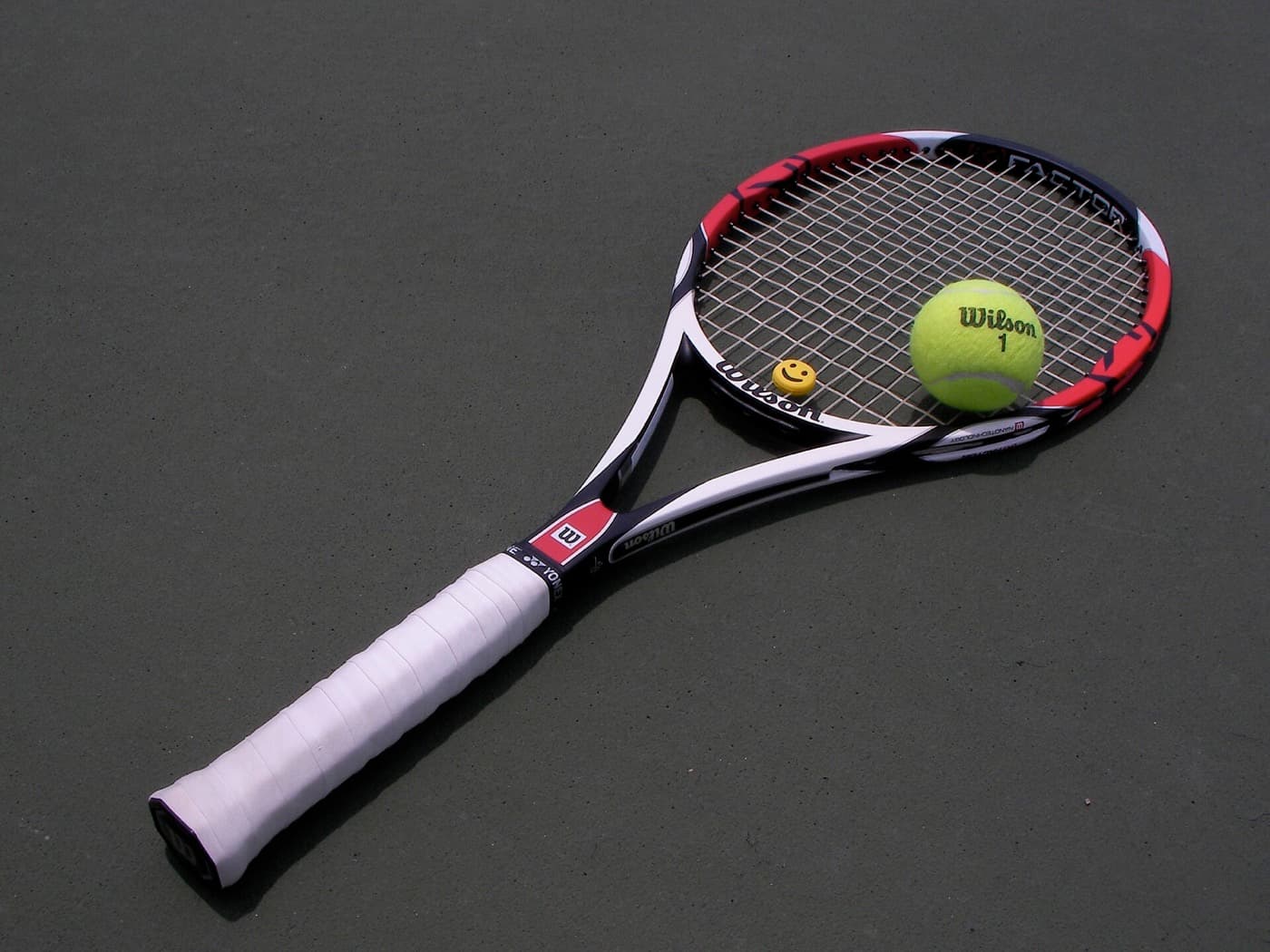
Tennis
A singles or doubles racquet sport that blends agility, strategy and stamina on court.
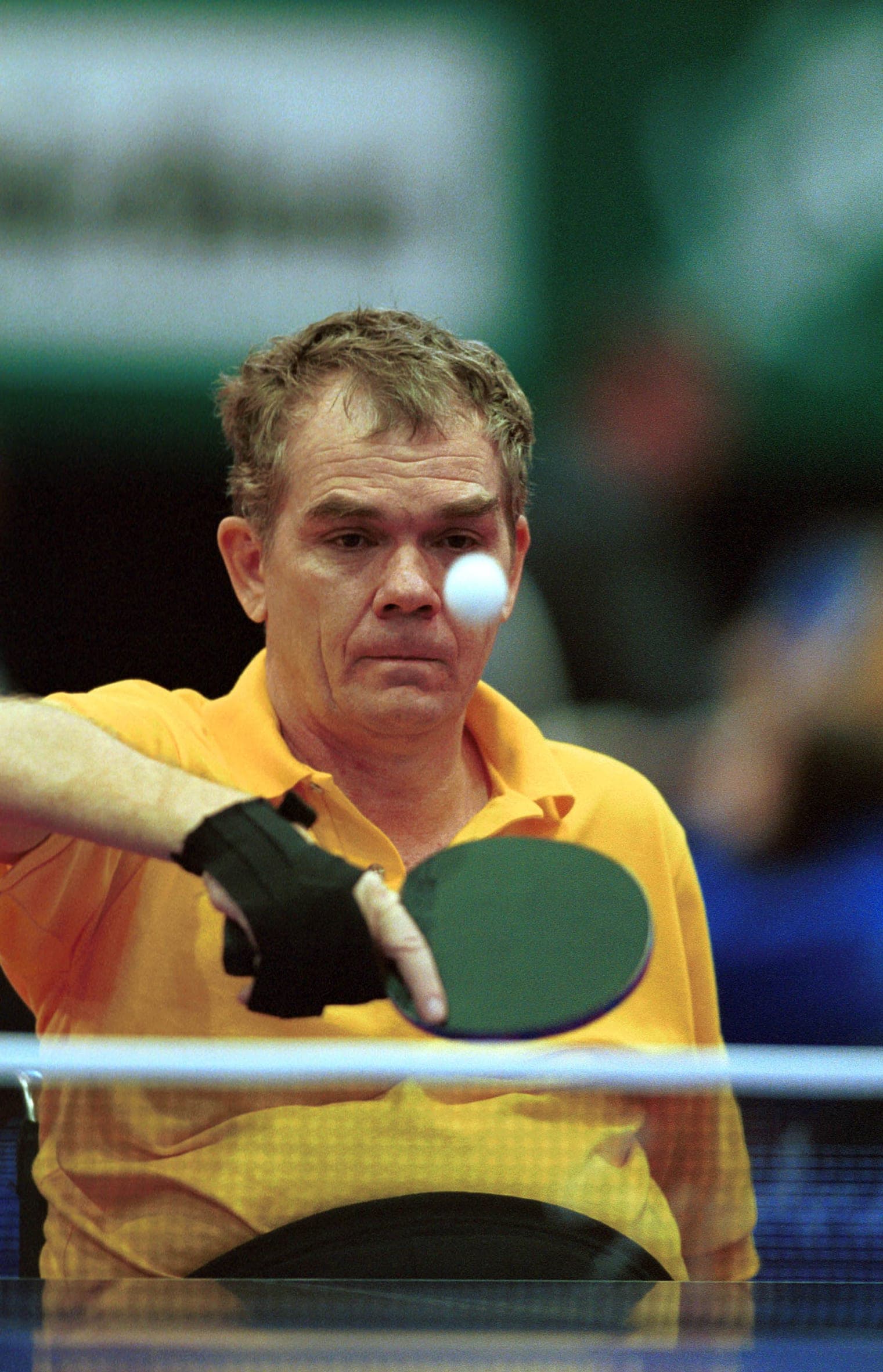
Table Tennis
A fast, low-impact indoor racquet sport that sharpens reflexes and is easy to start.
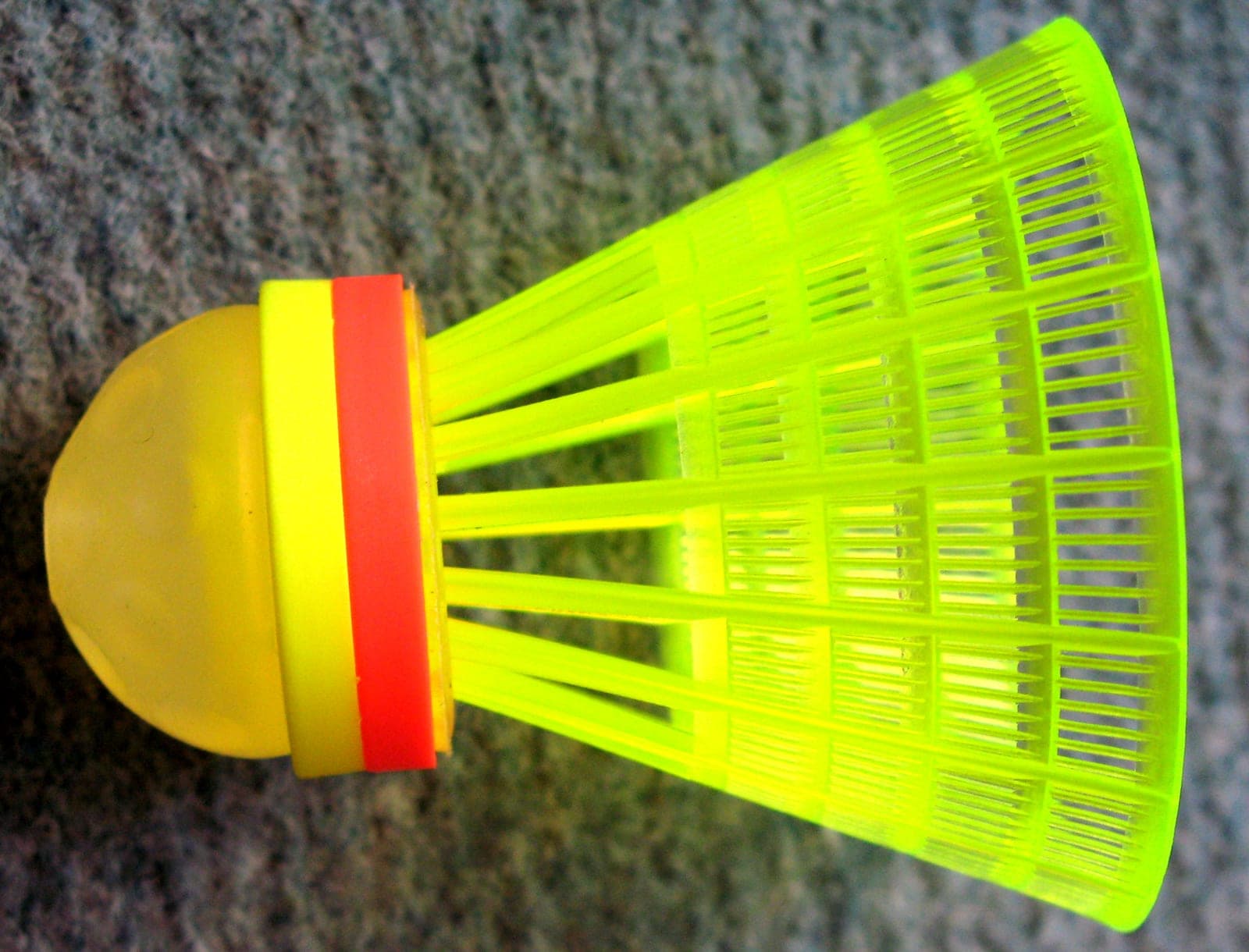
Badminton
A fast indoor racquet sport played with a shuttlecock that rewards agility and touch.
Squash
A fast, high-intensity indoor racquet sport played inside an enclosed court where the walls stay in play.
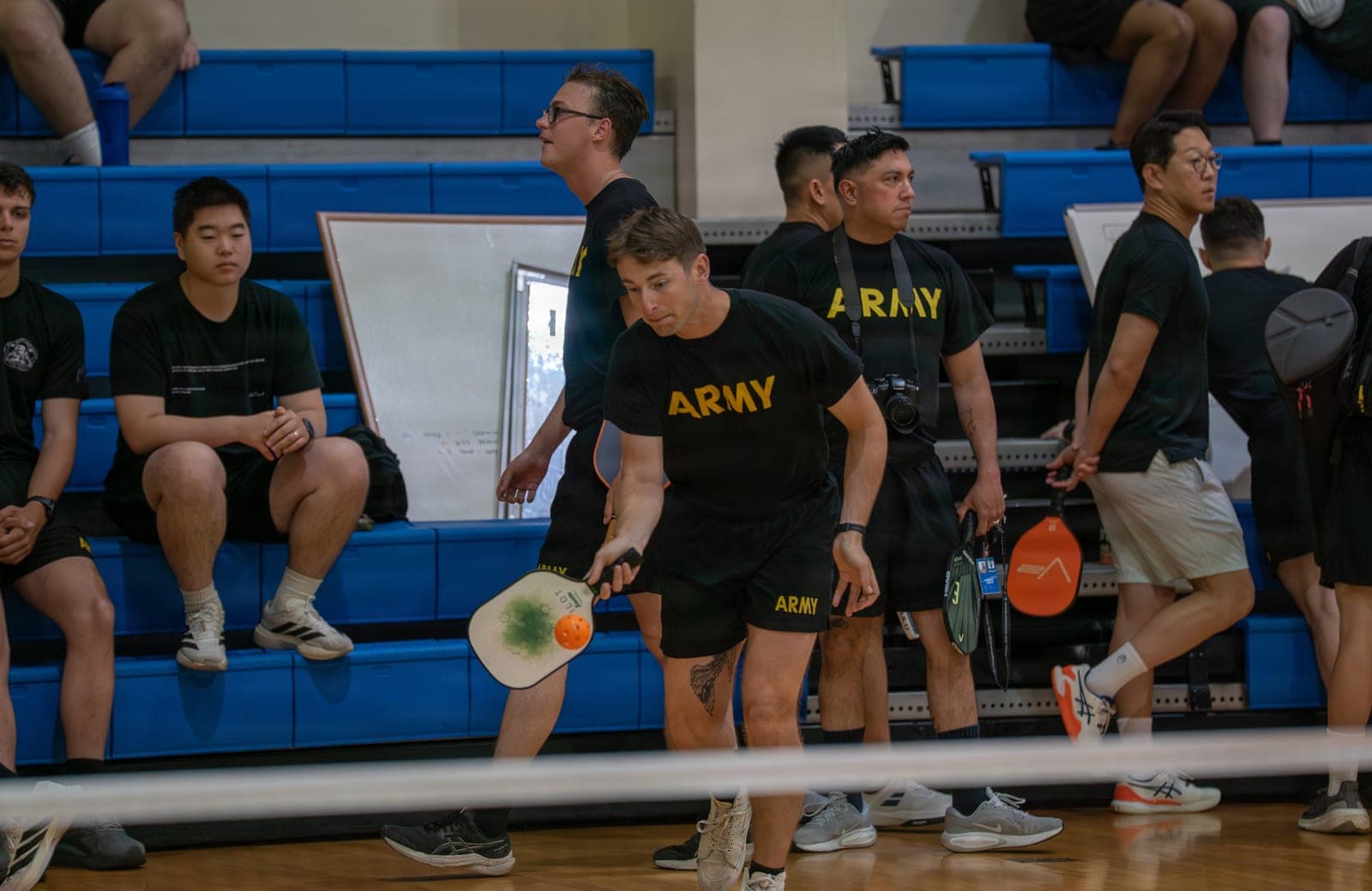
Pickleball
A friendly, easy-to-learn paddle sport played on a small court with a solid paddle and a light, perforated ball.
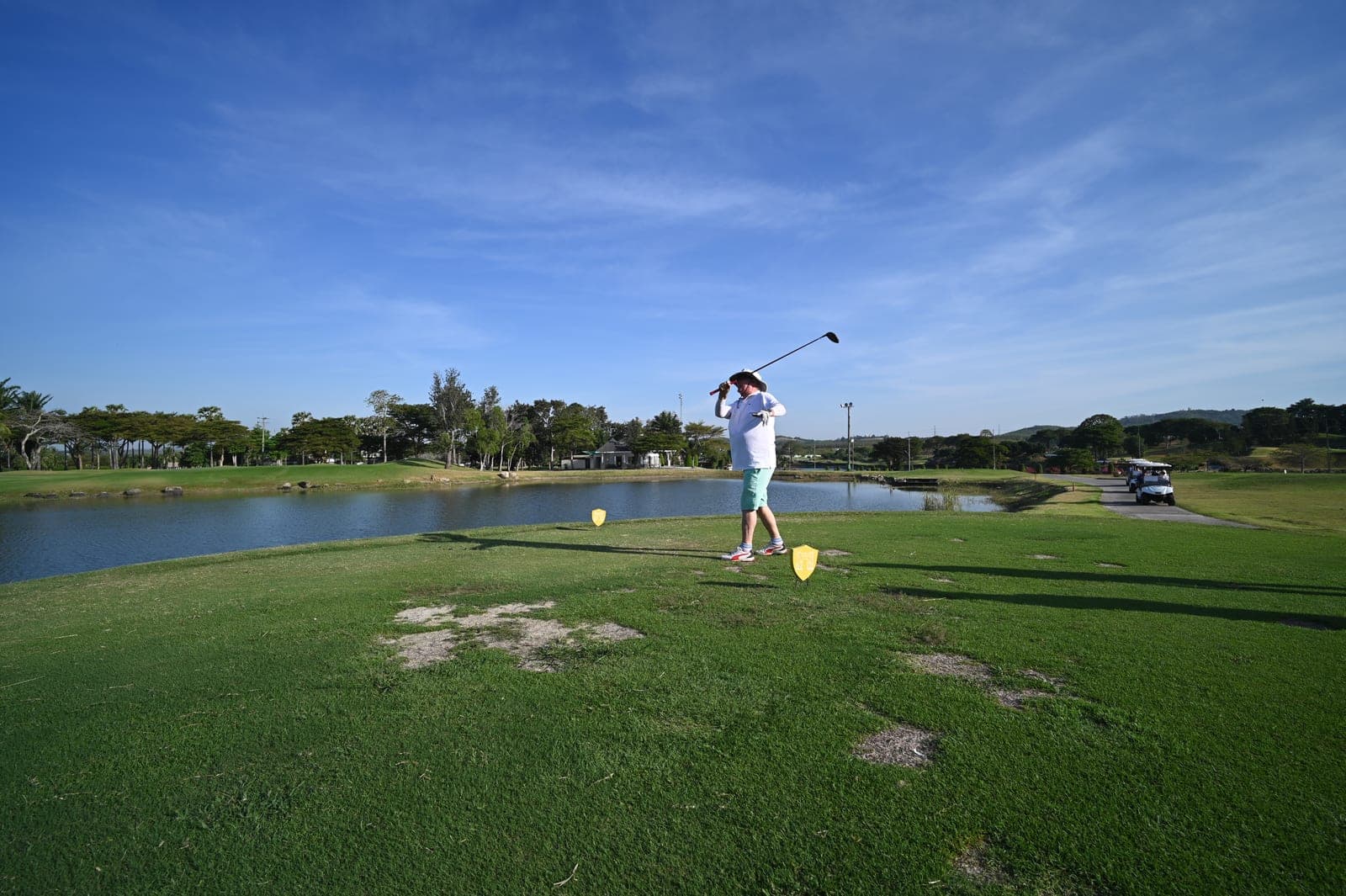
Golf
A precision target sport played across an outdoor course, blending skill, strategy and a long walk in the open air.
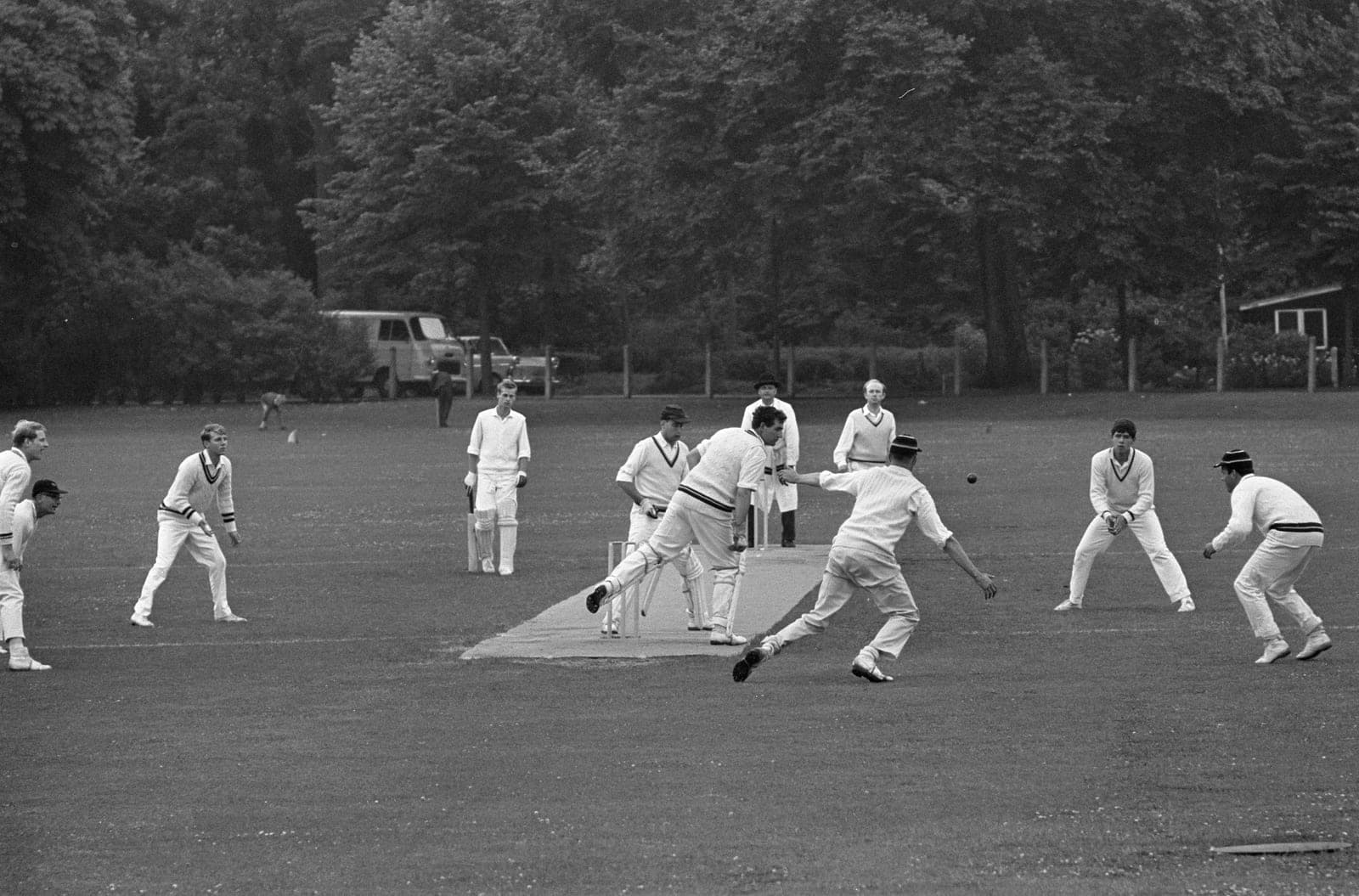
Cricket
A bat-and-ball team sport where sides take turns to bat and to bowl and field, scoring runs.
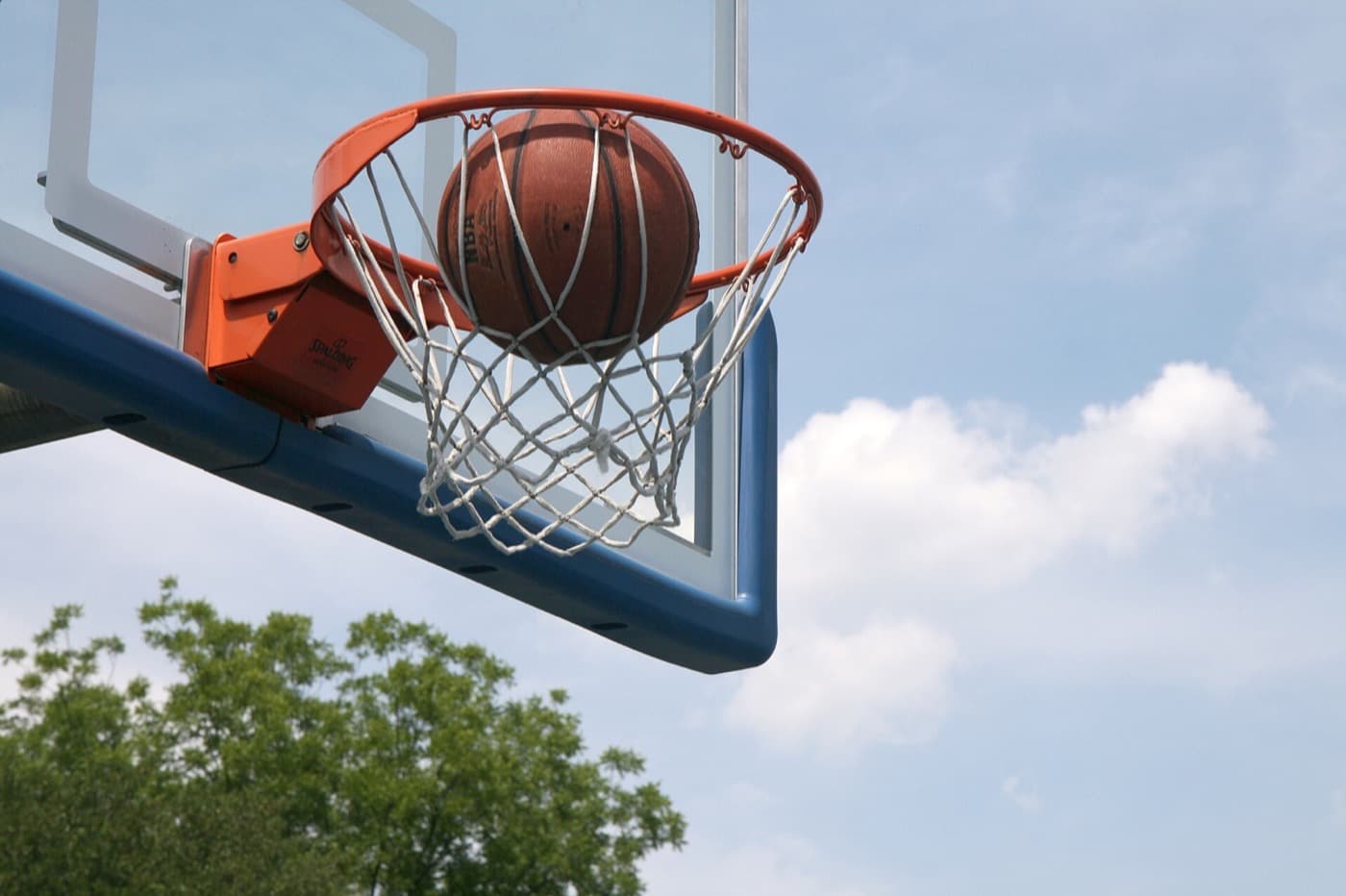
Basketball
A fast, dynamic team sport of running, jumping and quick decisions on court.

Football
The world’s most popular team sport — endless running, teamwork and community in one game.
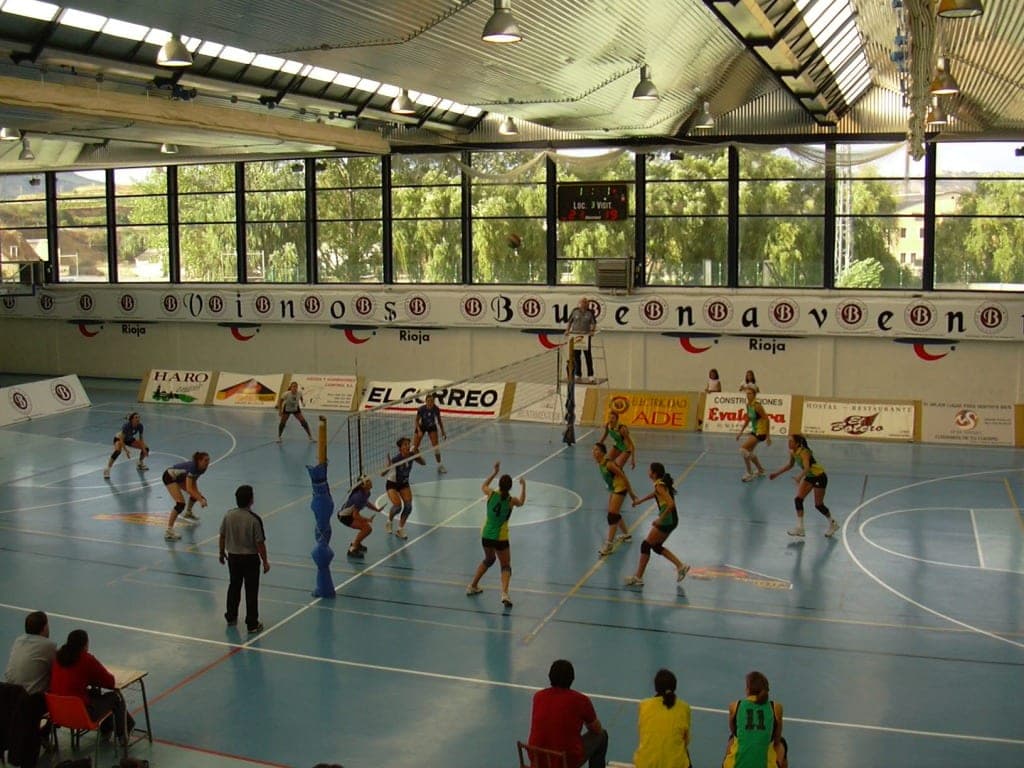
Volleyball
A non-contact team sport of rallies, jumps and teamwork — indoors or on the beach.
Related strategies
Attacking vs Defensive Balance
The overarching choice a team or athlete makes about how much to commit to creating scoring chances versus avoiding conceding, and when to shift it.
Pacing and Energy Management
Pacing and energy management is the overarching plan for distributing a limited supply of physical effort across an event so you avoid fading early and finish strong.
Controlling Tempo
Controlling tempo is the strategy of dictating the pace and rhythm of play — speeding up or slowing down — to suit your strengths and unsettle opponents.
How it connects
The meaning-bearing relationships that place Playing the percentages in the wider knowledge graph — each one with the reason it exists.
Frequently learned together
Taught side by side in the same stage of a learning path.
- Serve and third ballBoth are taught in the “Understand tactics & strategy” stage of the Table Tennis learning path.
- Placement and tempo in table tennisBoth are taught in the “Understand tactics & strategy” stage of the Table Tennis learning path.
- Doubles formationBoth are taught in the “Understand tactics & strategy” stage of the Badminton learning path.
- Net playBoth are taught in the “Understand tactics & strategy” stage of the Badminton learning path.
- Controlling TempoBoth are taught in the “Understand tactics & strategy” stage of the Badminton learning path.
Explore across the knowledge base
Follow the threads that connect Playing the percentages to the rest of SocialSportHub.
Tactics
- Serve and third ballTable tennis's most-rehearsed tactical pattern — using a serve to force a predictable return so the third ball of the rally can be attacked from a known position.
- Placement and tempo in table tennisWhy where and when you hit the ball beats how hard — the playing elbow, the wide angles, and how taking the ball earlier removes an opponent's time without adding any power.
- Doubles formationHow a pair positions itself on court — one up, one back, or both at the net — to control space in doubles.
- Net playControlling the point from close to the net with volleys, smashes and touch shots to cut down an opponent’s time.
- Court coverage and rotationVolleyball positioning where players rotate through positions and cover the court as one coordinated unit.
Skills
Learning paths
- Learn TennisA structured, educational learning path for tennis — from the rules to skills, techniques, tactics and training.
- Learn Table TennisA structured, educational learning path for table tennis — from the rules to skills, techniques, tactics and training.
- Learn BadmintonA structured, educational learning path for badminton — from the rules to skills, techniques, tactics and training.
- Learn FootballA structured, educational learning path for football — from the rules to skills, techniques, tactics and training.
- Learn BasketballA structured, educational learning path for basketball — from the rules to skills, techniques, tactics and training.
Decision making
- Risk assessmentWeighing what an action could gain against how likely it is to fail and what failure would cost — the judgement behind choosing a safe or an ambitious option.
- When to attackRecognising the moment to commit to an attacking action — spotting an opening and judging whether it is the right time to take it.
- Option recognitionSeeing what actions are actually available in a moment — the passes, shots or moves on offer — before choosing between them.
Go deeper with Playing the percentages
Everywhere else on the platform that covers Playing the percentages — assembled from what actually references it, so nothing here is a dead end.
Learn it
Structured courses and paths on the platform that cover this directly.
- Table Tennis courseTeaches Playing the percentages in its “Understand tactics & strategy” stage.
- Badminton courseTeaches Playing the percentages in its “Understand tactics & strategy” stage.
- Volleyball courseTeaches Playing the percentages in its “Understand tactics & strategy” stage.
- Pickleball courseTeaches Playing the percentages in its “Understand tactics & strategy” stage.
- Golf courseTeaches Playing the percentages in its “Understand tactics & strategy” stage.
How this page is maintained
- Content type
- Strategy
- Provenance
- Tier A — evergreen educational
- Verified external sources
- 0
- Content updated
- 2026-09-12
Evergreen, first-party explanation — it makes no claim that needs an external source. How we handle sources and reviews.