
Overview
The shuffle is lateral locomotion performed from a low, athletic base: the hips and knees stay flexed, the feet remain roughly shoulder-width or wider apart, and the trunk stays upright with the centre of gravity dropped and centred over the base of support. Movement is generated almost entirely in the frontal plane, as the trailing leg pushes the body sideways through hip abduction and forceful ankle plantarflexion while the lead leg reaches out and re-establishes a wide stance, so the athlete travels sideways without the feet ever crossing. Because the base never narrows, the muscles that resist collapse toward the midline, chiefly the gluteals, adductors and lateral trunk, work continuously to keep the pelvis level and the knees tracking over the feet, and each ground contact is kept short so the athlete can reverse direction off either step. Vision and the shoulders stay square to a target, which lets the movement double as a ready position: the shuffle is as much a way of staying balanced and reactive as it is a way of covering distance.
How the shuffle is expressed changes a great deal with the demands of each sport. A basketball defender uses long, low slides to mirror a ball-handler and contain penetration, prizing containment and a wide base over top speed; a tennis or badminton player uses quicker, shorter shuffles to recover toward the middle of the court between shots and to make small adjustments before striking; a volleyball defender shuffles to stay square to the ball while keeping the hands ready. In combat sports and fencing the same side-to-side stepping is compressed into small, springy adjustments that manage distance without committing the weight, whereas field and court invasion sports may use broader, more powerful slides over larger areas. The shared mechanics of a low base, no crossing of the feet, and push-off from the trailing leg stay recognisable, but stride length, depth of stance, tempo, and how far the athlete travels all shift with the space available, the opponent, and whether the priority is repositioning, mirroring, or simply holding a balanced ready stance.
What defines it
- A wide, low athletic base is held throughout, with hips and knees flexed and the centre of gravity dropped over the feet, so stability and readiness are preserved rather than traded away for speed.
- Travel happens in the frontal plane and is driven by the trailing leg, whose hip abduction and ankle plantarflexion push the body sideways while the lead leg reaches to re-widen the stance.
- The feet never cross: the base narrows and re-widens but the legs stay uncrossed, which is the defining feature separating a shuffle from a crossover step.
- Ground contacts are kept short and repeatable so direction can be reversed off either leg, making the shuffle a reactive pattern rather than a purely locomotive one.
- The shoulders and vision stay square to a target, letting the shuffle serve at once as movement and as a balanced ready stance.
How it differs from nearby movements
Movements that look similar but are not the same thing.
- Not the same as crossover-step
- In a shuffle the feet never cross and the hips stay square; a crossover deliberately carries one leg across the midline with hip rotation. The shuffle keeps a stable base, the crossover trades that stability for reach and speed.
- Not the same as lunge
- A shuffle is repeated, travelling lateral locomotion that stays square and shallow; a lunge is a single step-and-descend into a split stance, usually to load or decelerate rather than to relocate side to side.
- Not the same as backpedal
- A shuffle moves side to side in the frontal plane, whereas a backpedal moves front-to-back in the sagittal plane while facing forward. Both stay low and square but travel in different directions.
A note on this information
Exercises that train the shuffle (lateral shuffle)
Movements built on this pattern — educational examples, not a prescription.
Goblet squat
A squat variation where you hold a single weight close to your chest for balance and control.
Wall sit
A holding exercise where you sit against a wall with no chair, holding a squat position still.
Side plank
A core hold on one forearm and the side of the foot that targets the muscles along your side.
Calf raise
A movement where you press up onto the balls of your feet to work the calves.
Jumping jack
A rhythmic cardio move where you jump the feet out and swing the arms overhead, then back in.
Sports skills that express it
The learnable skills of a sport that this movement underlies.
Footwork
The skill of moving efficiently around the playing area to be in position for each shot or action.
Marking
The defensive skill of staying close to an opponent to limit their space and options.
Balance
The skill of keeping the body stable and controlled while still or moving.
Core stability
The skill of engaging the trunk muscles to keep the body strong and controlled through movement.
Digging
The volleyball skill of controlling a hard-driven ball low to keep it in play.
The science and how it’s learned
The concepts that explain this movement and help in learning it.
Sports that rely on it
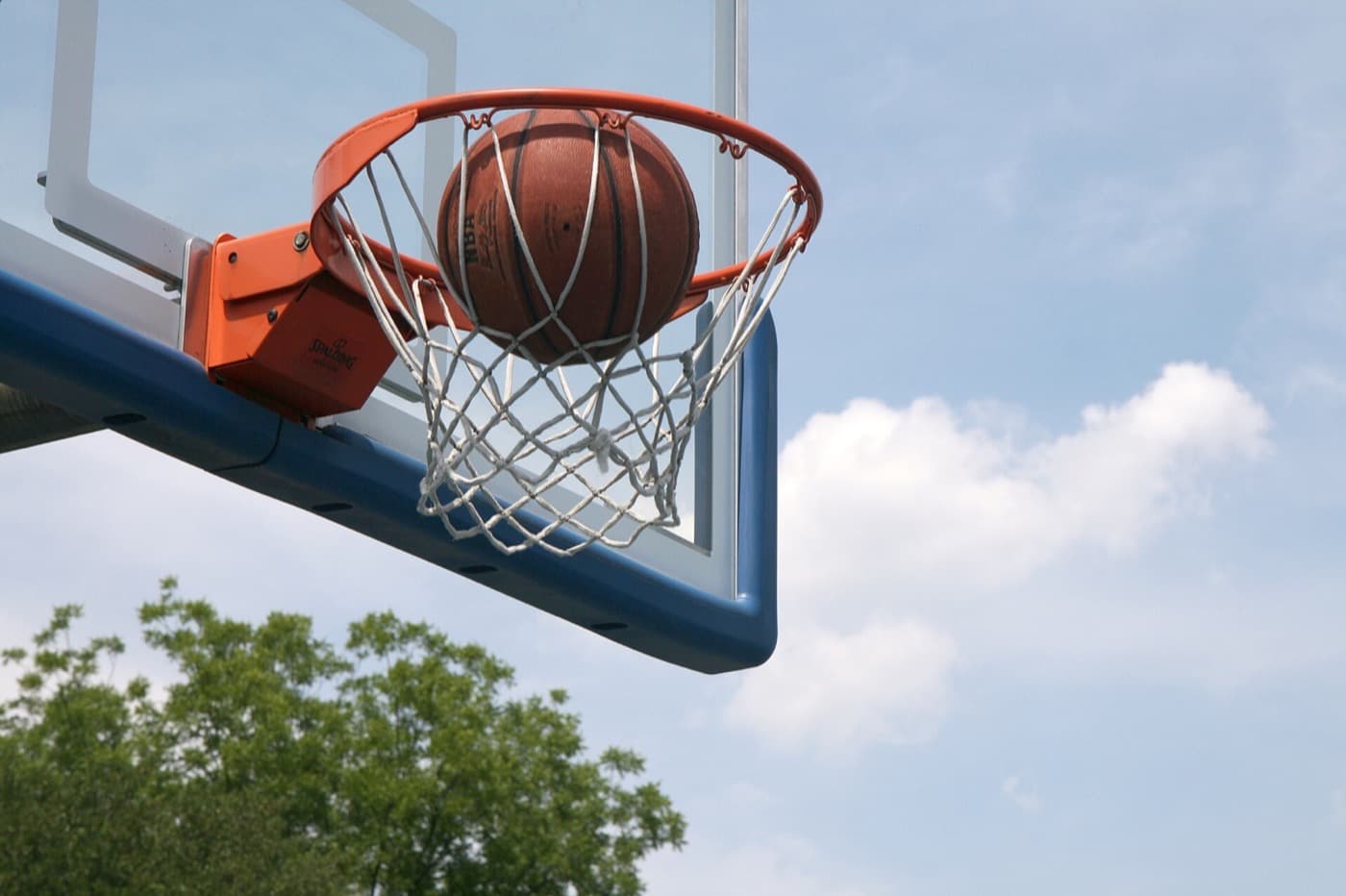
Basketball
A fast, dynamic team sport of running, jumping and quick decisions on court.
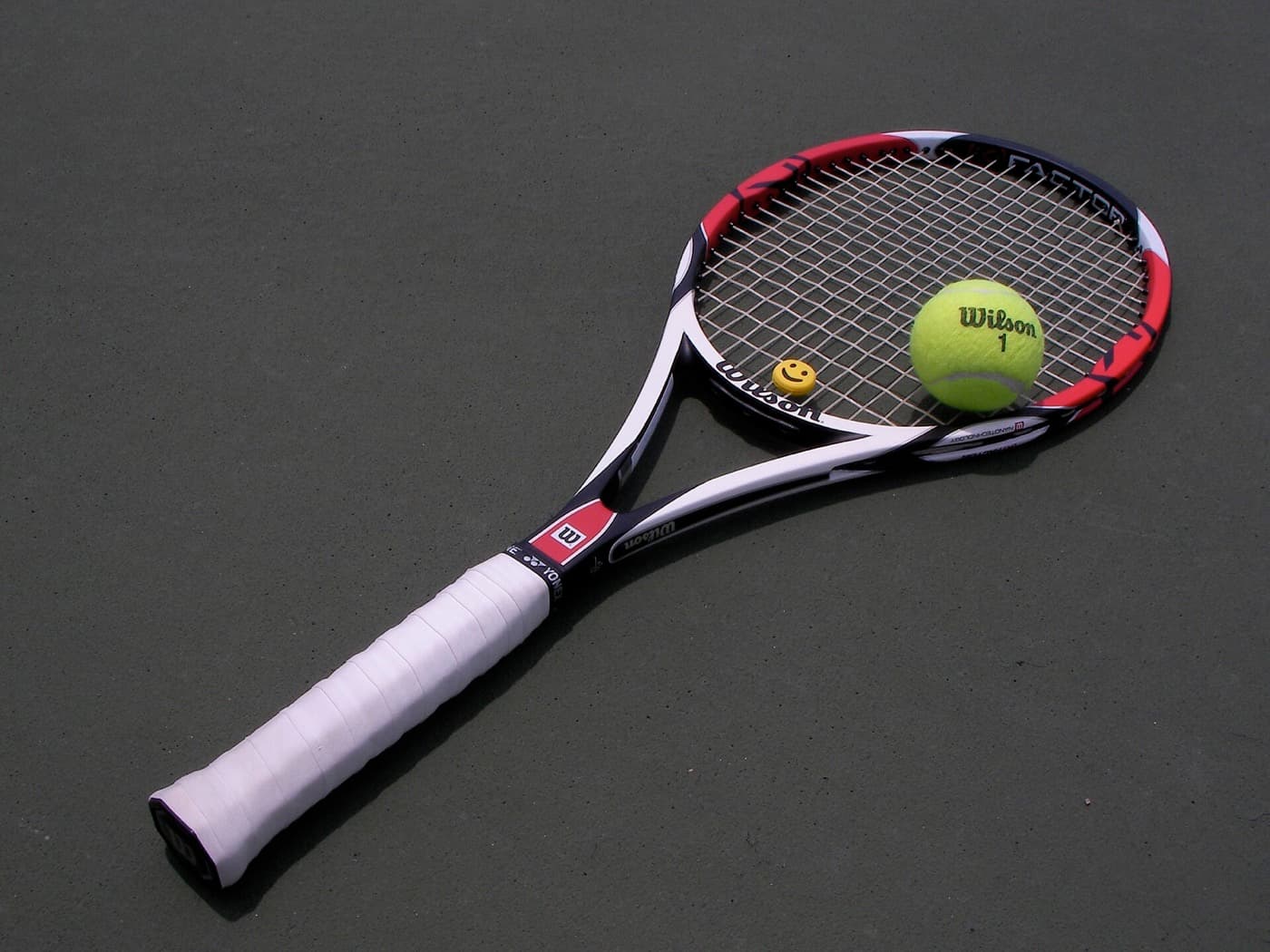
Tennis
A singles or doubles racquet sport that blends agility, strategy and stamina on court.
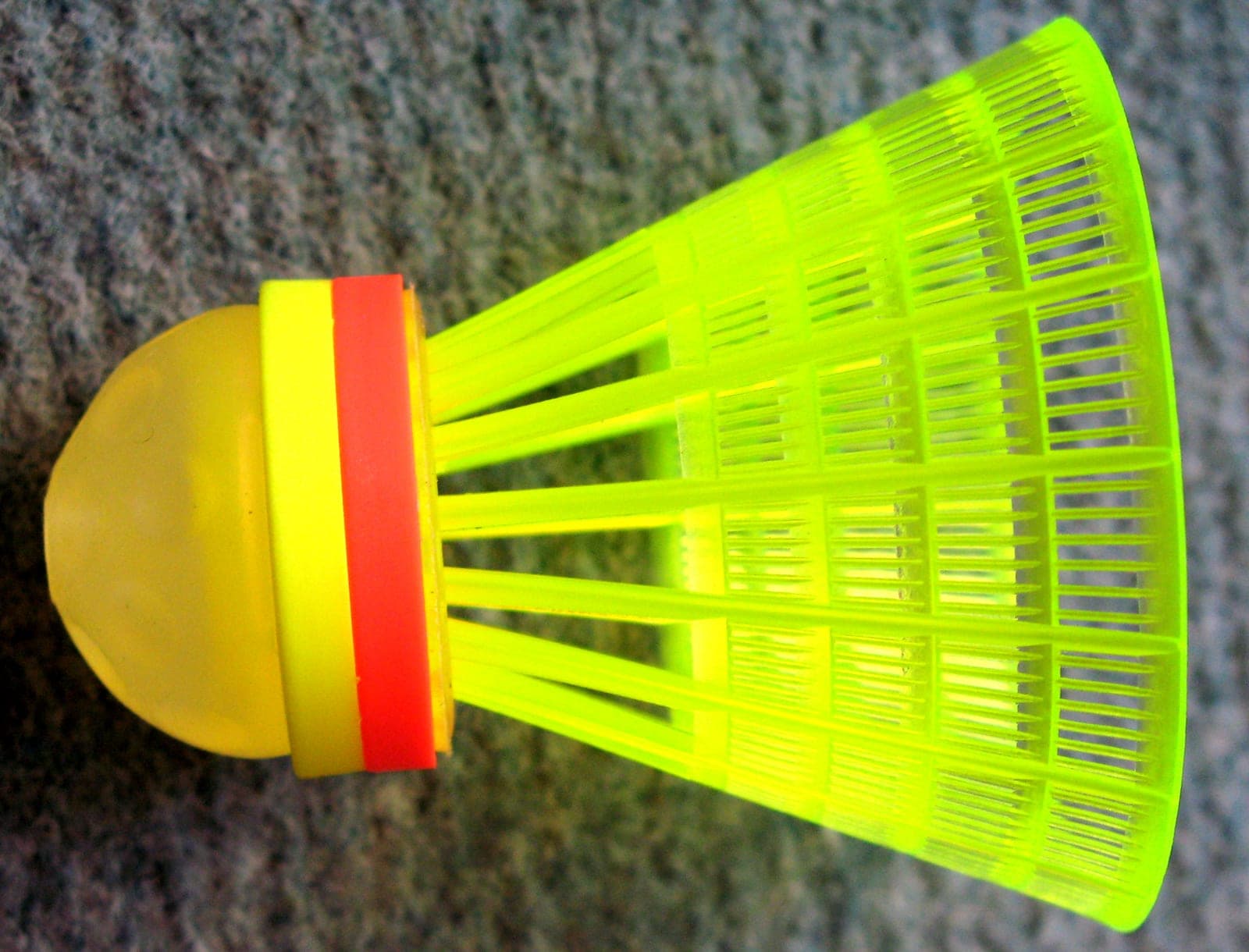
Badminton
A fast indoor racquet sport played with a shuttlecock that rewards agility and touch.
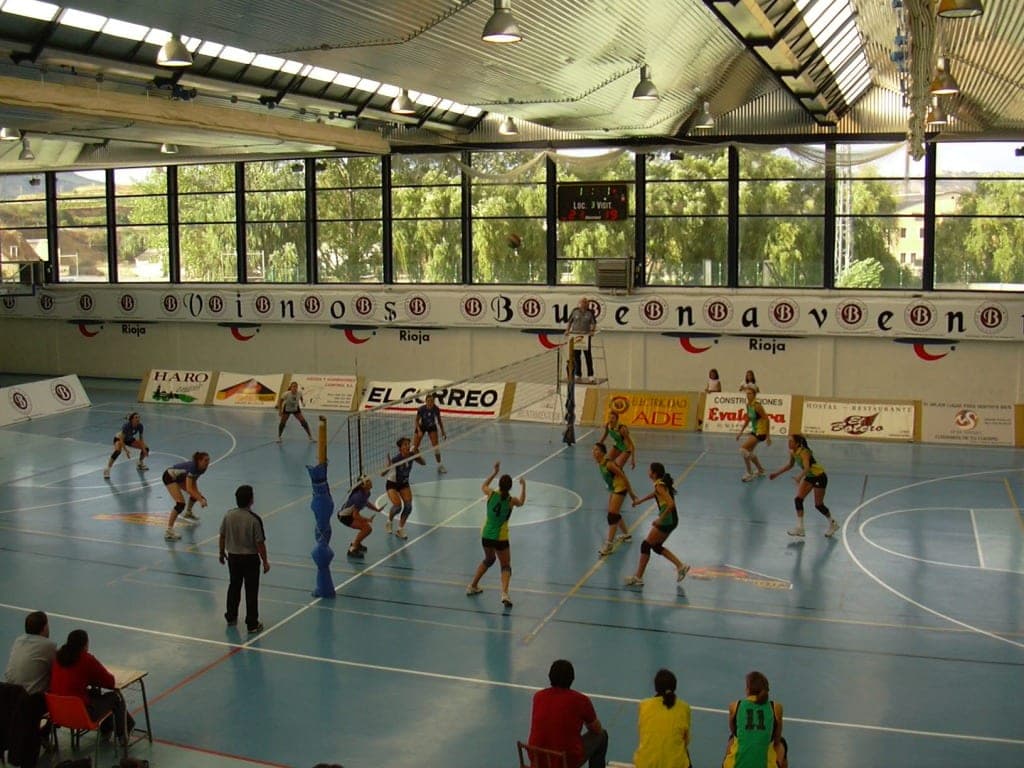
Volleyball
A non-contact team sport of rallies, jumps and teamwork — indoors or on the beach.
Squash
A fast, high-intensity indoor racquet sport played inside an enclosed court where the walls stay in play.
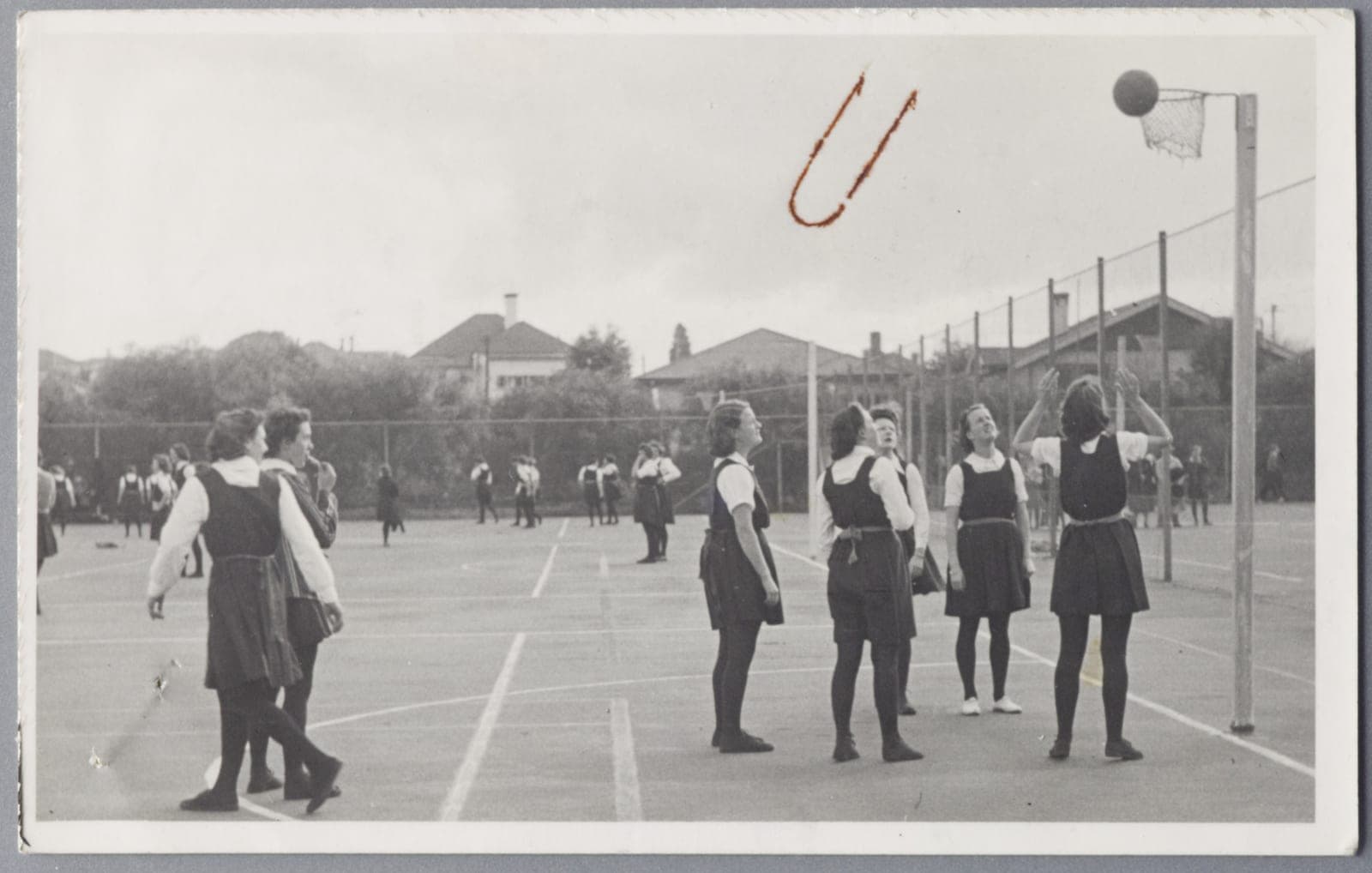
Netball
A non-contact, position-based team sport of quick passing and accurate shooting.
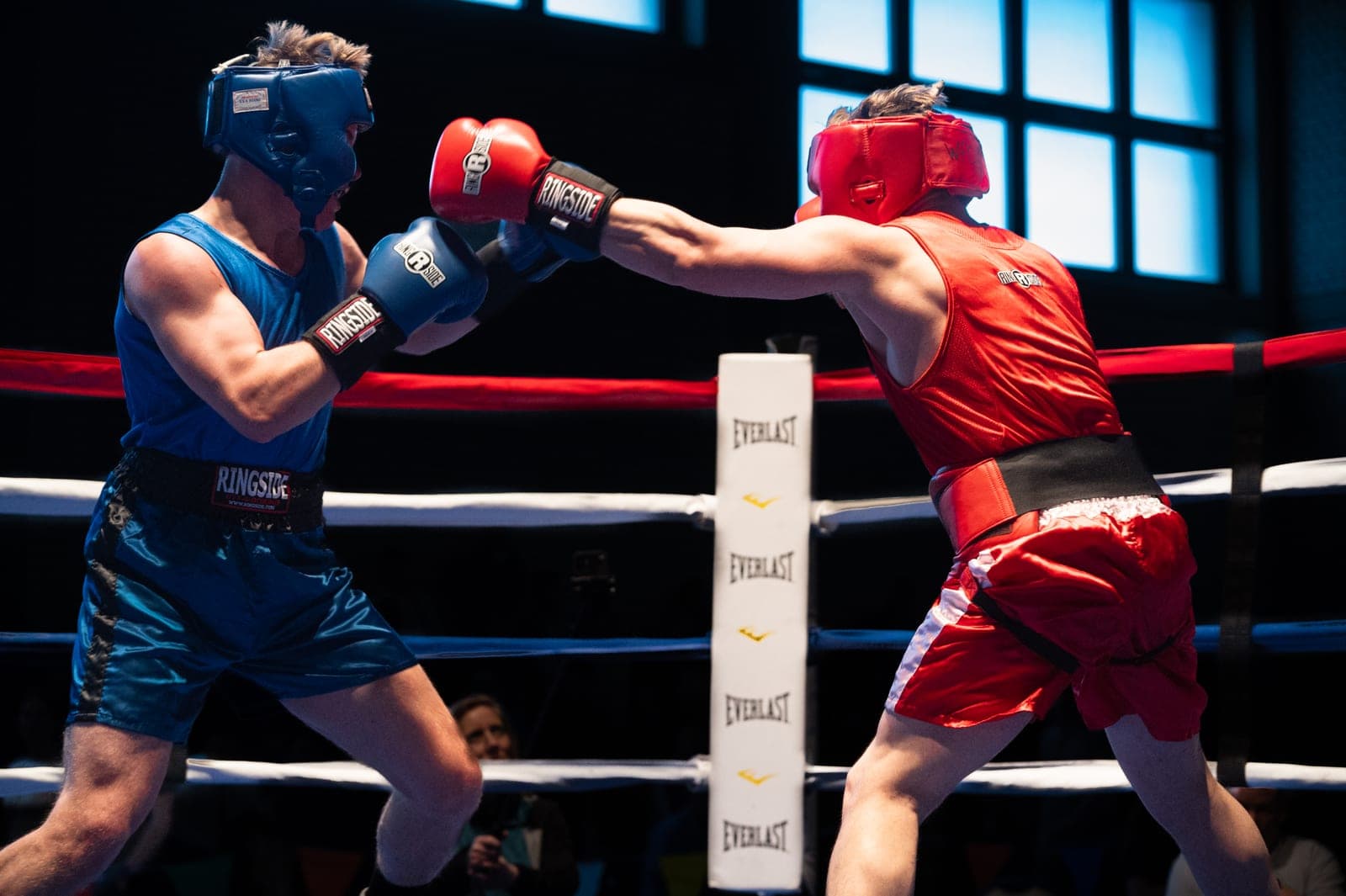
Boxing
A striking combat sport built on footwork, timing and conditioning, practised from fitness drills to controlled sparring.
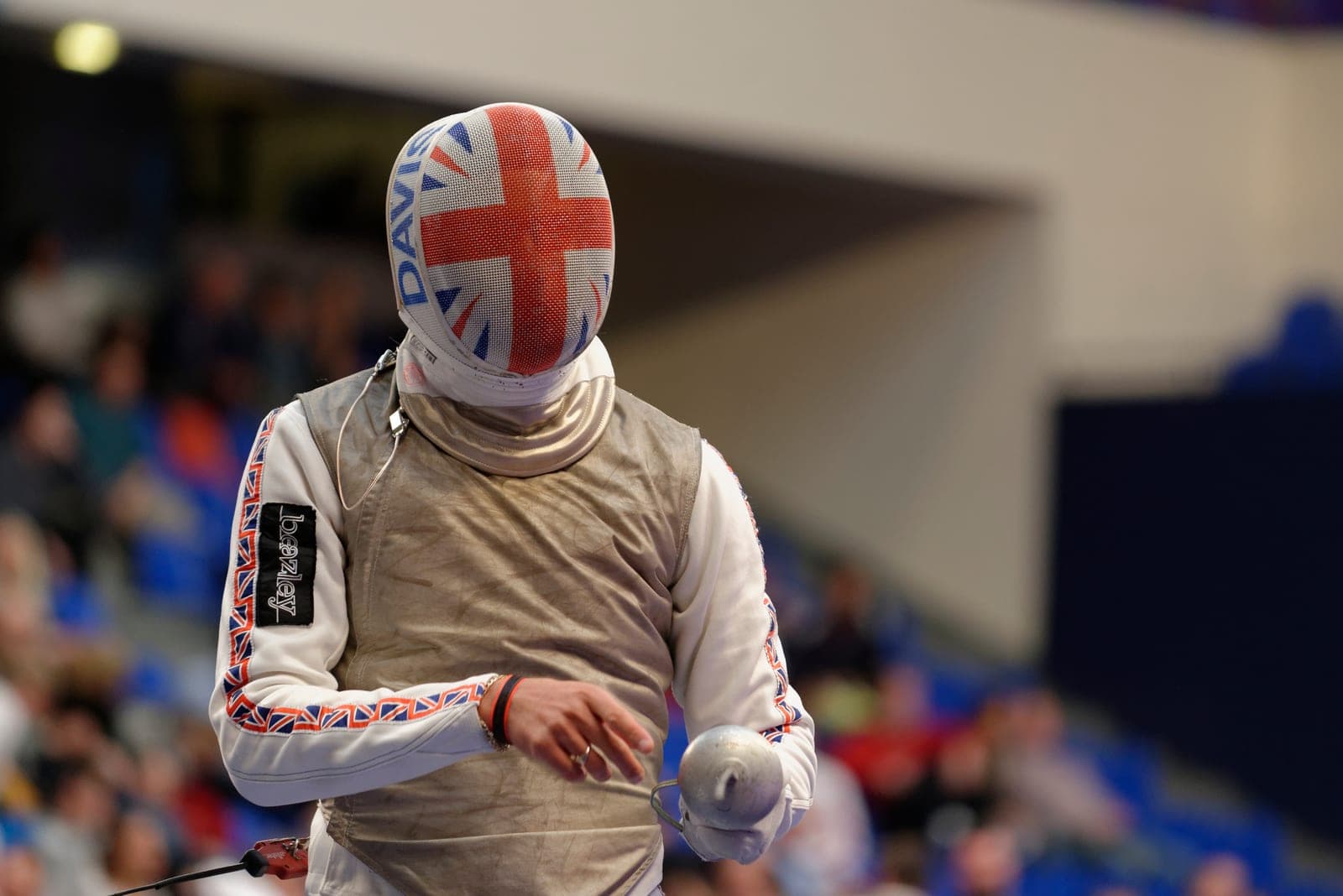
Fencing
A fast, tactical combat sport of controlled blade play that blends quick footwork with split-second decisions.
Compare shuffle (lateral shuffle) with…
Movements it is often confused with — see exactly how they differ.
How it connects
The meaning-bearing relationships that place Shuffle (Lateral Shuffle) in the wider knowledge graph — each one with the reason it exists.
Builds on
Understanding these first makes this one make sense.
Commonly confused with
Close enough to be mixed up — the distinction is worth knowing.
Explore across the knowledge base
Follow the threads that connect Shuffle (Lateral Shuffle) to the rest of SocialSportHub.
Movement comparisons
- Backpedal vs Shuffle (Lateral Shuffle)Backpedal vs Shuffle (Lateral Shuffle): how these two movements differ, what they share, and how to tell them apart — from mechanics to the sports that use them.
- Crossover Step vs Shuffle (Lateral Shuffle)Crossover Step vs Shuffle (Lateral Shuffle): how these two movements differ, what they share, and how to tell them apart — from mechanics to the sports that use them.
- Lunge vs Shuffle (Lateral Shuffle)Lunge vs Shuffle (Lateral Shuffle): how these two movements differ, what they share, and how to tell them apart — from mechanics to the sports that use them.
- Lunge vs ReachLunge vs Reach: how these two movements differ, what they share, and how to tell them apart — from mechanics to the sports that use them.
Skills
- FootworkThe skill of moving efficiently around the playing area to be in position for each shot or action.
- MarkingThe defensive skill of staying close to an opponent to limit their space and options.
- BalanceThe skill of keeping the body stable and controlled while still or moving.
- Core stabilityThe skill of engaging the trunk muscles to keep the body strong and controlled through movement.
- DiggingThe volleyball skill of controlling a hard-driven ball low to keep it in play.
Sports science
- BiomechanicsThe study of how the body produces and controls movement — the mechanics behind every technique in sport.
- The kinetic chainThe idea that the body’s segments work as a linked chain, passing force from the ground up through the hips, trunk and limbs.
- Movement efficiencyHow economically the body performs a movement — achieving the goal with the least wasted effort.
- ProprioceptionThe body’s internal sense of where its parts are and how they are moving — the awareness behind balance and coordinated movement.
- Force and powerThe difference between how much force the body can produce and how quickly it can produce it — the mechanics behind strength and explosiveness.
Training methods
- PlyometricsPlyometrics are jumping and bounding drills that train muscles to produce force quickly, developing power and springiness through explosive movement.
- Interval TrainingInterval training alternates short bursts of harder effort with easier recovery periods, letting you accumulate more quality work than a single continuous push.
- Strength TrainingStrength training uses resistance — bodyweight, bands or weights — to challenge your muscles so they gradually adapt and get stronger over time.
Coaching concepts
- Repetition QualityThe attention and intent behind each repetition matter more than raw volume — focused, well-executed reps build skill faster than mindless numbers.
- Transfer of TrainingWhether practice carries over to real performance — and why game-like, varied practice tends to transfer better than isolated, repetitive drills.
- Practice VariabilityVarying practice conditions — spacing, interleaving skills and changing situations — to build adaptable, durable skill, even when it feels harder day to day.
- Decision-Making PracticeTraining athletes to read cues and choose the right action under pressure — coupling perception to action, not just rehearsing physical technique in isolation.
Go deeper with Shuffle (Lateral Shuffle)
Everywhere else on the platform that covers Shuffle (Lateral Shuffle) — assembled from what actually references it, so nothing here is a dead end.
Take it away
Open data and the whole-platform view of this subject.
How this page is maintained
- Content type
- Movement pattern
- Provenance
- Tier A — evergreen educational
- Verified external sources
- 0
- Content updated
- 2026-07-13
Evergreen, first-party explanation — it makes no claim that needs an external source. How we handle sources and reviews.