
Aerobics
Rhythmic movement that gets your heart going

Overview
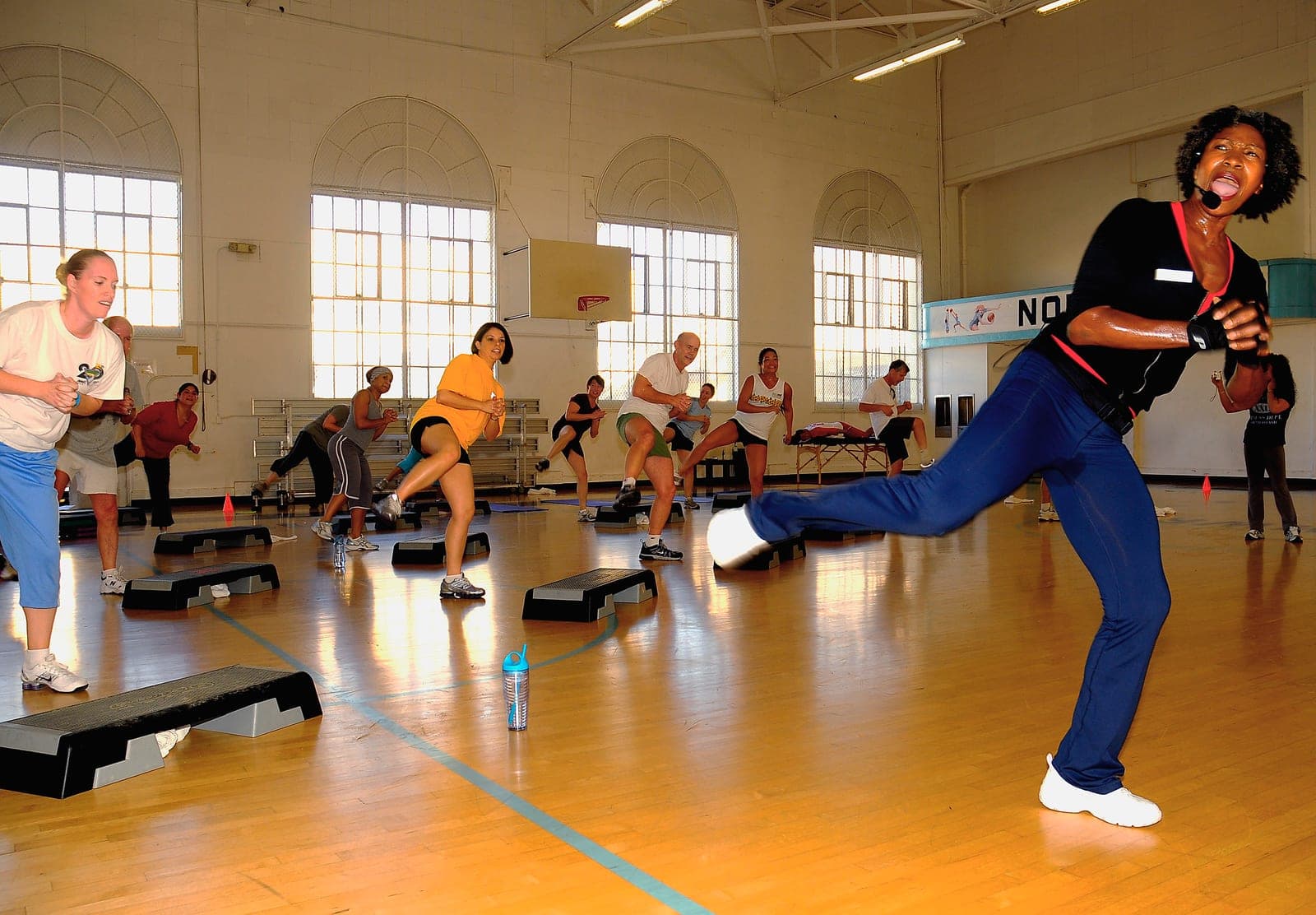
Aerobics is a form of exercise built around continuous, rhythmic movement, usually set to music and led by an instructor. Classes string together steps, arm movements and simple sequences to keep the body active and the heart rate raised throughout the session.
It is a welcoming way to build cardiovascular fitness because the movements are easy to follow and the intensity can be adjusted by how much energy you put in. Many formats exist, from gentle low-impact routines to livelier, higher-energy classes.
Why aerobics is good for your health
- Builds cardiovascular and aerobic fitness through continuous movement
- Improves coordination, rhythm and balance
- Supports healthy weight management as part of a balanced routine
- Low-impact options make it accessible across a wide range of fitness levels
The social side
- Group classes create an upbeat, shared atmosphere
- Following an instructor together makes it easy to keep going
- A friendly setting to build a regular exercise habit
How to start as a beginner
- 1Pick a beginner or low-impact class and stand where you can see the instructor
- 2Follow the basic steps first and add the arm movements once you feel comfortable
- 3Move at your own pace and build intensity as your fitness improves
- 4Wear supportive shoes and keep water nearby
Equipment you’ll need
- Comfortable, breathable sportswearEssential
- Supportive trainersEssentialCushioning helps with continuous stepping
- A water bottleOptional
- A step platformOptionalUsed in some class formats and usually provided
Where to play
Aerobics is typically played at:
Explore clubs and venues to understand the different places you can play, or see how to find people to play with.
Playing Aerobics
The equipment, rules, skills and more that make up the game — each cross-linked into the encyclopedia.
Training for Aerobics
Exercises, methods and example plans that help build what Aerobics needs — educational, not personalised prescriptions.
Related sports to explore
If you enjoy Aerobics, you might also like these.
Fitness
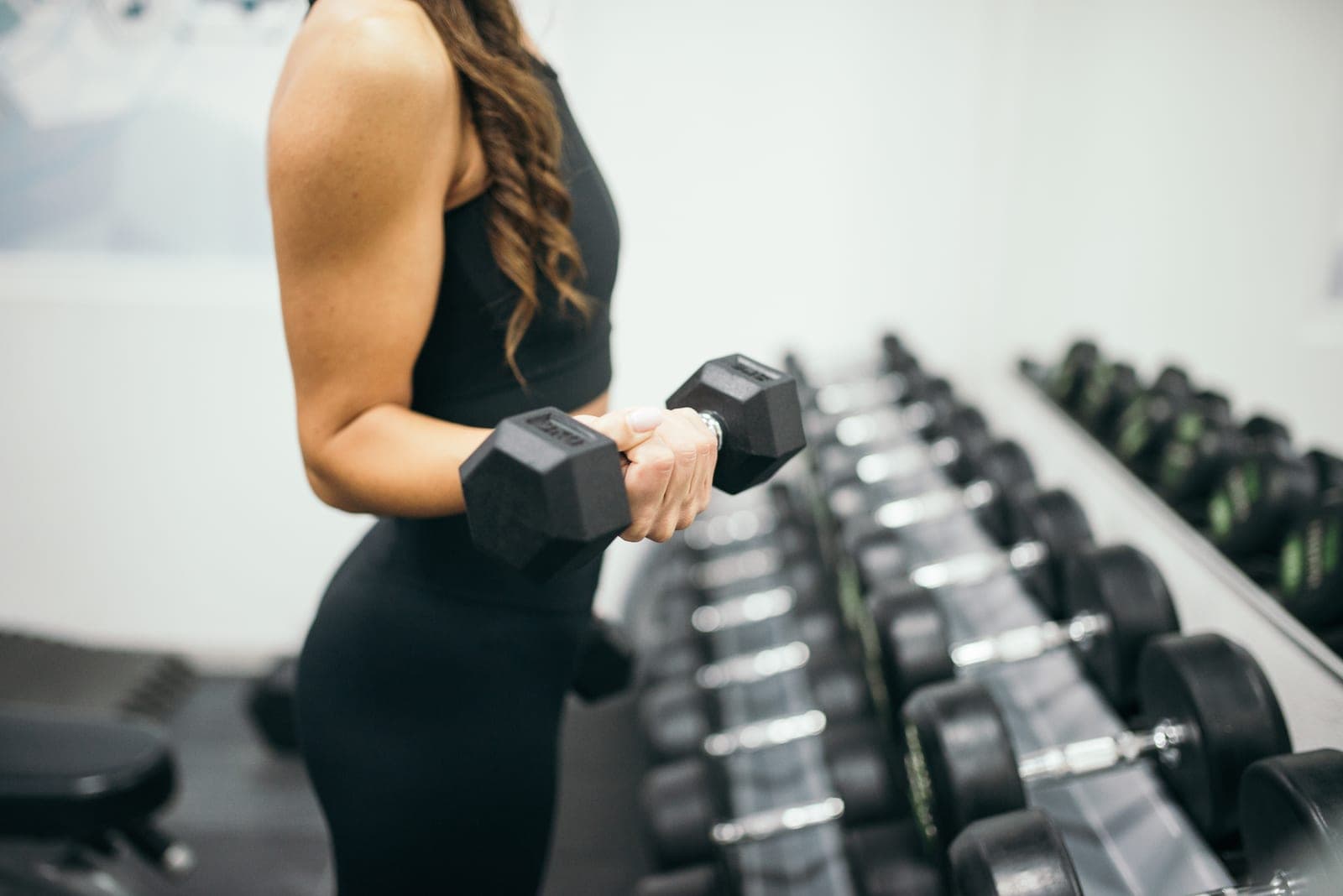
Strength and general fitness training — the foundation that supports every other sport.
HIIT
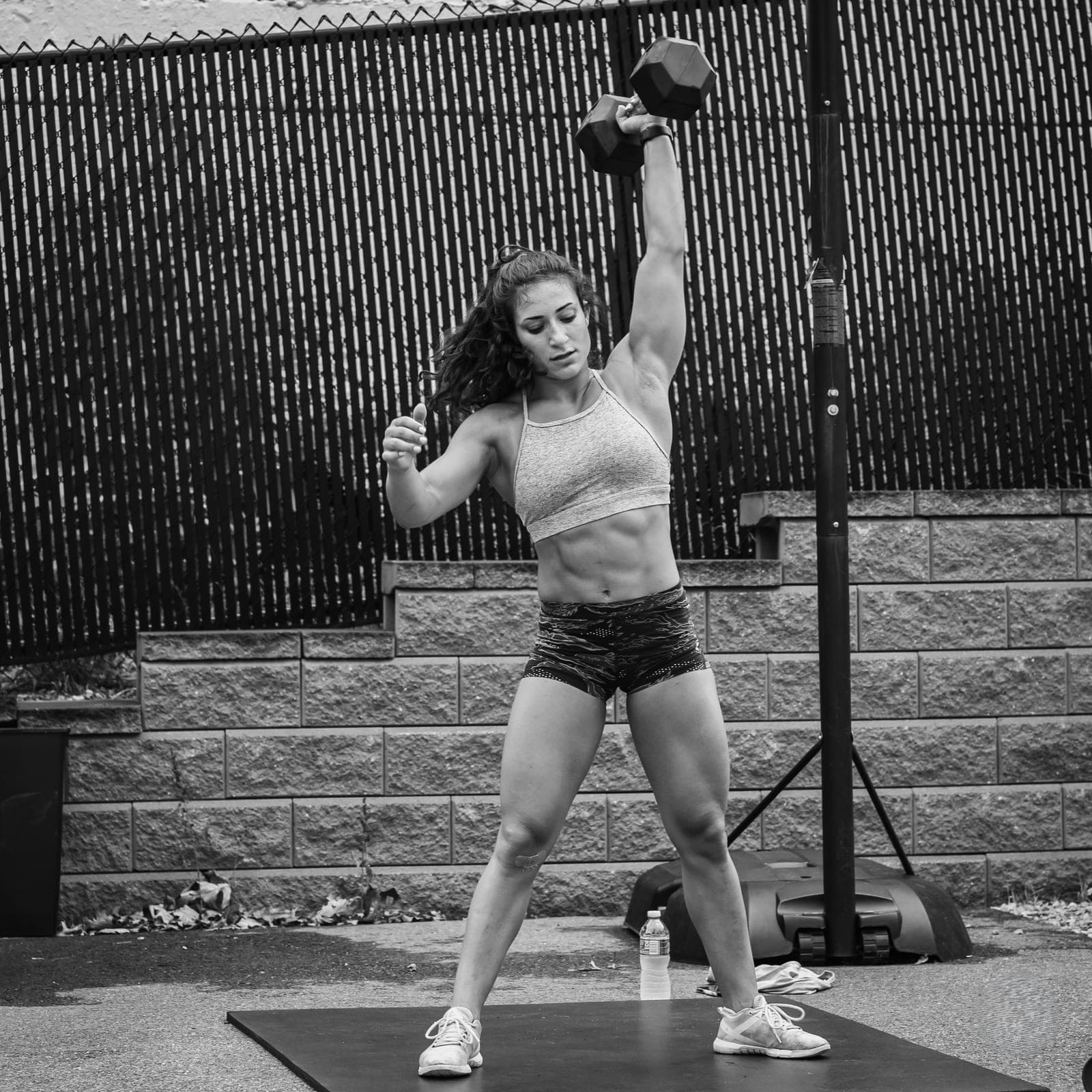
High-intensity interval training that alternates short bursts of hard effort with brief recovery.
Indoor Cycling
An energetic, low-impact studio workout on a stationary bike, guided by an instructor and music.
Barre
A low-impact mind-body workout blending ballet-inspired moves with elements of pilates and yoga for strength and control.
Compare Aerobics with…
Deciding between Aerobics and something similar? See how they line up side by side.
Aerobics vs Barre
How they compare on difficulty, intensity, kit and what suits you.
Aerobics vs Fitness
How they compare on difficulty, intensity, kit and what suits you.
Aerobics vs HIIT
How they compare on difficulty, intensity, kit and what suits you.
Aerobics vs Indoor Cycling
How they compare on difficulty, intensity, kit and what suits you.
How it connects
The meaning-bearing relationships that place Aerobics in the wider knowledge graph — each one with the reason it exists.
Alternative to
Comparable enough that people choose between them.
- BarreAerobics and Barre are close enough that the platform maintains a side-by-side comparison of them.
- FitnessAerobics and Fitness are close enough that the platform maintains a side-by-side comparison of them.
- HIITAerobics and HIIT are close enough that the platform maintains a side-by-side comparison of them.
- Indoor CyclingAerobics and Indoor Cycling are close enough that the platform maintains a side-by-side comparison of them.
Explore across the knowledge base
Follow the threads that connect Aerobics to the rest of SocialSportHub.
Glossary
- CardioCardio is exercise that raises your heart rate and breathing to work the heart and lungs.
- Set (Training)In training, a set is a group of consecutive repetitions of an exercise performed before resting.
- Motion offenseA basketball system built on continuous player movement, passing and screening rather than fixed, pre-set plays.
Healthy living
Movement patterns
- GlideGlide is continuous, low-resistance locomotion in which the body holds a streamlined shape so that momentum generated by a preceding propulsive action carries it smoothly across a surface or through a medium.
- CarryHolding and transporting a load while keeping the trunk braced and stable — an anti-movement pattern that builds grip, core stability and full-body strength.
Recommendations
- Recommended for “Improve cardiovascular health”Sports, qualities, a learning path and first steps for “Improve cardiovascular health” — every suggestion a real graph link, shown with its reason.
- Recommended for “Sports for seniors”Sports, qualities, a learning path and first steps for “Sports for seniors” — every suggestion a real graph link, shown with its reason.
Barriers
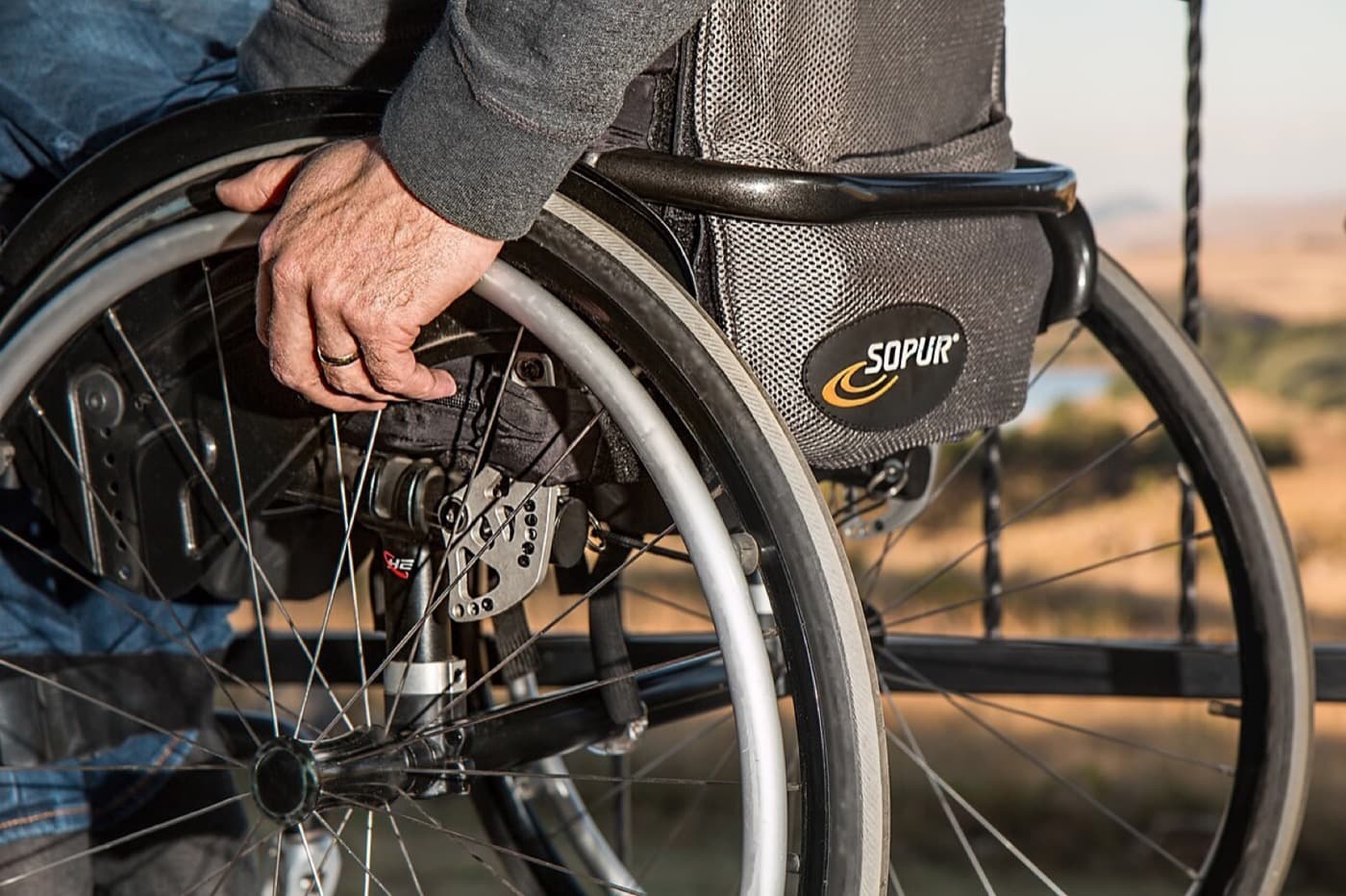
- Limited mobilityWhen movement is limited, gentle, adaptable activity may still be possible — but personal guidance from a qualified professional should come first.
- An unpredictable scheduleWhen no two weeks look the same, sport needs to be flexible and portable rather than tied to a fixed class time.
Go deeper with Aerobics
Everywhere else on the platform that covers Aerobics — assembled from what actually references it, so nothing here is a dead end.
Compare it
Head-to-head studies against the entities people actually weigh it against.
Kit it out
Equipment guidance drawn from the graph, with no brands and no affiliate links.
Take it away
Open data and the whole-platform view of this subject.
How this page is maintained
- Content type
- Sport
- Provenance
- Tier A — evergreen educational
- Verified external sources
- 0
- Content updated
- 2026-07-06
Evergreen, first-party explanation — it makes no claim that needs an external source. How we handle sources and reviews.
Keep going
A sport is most rewarding alongside good habits, sensible nutrition and people to share it with. Here is where to go next.
How movement supports body and mind.
Eat well to feel and perform better.
Build routines that stick.
Ways to meet others and play together.
Where to play and what to expect.
Browse the full list by category.