
Mobility Drill
A mobility drill is a controlled exercise that moves a joint actively through its range to prepare it for training or improve movement quality.
Definition
A mobility drill is a movement exercise that takes a joint through its available range under the athlete's own control, often combining range of motion with strength and stability. Examples include controlled hip circles, deep squat rotations, and shoulder movements through full range. Unlike holding a static stretch, a mobility drill emphasises active, deliberate movement rather than simply lengthening tissue.
Mobility drills are commonly used in warm-ups and movement preparation so joints move freely for the session ahead, and as standalone work to address restricted ranges. Mobility, meaning usable and controlled range, is not the same as flexibility, meaning how far a tissue can be lengthened passively, though the two overlap. These are educational movement practices, not medical treatment.
Scope: Educational movement preparation; not physiotherapy, rehabilitation, or injury treatment.
Where you’ll hear “mobility drill”
Sports that use this term:
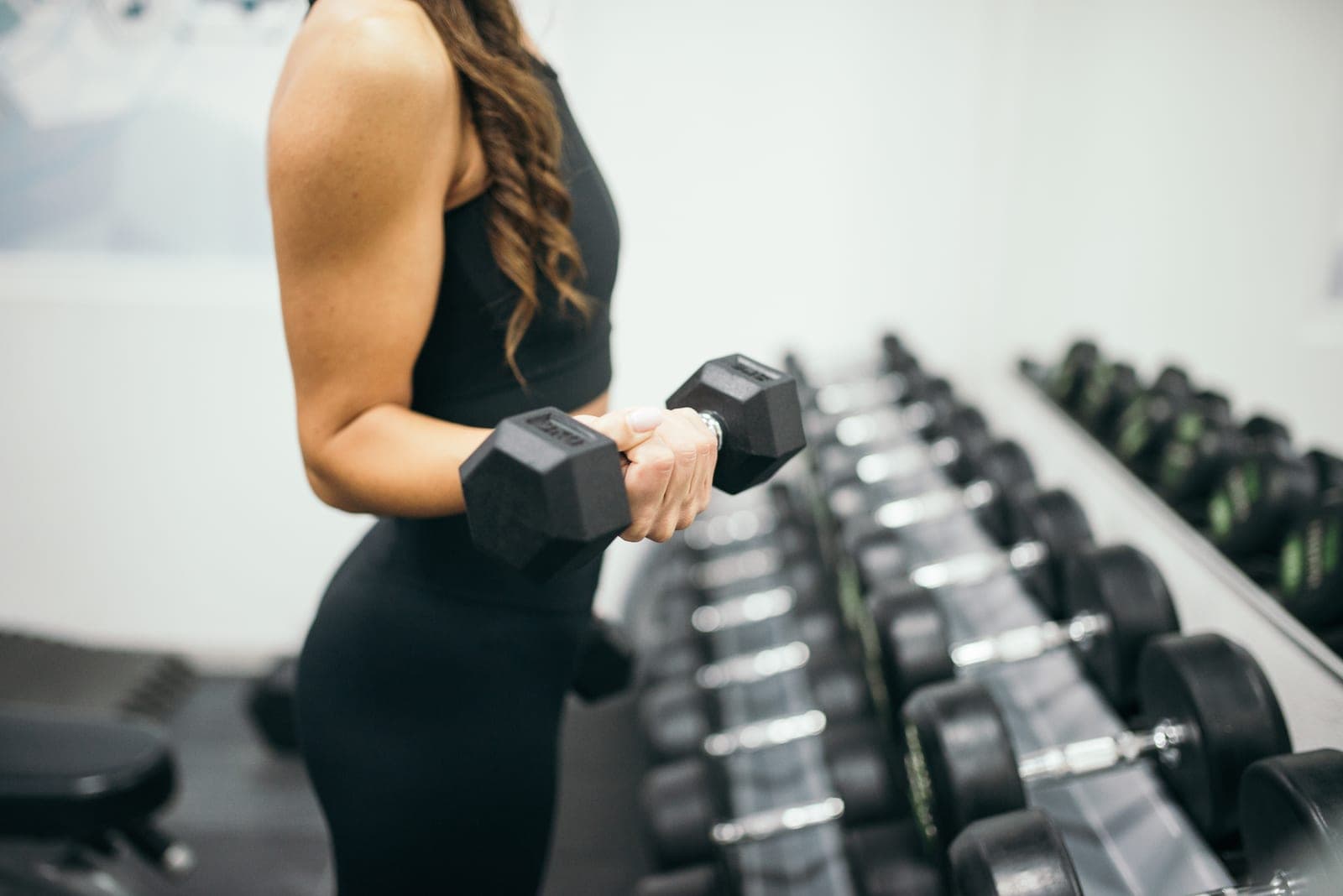
Fitness
Strength and general fitness training — the foundation that supports every other sport.
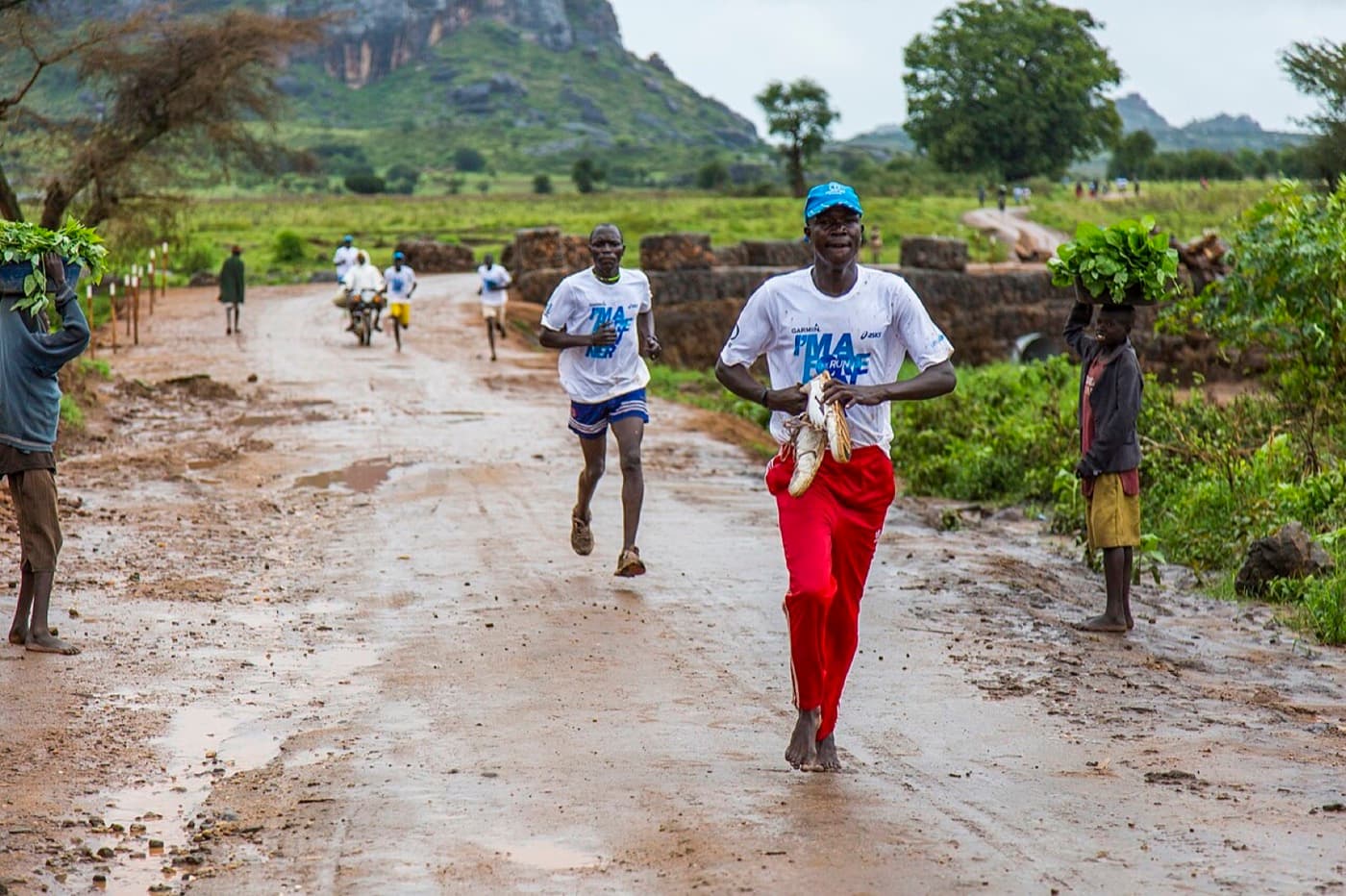
Running
The most accessible endurance sport — no venue, just shoes and the open road or trail.
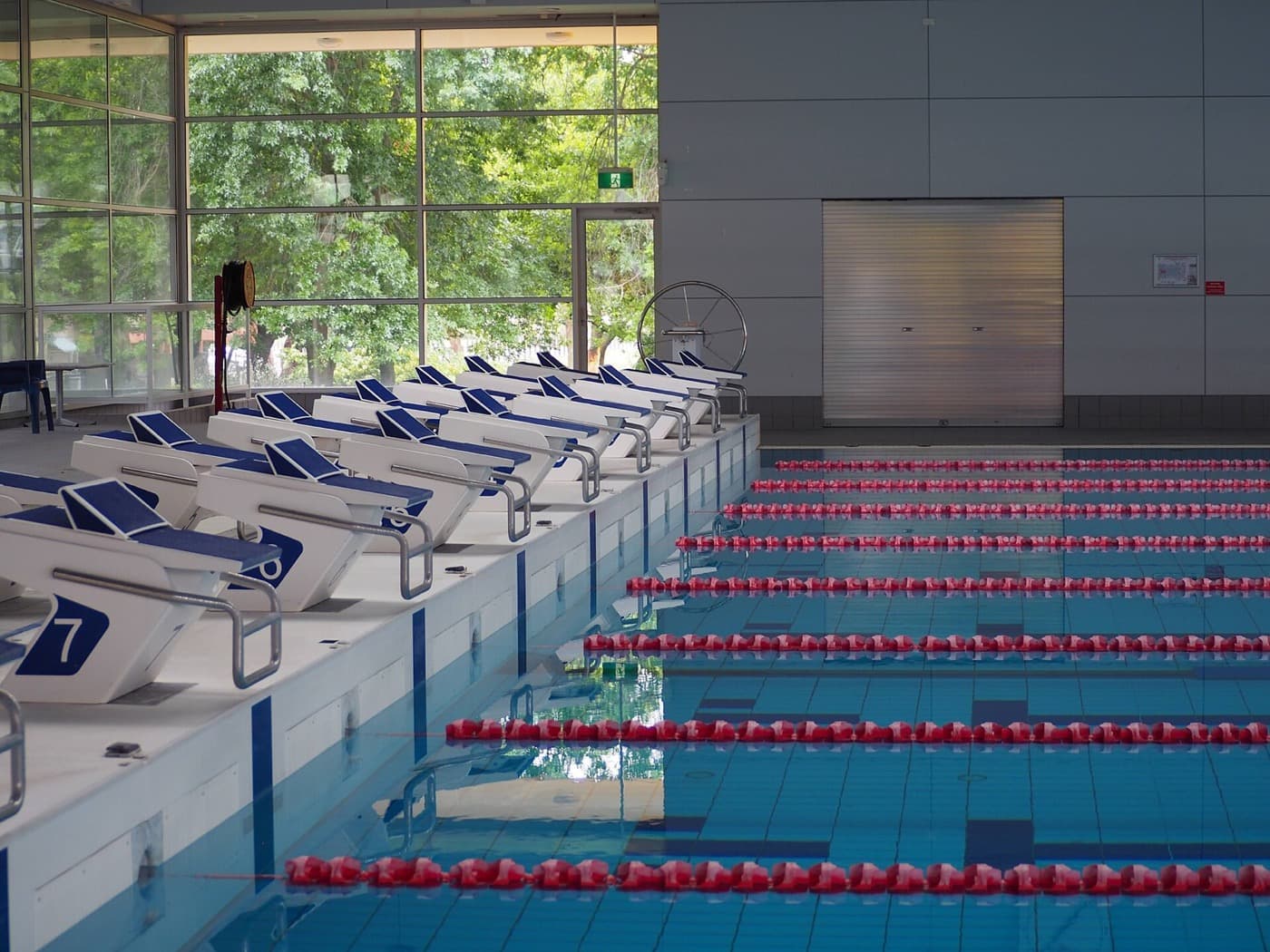
Swimming
A full-body, low-impact endurance sport suitable for almost every age and ability.
How it connects
The meaning-bearing relationships that place Mobility Drill in the wider knowledge graph.
Commonly confused with
Explore across the knowledge base
Follow the threads that connect Mobility Drill to the rest of SocialSportHub.
Physical qualities
- MobilityUsing a joint’s range of movement actively, with control and strength throughout.
- FlexibilityThe range of movement available at a joint or group of joints.
- BalanceKeeping your body stable and controlled, whether still or moving.
- AgilityChanging direction quickly and under control while staying balanced.
- SpeedHow quickly you can move your body or a part of it from one point to another.
Training methods
- Mobility TrainingMobility training works on moving your joints actively through their full range, combining control and flexibility so movement feels free and easy.
- PlyometricsPlyometrics are jumping and bounding drills that train muscles to produce force quickly, developing power and springiness through explosive movement.
- Circuit TrainingCircuit training moves you through a series of stations back to back with little rest, blending strength and cardio into one time-efficient session.
- Flexibility TrainingFlexibility training uses stretching to gradually improve how far your muscles and joints can comfortably lengthen and move.
- Hypertrophy TrainingHypertrophy training is resistance work structured to encourage muscle growth, typically using moderate repetitions and a steady, controlled tempo.
Goals
- Improve mobilityMove your joints more freely and comfortably through their natural range with regular, gentle practice.
- Improve sleepSupport more restful sleep by staying active during the day and building a consistent daily rhythm.
- DisciplineBuild consistency, focus and self-discipline through the routines that sport and training encourage.
- Improve flexibilityLengthen your muscles and widen your range of motion through regular, gentle stretching over time.
- Return to sportEasing back into activity after time away, a long break or a period off through injury.
Sports science
- Range of motionHow far a joint can travel through its movement — the arc available at a joint, and the foundation of flexibility and mobility.
- Energy systemsHow the body supplies energy for movement — the different pathways that power everything from an explosive jump to a long, steady run.
- BiomechanicsThe study of how the body produces and controls movement — the mechanics behind every technique in sport.
- Reaction timeThe short delay between a signal and the start of the movement made in response to it.
- Motor controlHow the brain and nervous system organise the muscles to produce coordinated, controlled movement.
Practice & sessions
- Mobility sessionA session built around moving well through a range of motion — gentle, controlled work to help the body move freely.
- Technical sessionA session built around technique — grooving and refining the mechanics of how a movement or shot is executed.
- Recovery sessionA deliberately easy session — gentle movement to help the body feel better and adapt, rather than to push hard.
Recovery
- Gentle mobilityGentle mobility work means moving your joints smoothly through a comfortable range to help you feel loose and move well.
- WalkingWalking is simple, low-intensity movement that supports everyday activity and gentle recovery for almost anyone.
- SleepRegular, good-quality sleep is the foundation of everyday recovery for anyone who trains or plays sport.
- Staying hydratedStaying hydrated is the simple everyday habit of drinking water regularly so you feel comfortable and ready to be active.
- Active recoveryActive recovery means very easy, gentle movement on lighter days to keep the body moving without adding hard training stress.