
Low confidence
When self-consciousness gets in the way, private or beginner-friendly settings and steady, visible progress help confidence grow through doing.
Overview
Feeling self-conscious — about fitness, body, or being watched — stops a lot of people before they begin. Confidence tends to grow through doing rather than before it, so the useful path is to pick settings where you feel comfortable and let small successes build up. That might mean starting at home, choosing quieter times, or joining a group that is explicitly for beginners.
Progress you can see is one of the strongest confidence-builders there is: getting a little further, a little smoother, a little stronger. Focusing on your own progress rather than comparison with others keeps the experience positive and keeps you coming back.
What helps
- Confidence usually grows through doing, not before you start.
- Comfortable settings — home, quiet times, beginner groups — lower the pressure.
- Visible personal progress is a powerful confidence-builder.
- Comparing yourself to your past self beats comparing to others.
Getting started
- 1Start somewhere you feel at ease — home, a quiet time, or a beginner group.
- 2Set small, personal targets you can measure and beat.
- 3Notice progress out loud so it registers as a win.
- 4Keep the focus on your own path rather than on anyone else.
Sports that work around it
Great places to start — each with a clear, beginner-friendly guide.
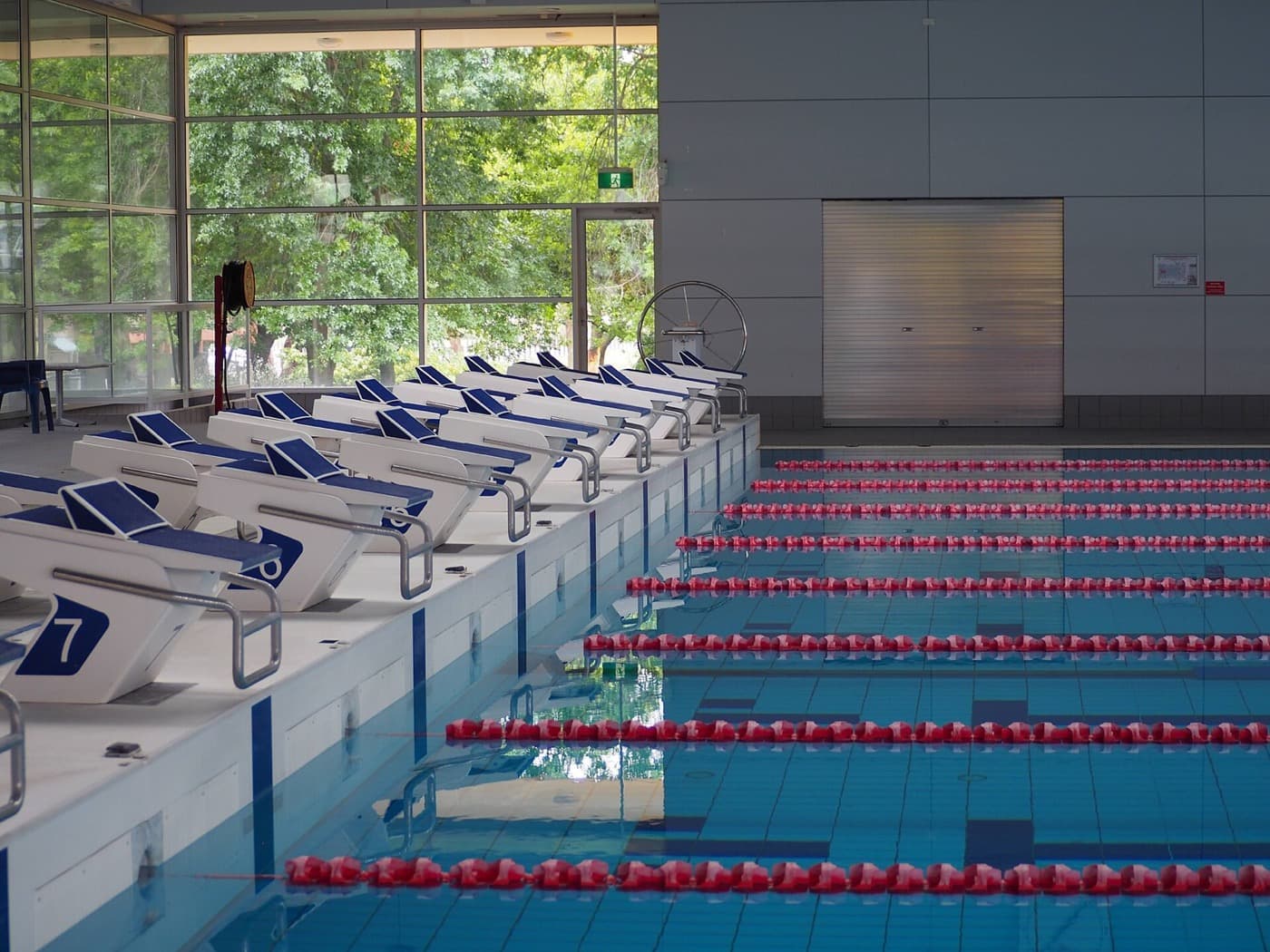
Swimming
A full-body, low-impact endurance sport suitable for almost every age and ability.

Running
The most accessible endurance sport — no venue, just shoes and the open road or trail.
Cycling
A low-impact endurance sport that doubles as transport, exercise and adventure.
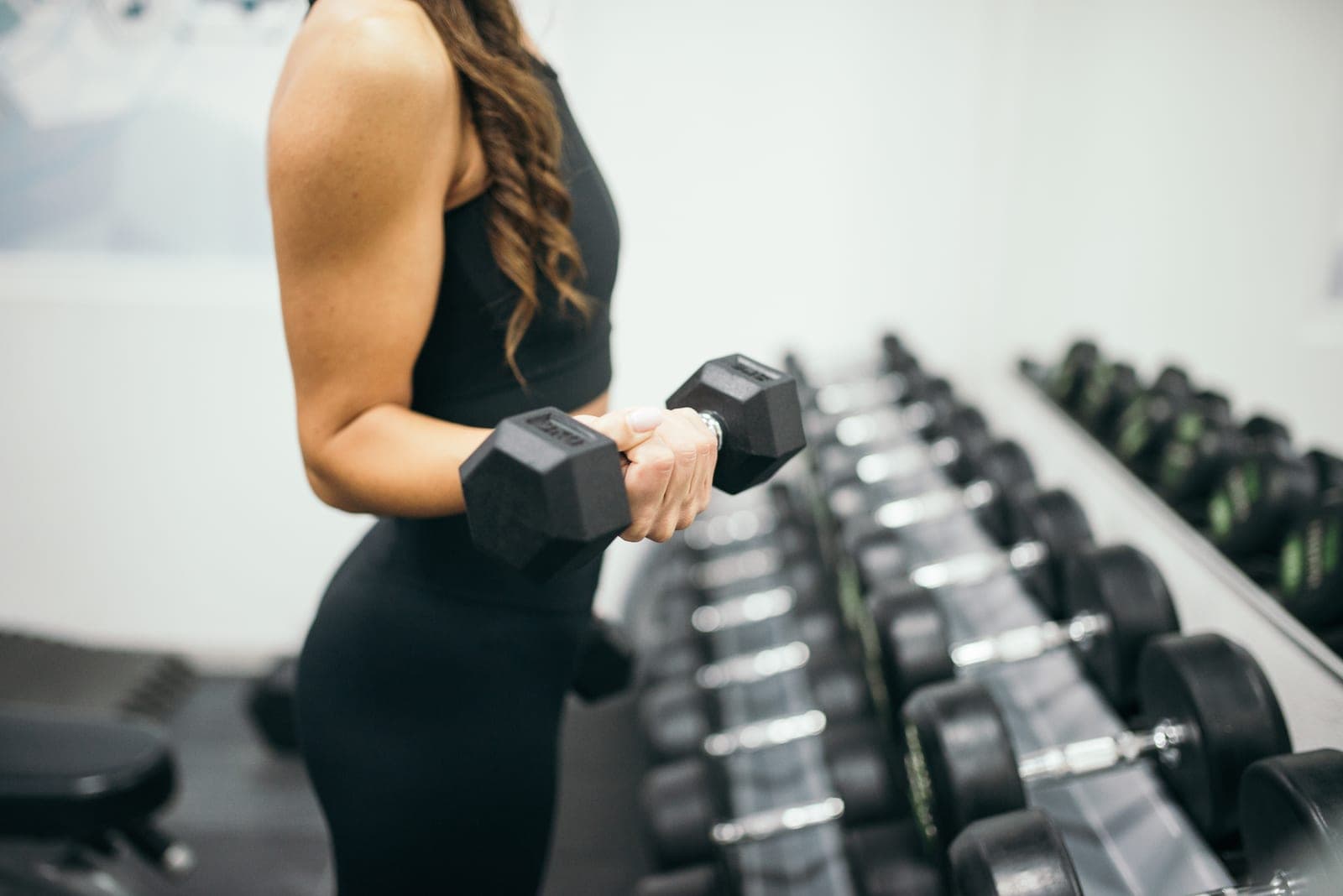
Fitness
Strength and general fitness training — the foundation that supports every other sport.
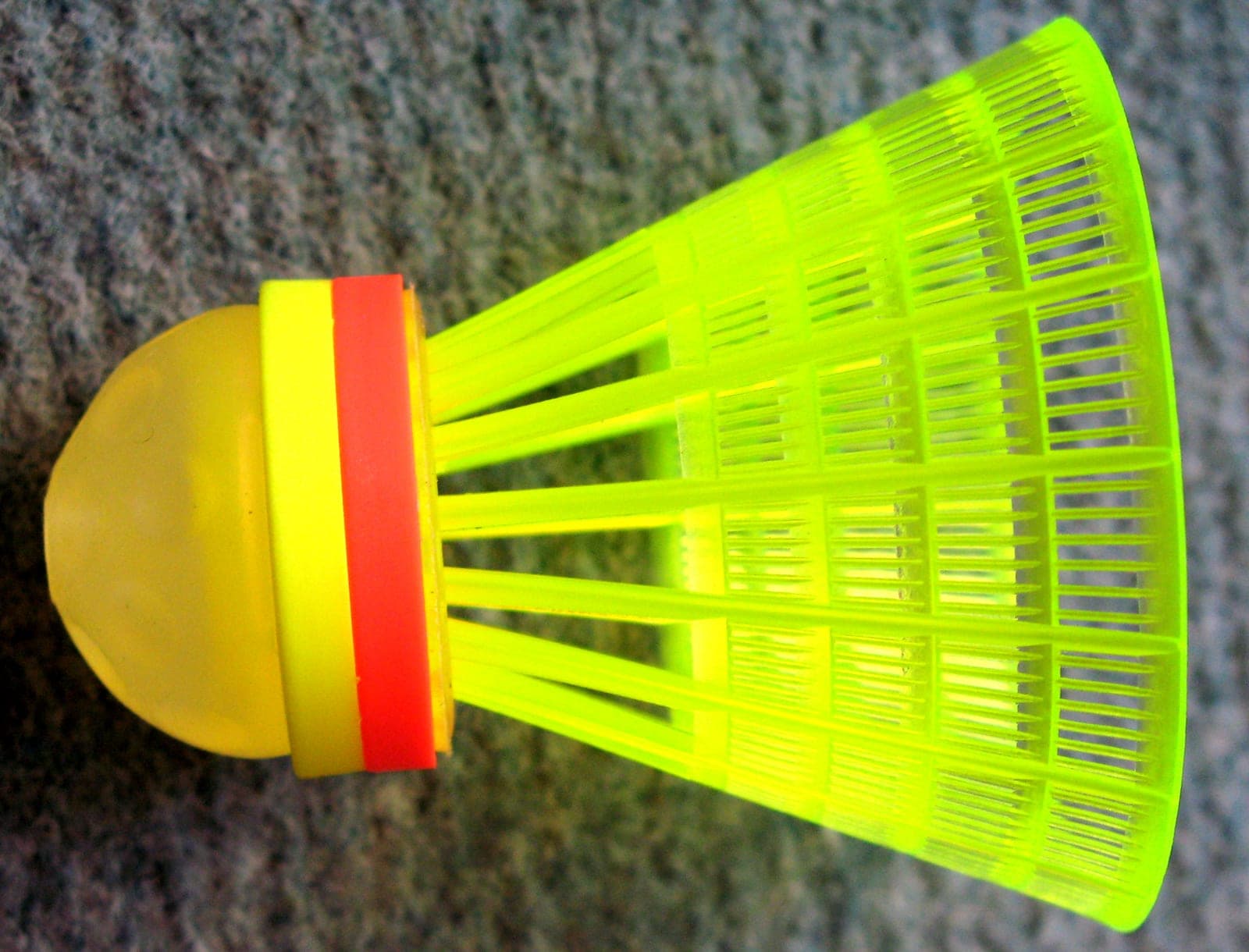
Badminton
A fast indoor racquet sport played with a shuttlecock that rewards agility and touch.
Goals that fit
Build confidence
Use sport and steady progress to feel more capable, comfortable and self-assured over time.
Sports for beginners
How to start playing sport from scratch — choosing a first activity and building up gently.
Improve mental wellbeing
Use regular, enjoyable activity to support your mood, connection and sense of wellbeing as one healthy habit among many.
Become more active
Add regular, gentle movement to your everyday life and build up from a sedentary start at your own pace.
Improve fitness
Build well-rounded fitness — stamina, strength and more — through regular, varied activity you can keep up.
Ways to train
Exercises and methods that fit — educational, not a prescription.
Squat
A foundational lower-body movement where you bend at the hips and knees to lower down and stand back up.
Goblet squat
A squat variation where you hold a single weight close to your chest for balance and control.
Wall sit
A holding exercise where you sit against a wall with no chair, holding a squat position still.
Lunge
A single-leg movement where you step forward and bend both knees to lower your body.
Bulgarian split squat
A single-leg squat where the back foot is raised on a bench behind you.
Step-up
A movement where you step up onto a raised platform one leg at a time and step back down.
Frequently asked questions
How do I build confidence to exercise in public?
Start where you feel comfortable — at home, at quieter times, or in a beginner group — and let steady, visible progress do the work. Keeping the focus on your own improvement rather than comparison with others tends to make each session easier than the last.
Explore across the knowledge base
Follow the threads that connect Low confidence to the rest of SocialSportHub.
Lifestyle
Experience levels
Coaching concepts
- ProgressionBuilding skill and training load in gradual, manageable steps so each stage prepares the next, moving from simple to complex and easy to hard.
- Goal-Setting for PracticeSetting clear practice goals directs effort and makes progress visible — separating results-based outcome goals from controllable process goals.
- Skill acquisitionHow a movement or sports skill is learned — progressing from conscious, effortful control to smooth, largely automatic execution through practice and feedback.
Training guides
- How to track progress simplyTracking progress simply means keeping a light, low-effort record of your training so you can see how far you have come.
- How to start strength trainingStarting strength training means gradually introducing resistance movements and learning good form before doing anything more demanding.
- How to build a weekly routineBuilding a weekly routine means loosely planning your training across the week so effort and rest are spread out in a way you can sustain.
Motivations
How this page is maintained
- Content type
- Getting past it
- Provenance
- Tier A — evergreen educational
- Verified external sources
- 0
- Content updated
- 2026-07-09
Evergreen, first-party explanation — it makes no claim that needs an external source. How we handle sources and reviews.