
Carry
Holding and transporting a load while keeping the trunk braced and stable — an anti-movement pattern that builds grip, core stability and full-body strength.
Overview
The carry is a loaded-carry pattern: you hold an external load — in the hands at your sides, racked at the chest, on the shoulders or overhead — and walk with it. Unlike a squat or a press, the defining work is isometric. The grip, shoulder girdle and trunk stay locked in position while the legs perform ordinary gait, so the load is transported by walking rather than by the spine or arms moving. Because the weight constantly tries to pull you out of posture, the core has to resist unwanted motion, which is why carries sit in the 'anti-movement' family: a load held on one side resists side-bending (anti-lateral-flexion), a front-racked load resists rounding forward (anti-flexion) and an overhead load resists arching back (anti-extension).
Because you must keep hold of the load the whole time, the pattern develops grip and forearm endurance, trapezius and shoulder-girdle stability, and deep trunk bracing, while the hips and legs do the walking — making it one of the most complete, whole-body strength-and-conditioning patterns. It is trained most directly by the farmers carry, and it shares its braced-trunk, anti-movement quality with static holds such as the plank and side plank. Beyond the gym it underlies everyday tasks like carrying shopping, luggage or tools, and it shows up in sport wherever an athlete has to transport or control a load with a rigid, upright torso — loaded-carry events in functional fitness, rucking under a pack on a hike, or driving forward while holding the ball or an opponent under control.
What defines it
- Isometric hold plus dynamic gait: the arms, shoulders and trunk work isometrically to keep the load fixed in place while the legs walk, so movement comes from the lower body, not from the spine or arms.
- An anti-movement core demand: rather than producing motion, the trunk resists being bent, twisted or arched by the load, with the direction of resistance set by where the load sits (at the side, front or overhead).
- Grip- and shoulder-limited: grip and forearm endurance, along with trapezius and shoulder-girdle stability, are usually what fatigue first, making the carry a signature grip and postural-endurance builder.
- Integrated, full-body loading: holding a heavy load and moving under it loads the hands, trunk, hips and legs at the same time, bridging pure strength and conditioning.
- Highly transferable: it mirrors real-world tasks such as carrying luggage or groceries, and any sport action that means moving while keeping a braced, stable torso.
Athletic movements built on it
Cross-sport movements that use this pattern as a base.
A note on this information
Exercises that train the carry
Movements built on this pattern — educational examples, not a prescription.
Sports that rely on it
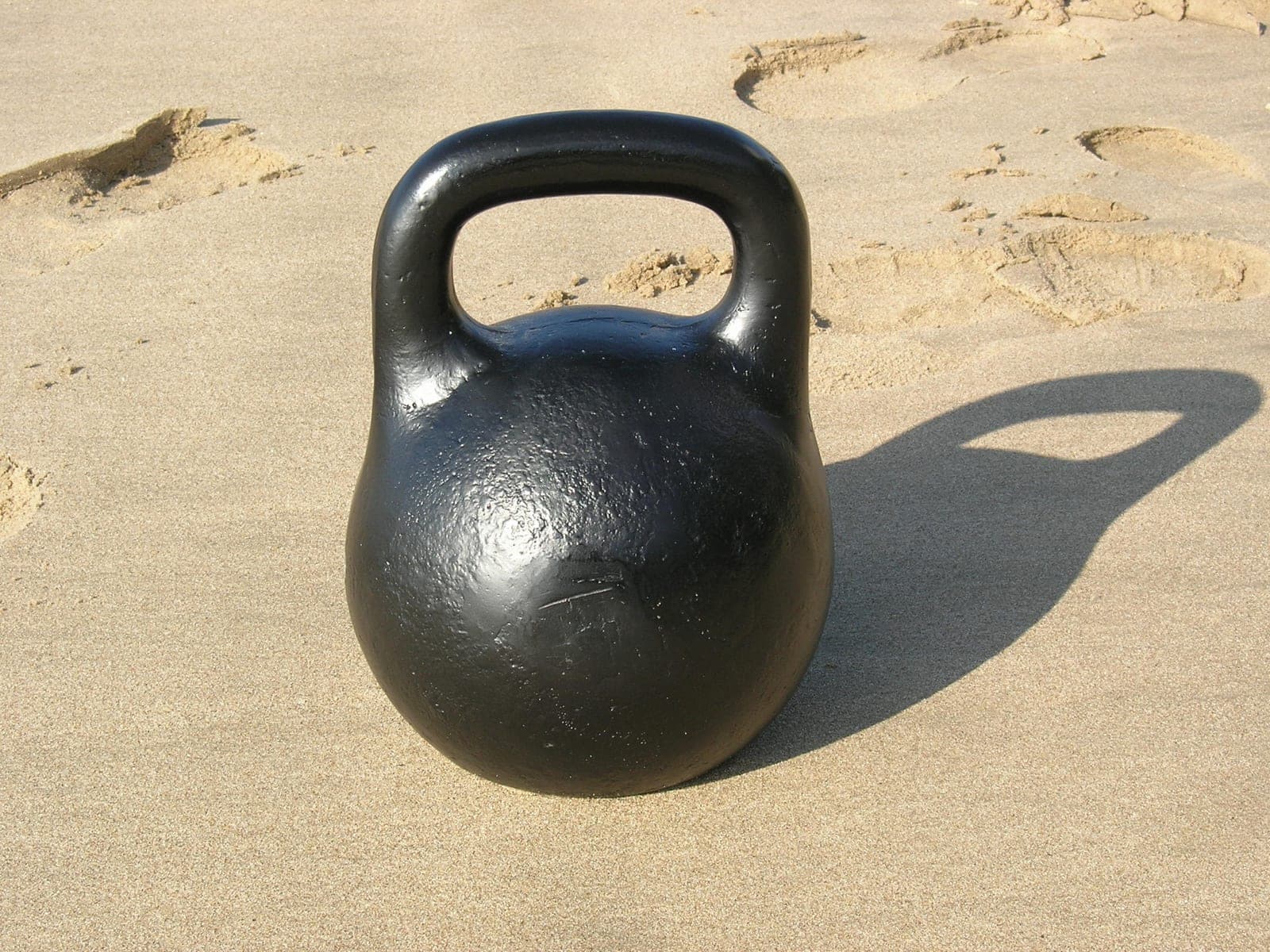
Functional Fitness
Varied, whole-body training built around everyday movement patterns like squatting, lifting and carrying.
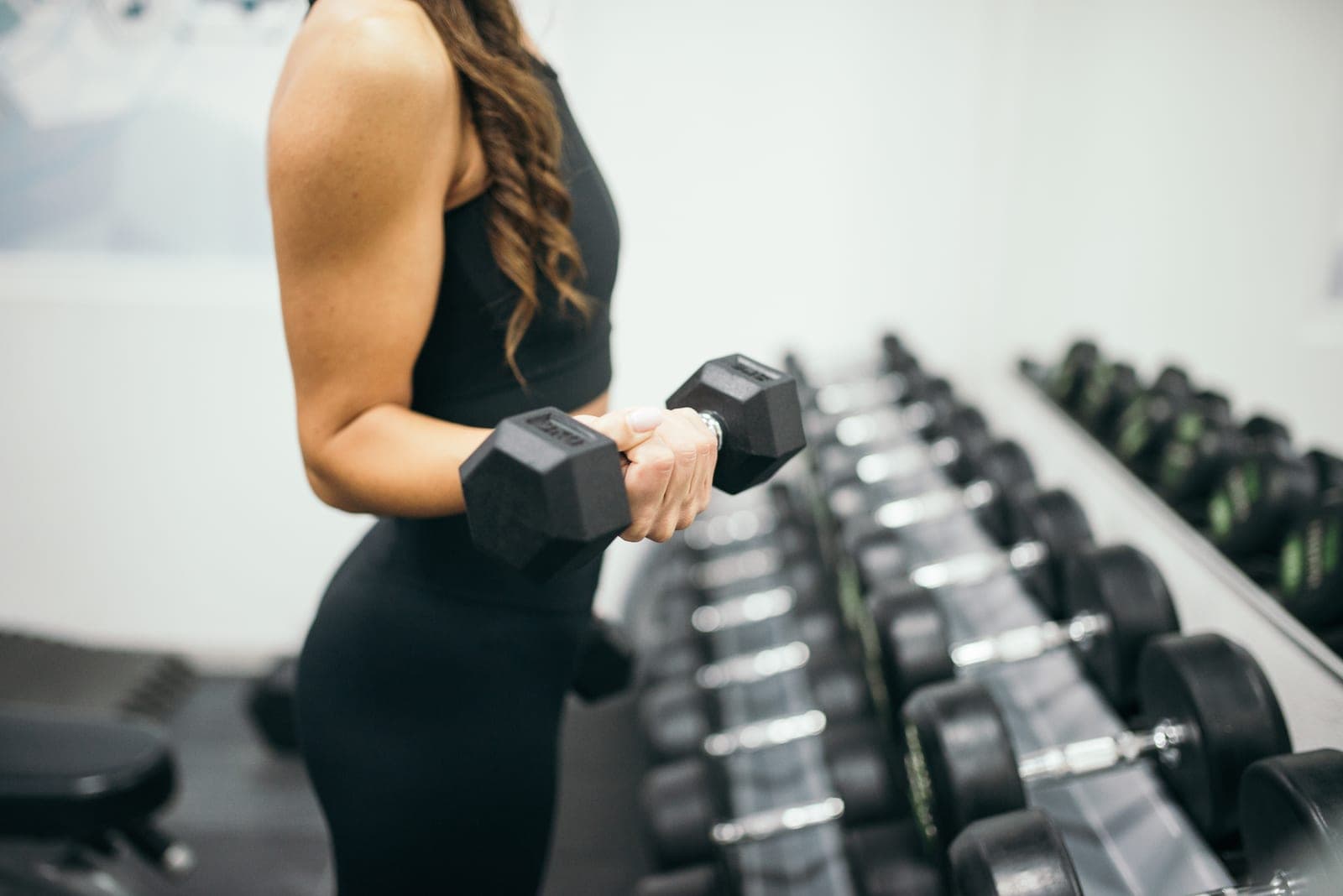
Fitness
Strength and general fitness training — the foundation that supports every other sport.

Hiking
An accessible outdoor sport of walking natural trails and hills at your own pace, solo or in a group.
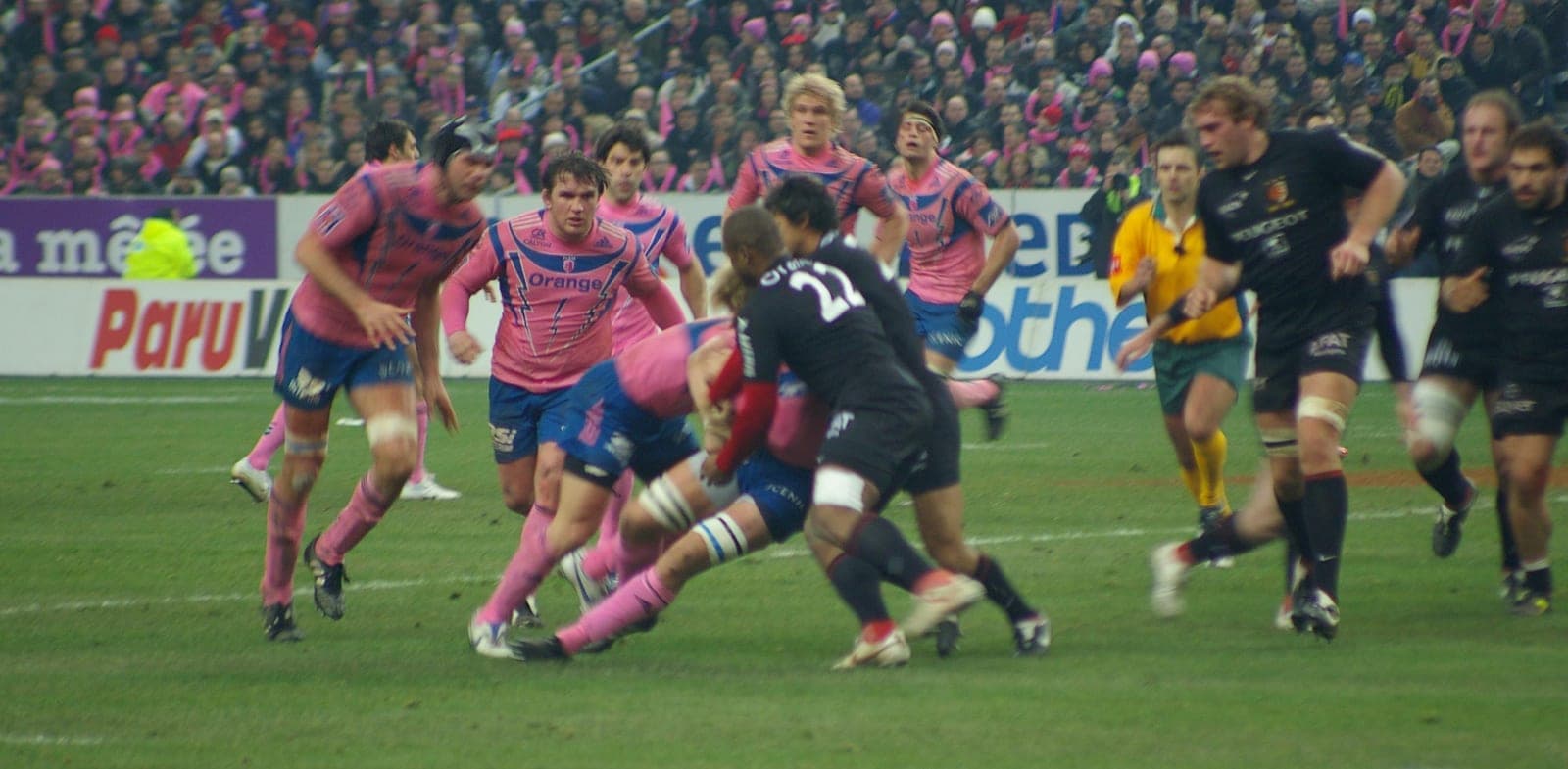
Rugby
A physical team sport of carrying, passing and kicking an oval ball toward the opposing line.
American Football
A strategic, position-based team sport of set plays, sprinting and coordinated teamwork on a marked field.
How it connects
The meaning-bearing relationships that place Carry in the wider knowledge graph — each one with the reason it exists.
Explore across the knowledge base
Follow the threads that connect Carry to the rest of SocialSportHub.
Skills
Knowledge Atlas
Training methods
- Strength TrainingStrength training uses resistance — bodyweight, bands or weights — to challenge your muscles so they gradually adapt and get stronger over time.
- Circuit TrainingCircuit training moves you through a series of stations back to back with little rest, blending strength and cardio into one time-efficient session.
- Progressive OverloadProgressive overload is the principle of gradually increasing the demand you place on your body so it keeps adapting and improving over time.
- Cross-TrainingCross-training mixes different activities into your routine so you build all-round fitness and give repeatedly-used muscles a change of stimulus.
Goals
- Build muscleChallenge your muscles with regular resistance training and steady recovery to build strength over time.
- Improve fitnessBuild well-rounded fitness — stamina, strength and more — through regular, varied activity you can keep up.
- Healthy agingStay active, steady and independent as you get older with a sustainable mix of gentle cardio, strength and balance work.
- Build an active lifestyleMake movement a natural, lasting part of daily life through activities and habits you genuinely enjoy.
Equipment
Go deeper with Carry
Everywhere else on the platform that covers Carry — assembled from what actually references it, so nothing here is a dead end.
Take it away
Open data and the whole-platform view of this subject.
How this page is maintained
- Content type
- Movement pattern
- Provenance
- Tier A — evergreen educational
- Verified external sources
- 0
- Content updated
- 2026-07-13
Evergreen, first-party explanation — it makes no claim that needs an external source. How we handle sources and reviews.