
Drill
A drill is a structured, repeatable practice activity designed to develop a specific skill, movement, or tactical pattern.
Definition
A drill is a purposeful practice activity that isolates and repeats a particular skill or situation so it can be developed through focused repetition. Examples range from a passing drill in football to serve-and-return patterns in tennis or lane work in swimming. By narrowing the scope, a drill lets athletes get many quality repetitions of a target action with clear coaching points.
Drills sit on a spectrum from highly controlled and unopposed to game-like and pressured; many coaches progress athletes from simple drills toward scrimmages that reintroduce full complexity. Well-designed drills balance repetition with enough variability and realism that the skill transfers to competition. They are a fundamental building block of practice planning.
Where you’ll hear “drill”
Sports that use this term:
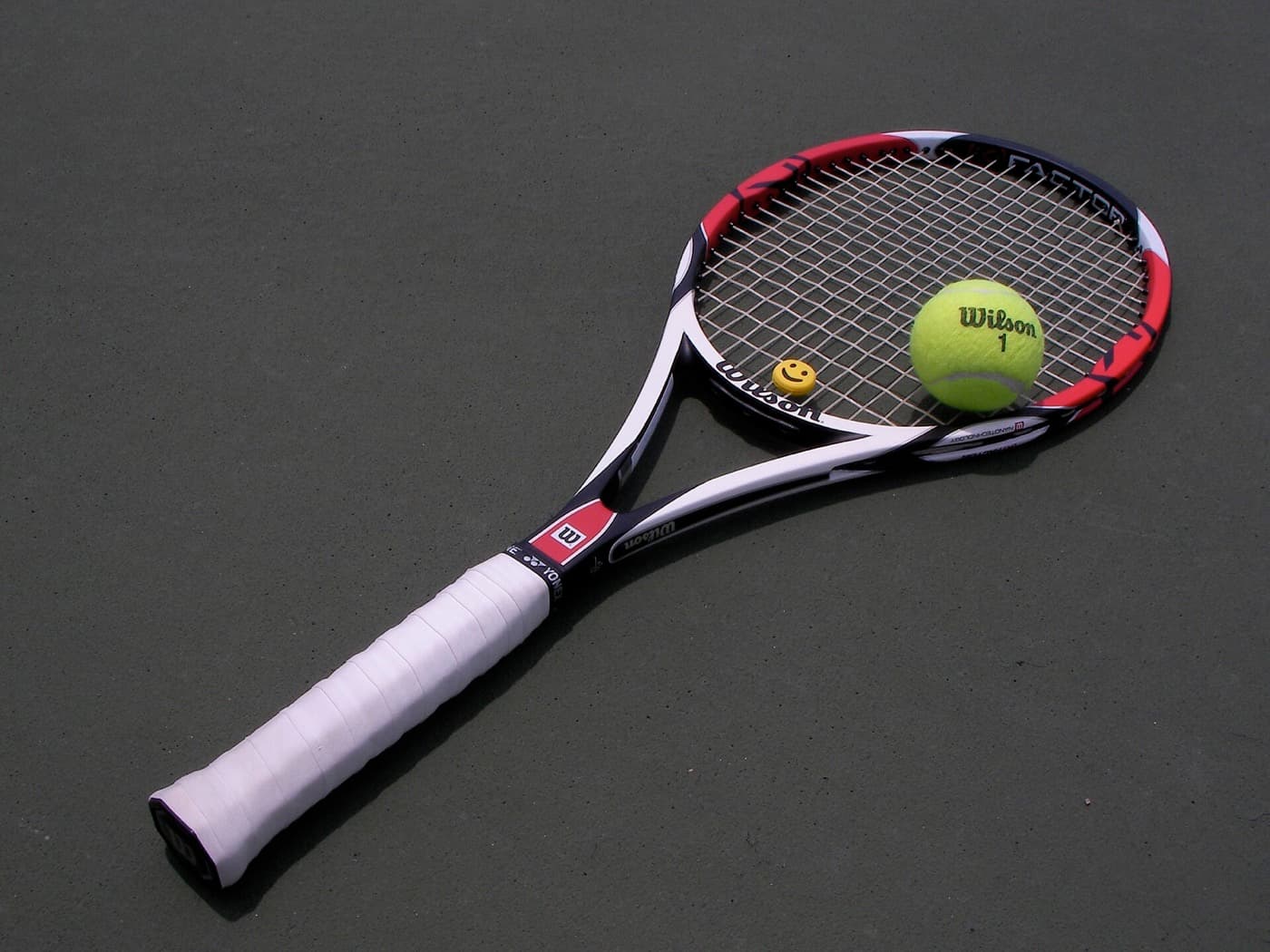
Tennis
A singles or doubles racquet sport that blends agility, strategy and stamina on court.
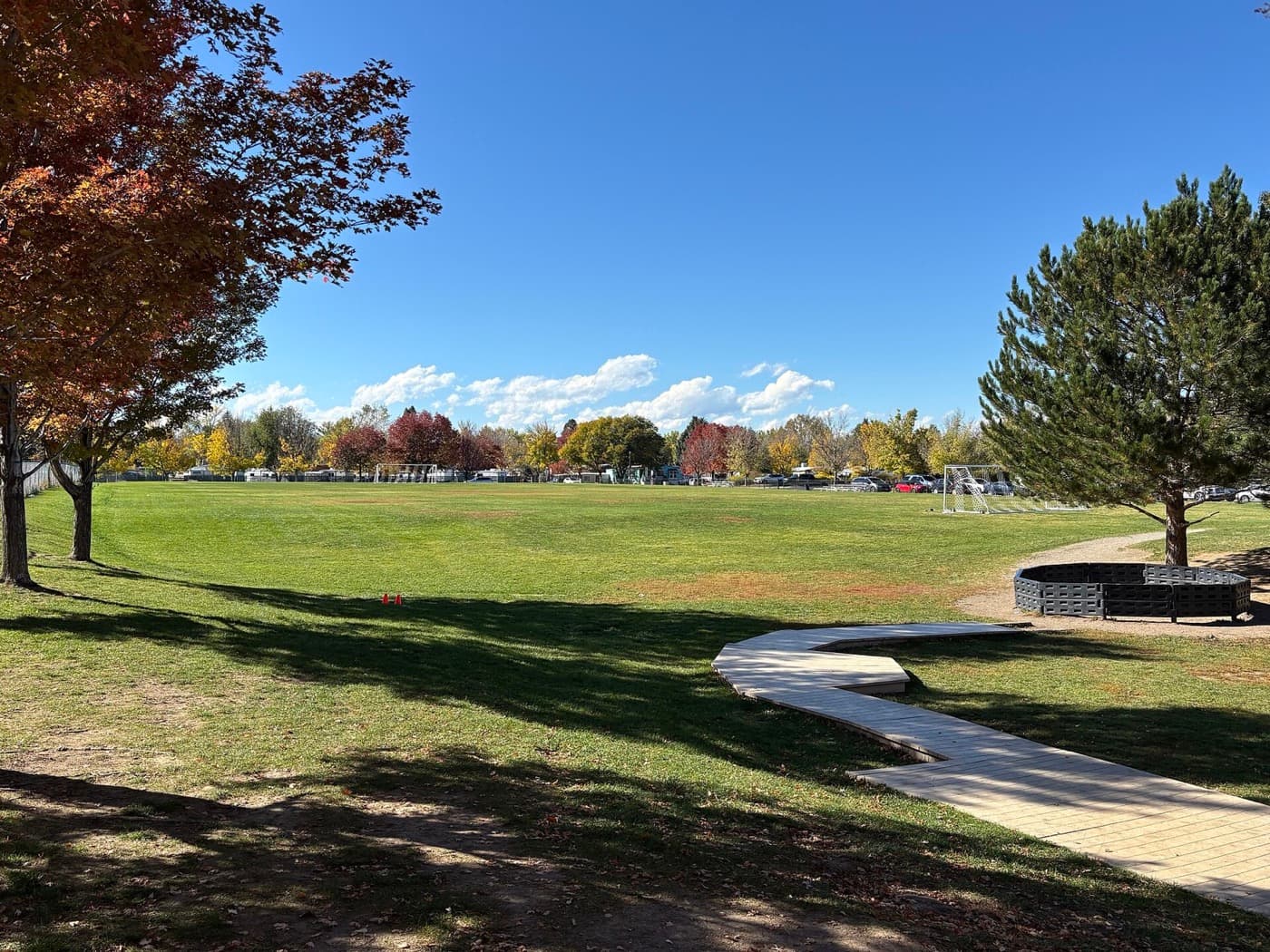
Football
The world’s most popular team sport — endless running, teamwork and community in one game.
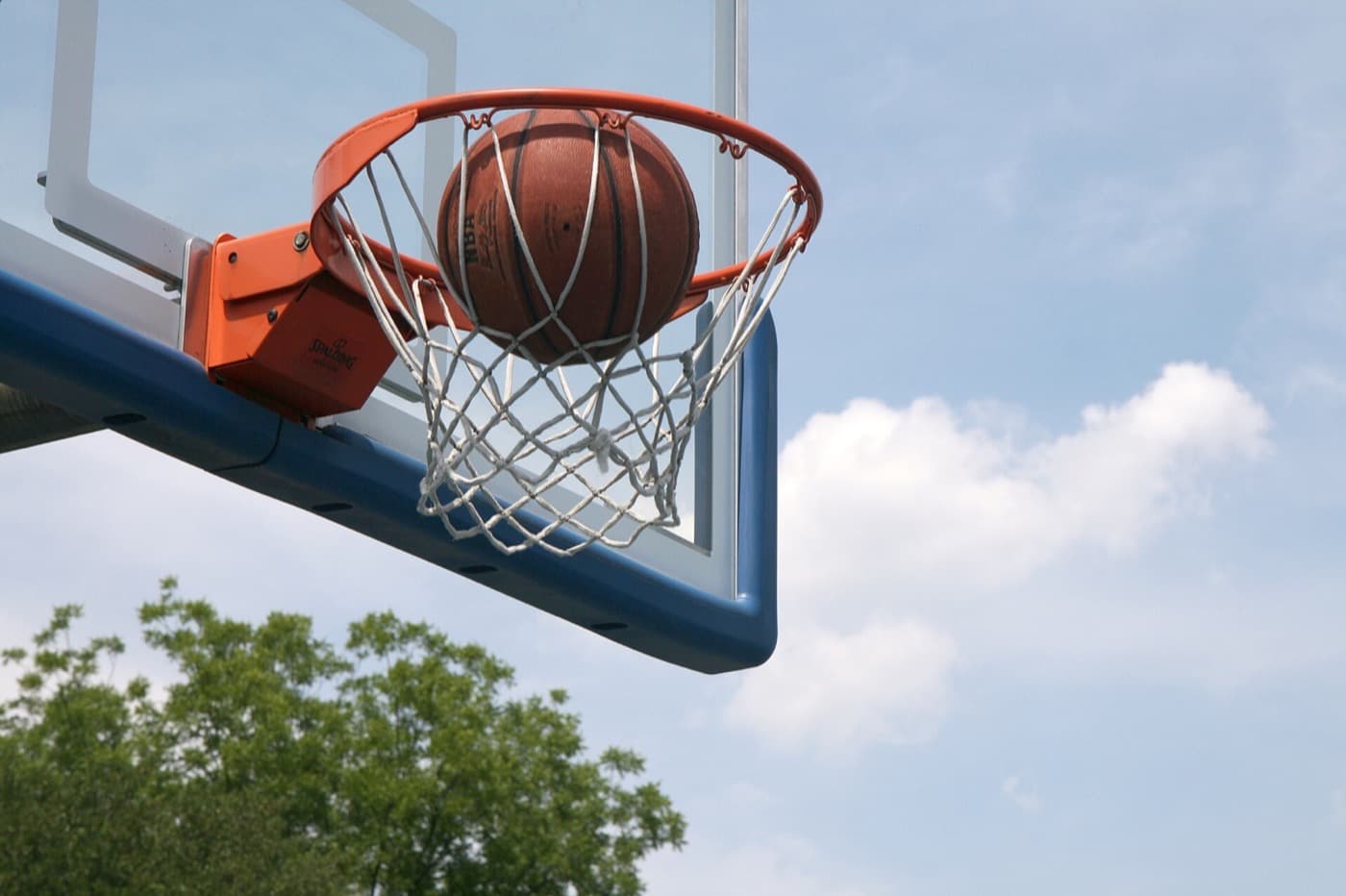
Basketball
A fast, dynamic team sport of running, jumping and quick decisions on court.
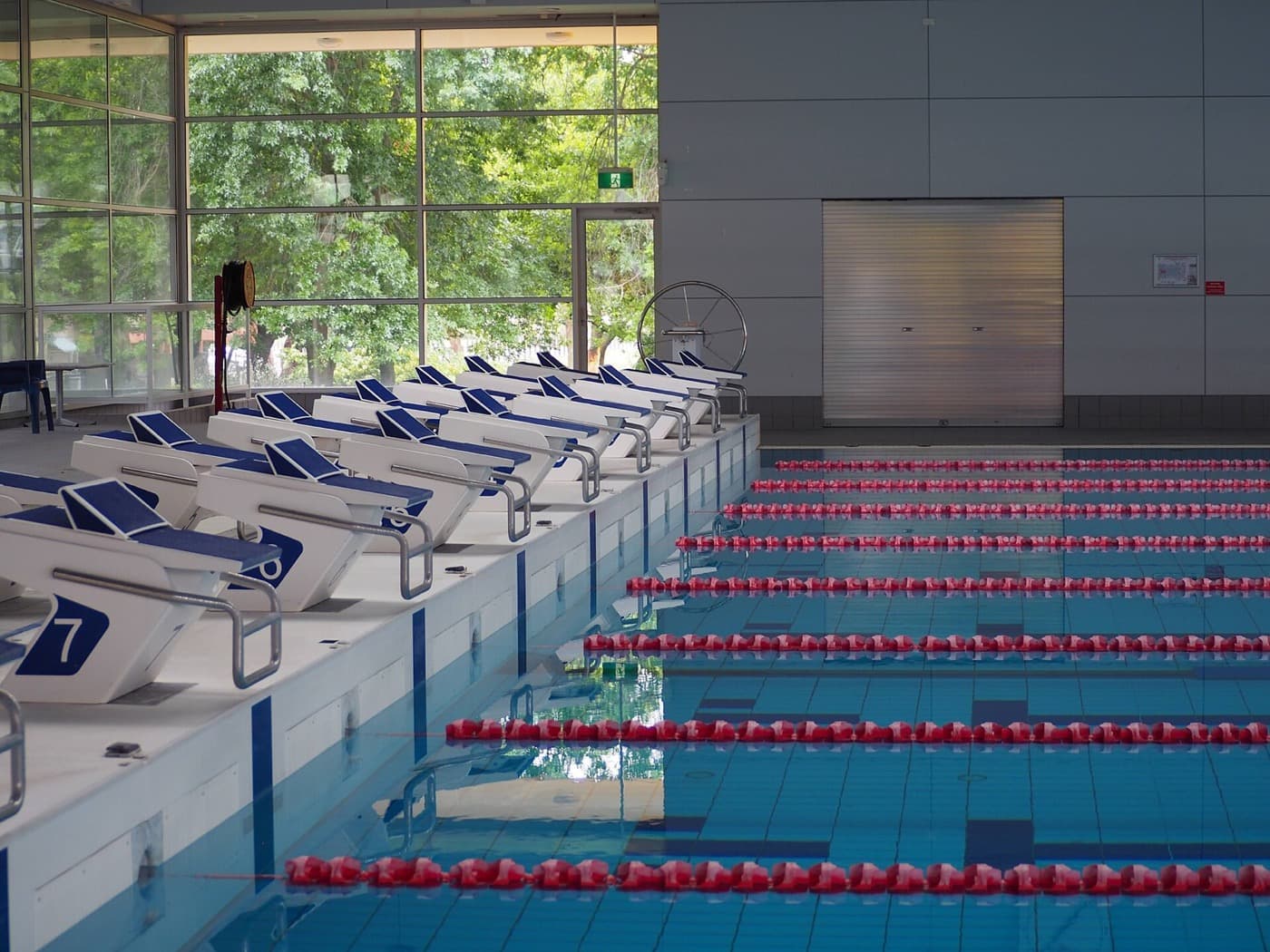
Swimming
A full-body, low-impact endurance sport suitable for almost every age and ability.
Explore across the knowledge base
Follow the threads that connect Drill to the rest of SocialSportHub.
Beginner guides
- How to Prepare for Your First SessionA calm, practical walkthrough of getting ready for your very first session of any sport — arriving prepared, easing the nerves, and setting one small, realistic aim.
- How to Join a Beginner Group or ClassA warm, practical walk-through of joining a beginner sports group or class — what they are like, how to find one, and what a first session tends to feel like.
- How to Use a Learning CurriculumA learning curriculum is a plain, ordered map of what to learn in a sport and in roughly what order — here is how to use one to steer your own practice and sessions without turning it into a deadline.
- Beginner Sports Terminology: Making Sense of the WordsEvery sport comes with its own vocabulary, and this guide shows you how to stay relaxed about the words you don't know yet, lean on the glossary, and pick up the language naturally as you go.
Practice & sessions
- Tactical sessionA session built around tactics — how you use space, position and patterns of play, rather than the mechanics of a shot.
- Technical sessionA session built around technique — grooving and refining the mechanics of how a movement or shot is executed.
- Skill-development sessionA session built around learning and improving a skill over time — acquiring it, refining it and making it more reliable.
- Open-play sessionA turn-up-and-play session of informal, often social games — less structured than practice, focused on playing rather than drilling.
- Decision-making sessionA session built around choosing well under pressure — reading the situation and picking the right option, not just executing a skill.
Tactics
- Net position and the lobThe tactical core of padel — why the pair at the net wins most points, why the lob is the main weapon for taking that position, and how the walls make the exchange repeatable.
- Serve and third ballTable tennis's most-rehearsed tactical pattern — using a serve to force a predictable return so the third ball of the rally can be attacked from a known position.
Goals
- DisciplineBuild consistency, focus and self-discipline through the routines that sport and training encourage.
- TeamworkDevelop cooperation, communication and trust by playing sports that rely on working together.
- Improve coordinationSharpen how smoothly your body works together — like tracking and hitting a ball — through skill practice.
Exercises
Coaching concepts
- Deliberate PracticeFocused, effortful practice that targets a specific weakness with full attention and immediate feedback — not just repeating what you already do well.
- Transfer of TrainingWhether practice carries over to real performance — and why game-like, varied practice tends to transfer better than isolated, repetitive drills.
- Skill acquisitionHow a movement or sports skill is learned — progressing from conscious, effortful control to smooth, largely automatic execution through practice and feedback.
- Constraints-Led PracticeA coaching approach that adjusts the task, environment or rules so a desired movement or decision emerges in practice, rather than being explicitly instructed.
Go deeper with Drill
Everywhere else on the platform that covers Drill — assembled from what actually references it, so nothing here is a dead end.
Take it away
Open data and the whole-platform view of this subject.
How this page is maintained
- Content type
- Term
- Provenance
- Tier A — evergreen educational
- Verified external sources
- 0
- Content updated
- 2026-09-01
Evergreen, first-party explanation — it makes no claim that needs an external source. How we handle sources and reviews.