
Nordic Walking
Whole-body walking with poles

Overview
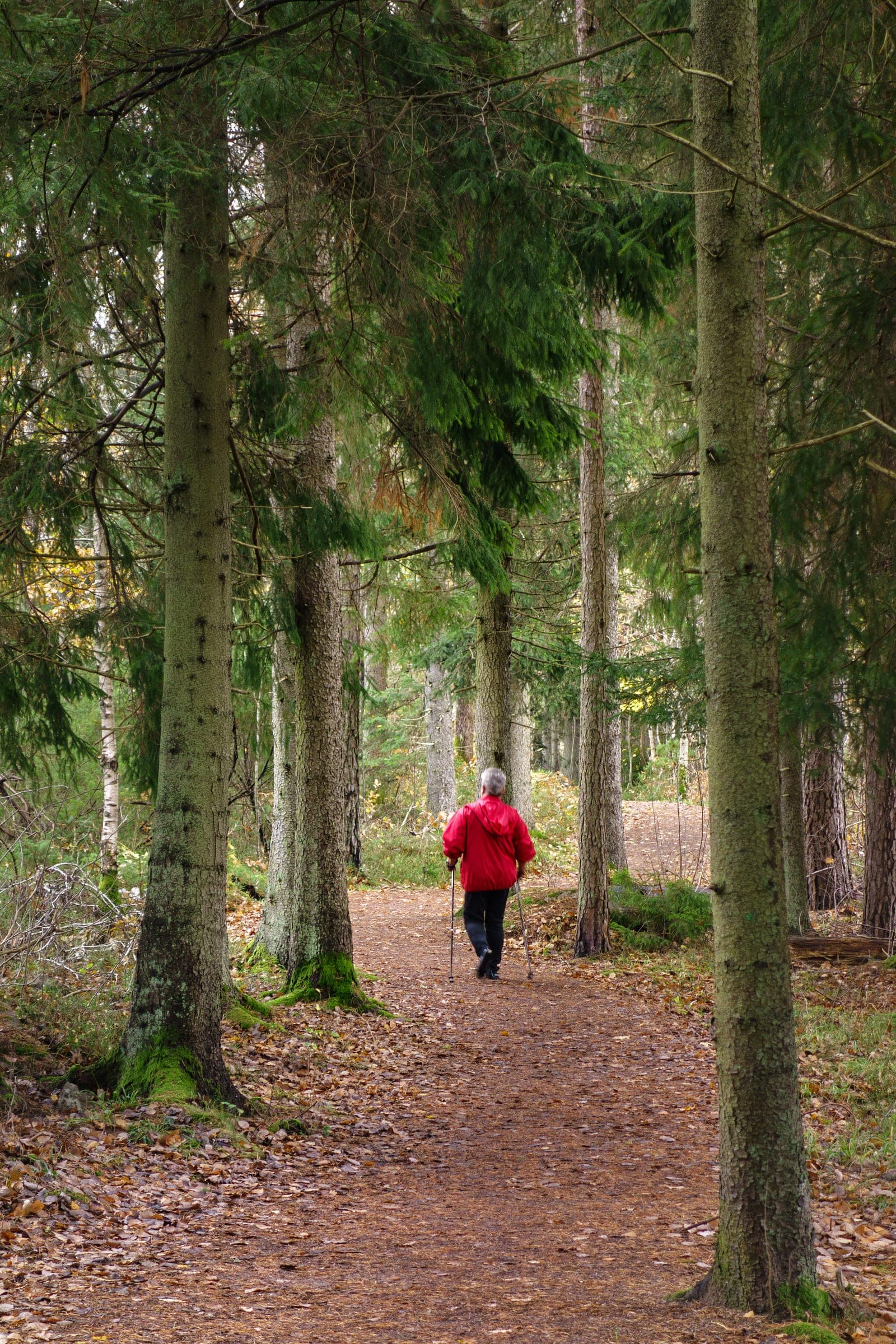
Nordic walking uses a pair of specially designed poles to turn an ordinary walk into a whole-body activity. By planting the poles and pushing through the arms with each stride, you engage the shoulders, arms and back alongside the legs, so more of the body shares the work.
It is one of the most approachable ways to be active outdoors: the movement is close to natural walking, the pace is easy to adjust, and the poles can add support and stability on varied ground. That makes it welcoming across a very wide range of ages and fitness levels.
Why nordic walking is good for your health
- Brings the upper body into a walk for a fuller workout
- Supports cardiovascular fitness at an easily adjustable intensity
- Poles can aid balance and stability on uneven ground
- Low-impact and accessible across a wide range of ages and abilities
The social side
- Nordic-walking groups make for a friendly, sociable outdoor activity
- An easy pace lets people chat while they walk
- Instructor-led sessions are a welcoming way to learn and meet others
How to start as a beginner
- 1Learn the basic pole technique, ideally from a short instructed session
- 2Start on flat, even paths to get used to the rhythm of the poles
- 3Match the poles to your height for a comfortable, natural swing
- 4Build up distance and pace gradually as the movement clicks
Equipment you’ll need
- Nordic walking polesEssentialSized to your height, with wrist straps
- Comfortable walking shoes or trainersEssential
- Weather-appropriate outdoor clothingEssential
- A water bottle for longer walksOptional
Where to play
Nordic Walking is typically played at:
Explore clubs and venues to understand the different places you can play, or see how to find people to play with.
Playing Nordic Walking
The equipment, rules, skills and more that make up the game — each cross-linked into the encyclopedia.
Training for Nordic Walking
Exercises, methods and example plans that help build what Nordic Walking needs — educational, not personalised prescriptions.
Related sports to explore
If you enjoy Nordic Walking, you might also like these.
Hiking
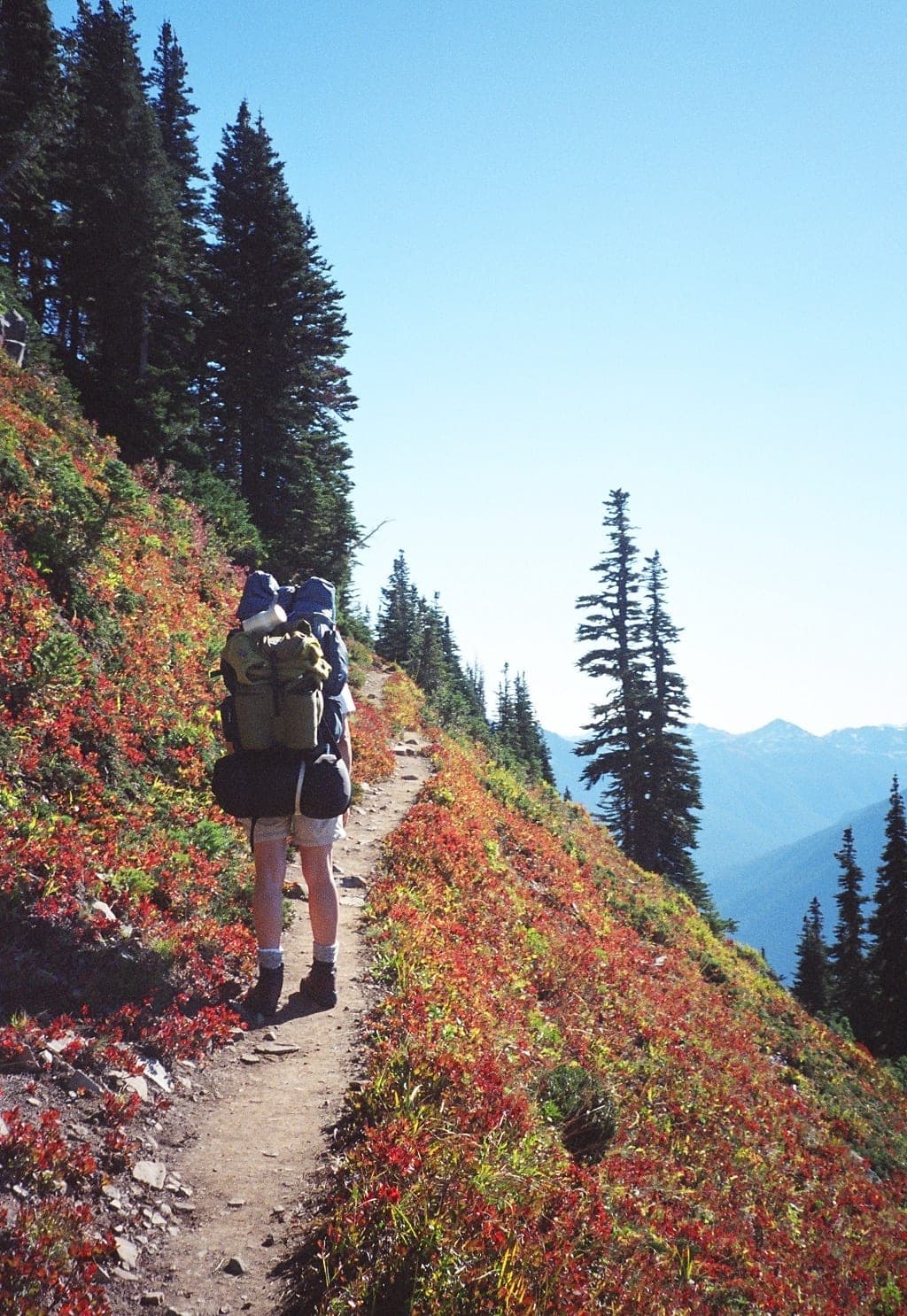
An accessible outdoor sport of walking natural trails and hills at your own pace, solo or in a group.
Running
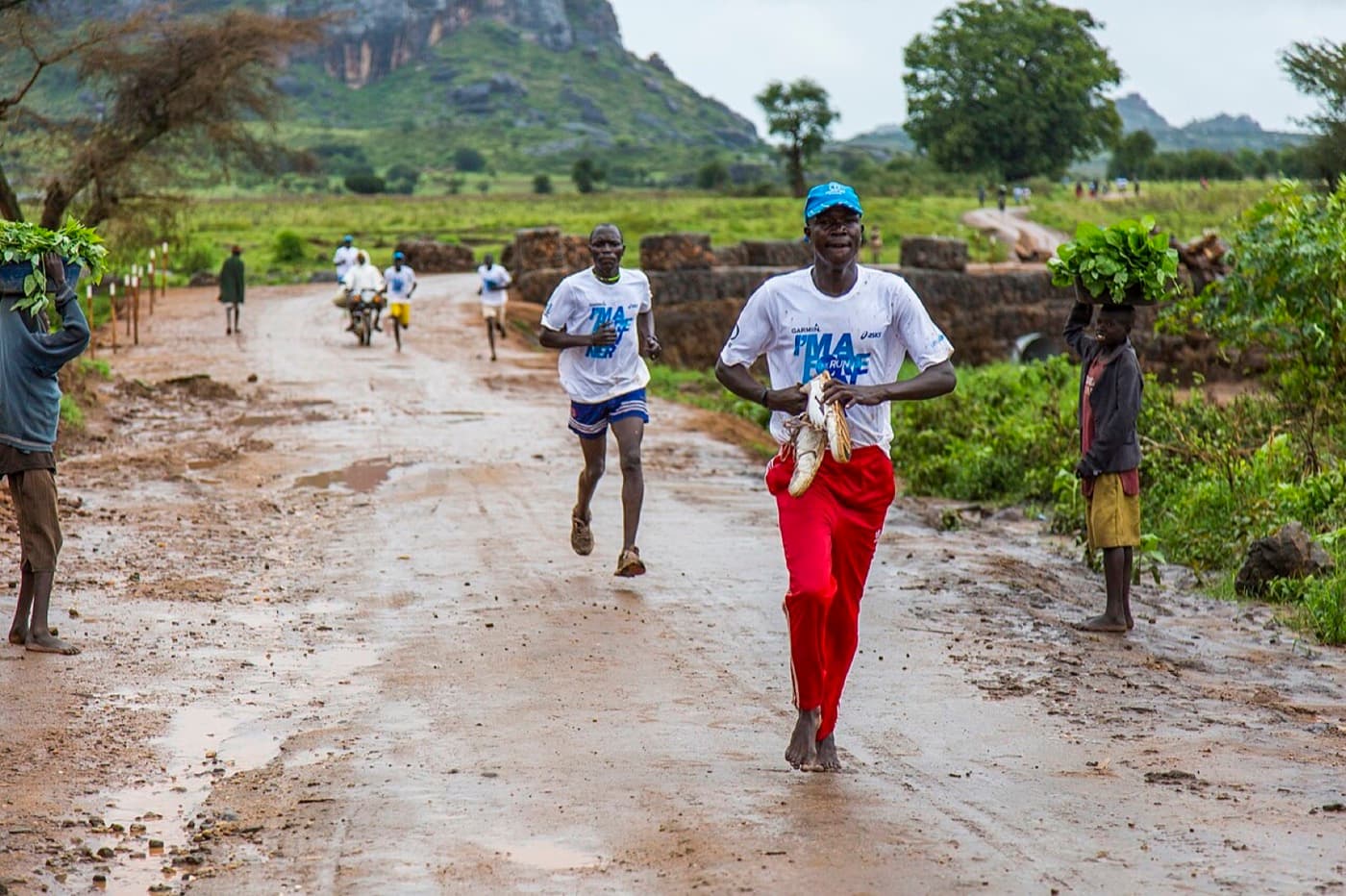
The most accessible endurance sport — no venue, just shoes and the open road or trail.
Race Walking
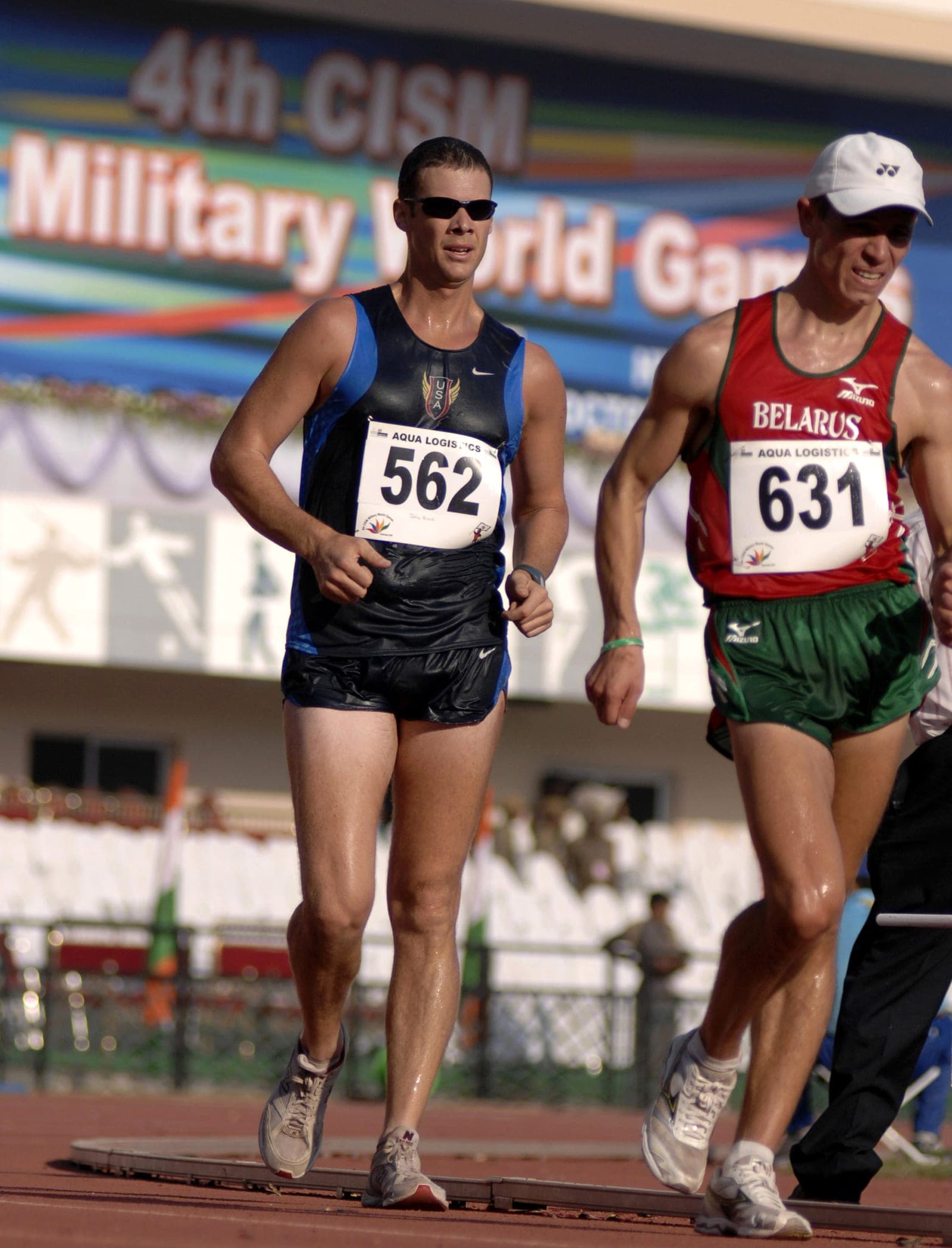
A technique-driven endurance sport that turns walking into a fast, low-impact discipline.
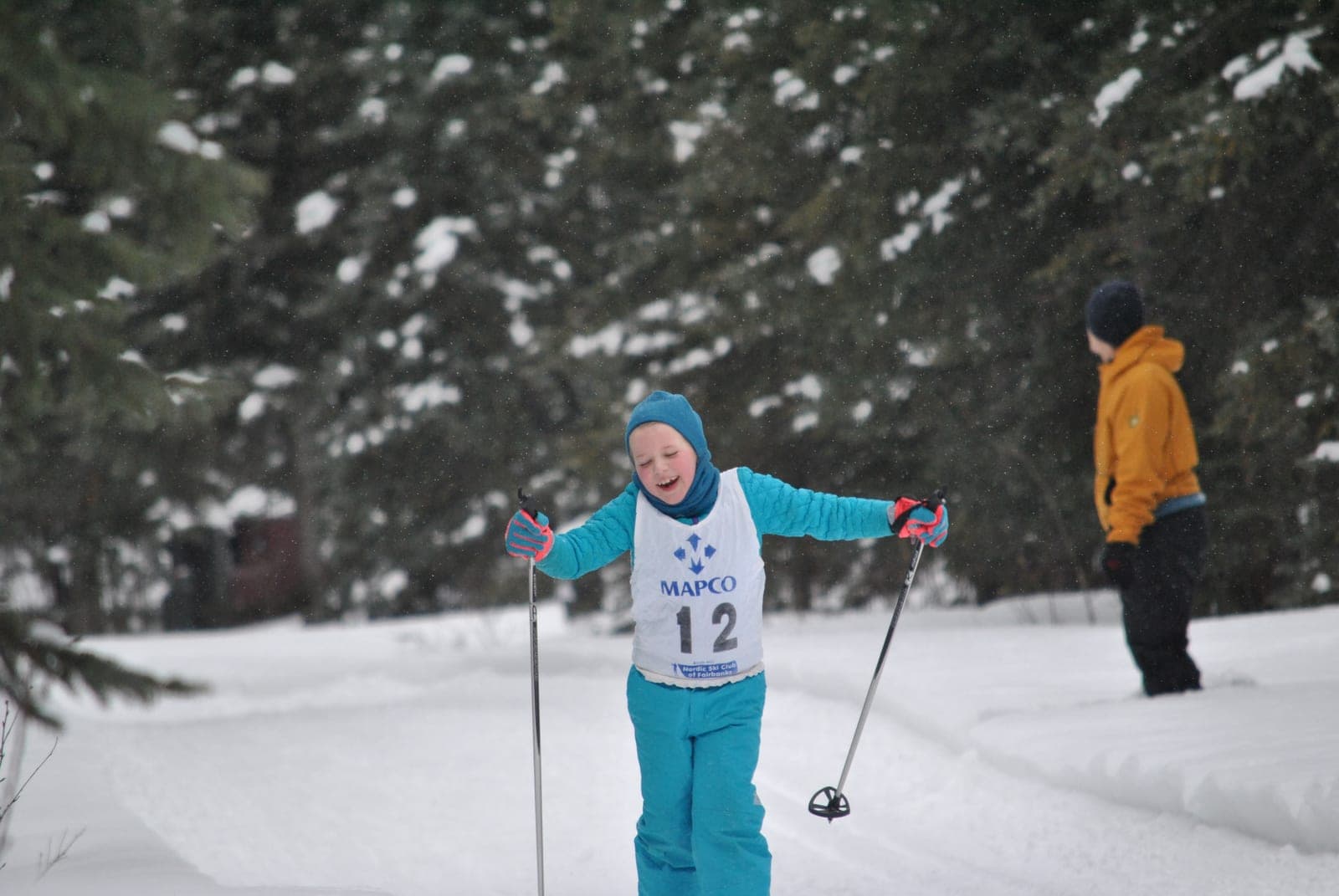
Cross-Country Skiing
A low-impact endurance snow sport where you propel yourself across flat and rolling terrain on skis.
Compare Nordic Walking with…
Deciding between Nordic Walking and something similar? See how they line up side by side.
Cross-Country Skiing vs Nordic Walking
How they compare on difficulty, intensity, kit and what suits you.
Hiking vs Nordic Walking
How they compare on difficulty, intensity, kit and what suits you.
Nordic Walking vs Race Walking
How they compare on difficulty, intensity, kit and what suits you.
Nordic Walking vs Running
How they compare on difficulty, intensity, kit and what suits you.
Nordic Walking vs Snowshoeing
How they compare on difficulty, intensity, kit and what suits you.
Reach your goals with Nordic Walking
People take up Nordic Walking for all kinds of reasons. Here is what it can help you work towards.
Lose weight
Combine regular, enjoyable movement with balanced habits to work toward a healthier weight in a way that lasts.
Become more active
Add regular, gentle movement to your everyday life and build up from a sedentary start at your own pace.
Improve cardiovascular health
Regular activity is widely linked with supporting heart and circulatory health as part of a balanced routine.
Reduce stress
Find calmer, healthier ways to unwind through regular movement, gentle mind-body activity and time outdoors.
Improve sleep
Support more restful sleep by staying active during the day and building a consistent daily rhythm.
Healthy aging
Stay active, steady and independent as you get older with a sustainable mix of gentle cardio, strength and balance work.
Who & where Nordic Walking fits
Sport should fit your life. Here is who Nordic Walking suits and when it works.
Seniors
How gentle, supported sport can help older adults stay active, mobile and connected, with a professional check first.
Complete beginners
How to start sport from scratch with accessible, low-pressure activities and a gentle, gradual approach.
At the office
Ways to stay active around a desk job — walking, mobility breaks and stretching that fit into a working day.
Morning
Fitting activity into your morning, from an early run to a gentle stretch, to start the day moving.
Low budget
Ways to be active without spending much, from free activities to low-cost options.
How it connects
The meaning-bearing relationships that place Nordic Walking in the wider knowledge graph — each one with the reason it exists.
Alternative to
Comparable enough that people choose between them.
- Cross-Country SkiingNordic Walking and Cross-Country Skiing are close enough that the platform maintains a side-by-side comparison of them.
- HikingNordic Walking and Hiking are close enough that the platform maintains a side-by-side comparison of them.
- Race WalkingNordic Walking and Race Walking are close enough that the platform maintains a side-by-side comparison of them.
- RunningNordic Walking and Running are close enough that the platform maintains a side-by-side comparison of them.
- SnowshoeingNordic Walking and Snowshoeing are close enough that the platform maintains a side-by-side comparison of them.
Helps achieve
A recognised route towards these goals.
- Lose weightNordic Walking is one of the sports listed under the “Lose weight” goal.
- Become more activeNordic Walking is one of the sports listed under the “Become more active” goal.
- Improve cardiovascular healthNordic Walking is one of the sports listed under the “Improve cardiovascular health” goal.
- Reduce stressNordic Walking is one of the sports listed under the “Reduce stress” goal.
- Improve sleepNordic Walking is one of the sports listed under the “Improve sleep” goal.
Supported by
These help the training or recovery side of this.
Explore across the knowledge base
Follow the threads that connect Nordic Walking to the rest of SocialSportHub.
Recommendations
- Recommended for “Lose weight”Sports, qualities, a learning path and first steps for “Lose weight” — every suggestion a real graph link, shown with its reason.
- Recommended for “Become more active”Sports, qualities, a learning path and first steps for “Become more active” — every suggestion a real graph link, shown with its reason.
- Recommended for “Improve cardiovascular health”Sports, qualities, a learning path and first steps for “Improve cardiovascular health” — every suggestion a real graph link, shown with its reason.
- Recommended for “Reduce stress”Sports, qualities, a learning path and first steps for “Reduce stress” — every suggestion a real graph link, shown with its reason.
- Recommended for “Improve sleep”Sports, qualities, a learning path and first steps for “Improve sleep” — every suggestion a real graph link, shown with its reason.
Beginner guides
- How to Choose a Sport as a BeginnerA calm, practical way to pick a first sport that fits your interests, your body, your budget and your life — with full permission to try a few and change your mind.
- Beginner Clothing and Equipment BasicsA calm, practical guide to what to wear and bring for a first session — comfort and freedom of movement first, borrow or hire before you buy, and footwear that matches the surface.
- How to Prepare for Your First SessionA calm, practical walkthrough of getting ready for your very first session of any sport — arriving prepared, easing the nerves, and setting one small, realistic aim.
Healthy living
- WalkingThe most accessible activity there is — free, low-impact, and one of the easiest ways to add movement to any day.
- Movement for Stress ReliefHow gentle, regular movement is widely associated with feeling calmer — a simple, accessible way to support everyday stress management.
- Recovery walkingEasy, relaxed walking used as a way to recover — a low-effort way to keep moving on off days and after harder sessions.
- Morning MovementA little gentle activity early in the day to wake the body up and start on a positive note.
- Active CommutingBuilding movement into the journey to work or school — walking or cycling all or part of the way, so travel time doubles as active time.
Glossary
- Cool-downA cool-down is a period of light activity done after exercise to gradually bring the body back towards rest.
- Warm-upA warm-up is a period of gentle activity done before exercise to prepare the body for harder effort.
- GateA gate is a pair of poles marking a point a competitor must pass through on a marked race course.
Movement patterns
- GaitThe cyclic, alternating single-leg pattern of walking and running that carries the body across the ground — the base of most field and endurance sport.
- PushPressing a load or the body away from the torso — horizontally or overhead — by extending the shoulders and elbows, developing the chest, shoulders and triceps.
Go deeper with Nordic Walking
Everywhere else on the platform that covers Nordic Walking — assembled from what actually references it, so nothing here is a dead end.
Compare it
Head-to-head studies against the entities people actually weigh it against.
- Nordic Walking vs Cross-Country SkiingSide by side on the qualities that differ.
- Nordic Walking vs HikingSide by side on the qualities that differ.
- Nordic Walking vs Race WalkingSide by side on the qualities that differ.
- Nordic Walking vs RunningSide by side on the qualities that differ.
- Nordic Walking vs SnowshoeingSide by side on the qualities that differ.
Kit it out
Equipment guidance drawn from the graph, with no brands and no affiliate links.
Take it away
Open data and the whole-platform view of this subject.
How this page is maintained
- Content type
- Sport
- Provenance
- Tier A — evergreen educational
- Verified external sources
- 0
- Content updated
- 2026-07-06
Evergreen, first-party explanation — it makes no claim that needs an external source. How we handle sources and reviews.
Keep going
A sport is most rewarding alongside good habits, sensible nutrition and people to share it with. Here is where to go next.
How movement supports body and mind.
Eat well to feel and perform better.
Build routines that stick.
Ways to meet others and play together.
Where to play and what to expect.
Browse the full list by category.