
Adaptive rules
Adjustments to a sport's rules — such as how a ball may bounce or how play is signalled — that keep the game fair and playable for everyone.
Overview
Adaptive rules are changes to the way a sport is played so that people with a disability can take part on fair terms. A rule adaptation might allow a ball to bounce more than once, replace a visual signal with a sound, change how far a server stands, or adjust how contact is handled. The changes are designed to keep the sport challenging and recognisable while removing an unnecessary barrier.
Rule adaptations are usually set by the sport's governing body, so they are consistent, fair and understood by everyone playing. In casual and inclusive settings, groups may agree simpler, friendly adjustments so that a mixed-ability game works well. Either way, the goal is the same: a game that is genuinely playable and genuinely competitive. This is general information — for the exact rules of a given sport, its governing body is the authoritative source.
What to know
- Adjustments to how a sport is played so people with a disability can compete on fair terms.
- Examples include extra ball bounces, sound-based signals, or changes to serving, contact or court use.
- Adaptations keep a sport recognisable and competitive while removing an unnecessary barrier.
- Formal rule sets are defined by each sport's governing body for consistency and fairness.
- Casual, inclusive games may use simpler agreed adjustments so mixed-ability play works.
In practice
- Rules differ from sport to sport and setting to setting — there is no single universal adaptation.
- In recreation, the aim is a good game for everyone; agreeing adjustments together works well.
- In competition, adapted rules are precise and standardised so results are fair.
- For the exact, current rules of a sport, defer to its governing body rather than assuming.
Educational & inclusive
Related sports
Sports that connect to this topic — each with a clear, beginner-friendly guide.
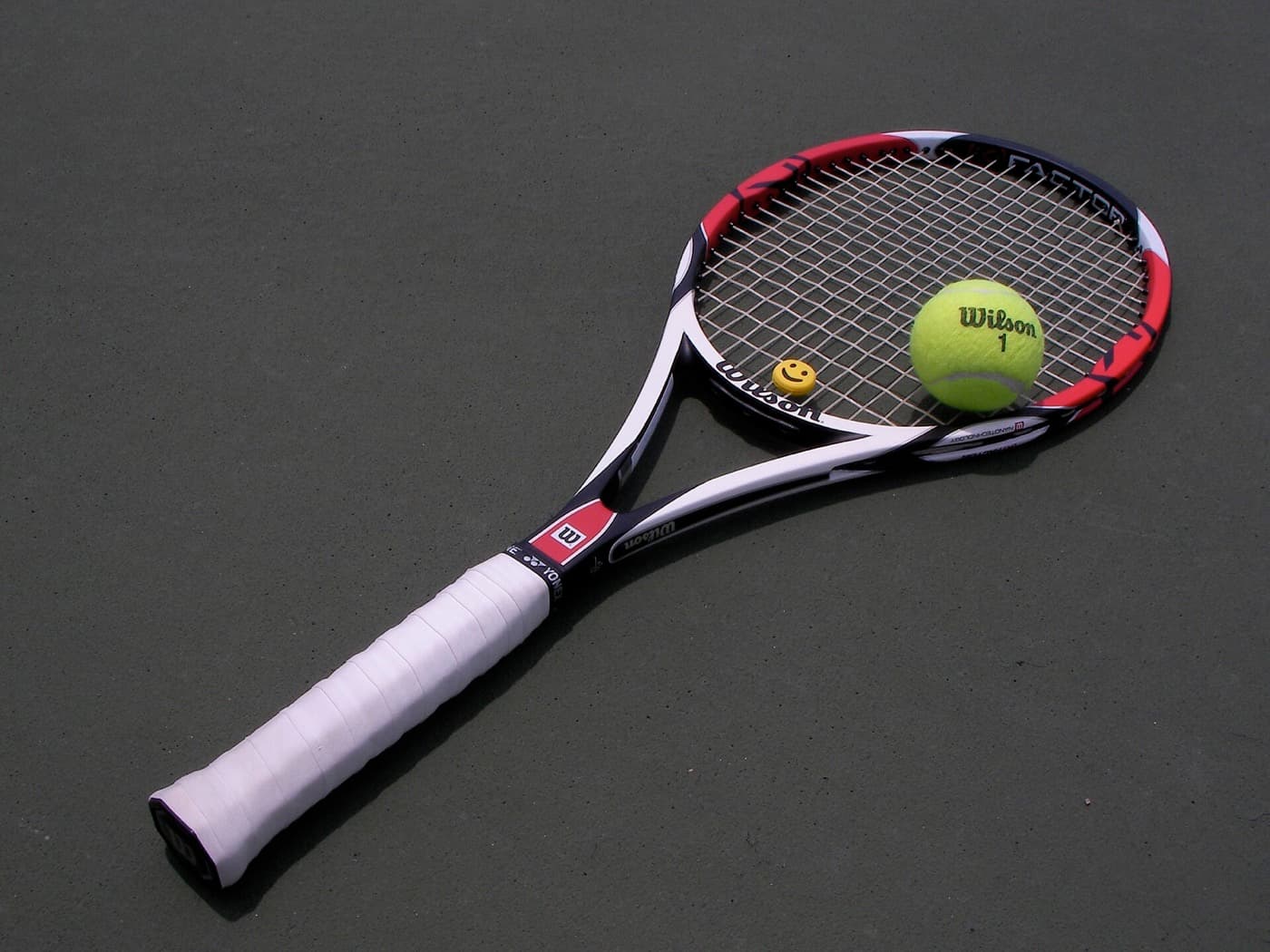
Tennis
A singles or doubles racquet sport that blends agility, strategy and stamina on court.
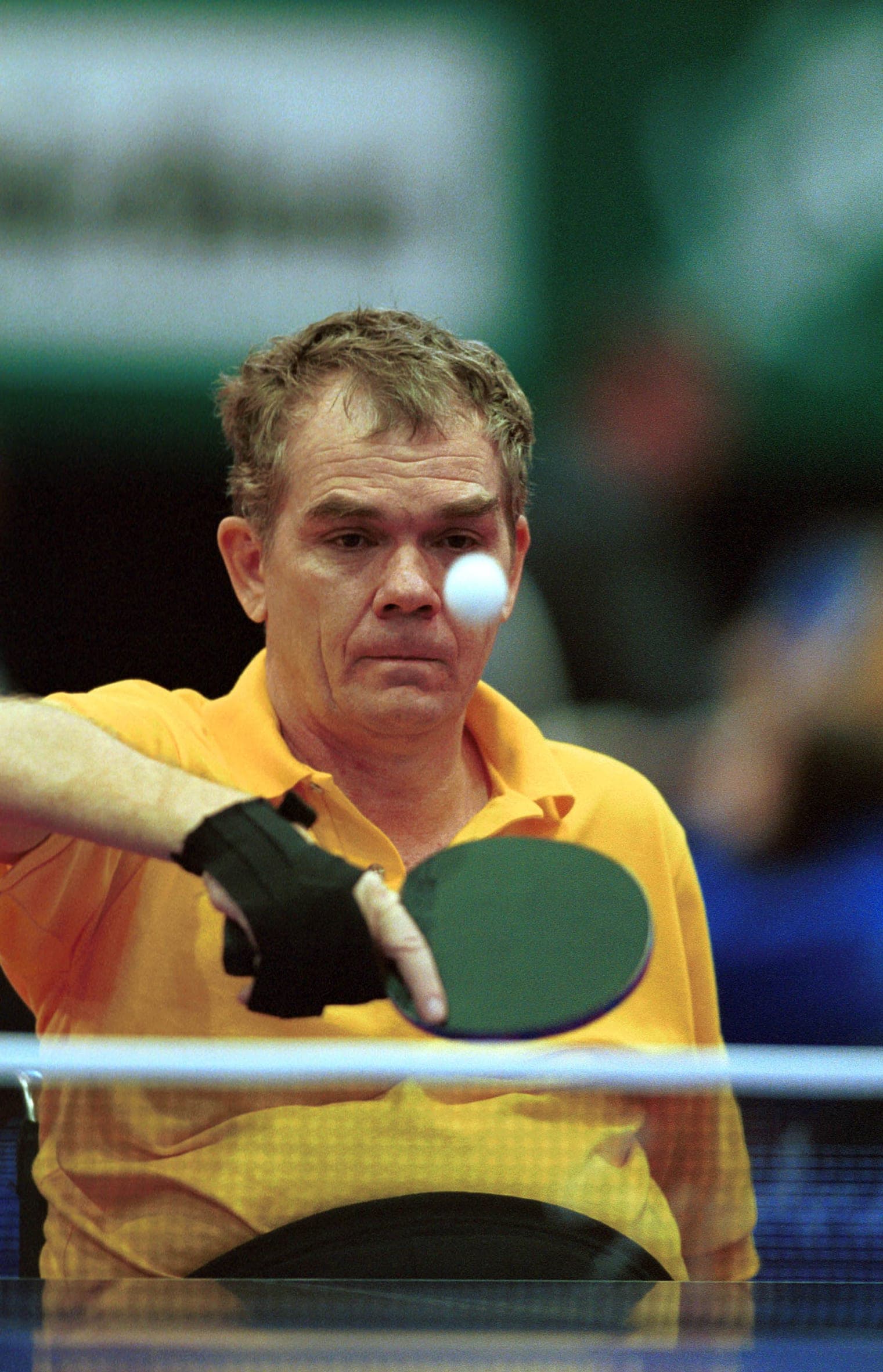
Table Tennis
A fast, low-impact indoor racquet sport that sharpens reflexes and is easy to start.
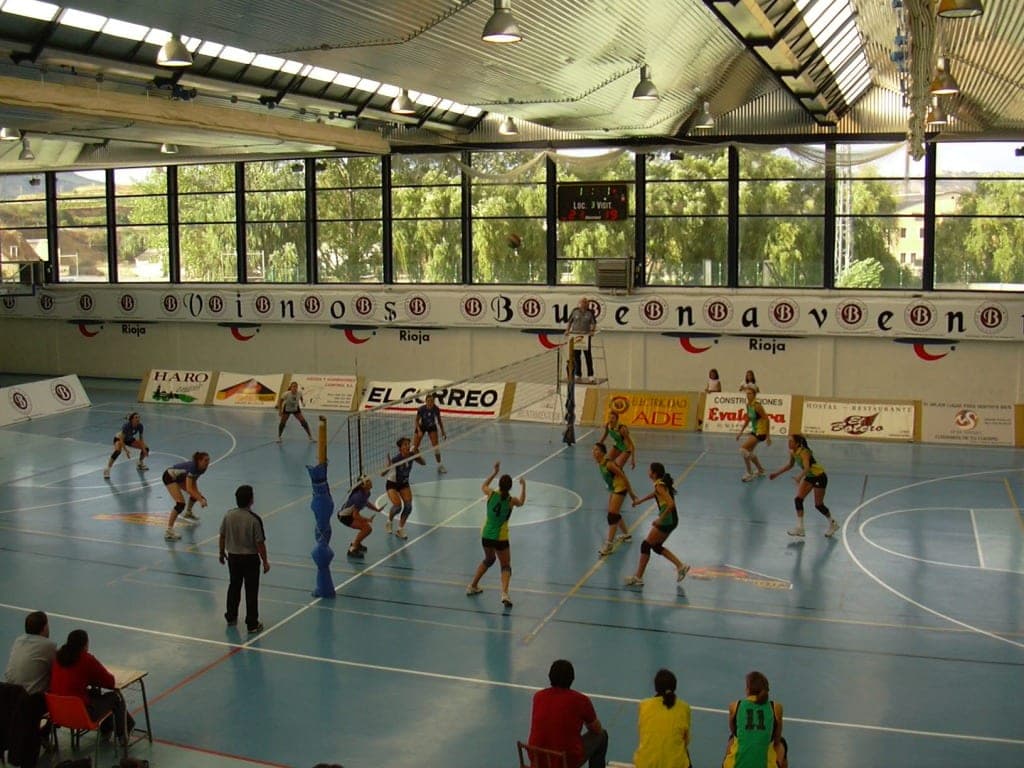
Volleyball
A non-contact team sport of rallies, jumps and teamwork — indoors or on the beach.

Basketball
A fast, dynamic team sport of running, jumping and quick decisions on court.
Goals it supports
Social activities
Use sport as a way to meet people, make friends and stay connected while staying active.
Build confidence
Use sport and steady progress to feel more capable, comfortable and self-assured over time.
Become more active
Add regular, gentle movement to your everyday life and build up from a sedentary start at your own pace.
Build an active lifestyle
Make movement a natural, lasting part of daily life through activities and habits you genuinely enjoy.
Frequently asked questions
Why do adaptive sports change the rules?
Rules are adapted to remove a barrier while keeping a sport fair, challenging and recognisable — for example allowing an extra bounce or using a sound instead of a visual cue. The aim is a game that is genuinely playable and competitive for everyone. For a sport's exact rules, its governing body is the authoritative source.
Explore across the knowledge base
Follow the threads that connect Adaptive rules to the rest of SocialSportHub.
Knowledge Atlas
Rules
- Two-bounce ruleA pickleball rule requiring both the serve and the return to bounce once before players may hit the ball out of the air.
- Three-hit ruleThe volleyball rule that a team may contact the ball at most three times before it must cross the net.
- The maulThe contest for a ball held off the ground in rugby union — how a maul differs from a ruck, why that difference changes what players may legally do, and why it is a driving weapon.
- Penalty strokes in golfStrokes added to a player’s score in defined situations, such as hitting out of bounds or losing a ball.
How this page is maintained
- Content type
- Adaptive sports topic
- Provenance
- Tier A — evergreen educational
- Verified external sources
- 0
- Content updated
- 2026-07-09
Evergreen, first-party explanation — it makes no claim that needs an external source. How we handle sources and reviews.