
Wrestling
Takedowns, control and full-body grit
_defeats_Chinas_Lijun_Yang.jpg)
Overview
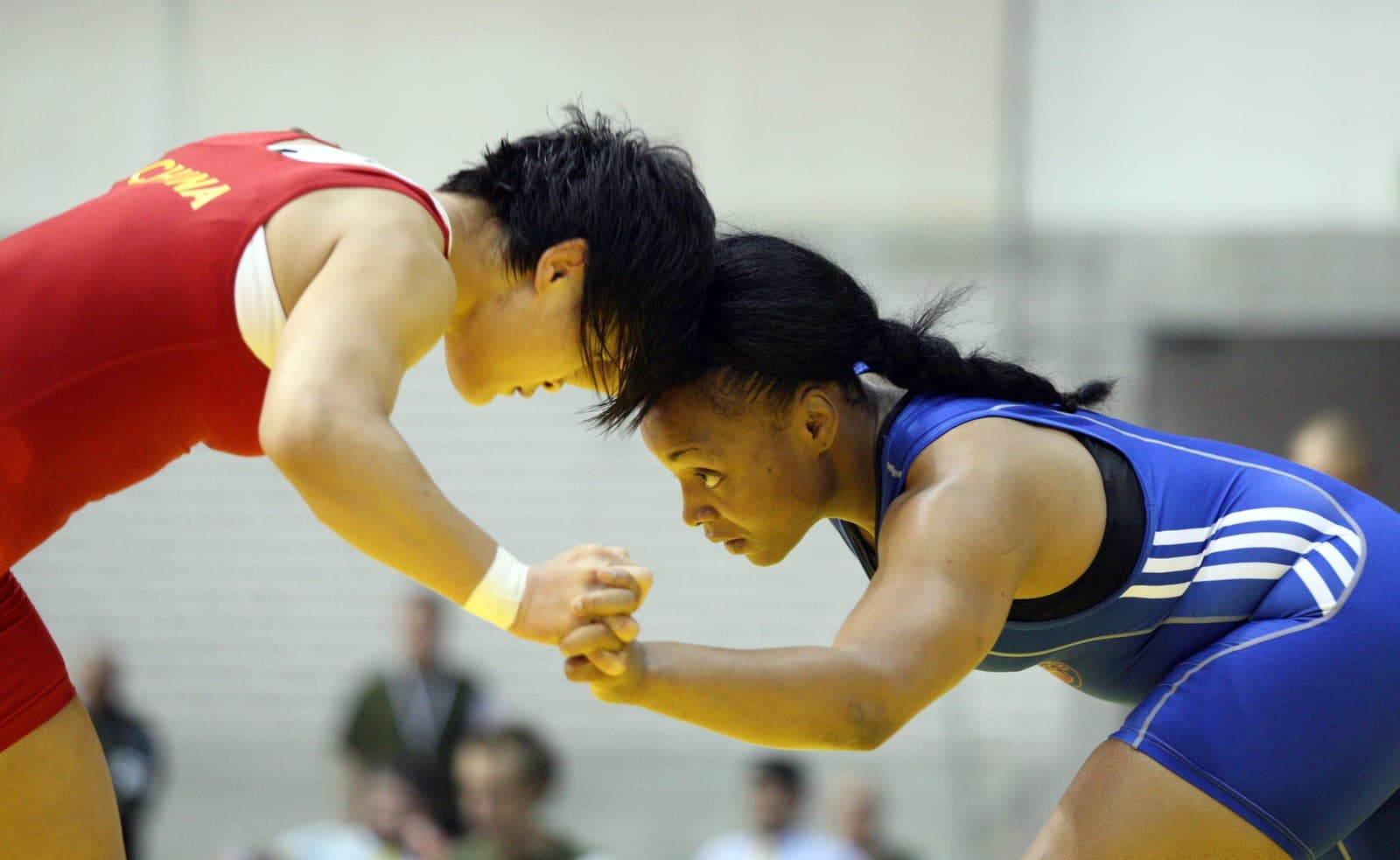
Wrestling is a grappling sport in which two athletes use takedowns, holds and control to gain advantage, often aiming to pin an opponent to the mat. It rewards a blend of strength, technique, balance and relentless conditioning.
Practised on padded mats, training centres on drilling positions and transitions before controlled live practice. Its demanding, full-body nature makes it one of the most physically complete sports, and it underpins the grappling in many other combat disciplines.
Why wrestling is good for your health
- Builds exceptional full-body strength and muscular endurance
- Develops explosive power, balance and coordination
- Provides an intense cardiovascular workout
- Improves body awareness and core stability
Physical qualities you’ll build
Wrestling is especially good for developing these qualities:
The social side
- Partner drilling builds trust and mutual respect
- Clubs and teams foster a resilient, supportive community
- Training partners push one another to improve
How to start as a beginner
- 1Find a club with qualified coaching and beginner sessions
- 2Learn your stance, movement and how to fall and roll safely
- 3Drill basic takedowns and holds before live practice
- 4Build conditioning gradually, as wrestling is very demanding
Equipment you’ll need
- Comfortable, fitted sportswearEssentialLoose clothing gets in the way when grappling
- Wrestling shoesOptionalLight shoes that grip the mat
- Access to matted training spaceEssential
- MouthguardOptional
Where to play
Wrestling is typically played at:
Explore clubs and venues to understand the different places you can play, or see how to find people to play with.
Wrestling disciplines
Wrestling isn’t one thing — it takes several distinct forms, each with its own character. Explore the disciplines within it.
Playing Wrestling
The equipment, rules, skills and more that make up the game — each cross-linked into the encyclopedia.
Related sports to explore
If you enjoy Wrestling, you might also like these.
Brazilian Jiu-Jitsu
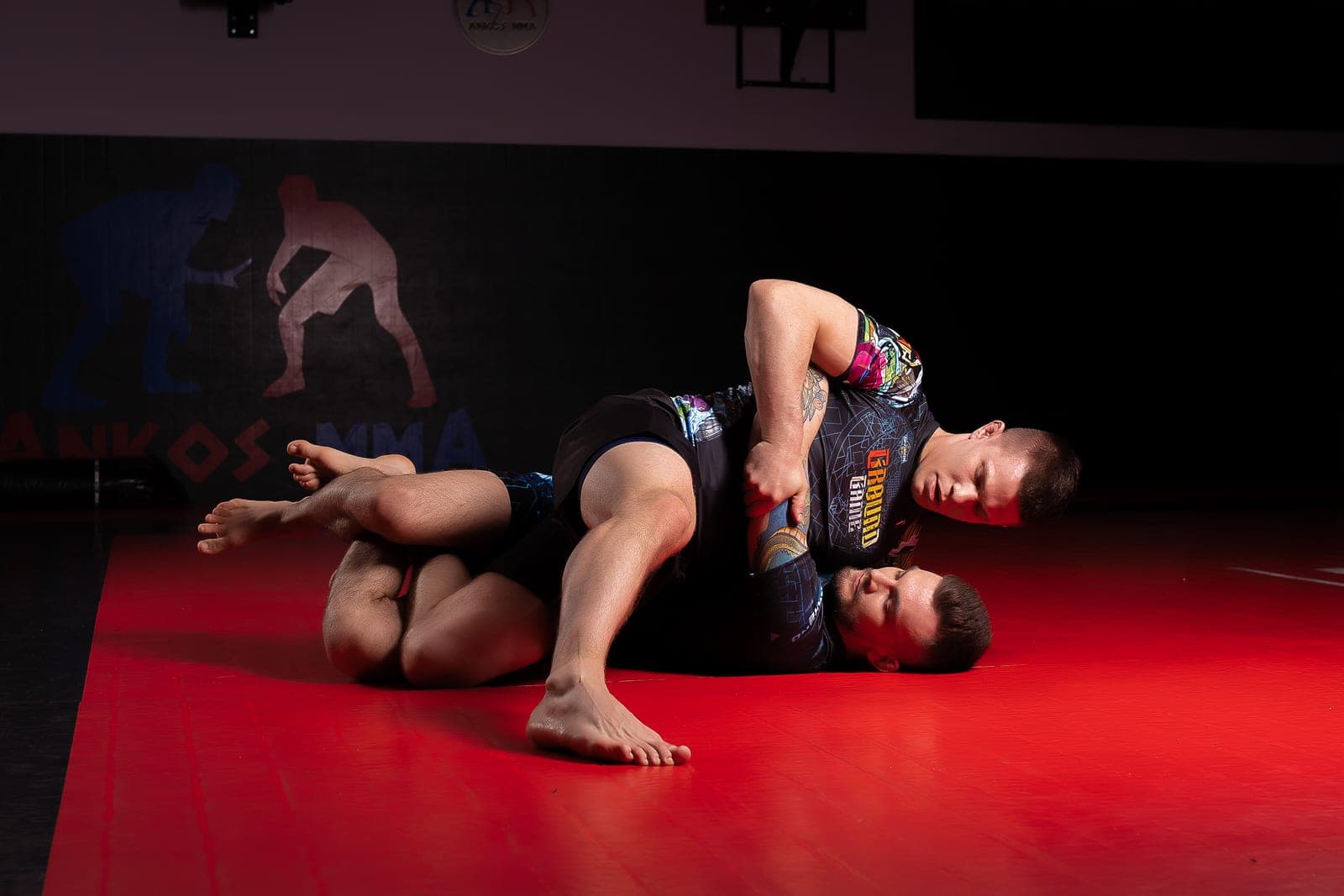
A ground-focused grappling art that uses leverage, position and technique to control a partner.
Judo
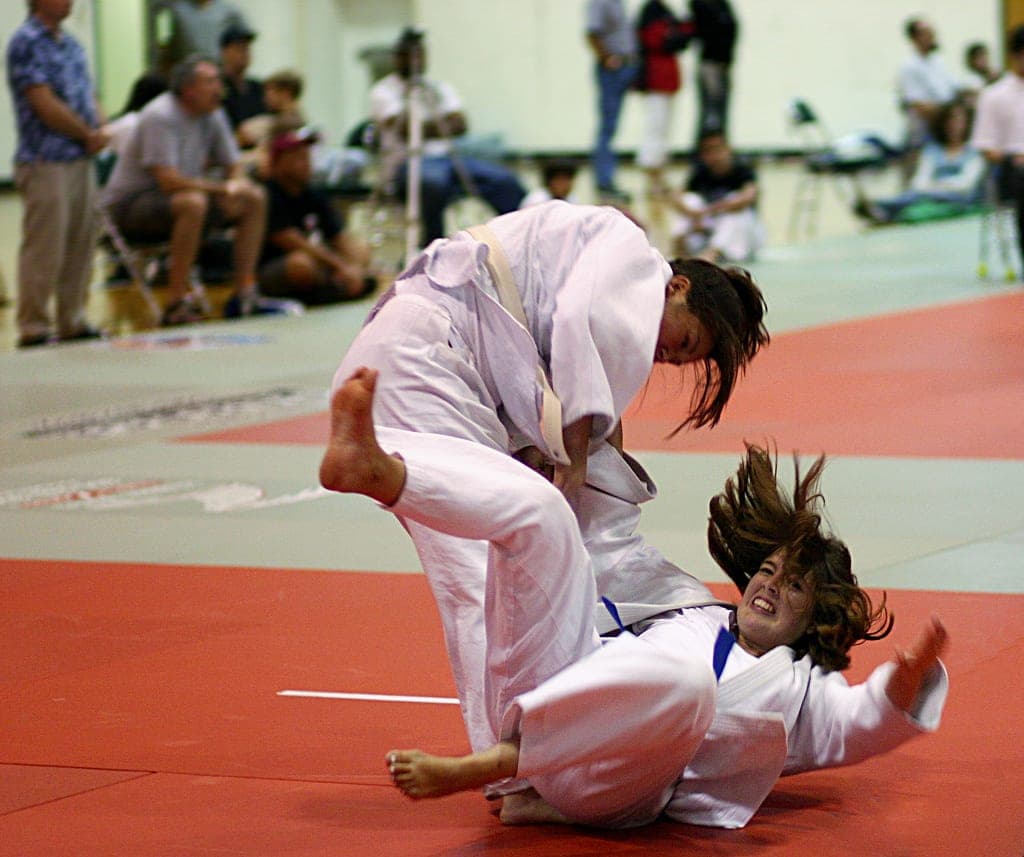
A grappling martial art based on throws, holds and control, practised on mats with a partner.
Mixed Martial Arts
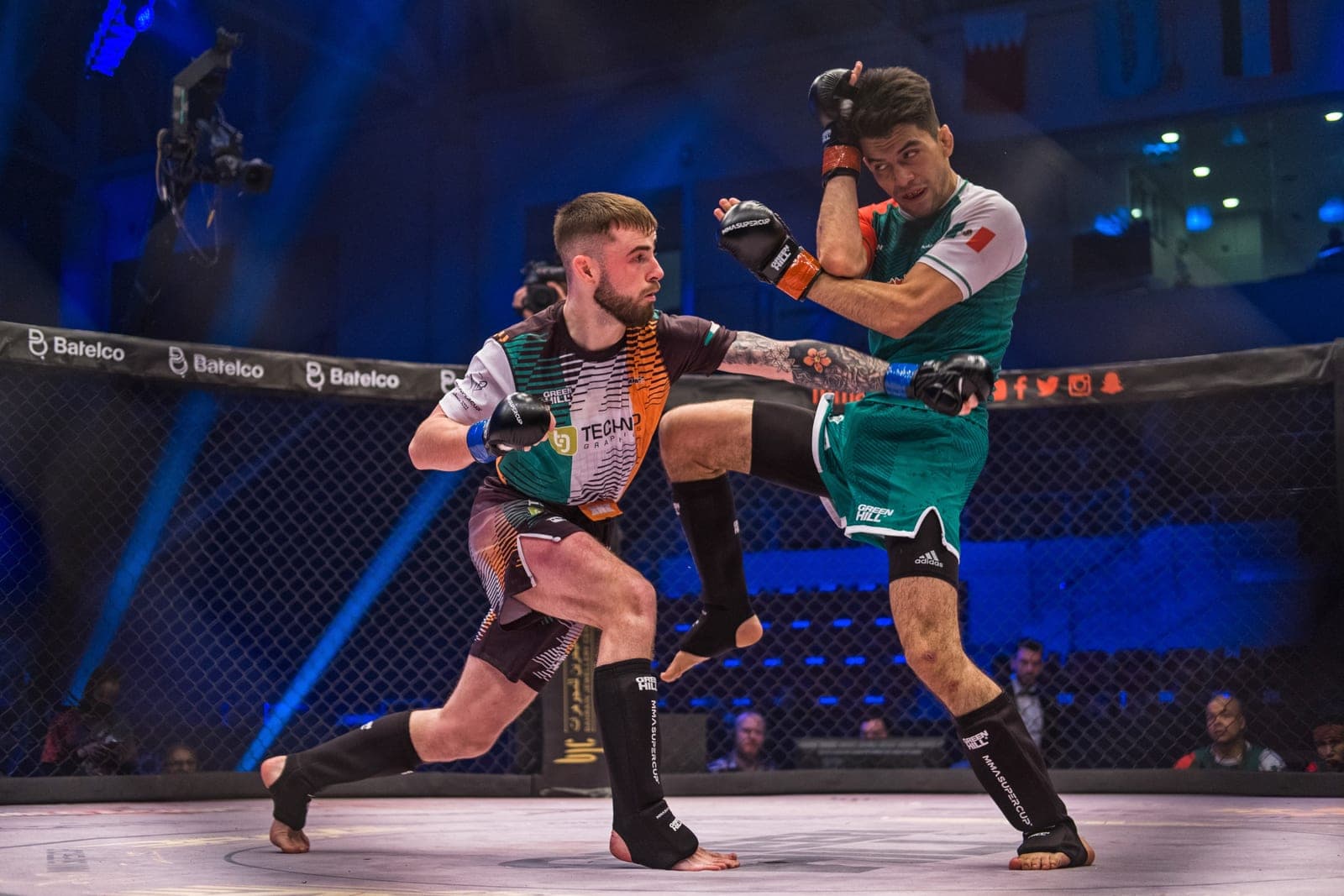
A combat sport that blends striking and grappling from several disciplines into one all-round skill set.
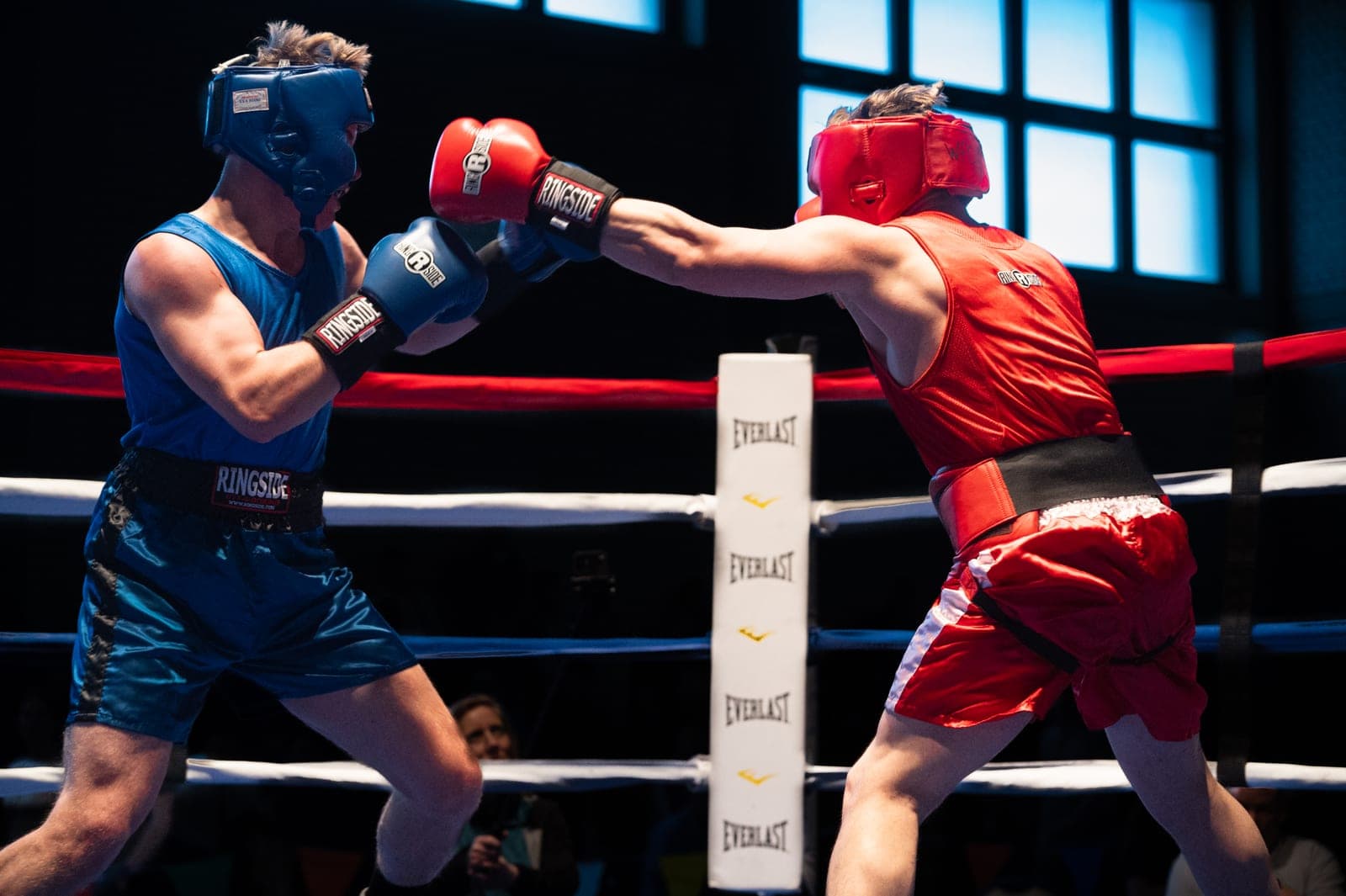
Boxing
A striking combat sport built on footwork, timing and conditioning, practised from fitness drills to controlled sparring.
Compare Wrestling with…
Deciding between Wrestling and something similar? See how they line up side by side.
Boxing vs Wrestling
How they compare on difficulty, intensity, kit and what suits you.
Brazilian Jiu-Jitsu vs Wrestling
How they compare on difficulty, intensity, kit and what suits you.
Judo vs Wrestling
How they compare on difficulty, intensity, kit and what suits you.
Mixed Martial Arts vs Wrestling
How they compare on difficulty, intensity, kit and what suits you.
How it connects
The meaning-bearing relationships that place Wrestling in the wider knowledge graph — each one with the reason it exists.
Alternative to
Comparable enough that people choose between them.
- BoxingWrestling and Boxing are close enough that the platform maintains a side-by-side comparison of them.
- Brazilian Jiu-JitsuWrestling and Brazilian Jiu-Jitsu are close enough that the platform maintains a side-by-side comparison of them.
- JudoWrestling and Judo are close enough that the platform maintains a side-by-side comparison of them.
- Mixed Martial ArtsWrestling and Mixed Martial Arts are close enough that the platform maintains a side-by-side comparison of them.
Explore across the knowledge base
Follow the threads that connect Wrestling to the rest of SocialSportHub.
Glossary
- Double EliminationA knockout format in which a competitor is only out of the tournament after losing twice.
- PinHolding an opponent's shoulders or back down against the mat; in wrestling it wins the bout instantly, while in judo a timed hold-down scores.
- RepechageA second-chance round that lets some competitors beaten earlier still qualify for the medal stages.
- TakedownA move that brings a standing opponent down to the mat or ground while the attacker gains a controlling position.
- Classification (Para Sport)The system of grouping para athletes so that those with a similar degree of activity limitation compete together.
Adaptive sports
- Ambulant Para SportsPara sports for athletes who compete standing or on foot — walking or running — rather than from a wheelchair or seated position.
- Para sportsThe competitive branch of adaptive sport, where athletes with disabilities train and compete, often within organised classification systems.
- Adaptive competitionsOrganised events where athletes with disabilities compete, from local grassroots fixtures up to major international championships.
- Sports for Deaf and Hard of Hearing AthletesMainstream sports made accessible by replacing sound-based signals with visual cues so that deaf and hard of hearing athletes can take part and compete.
- Sports for Blind and Visually Impaired AthletesSports adapted with sound, touch and guiding support so that athletes who are blind or have low vision can take part and compete.
Go deeper with Wrestling
Everywhere else on the platform that covers Wrestling — assembled from what actually references it, so nothing here is a dead end.
Compare it
Head-to-head studies against the entities people actually weigh it against.
Kit it out
Equipment guidance drawn from the graph, with no brands and no affiliate links.
Take it away
Open data and the whole-platform view of this subject.
How this page is maintained
- Content type
- Sport
- Provenance
- Tier A — evergreen educational
- Verified external sources
- 0
- Content updated
- 2026-07-06
Evergreen, first-party explanation — it makes no claim that needs an external source. How we handle sources and reviews.
Keep going
A sport is most rewarding alongside good habits, sensible nutrition and people to share it with. Here is where to go next.
How movement supports body and mind.
Eat well to feel and perform better.
Build routines that stick.
Ways to meet others and play together.
Where to play and what to expect.
Browse the full list by category.