
Takedown
A move that brings a standing opponent down to the mat or ground while the attacker gains a controlling position.
Definition
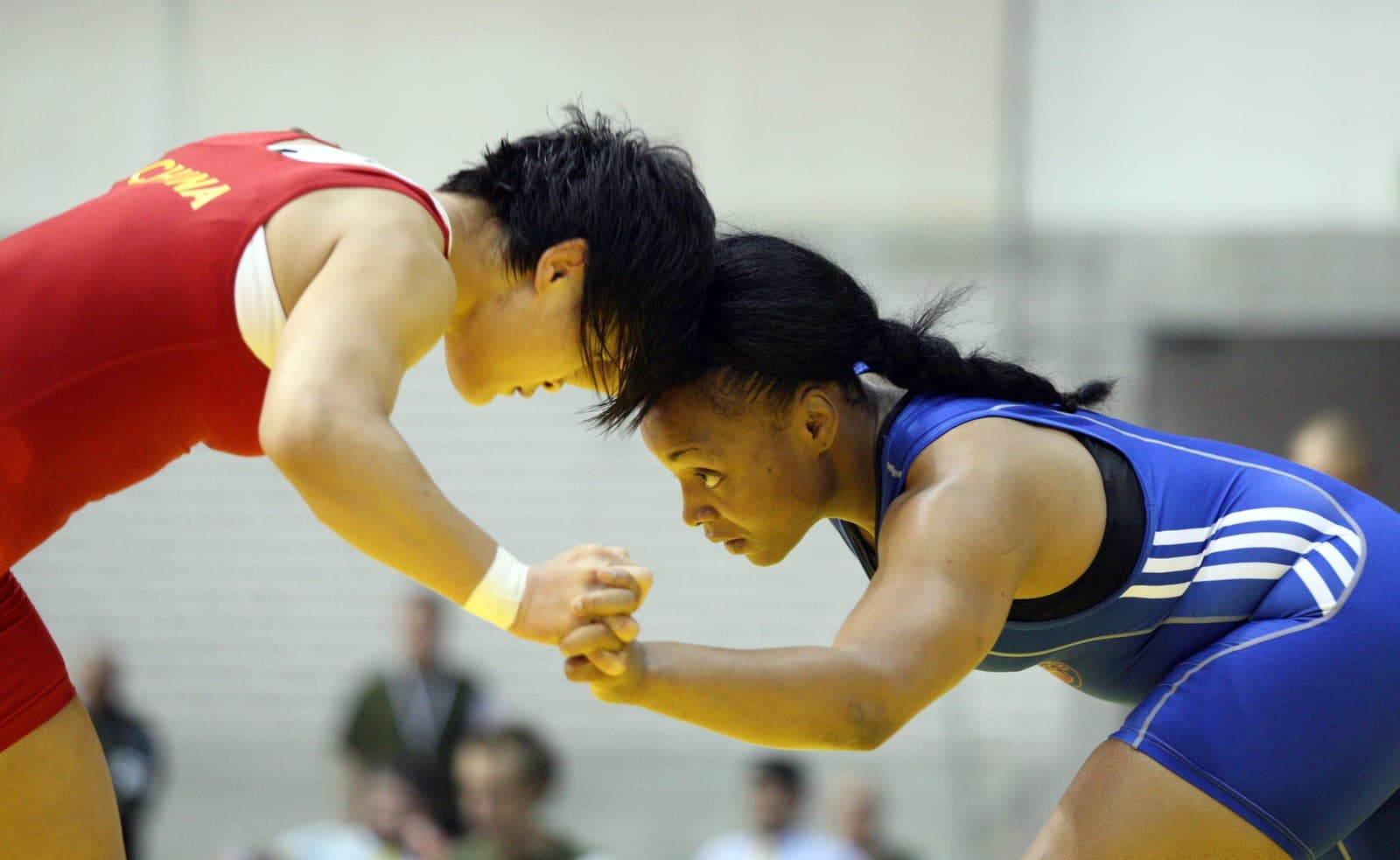
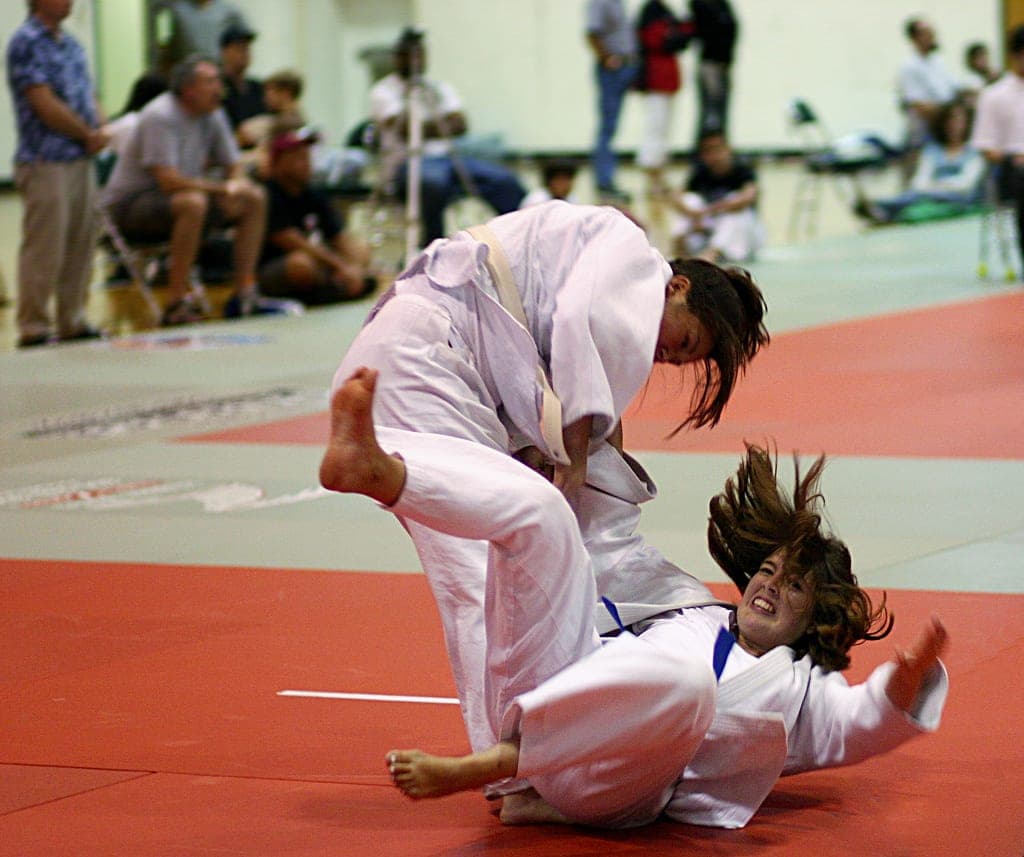
A takedown is a grappling maneuver that takes a standing opponent to the ground, ideally with the attacker ending on top or in control. Common forms include the double-leg and single-leg — attacking the opponent's legs — and upper-body throws and trips. Success depends on level changes, timing and off-balancing the opponent.
Takedowns are central to wrestling, judo, Brazilian jiu-jitsu and mixed martial arts, where they can score or set up follow-up control and finishing positions. Different rule sets reward them differently — some emphasise the throw itself, others the control gained afterward — but the shared goal is to move the contest from standing to the ground on the attacker's terms.
Where you’ll hear “takedown”
Sports that use this term:
How it connects
The meaning-bearing relationships that place Takedown in the wider knowledge graph — each one with the reason it exists.
Commonly confused with
Close enough to be mixed up — the distinction is worth knowing.
Explore across the knowledge base
Follow the threads that connect Takedown to the rest of SocialSportHub.
Muscle groups
Movement patterns
- LandingThe controlled absorption of force at ground contact that ends an airborne phase, dissipating impact through eccentric triple flexion of the ankle, knee and hip.
- AccelerationThe athletic pattern of building speed from a standing or slow start by driving large horizontal forces into the ground to project the body forward.
- JumpThe plyometric pattern of projecting the body off the ground through explosive triple extension and controlling the landing — the core expression of lower-body power.
- GaitThe cyclic, alternating single-leg pattern of walking and running that carries the body across the ground — the base of most field and endurance sport.
Techniques
- DeadliftA strength exercise that lifts a loaded barbell from the floor to a standing position by extending the hips and knees together.
- The cricket driveCricket's foundational attacking stroke, played straight down the ground or through the off side — the cover, straight and on drive, and the length that makes each one available.
Go deeper with Takedown
Everywhere else on the platform that covers Takedown — assembled from what actually references it, so nothing here is a dead end.
Take it away
Open data and the whole-platform view of this subject.
How this page is maintained
- Content type
- Term
- Provenance
- Tier A — evergreen educational
- Verified external sources
- 0
- Content updated
- 2026-09-01
Evergreen, first-party explanation — it makes no claim that needs an external source. How we handle sources and reviews.