
Ambulant Para Sports
Para sports for athletes who compete standing or on foot — walking or running — rather than from a wheelchair or seated position.
Overview
Ambulant para sports are for athletes who take part standing or on foot — walking or running — rather than from a wheelchair or a seated position. "Ambulant" simply means moving on foot. This includes athletes with a wide range of physical impairments, as well as many athletes with a vision impairment or an intellectual impairment, competing in familiar sports such as para athletics, para football and para badminton.
Because athletes stand or run, adaptations tend to focus on technique, equipment such as prosthetics or supports, and rules that keep competition fair. The exact adjustments depend on the individual and the sport. Ambulant formats keep sport open to people who move on foot but who benefit from adapted rules, classification or support to compete on a level playing field.
What to know
- Para sports for athletes who compete standing or on foot, rather than seated or in a wheelchair.
- "Ambulant" means moving on foot — walking or running.
- Includes athletes with a range of physical, visual or intellectual impairments.
- Common in sports such as para athletics, para football and para badminton.
- Adaptations focus on technique, supportive equipment and fair rules rather than a change of format to seated play.
In practice
- Ambulant is one broad grouping; within it, classification is used to create fair contests between athletes with different impairments.
- Needs vary widely, so equipment such as prosthetics or supports and the right technique are highly individual.
- Many ambulant para sports look very close to their mainstream versions, which can make them an accessible entry point.
- For guidance on eligibility, classification or a specific situation, ask the sport's governing body and a qualified professional.
Educational & inclusive
Related sports
Sports that connect to this topic — each with a clear, beginner-friendly guide.
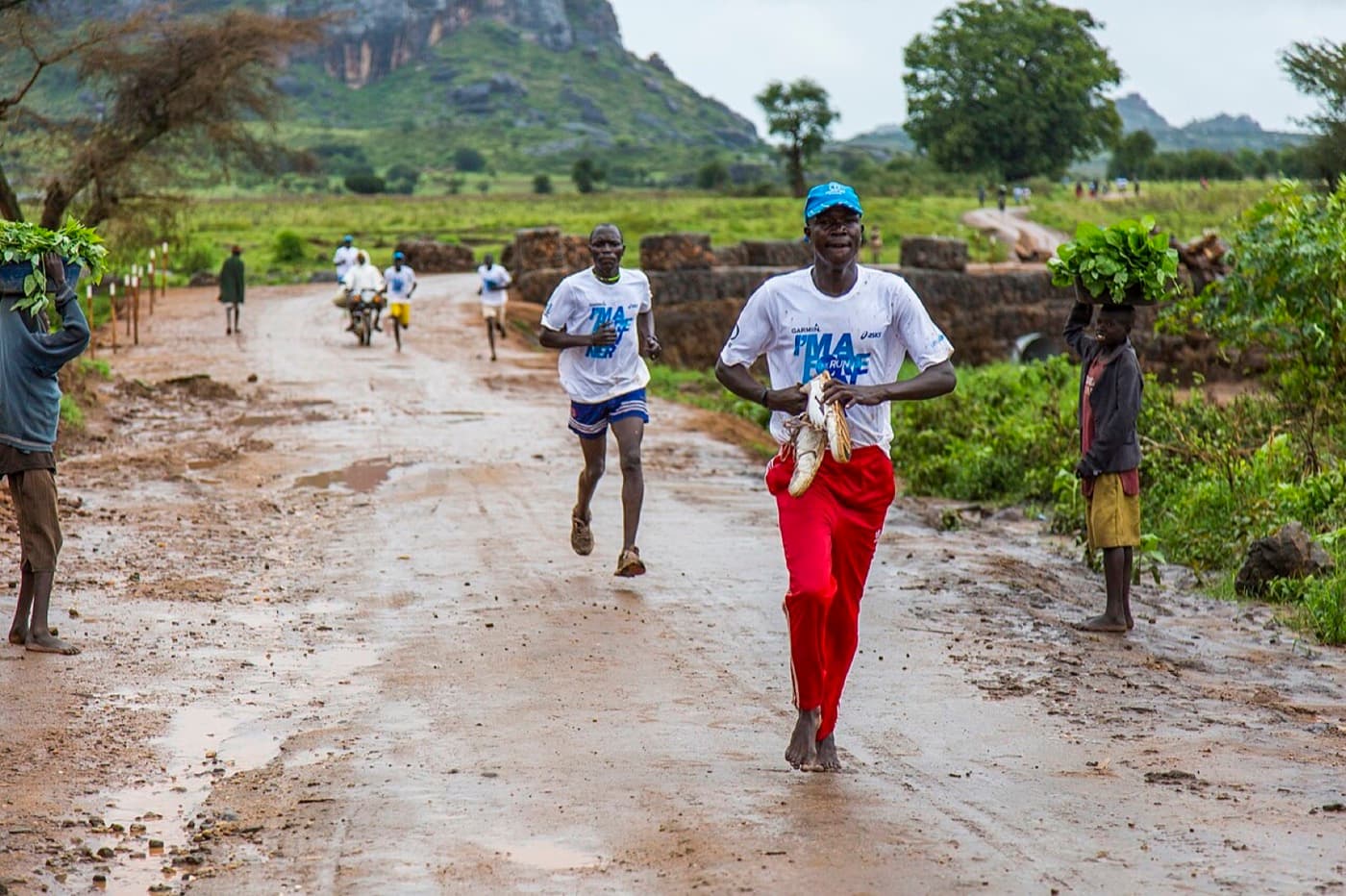
Running
The most accessible endurance sport — no venue, just shoes and the open road or trail.
Football
The world’s most popular team sport — endless running, teamwork and community in one game.
Swimming
A full-body, low-impact endurance sport suitable for almost every age and ability.
Badminton
A fast indoor racquet sport played with a shuttlecock that rewards agility and touch.
Goals it supports
Build an active lifestyle
Make movement a natural, lasting part of daily life through activities and habits you genuinely enjoy.
Improve fitness
Build well-rounded fitness — stamina, strength and more — through regular, varied activity you can keep up.
Become more active
Add regular, gentle movement to your everyday life and build up from a sedentary start at your own pace.
Build confidence
Use sport and steady progress to feel more capable, comfortable and self-assured over time.
Frequently asked questions
What does ambulant mean in para sport?
Ambulant means moving on foot — walking or running — so ambulant para sports are for athletes who compete standing rather than from a wheelchair or a seated position. They include athletes with a range of physical, visual or intellectual impairments. Adaptations focus on technique, supportive equipment and fair rules.
How is fairness managed in ambulant para sports?
Athletes are grouped through classification so that people with different impairments can compete fairly — the aim is even matchups, not a judgement of ability. The exact approach depends on the sport. For details on eligibility and classification, check with the sport's governing body.
Explore across the knowledge base
Follow the threads that connect Ambulant Para Sports to the rest of SocialSportHub.
People
- Competitive athletesHow the platform fits someone who trains and plays to compete — structured, goal-directed preparation with coaching and recovery central.
- Complete beginnersHow to start sport from scratch with accessible, low-pressure activities and a gentle, gradual approach.
- Recreational athletesHow the platform fits someone who plays regularly for enjoyment and fitness rather than competition — staying active, sociable and healthy through sport.
Knowledge Atlas
Practice & sessions
- Tactical sessionA session built around tactics — how you use space, position and patterns of play, rather than the mechanics of a shot.
- Conditioning sessionA session built around physical conditioning — developing the fitness qualities a sport draws on, rather than its skills or tactics.
- Open-play sessionA turn-up-and-play session of informal, often social games — less structured than practice, focused on playing rather than drilling.
Playing surfaces
- Synthetic trackAn all-weather rubberised athletics running surface — firm, springy and high-grip — giving sprinters and distance runners fast, consistent, predictable footing.
- Court speed and the ITF Court Pace RatingHow tennis surface speed is actually measured — the ITF Court Pace Rating and its five categories — and why "clay is slow and grass is fast" is a description rather than an explanation.
Player roles
- All-RounderAn all-rounder is a versatile player who contributes across attack and defence rather than specialising in a single phase, position, or skill.
- Utility playerA dependable, versatile player who can competently fill several different positions as the team needs, rather than specialising in just one.
- PlaymakerThe playmaker is a team's creative hub — the player who orchestrates attacks, controls the tempo and distributes the ball so teammates can score.
How this page is maintained
- Content type
- Adaptive sports topic
- Provenance
- Tier A — evergreen educational
- Verified external sources
- 0
- Content updated
- 2026-07-09
Evergreen, first-party explanation — it makes no claim that needs an external source. How we handle sources and reviews.