
Muscular strength
How much force your muscles can produce in a single effort — the quality behind lifting, pushing, holding and driving off the ground.
Overview
Muscular strength is your muscles’ ability to generate force — lifting, pushing, pulling or holding against resistance. It supports posture, protects joints and is the foundation for power and many sporting movements.
Strength responds well to progressive resistance training and, encouragingly, can be built at almost any age when approached sensibly.
Why it matters
- Supports joints, posture and everyday lifting and carrying
- Helps maintain muscle and bone as you get older
- The base that power and speed are built on
How to train it
- Work the major movement patterns: squat, hinge, push, pull and carry
- Learn good technique first — consider a coached session or induction
- Add resistance gradually and allow rest days for muscles to recover
The overload–adaptation cycle
Why training makes you fitter
- 1Overload — apply a stress a little beyond the current comfortable level
- 2Fatigue — the effort temporarily reduces performance
- 3Recover — with rest and fuel, the body repairs
- 4Adapt — capacity rises slightly — then repeat at a new level
Sports that build muscular strength
These sports are especially good for developing this quality.
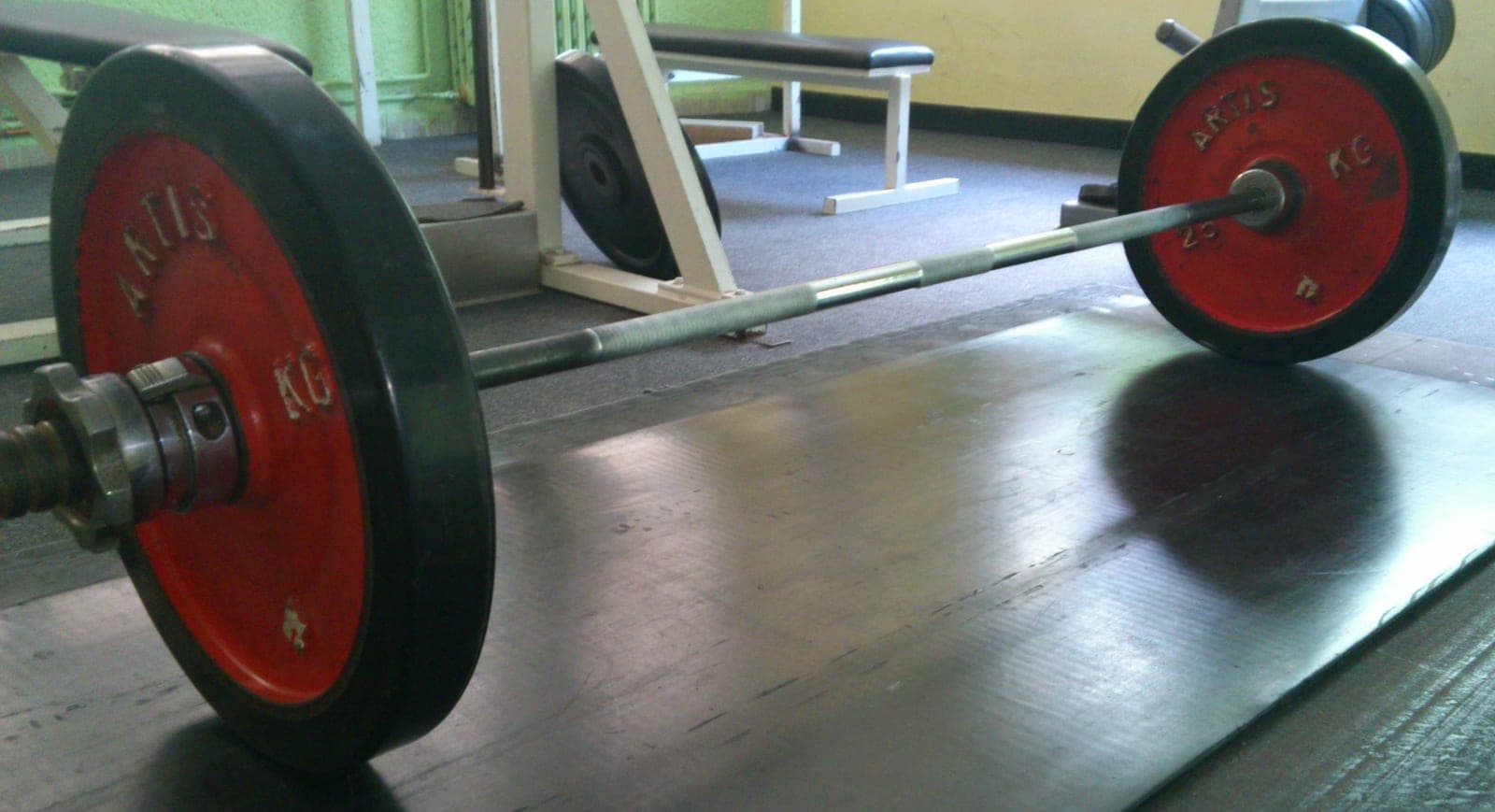
Weightlifting
A technical strength sport built around lifting a loaded barbell overhead with speed and control.
Powerlifting
A strength sport focused on lifting the heaviest weight you can across the squat, bench press and deadlift.
Bodybuilding
Resistance training focused on building muscle size, symmetry and definition through consistent effort.
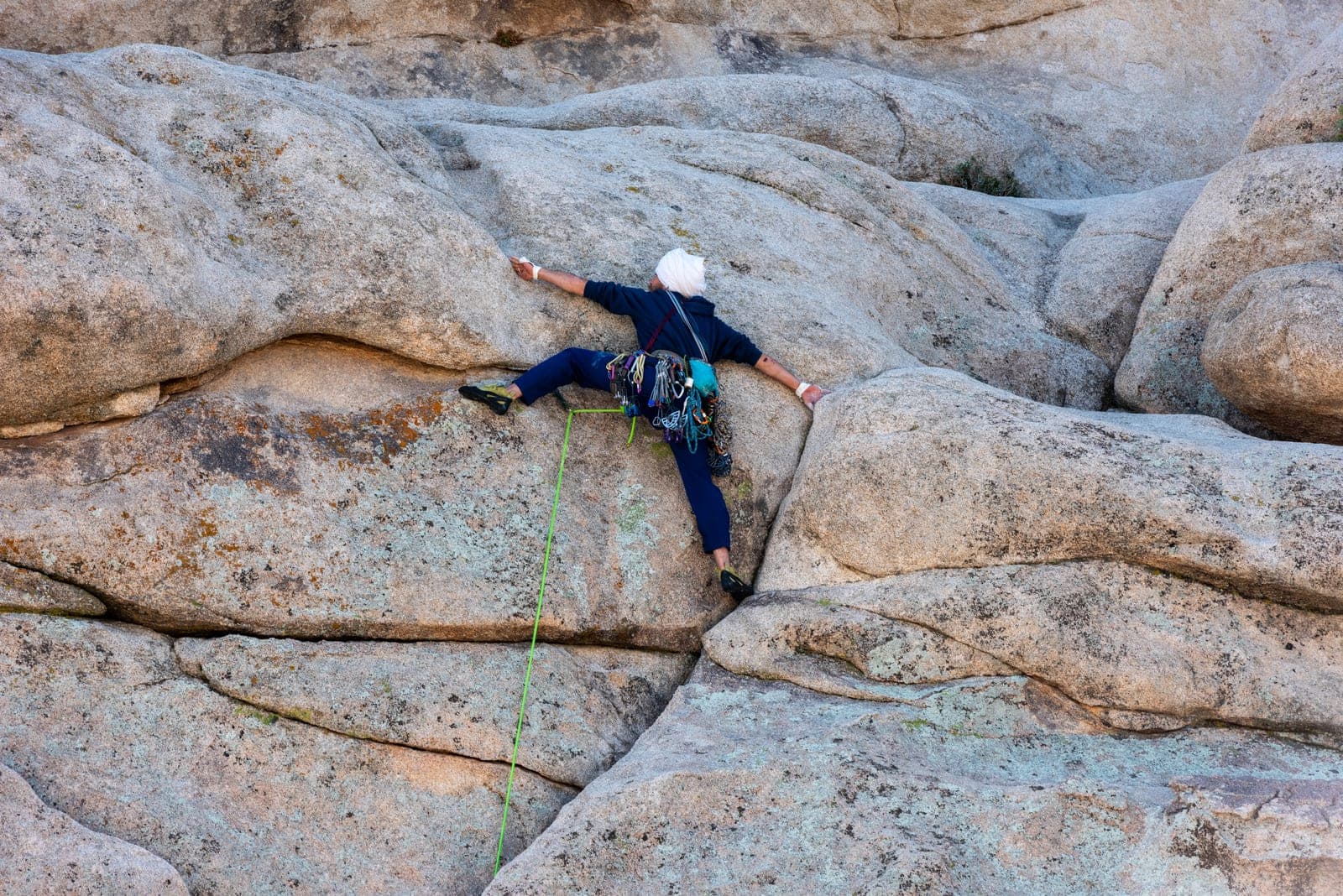
Rock Climbing
A rope-based climbing sport that pairs full-body strength with focus and careful technique, indoors or on rock.
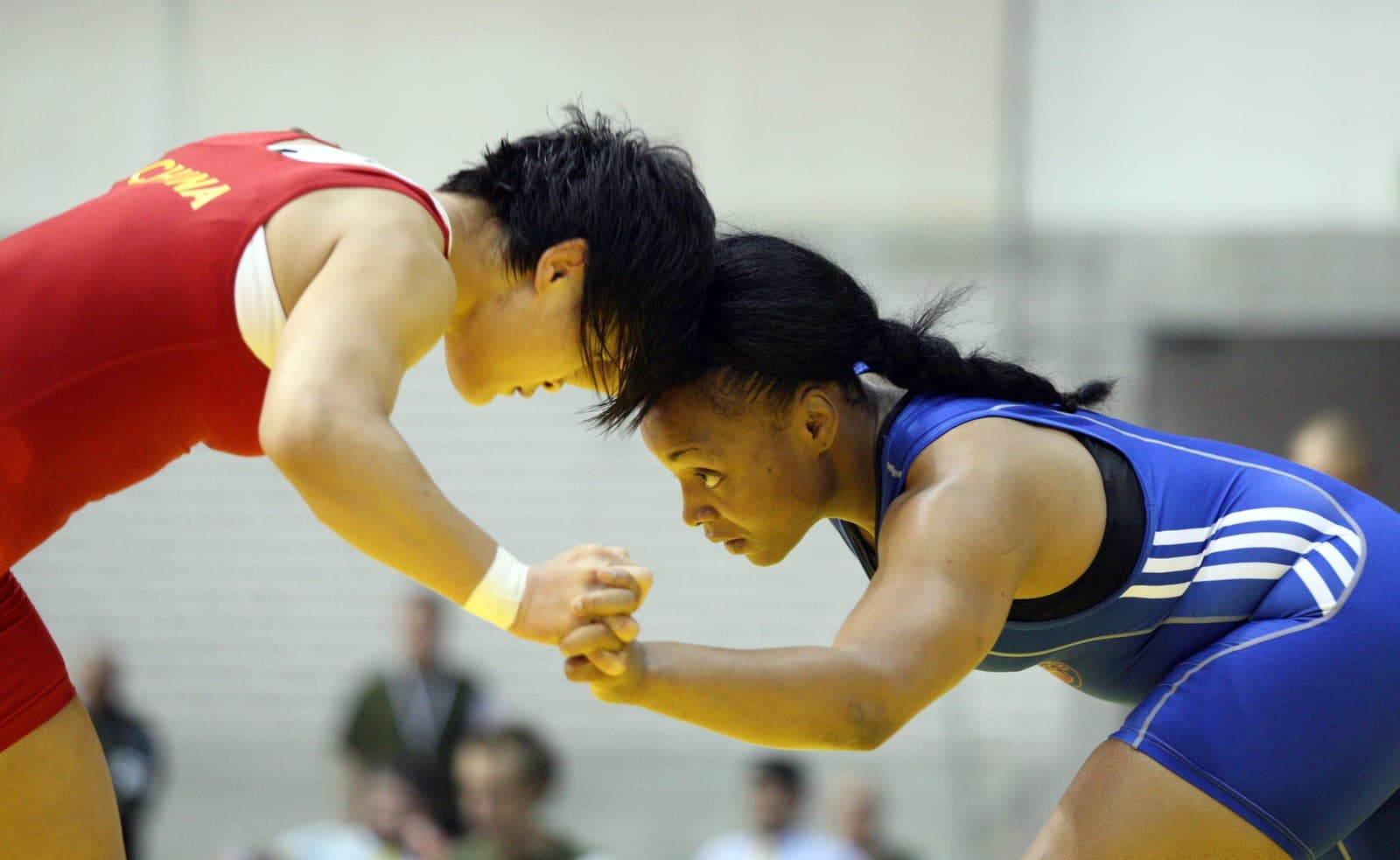
Wrestling
A grappling sport of takedowns and control where two athletes compete to pin or out-position each other.
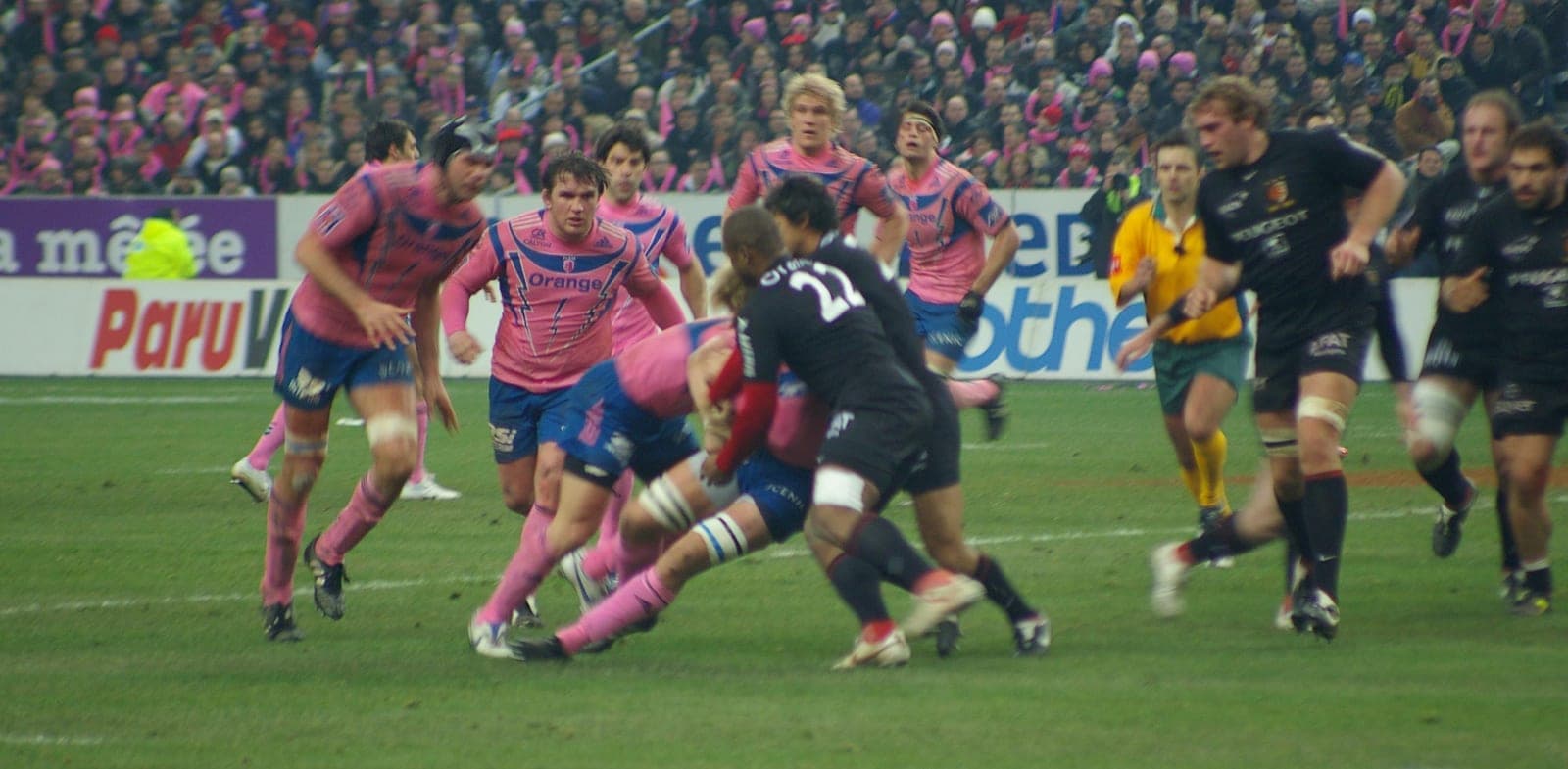
Rugby
A physical team sport of carrying, passing and kicking an oval ball toward the opposing line.
Train it: exercises & methods
Ways to develop muscular strength — educational, not a prescription.
Squat
A foundational lower-body movement where you bend at the hips and knees to lower down and stand back up.
Goblet squat
A squat variation where you hold a single weight close to your chest for balance and control.
Wall sit
A holding exercise where you sit against a wall with no chair, holding a squat position still.
Lunge
A single-leg movement where you step forward and bend both knees to lower your body.
Bulgarian split squat
A single-leg squat where the back foot is raised on a bench behind you.
Step-up
A movement where you step up onto a raised platform one leg at a time and step back down.
Explore across the knowledge base
Follow the threads that connect Muscular strength to the rest of SocialSportHub.
Goals
- Lose weightCombine regular, enjoyable movement with balanced habits to work toward a healthier weight in a way that lasts.
- Build muscleChallenge your muscles with regular resistance training and steady recovery to build strength over time.
- Improve fitnessBuild well-rounded fitness — stamina, strength and more — through regular, varied activity you can keep up.
- Healthy agingStay active, steady and independent as you get older with a sustainable mix of gentle cardio, strength and balance work.
- Sports for teenagersSports and activities that suit teenagers, from team games to individual pursuits.
Disciplines
- BreaststrokeBreaststroke uses a simultaneous, symmetric arm sweep and a whip-like frog kick, with a distinct glide between strokes — technical, rhythmic and the slowest of the four strokes.
- ButterflyButterfly is swum with a simultaneous over-water arm recovery and an undulating dolphin kick — the most physically demanding stroke, built on rhythm and core-driven body movement.
- Freestyle WrestlingAn Olympic wrestling style where wrestlers may attack the legs and use holds below the waist to take down and pin their opponent.
- Greco-Roman WrestlingAn Olympic wrestling style that forbids holds below the waist, so wrestlers rely on upper-body throws, clinches, and lifts to score and pin.
- PairsPairs is skated by two partners who combine unison elements with lifts, throw jumps, twist lifts, and death spirals that are unique to the discipline.
Movement patterns
- PullDrawing a load or your own body toward the torso — horizontal rows and vertical pull-ups — building the lats, mid-back and biceps and balancing the push.
- JumpThe plyometric pattern of projecting the body off the ground through explosive triple extension and controlling the landing — the core expression of lower-body power.
- SquatA knee-dominant pattern: bending the hips, knees and ankles to lower and rise while keeping the torso upright — the foundation of lower-body strength.
- PushPressing a load or the body away from the torso — horizontally or overhead — by extending the shoulders and elbows, developing the chest, shoulders and triceps.
- LungeA split-stance, single-leg-emphasis pattern: stepping or dropping into a staggered stance and pushing back up to build single-leg strength, balance and stability.
Sports science
- Force and powerThe difference between how much force the body can produce and how quickly it can produce it — the mechanics behind strength and explosiveness.
- Training adaptationThe process by which the body changes in response to repeated training — the underlying reason exercise makes you fitter, stronger or more skilful over time.
- SupercompensationA widely taught model of how the body, after a bout of training and enough recovery, can rebuild to a slightly higher level than before.
- Recovery and adaptationThe idea that the body adapts during recovery, not during the effort itself — which is why rest is treated as part of training rather than a break from it.
- Managing fatigue and loadThe educational idea of balancing how much training you do against how well you recover, so effort turns into progress rather than into excess fatigue.
People
- TeenagersHow sport can fit into a teenager’s life for fitness, friendship, confidence and healthy routines, with supervision.
- Busy professionalsHow time-efficient sport can fit a packed schedule to protect fitness, energy and stress relief.
- Returning to sportHow to ease back into sport after a break, rebuilding gradually and listening to your body.
- ParentsHow busy parents can fit sport around family life with flexible, home-friendly and time-efficient options.
- Shift workersHow sport can fit irregular hours and changing sleep — portable, flexible activity that adapts to a rota rather than a fixed timetable.
Lifestyle
- At the gymHow to make the most of a gym — strength machines, free weights, classes and cardio kit under one roof.
- 15 minutesShort, focused bursts of movement you can fit into a spare 15 minutes, with no long session required.
- 20 minutesTwenty minutes is enough for a solid, focused workout — a proper run, an interval session or a full-body circuit.
- 30 minutesA half-hour is enough for a proper, well-rounded session across many sports and workouts.
- 1 hourA full hour opens up almost any sport, from a proper game to a longer ride, run or gym session.
Go deeper with Muscular strength
Everywhere else on the platform that covers Muscular strength — assembled from what actually references it, so nothing here is a dead end.
Learn it
Structured courses and paths on the platform that cover this directly.
Work it out
Deterministic calculators — real published formulas, no estimates dressed as data.
Compare it
Head-to-head studies against the entities people actually weigh it against.
Question it
Research topics that name this entity among their connections.
Take it away
Open data and the whole-platform view of this subject.
How this page is maintained
- Content type
- Physical quality
- Provenance
- Tier A — evergreen educational
- Verified external sources
- 0
- Content updated
- 2026-09-01
Evergreen, first-party explanation — it makes no claim that needs an external source. How we handle sources and reviews.