
Rowing
A powerful, low-impact full-body workout
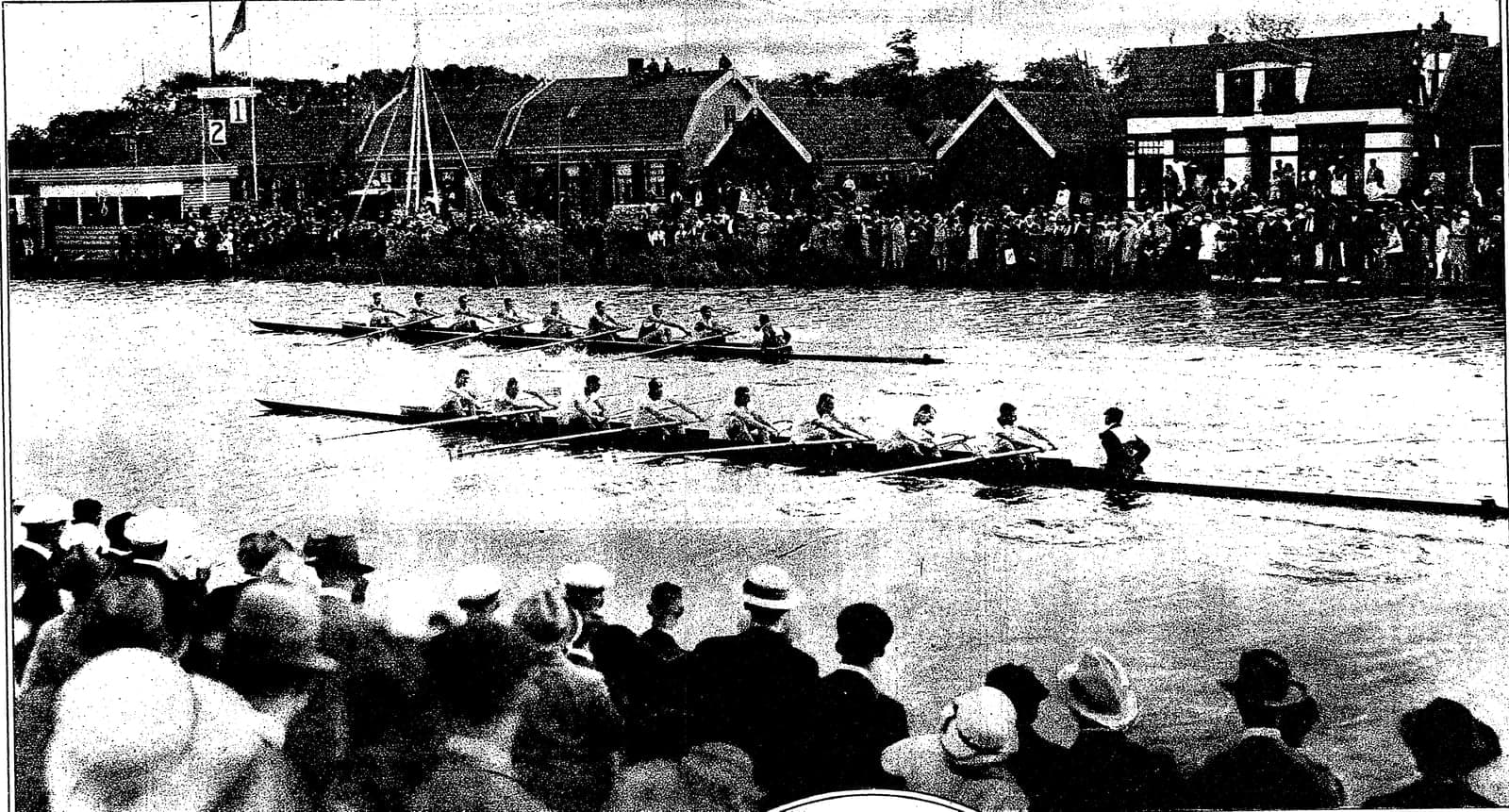

Overview
Rowing propels a boat through the water using oars, either sculling with an oar in each hand or sweeping with both hands on a single oar. It is done solo or as a crew, where the whole boat has to move in unison, making timing and rhythm central to the sport.
The rowing stroke draws on the legs, back, core and arms in one continuous, low-impact motion, which makes it a genuinely full-body workout. Indoor rowing machines bring the same movement into the gym, so you can train year-round and learn the technique before heading onto the water.
Why rowing is good for your health
- Engages the legs, back, core and arms in one full-body movement
- Builds cardiovascular fitness and muscular endurance together
- Low-impact stroke is gentle on the joints when done with good form
- Develops posture, core stability and overall strength
Physical qualities you’ll build
Rowing is especially good for developing these qualities:
The social side
- Crew boats rely on teamwork, timing and shared rhythm
- Rowing clubs welcome newcomers with learn-to-row sessions
- Indoor rowing classes offer a motivating, shared atmosphere
How to start as a beginner
- 1Learn the basic stroke on an indoor rowing machine first
- 2Focus on the sequence — legs, then body, then arms — before adding power
- 3Join a club learn-to-row course for safe, guided time on the water
- 4Build distance gradually and keep the movement smooth rather than rushed
Equipment you’ll need
- Access to a rowing machine or a boat and oarsEssentialClubs and gyms usually provide these
- Comfortable, close-fitting sportswearEssentialAvoids catching on the seat slide
- Supportive trainersEssential
- A water bottleOptional
- A change of warm, dry clothing for on-water sessionsOptional
Where to play
Rowing is typically played at:
Explore clubs and venues to understand the different places you can play, or see how to find people to play with.
Rowing disciplines
Rowing isn’t one thing — it takes several distinct forms, each with its own character. Explore the disciplines within it.
Playing Rowing
The equipment, rules, skills and more that make up the game — each cross-linked into the encyclopedia.
Training for Rowing
Exercises, methods and example plans that help build what Rowing needs — educational, not personalised prescriptions.
Related sports to explore
If you enjoy Rowing, you might also like these.
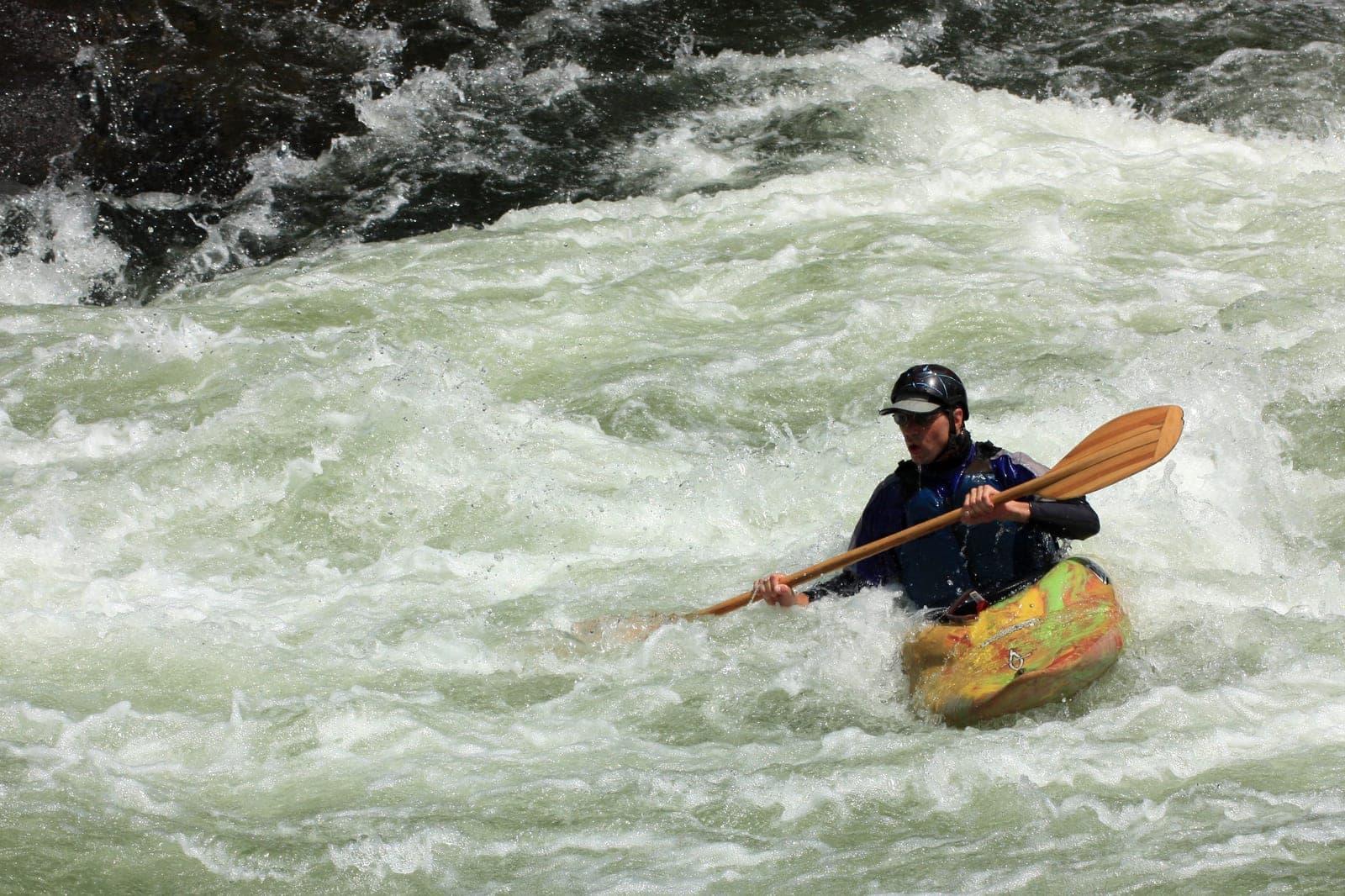
Kayaking
A versatile paddle sport in a small, low-seated boat, from calm lakes to flowing rivers and sheltered coast.
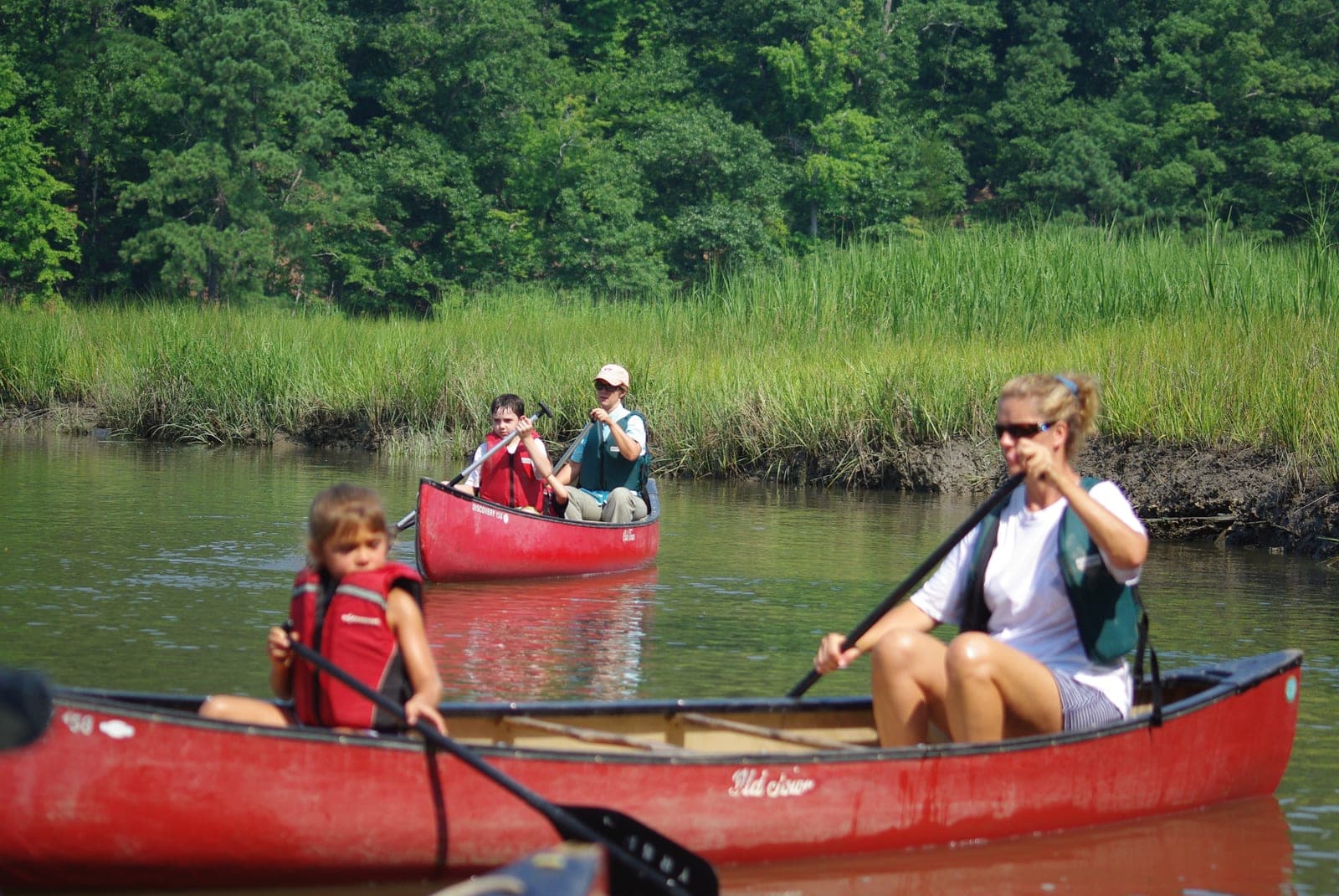
Canoeing
A classic open-boat paddle sport, propelled with a single-bladed paddle, ideal for calm lakes and gentle rivers.
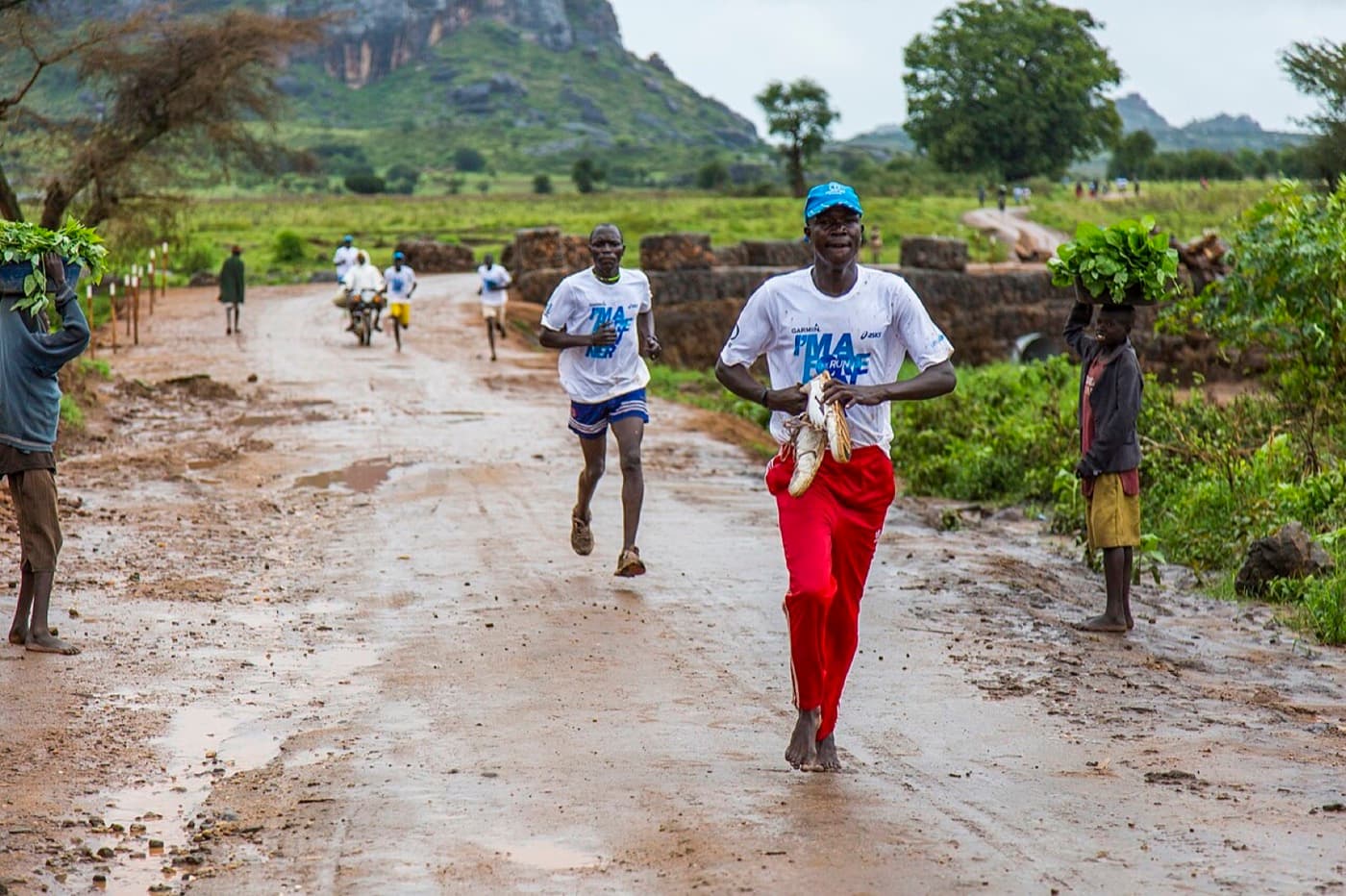
Running
The most accessible endurance sport — no venue, just shoes and the open road or trail.
Cycling
A low-impact endurance sport that doubles as transport, exercise and adventure.
Compare Rowing with…
Deciding between Rowing and something similar? See how they line up side by side.
Canoeing vs Rowing
How they compare on difficulty, intensity, kit and what suits you.
Cycling vs Rowing
How they compare on difficulty, intensity, kit and what suits you.
Kayaking vs Rowing
How they compare on difficulty, intensity, kit and what suits you.
Rowing vs Running
How they compare on difficulty, intensity, kit and what suits you.
Reach your goals with Rowing
People take up Rowing for all kinds of reasons. Here is what it can help you work towards.
How it connects
The meaning-bearing relationships that place Rowing in the wider knowledge graph — each one with the reason it exists.
Alternative to
Comparable enough that people choose between them.
- CanoeingRowing and Canoeing are close enough that the platform maintains a side-by-side comparison of them.
- CyclingRowing and Cycling are close enough that the platform maintains a side-by-side comparison of them.
- KayakingRowing and Kayaking are close enough that the platform maintains a side-by-side comparison of them.
- RunningRowing and Running are close enough that the platform maintains a side-by-side comparison of them.
Helps achieve
A recognised route towards these goals.
Explore across the knowledge base
Follow the threads that connect Rowing to the rest of SocialSportHub.
Glossary
- OarA shafted lever with a blade at one end used to propel a rowing boat, pivoting against the boat at a rowlock rather than being held free like a paddle.
- RepechageA second-chance round that lets some competitors beaten earlier still qualify for the medal stages.
- GroomingGrooming is the machine preparation of ski runs that flattens and compacts the snow into a consistent surface.
- DeuceIn tennis, the score when both players reach 40, from which one must win two points in a row to take the game.
- LiberoIn volleyball, a back-row defensive specialist who focuses on receiving and digging rather than attacking.
Recommendations
- Recommended for “Improve cardiovascular health”Sports, qualities, a learning path and first steps for “Improve cardiovascular health” — every suggestion a real graph link, shown with its reason.
- Recommended for “Discipline”Sports, qualities, a learning path and first steps for “Discipline” — every suggestion a real graph link, shown with its reason.
- Recommended for “Spend more time on the water”Sports, qualities, a learning path and first steps for “Spend more time on the water” — every suggestion a real graph link, shown with its reason.
Movement patterns
- PullDrawing a load or your own body toward the torso — horizontal rows and vertical pull-ups — building the lats, mid-back and biceps and balancing the push.
- HingeA hip-dominant pattern: bend forward at the hips with a flat back, minimal knee bend, then drive the hips tall — powers pulling from the floor and jumping.
- GlideGlide is continuous, low-resistance locomotion in which the body holds a streamlined shape so that momentum generated by a preceding propulsive action carries it smoothly across a surface or through a medium.
- GaitThe cyclic, alternating single-leg pattern of walking and running that carries the body across the ground — the base of most field and endurance sport.
Learning paths
- Learn Water PoloA structured, educational learning path for water polo — from the rules to skills, techniques, tactics and training.
- Learn Open-Water SwimmingA structured, educational learning path for open-water swimming — from the rules to skills, techniques, tactics and training.
- Learn TennisA structured, educational learning path for tennis — from the rules to skills, techniques, tactics and training.
- Learn FootballA structured, educational learning path for football — from the rules to skills, techniques, tactics and training.
- Learn RunningA structured, educational learning path for running — from the rules to skills, techniques, tactics and training.
Go deeper with Rowing
Everywhere else on the platform that covers Rowing — assembled from what actually references it, so nothing here is a dead end.
Compare it
Head-to-head studies against the entities people actually weigh it against.
Kit it out
Equipment guidance drawn from the graph, with no brands and no affiliate links.
Take it away
Open data and the whole-platform view of this subject.
How this page is maintained
- Content type
- Sport
- Provenance
- Tier A — evergreen educational
- Verified external sources
- 0
- Content updated
- 2026-07-06
Evergreen, first-party explanation — it makes no claim that needs an external source. How we handle sources and reviews.
Keep going
A sport is most rewarding alongside good habits, sensible nutrition and people to share it with. Here is where to go next.
How movement supports body and mind.
Eat well to feel and perform better.
Build routines that stick.
Ways to meet others and play together.
Where to play and what to expect.
Browse the full list by category.