Learn-to-Swim Progression
A gentle example progression from getting comfortable in the water toward swimming short, continuous distances, built around relaxed, regular pool visits.
Overview
Learning to swim is a progression of comfort as much as fitness. It usually moves from feeling at ease in the water, to floating and gliding, to short bursts of a stroke, and eventually to swimming continuously for a little longer each time.
This is a general example to adapt at your own pace, not a prescription — and it is not a substitute for qualified swimming instruction, which is the safest way to learn. Always swim in a supervised setting suited to your ability and within your depth.
Regular, relaxed pool visits do more than occasional long ones. Start where you are and progress gently.
An example week
- 1Early sessions — settle in, get used to the water, and practise floating and gliding.
- 2Next — short, relaxed bursts of a stroke, resting whenever you need to.
- 3Then — link a few strokes together, keeping everything unhurried.
- 4Later — swim a little further continuously as comfort grows.
- 5Throughout — regular, short, easy visits rather than occasional long ones.
What it includes
- Time spent simply getting comfortable and relaxed in the water.
- Floating, gliding and gentle breathing practice.
- Short bursts of a stroke with rest between.
- Gradually longer, continuous easy swimming over time.
A note on training information
Where it’s used
Sports this relates to:
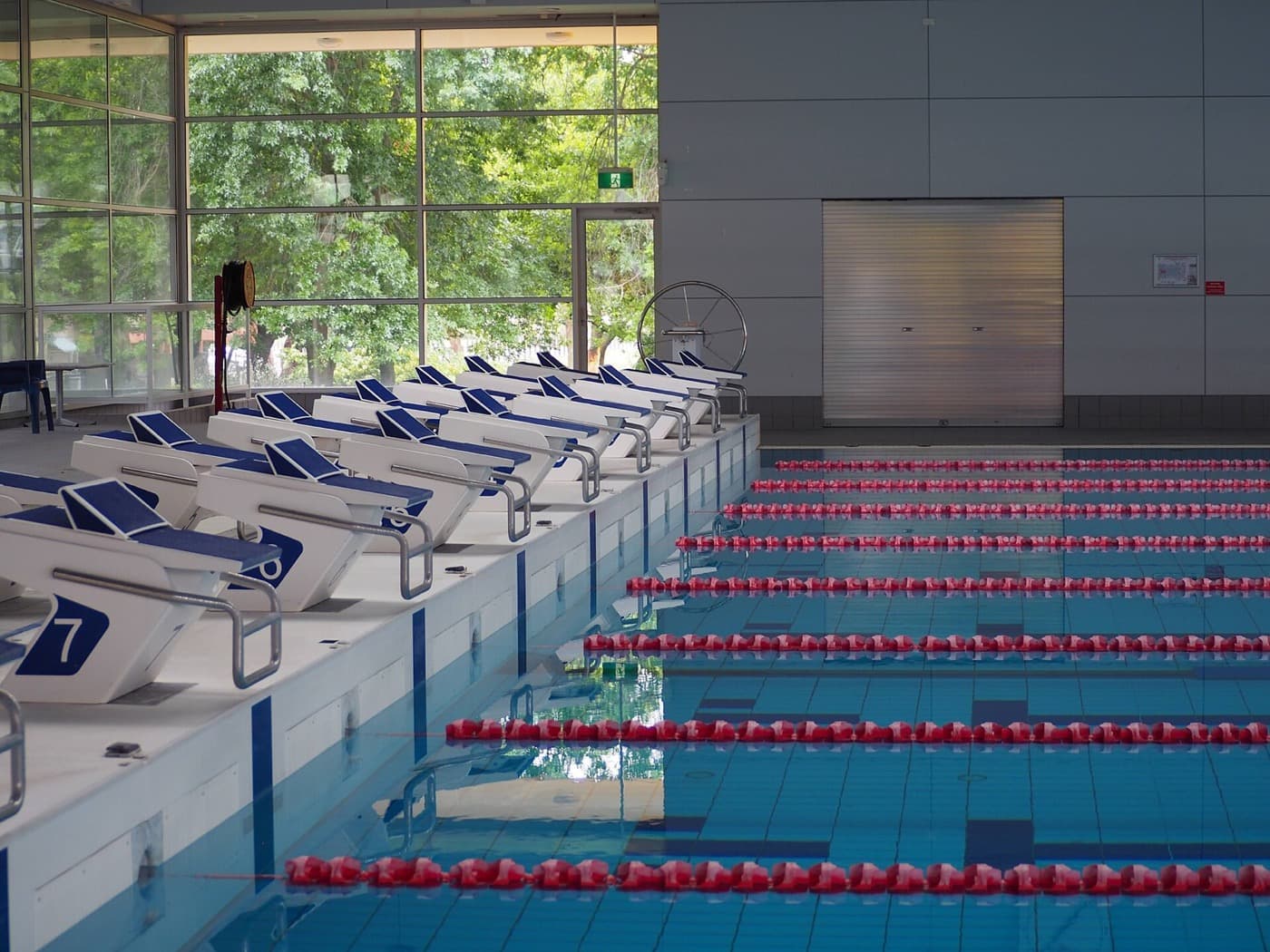
Swimming
A full-body, low-impact endurance sport suitable for almost every age and ability.
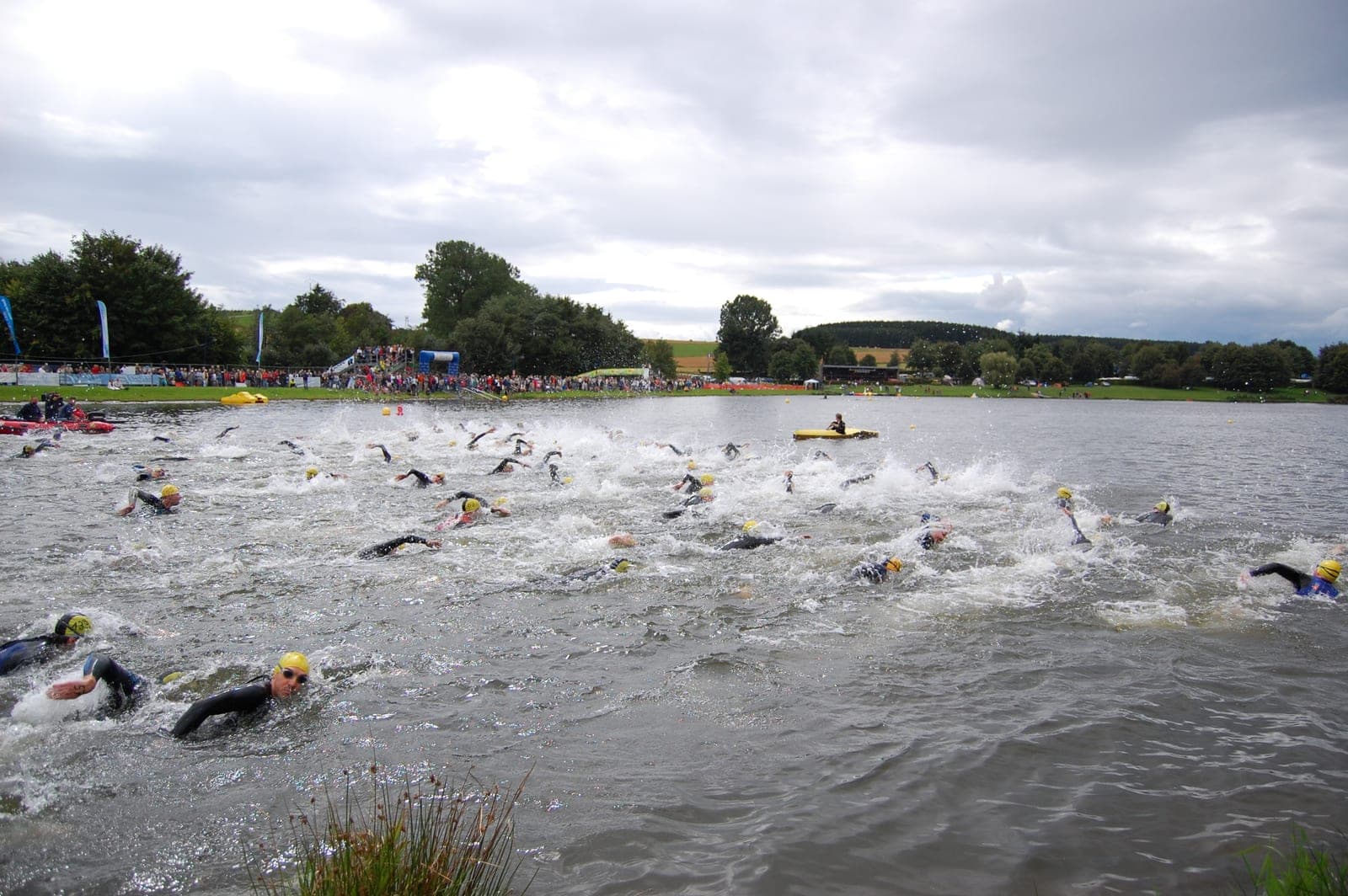
Open-Water Swimming
Swimming in lakes, rivers and the sea, blending endurance training with the experience of being out in nature.
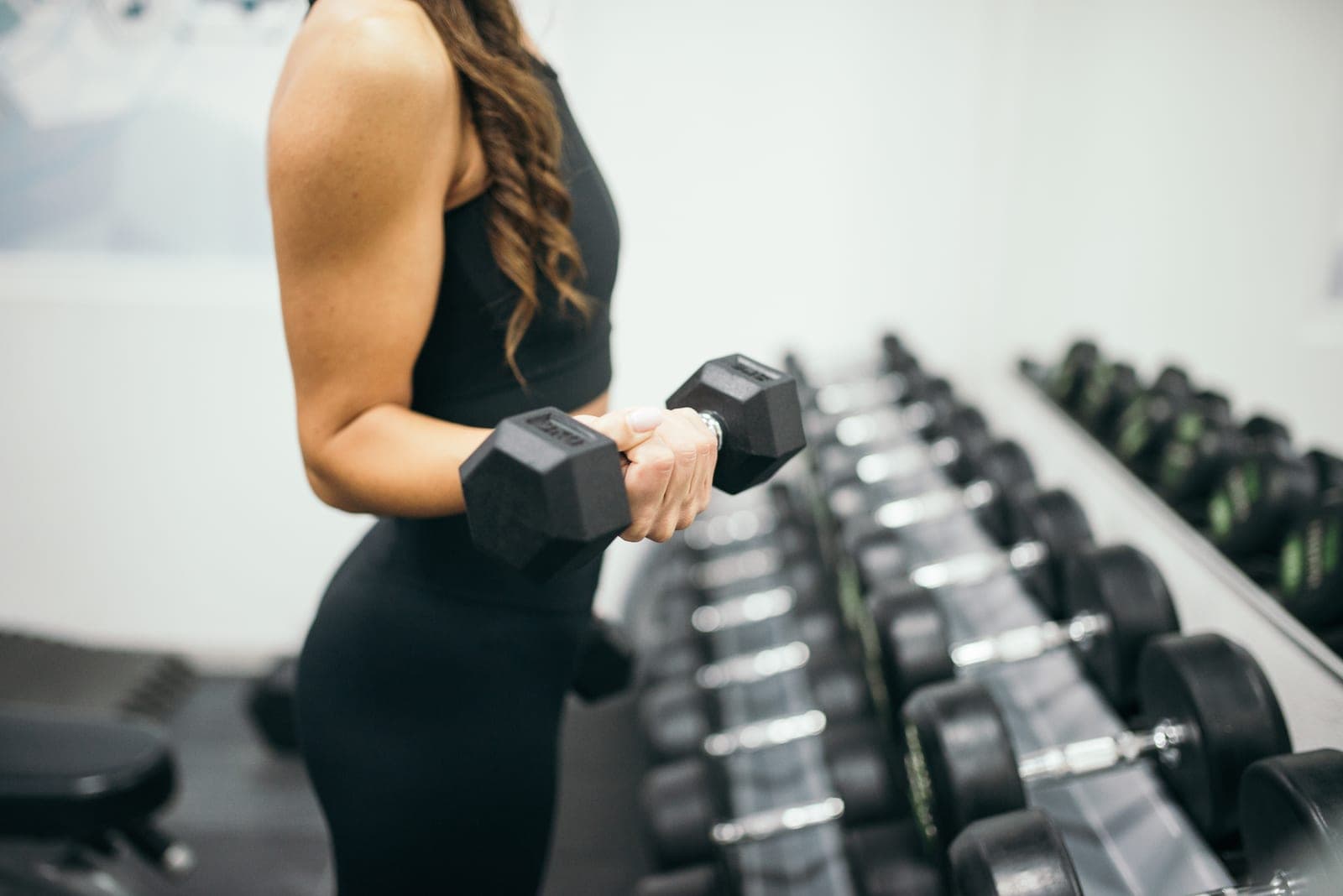
Fitness
Strength and general fitness training — the foundation that supports every other sport.
Related training plans
Beginner Full-Body Week
A general example of a simple full-body week that spreads a push, a pull, a lower-body movement and some core evenly across three unhurried sessions.
Walk-to-Jog Plan
A gentle example of easing from walking into jogging by gradually mixing short, easy jogs into regular walks over several weeks.
Beginner Strength Week
A general example week for someone learning the basic strength movements, built around a few short, technique-focused sessions with plenty of rest.
Explore across the knowledge base
Follow the threads that connect Learn-to-Swim Progression to the rest of SocialSportHub.
Skills Academy
Disciplines
- Sprint DistanceSprint distance triathlon combines a short swim, bike, and run, making it a common entry point and a fast, higher-intensity racing format.
- ButterflyButterfly is swum with a simultaneous over-water arm recovery and an undulating dolphin kick — the most physically demanding stroke, built on rhythm and core-driven body movement.
- Standard (Olympic) DistanceStandard, or Olympic, distance triathlon pairs a 1.5 km swim, 40 km bike, and 10 km run, and is the format contested at the Olympic Games.
- BackstrokeBackstroke is swum face-up with an alternating arm pull and flutter kick — the one competitive stroke where you breathe freely because your face stays out of the water.
- Sprint (Flatwater)Sprint kayaking is flatwater racing over short, standardized distances in marked lanes, rewarding explosive speed and sustained boat-moving power.
Learning paths
- Learn Open-Water SwimmingA structured, educational learning path for open-water swimming — from the rules to skills, techniques, tactics and training.
- Learn SwimmingA structured, educational learning path for swimming — from the rules to skills, techniques, tactics and training.
- Learn Water PoloA structured, educational learning path for water polo — from the rules to skills, techniques, tactics and training.
Beginner guides
- Your First Swimming Session: What to ExpectWhat a first swimming session at the pool actually feels like, how to prepare, and how to settle in without any pressure to swim lengths on day one.
- Your First Cycling Session: What to ExpectA first cycling session is usually a relaxed introduction to getting comfortable on the bike — finding your balance, pedalling smoothly, steering, and stopping safely — at a pace that suits you rather than a test of fitness or speed.
- Your first running sessionA warm, honest picture of what a first running session actually feels like — so you can turn up relaxed, run at a comfortable effort, and enjoy it without any pressure to be fast.
- Your First Volleyball Session: What to ExpectA warm, honest guide to what actually happens at your first volleyball session, so you can turn up relaxed, join in, and enjoy the rallies rather than worry about getting everything right.
Recovery
- Gentle stretchingGentle stretching means easing into comfortable stretches and holding them in a relaxed way to help you feel less stiff.
- Gentle mobilityGentle mobility work means moving your joints smoothly through a comfortable range to help you feel loose and move well.
- Staying hydratedStaying hydrated is the simple everyday habit of drinking water regularly so you feel comfortable and ready to be active.
- Regular, balanced mealsEating regular, balanced meals is a general everyday habit that supports energy and recovery around an active lifestyle.
How this page is maintained
- Content type
- Training plan
- Provenance
- Tier A — evergreen educational
- Verified external sources
- 0
- Content updated
- 2026-07-06
Evergreen, first-party explanation — it makes no claim that needs an external source. How we handle sources and reviews.