
Shoulders
The rounded muscles capping the shoulder joint that lift and rotate the arms in every direction.
Overview
The shoulder muscles are led by the deltoid, the rounded muscle that caps the top of the arm in three parts — front, side and rear. Beneath sit the smaller rotator-cuff muscles that help steer and steady the joint.
Together they raise the arms to the front, side and overhead and rotate them, giving the shoulder its huge range of movement. That makes them central to throwing, pressing overhead and racquet sports.
Good to know
- The shoulder is the most mobile major joint in the body
- Involved in throwing, serving, pressing and swimming
- Often trained with attention to balanced, all-round movement
Where it’s used
Sports this relates to:

Swimming
A full-body, low-impact endurance sport suitable for almost every age and ability.
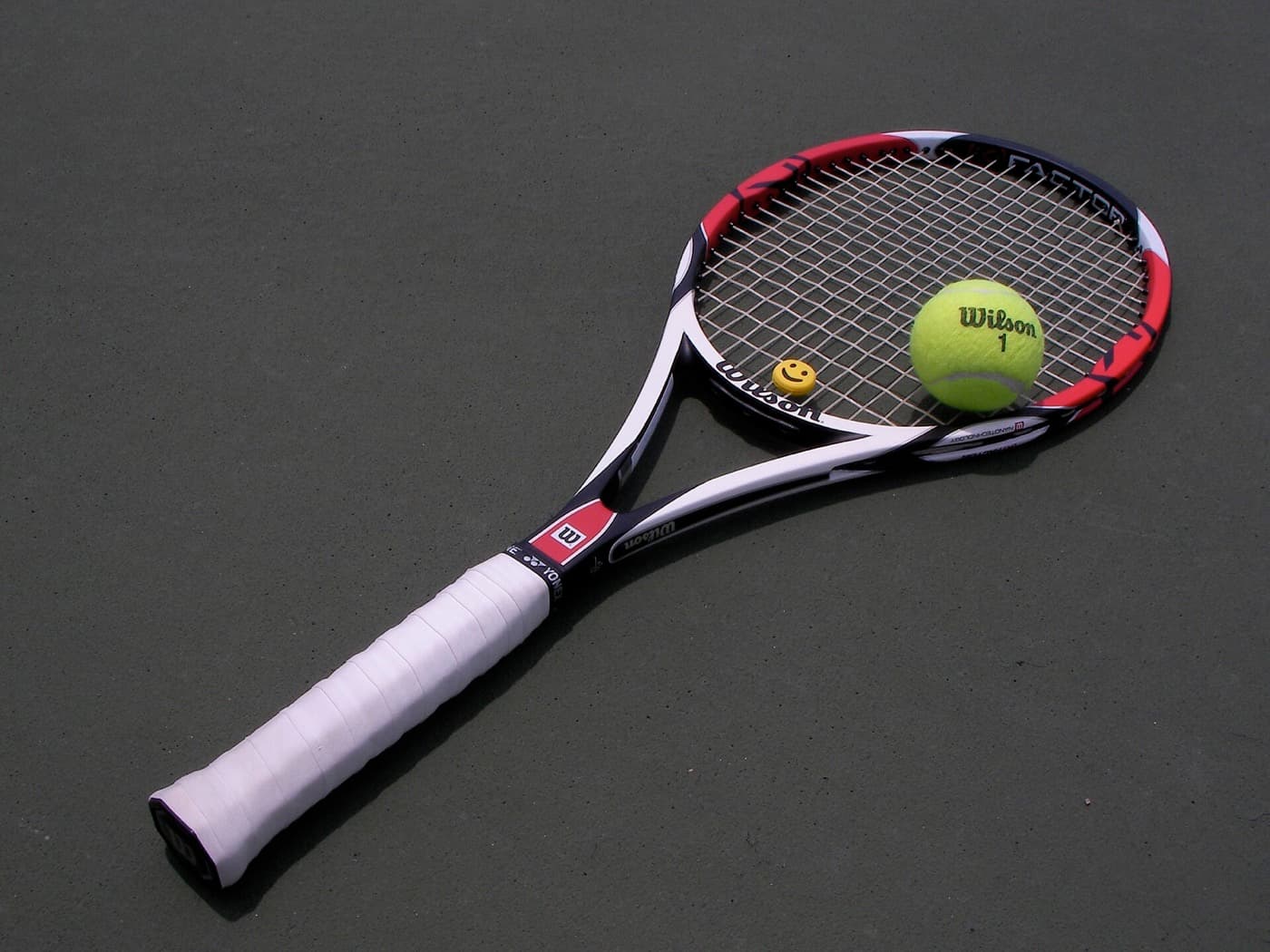
Tennis
A singles or doubles racquet sport that blends agility, strategy and stamina on court.
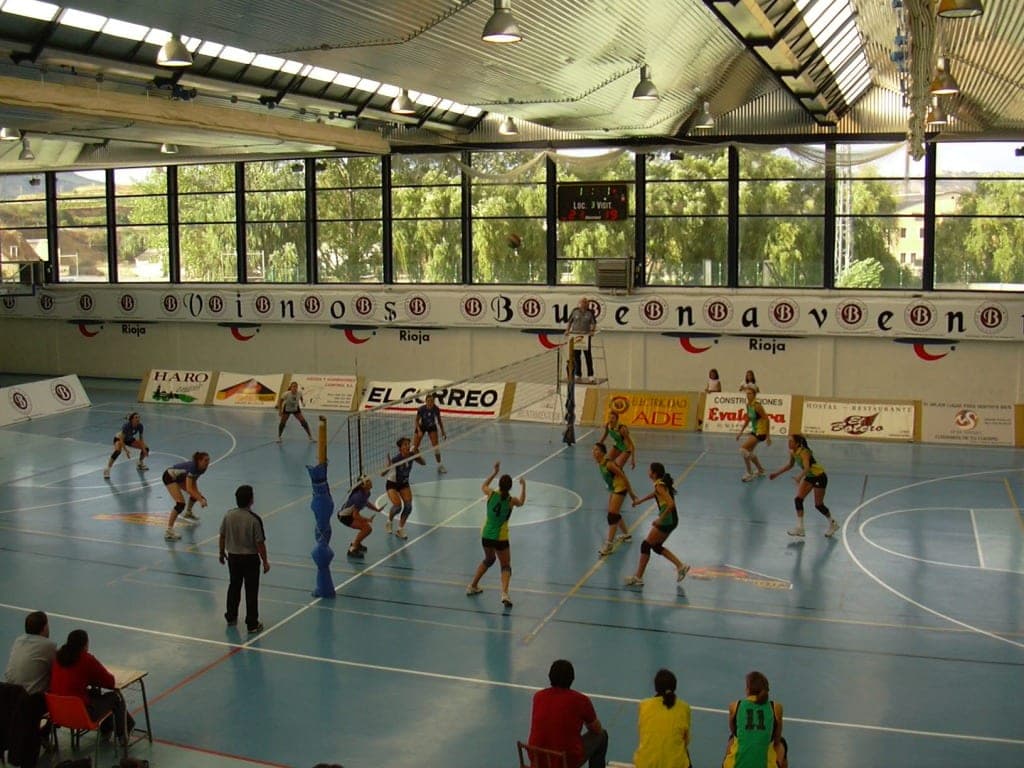
Volleyball
A non-contact team sport of rallies, jumps and teamwork — indoors or on the beach.
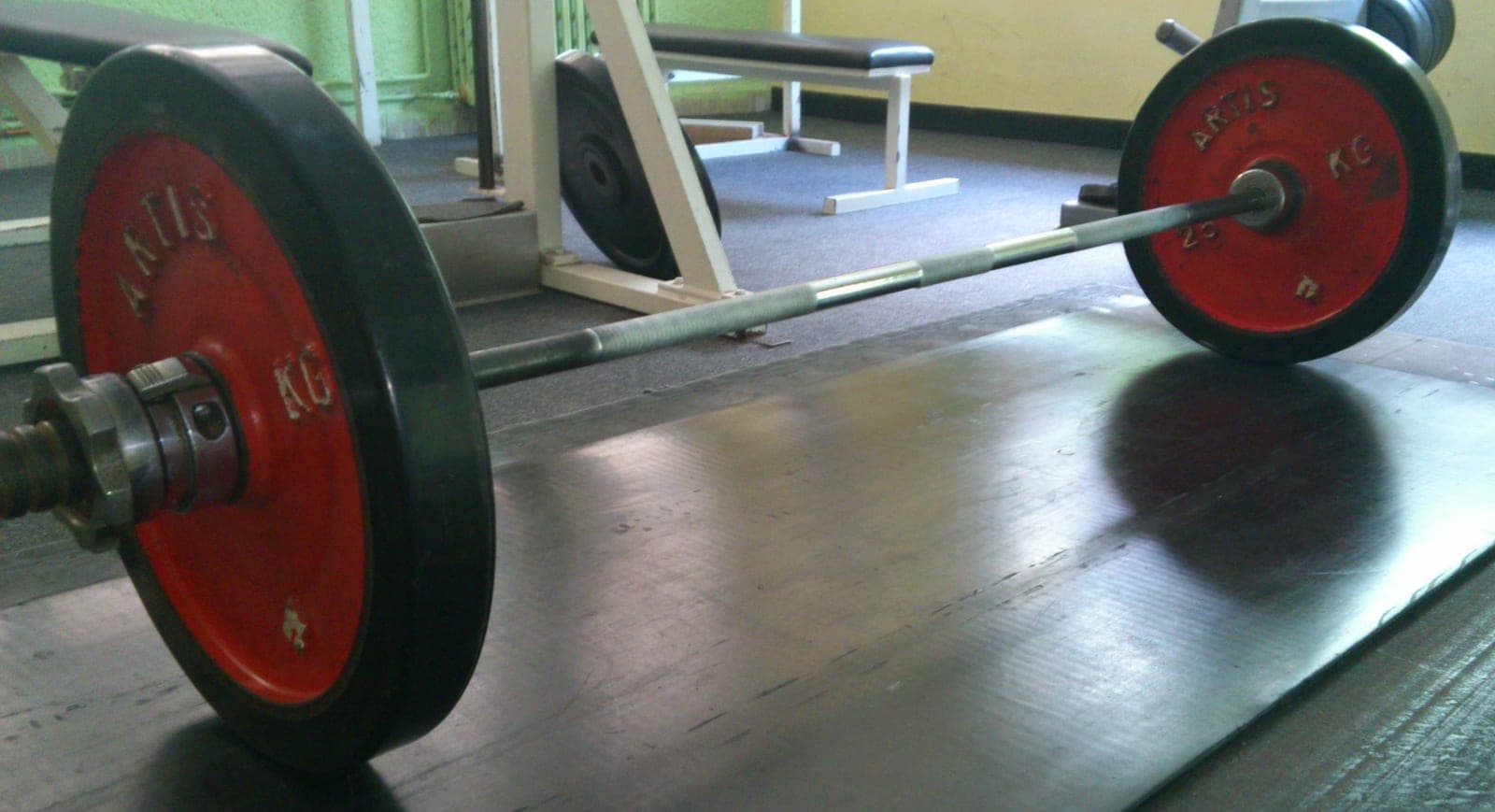
Weightlifting
A technical strength sport built around lifting a loaded barbell overhead with speed and control.

Boxing
A striking combat sport built on footwork, timing and conditioning, practised from fitness drills to controlled sparring.
Exercises that work the shoulders
Kettlebell swing
A dynamic hinge where you swing a kettlebell to shoulder height using a snap of the hips.
Push-up
A classic upper-body pushing exercise where you lower and press your body up from the floor.
Pike push-up
A push-up variation with hips high that shifts the emphasis onto the shoulders.
Bench press
A pressing exercise lying on a bench, lowering a weight to the chest and pushing it back up.
Overhead press
A standing press that drives a weight from the shoulders to overhead until the arms lock out.
Tricep dip
A pushing exercise where you lower and raise your body using your arms on parallel bars or a bench.
Explore across the knowledge base
Follow the threads that connect Shoulders to the rest of SocialSportHub.
Training methods
- Strength TrainingStrength training uses resistance — bodyweight, bands or weights — to challenge your muscles so they gradually adapt and get stronger over time.
- Hypertrophy TrainingHypertrophy training is resistance work structured to encourage muscle growth, typically using moderate repetitions and a steady, controlled tempo.
- Mobility TrainingMobility training works on moving your joints actively through their full range, combining control and flexibility so movement feels free and easy.
- Flexibility TrainingFlexibility training uses stretching to gradually improve how far your muscles and joints can comfortably lengthen and move.
Recovery
Training plans
- Home Bodyweight WeekA general example week of short, equipment-free bodyweight sessions you can do at home, built from simple movements like squats, push-ups and planks.
- General Fitness WeekA balanced example week that mixes some cardio, a little strength and gentle mobility for well-rounded, all-round fitness.
- Learn-to-Swim ProgressionA gentle example progression from getting comfortable in the water toward swimming short, continuous distances, built around relaxed, regular pool visits.
- Mobility Routine WeekA gentle example week of short mobility sessions that move the main joints through easy, comfortable ranges to help you feel loose and move well.
- Three-Day Split ExampleA general example of a simple three-day training split that divides the week into a few focused sessions with rest built in between.
Movement patterns
- PullDrawing a load or your own body toward the torso — horizontal rows and vertical pull-ups — building the lats, mid-back and biceps and balancing the push.
- PushPressing a load or the body away from the torso — horizontally or overhead — by extending the shoulders and elbows, developing the chest, shoulders and triceps.
- CatchReceiving a moving object and securing it under control, absorbing its momentum by yielding along its path so kinetic energy is dissipated rather than rebounded away.
- ReachExtending a limb toward a distant point or object, often at full stretch, by projecting a distal segment beyond the body's resting envelope while a stabilised base preserves balance and control.
- StrikeA ballistic, whole-body hitting action that channels ground-generated force through a proximal-to-distal kinetic chain to deliver momentum to a target via the hand, an implement or a body part at the moment of contact.
Go deeper with Shoulders
Everywhere else on the platform that covers Shoulders — assembled from what actually references it, so nothing here is a dead end.
Take it away
Open data and the whole-platform view of this subject.
How this page is maintained
- Content type
- Muscle group
- Provenance
- Tier A — evergreen educational
- Verified external sources
- 0
- Content updated
- 2026-07-06
Evergreen, first-party explanation — it makes no claim that needs an external source. How we handle sources and reviews.