
Classification in para sport
The system used in para sport to group athletes so that competition is fair — decided by how much an impairment affects a specific sport.
Overview
Classification is the framework para sport uses to make competition fair. In the same way that many sports group athletes by age or weight, para sport groups athletes according to how much their impairment affects the activity being played. The idea is that athletes compete against others with a broadly similar level of impact, so results reflect skill, training and effort rather than the degree of impairment.
Classification is sport-specific and is carried out by trained officials following each sport's own rules; the same person may be grouped differently in different sports. It is a considered, evolving system rather than a simple label, and the details are set and reviewed by the relevant governing bodies. This is a conceptual overview only — for how classification works in a particular sport, or for any individual assessment, the sport's governing body and qualified classifiers are the right sources.
What to know
- A system that groups para athletes so competition is fair — like age or weight groups elsewhere in sport.
- Athletes are grouped by how much an impairment affects a specific sport, not by diagnosis alone.
- The aim is that results reflect skill, training and effort rather than the degree of impairment.
- Classification is sport-specific — the same athlete may be grouped differently across different sports.
- It is carried out by trained officials under each sport's own rules, and is reviewed over time.
In practice
- Classification is about fair competition, not a judgement of a person's ability or worth.
- Because it is sport-specific, there is no single classification that applies across all sports.
- The systems evolve as sports and evidence develop, so specifics change over time.
- For how classification works in a given sport, or any individual case, defer to the sport's governing body and its qualified classifiers.
Educational & inclusive
Related sports
Sports that connect to this topic — each with a clear, beginner-friendly guide.
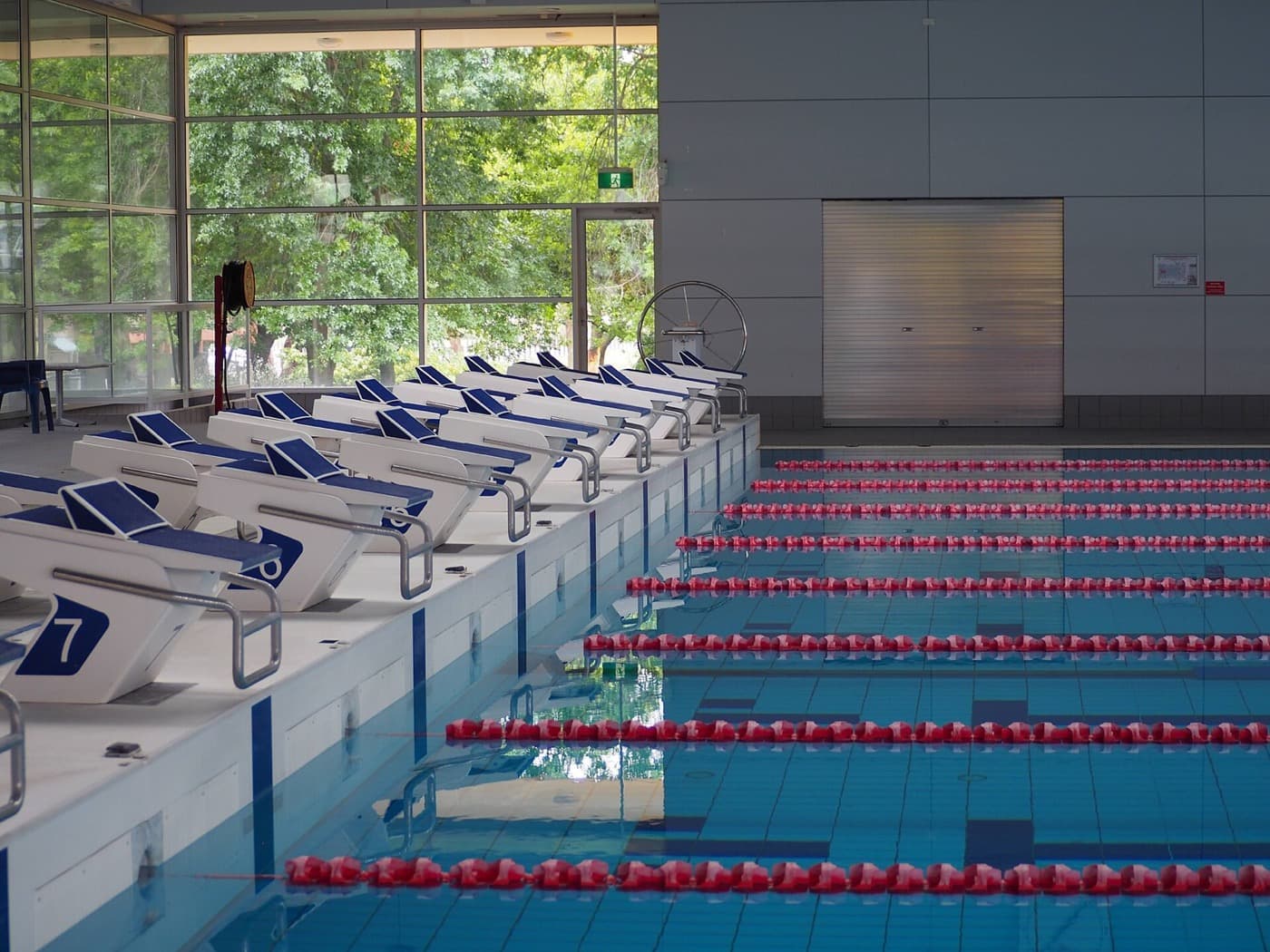
Swimming
A full-body, low-impact endurance sport suitable for almost every age and ability.

Running
The most accessible endurance sport — no venue, just shoes and the open road or trail.
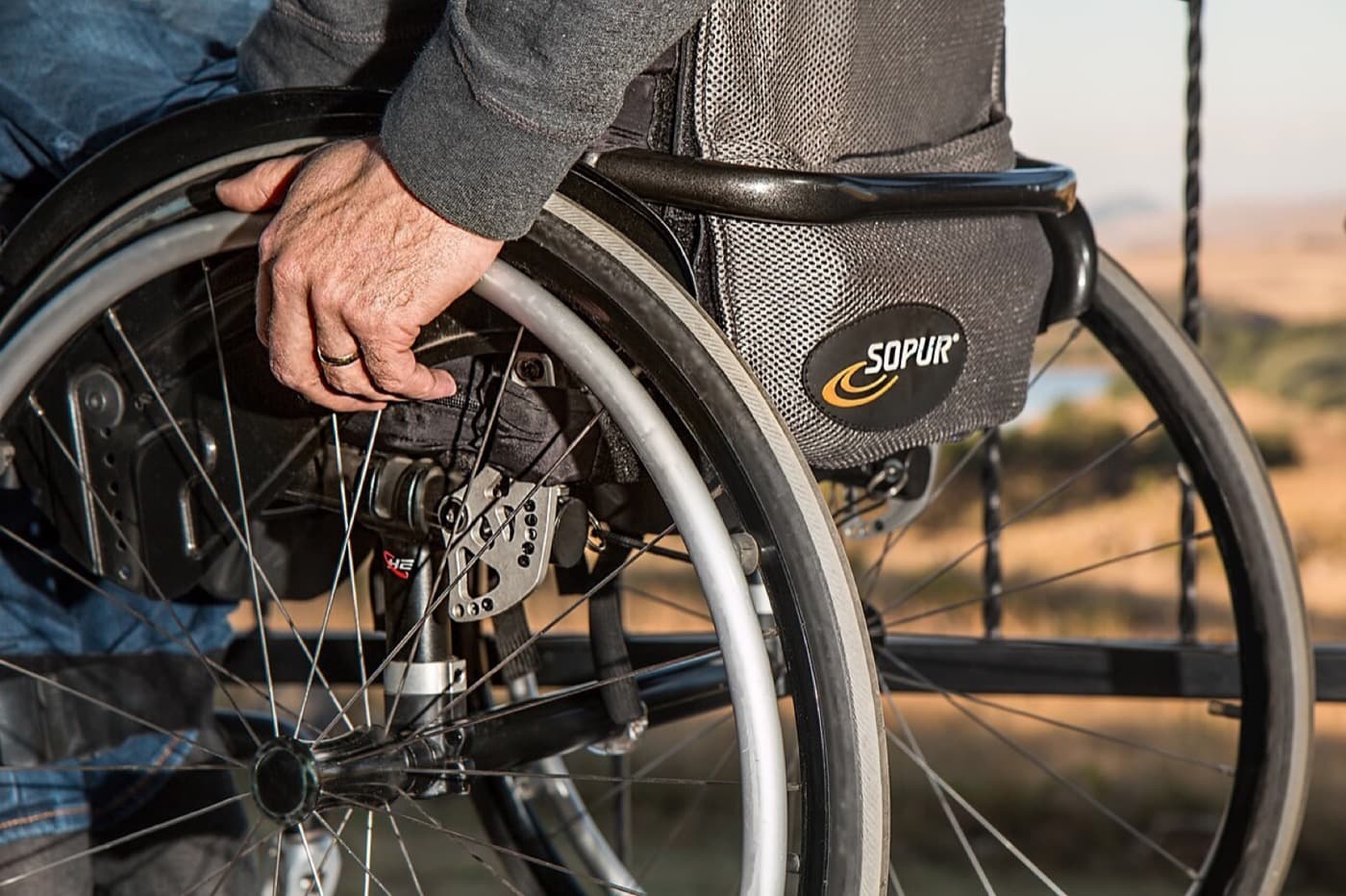
Cycling
A low-impact endurance sport that doubles as transport, exercise and adventure.
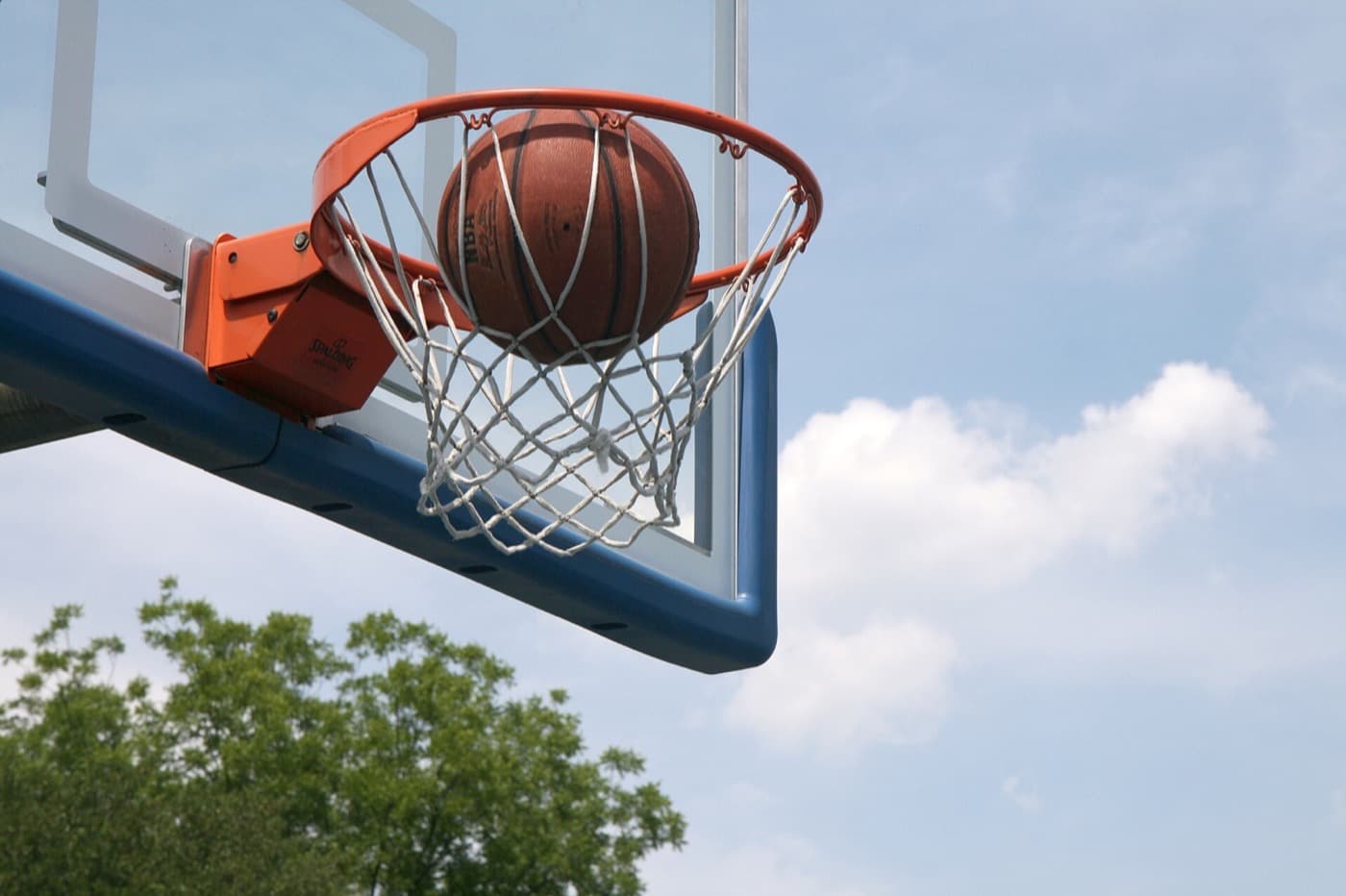
Basketball
A fast, dynamic team sport of running, jumping and quick decisions on court.
Goals it supports
Build an active lifestyle
Make movement a natural, lasting part of daily life through activities and habits you genuinely enjoy.
Build confidence
Use sport and steady progress to feel more capable, comfortable and self-assured over time.
Improve fitness
Build well-rounded fitness — stamina, strength and more — through regular, varied activity you can keep up.
Social activities
Use sport as a way to meet people, make friends and stay connected while staying active.
Frequently asked questions
What is classification in para sport?
It is the system that groups para athletes so competition is fair, based on how much an impairment affects the specific sport being played rather than on diagnosis alone. The aim is that results come down to skill, training and effort. It is sport-specific and set by each sport's governing body, so for the details of any one sport its governing body is the right source.
Does one classification apply to every sport?
No — classification is sport-specific, so the same athlete can be grouped differently from one sport to another because each sport is affected differently. The systems are also reviewed and updated over time. For how it works in a particular sport, defer to that sport's governing body and its qualified classifiers.
Explore across the knowledge base
Follow the threads that connect Classification in para sport to the rest of SocialSportHub.
Tactics
- Zone defenceA defensive system where each player guards an area of the court rather than a specific opponent.
- Rugby union defensive systemsHow a rugby union defence organises fifteen players across the width of the field — the drift, the blitz and the umbrella — and the specific weakness each system accepts.
- Man-to-man markingA defensive tactic where each defender is assigned a specific opponent to track and contain.
Scoring systems
- Padel scoringPadel borrows tennis scoring, counting points as 15–30–40 within games and playing sets to six games decided by a tiebreak.
- Badminton scoringBadminton uses rally scoring to 21 points per game, with matches decided over the best of three games.
- How cycling races are timed and placedCycling races are decided either by who crosses the line first or by fastest time, and stage races add up cumulative times to rank riders overall.
Knowledge Atlas
Disciplines
- KumiteKumite is the sparring discipline of karate, in which two athletes exchange controlled strikes and kicks under judged rules.
- Sparring (Kyorugi)Kyorugi is taekwondo's competitive sparring discipline, where two athletes score points by landing controlled kicks and punches on legal target areas within timed rounds.
How this page is maintained
- Content type
- Adaptive sports topic
- Provenance
- Tier A — evergreen educational
- Verified external sources
- 0
- Content updated
- 2026-07-09
Evergreen, first-party explanation — it makes no claim that needs an external source. How we handle sources and reviews.