
Weekend athletes
How to enjoy recreational sport on weekends while staying comfortable and consistent through the week.
Overview
Weekend athletes fit their main sport into free time — a Saturday match, a Sunday ride or a weekend hike. It is a sociable, enjoyable way to stay active without a daily commitment, and often revolves around a sport people genuinely love.
The main thing is to bridge the gap between weekday inactivity and weekend effort. A little light movement in the week, a proper warm-up and sensible progression help keep weekend sport comfortable and enjoyable over the long run.
What works
- Recreational, sociable sport fits naturally into weekends.
- A little weekday movement bridges the gap to weekend effort.
- Warming up well makes weekend sessions more comfortable.
- Sensible progression keeps it enjoyable over time.
Getting started
- 1Pick a weekend sport you look forward to and can do regularly.
- 2Add some light activity in the week to stay ready for it.
- 3Always warm up before and cool down after weekend sessions.
- 4Build up distance or intensity gradually rather than in big jumps.
Sports that fit
Great places to start — each with a clear, beginner-friendly guide.
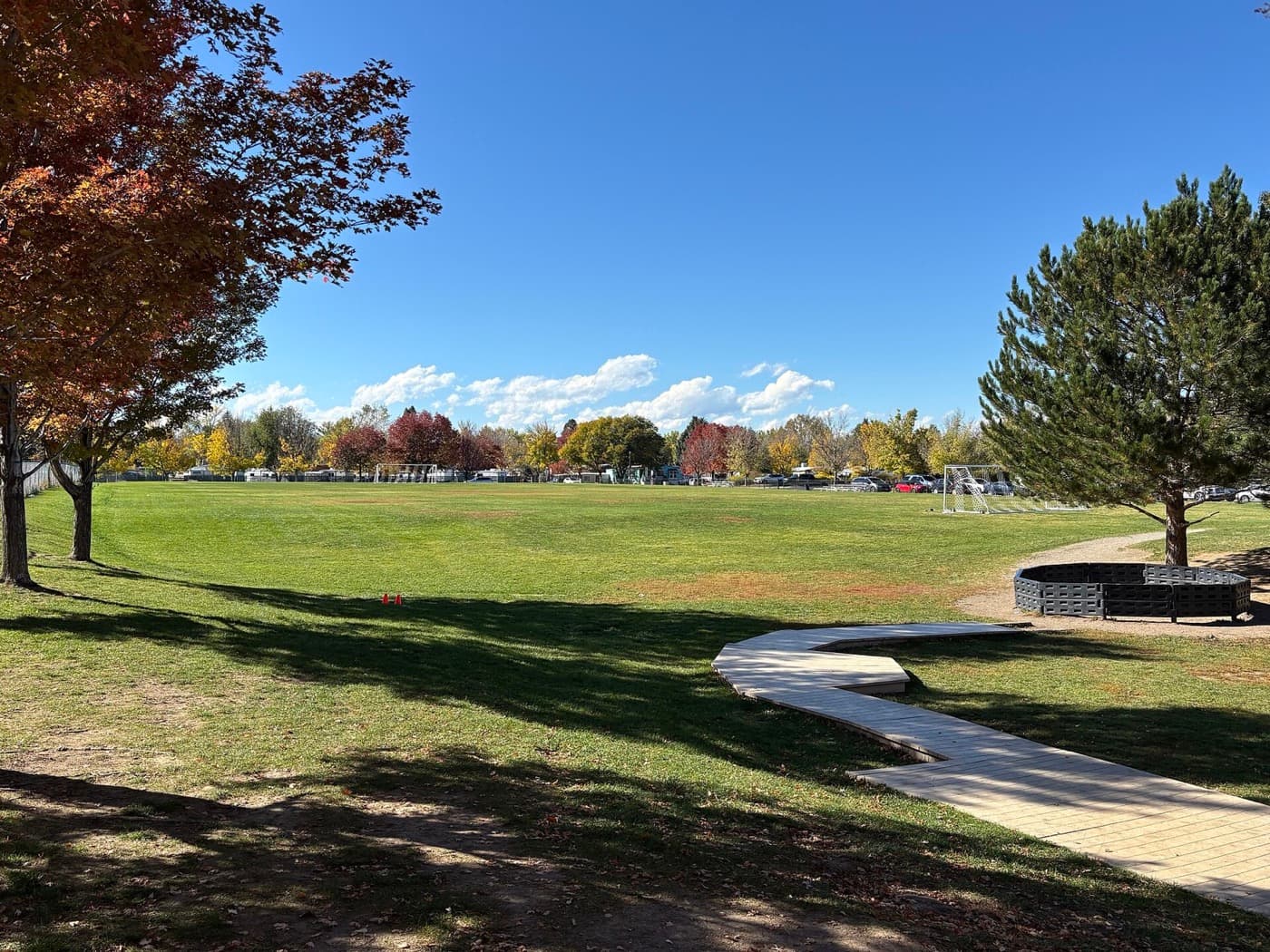
Football
The world’s most popular team sport — endless running, teamwork and community in one game.
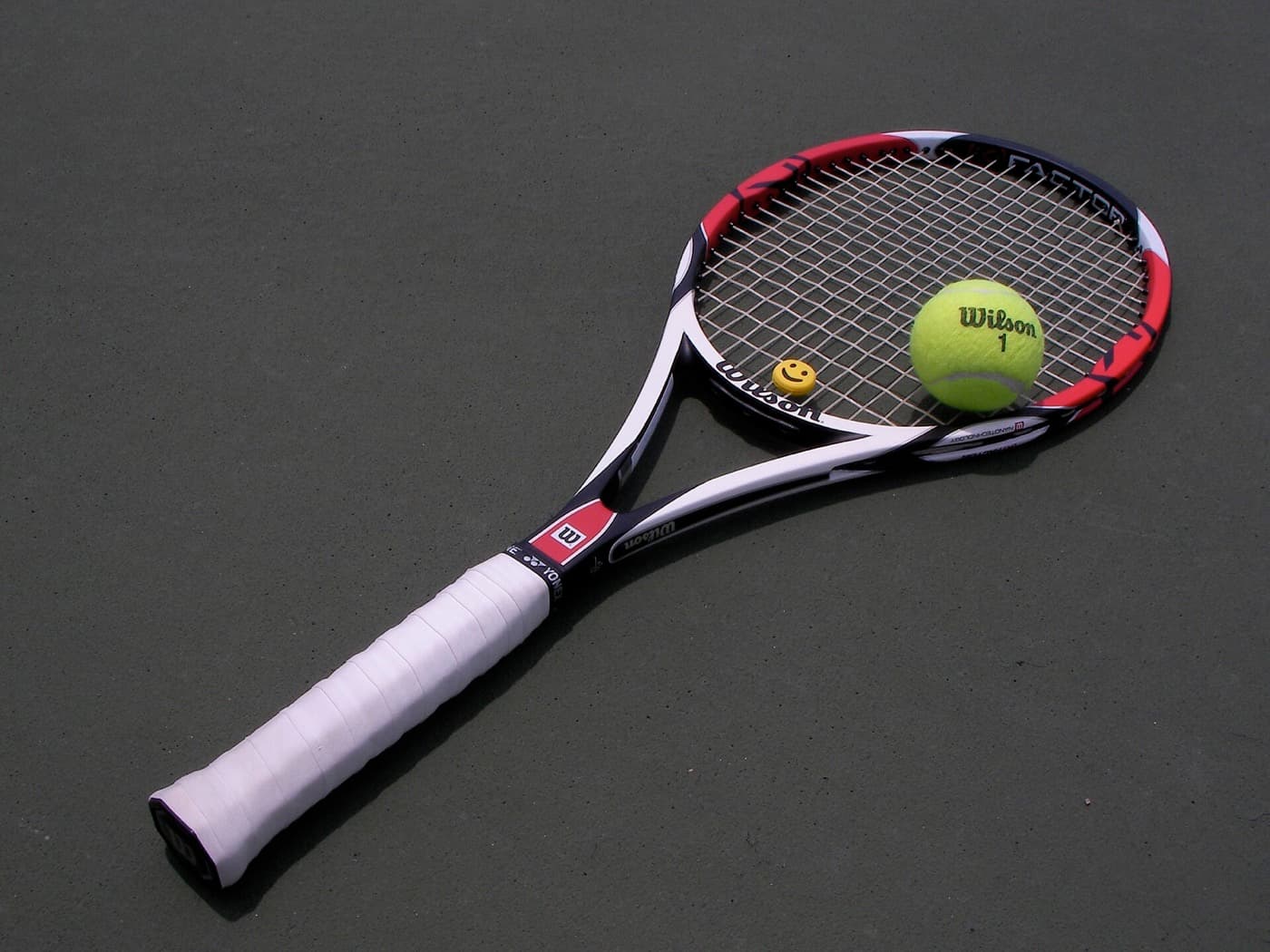
Tennis
A singles or doubles racquet sport that blends agility, strategy and stamina on court.
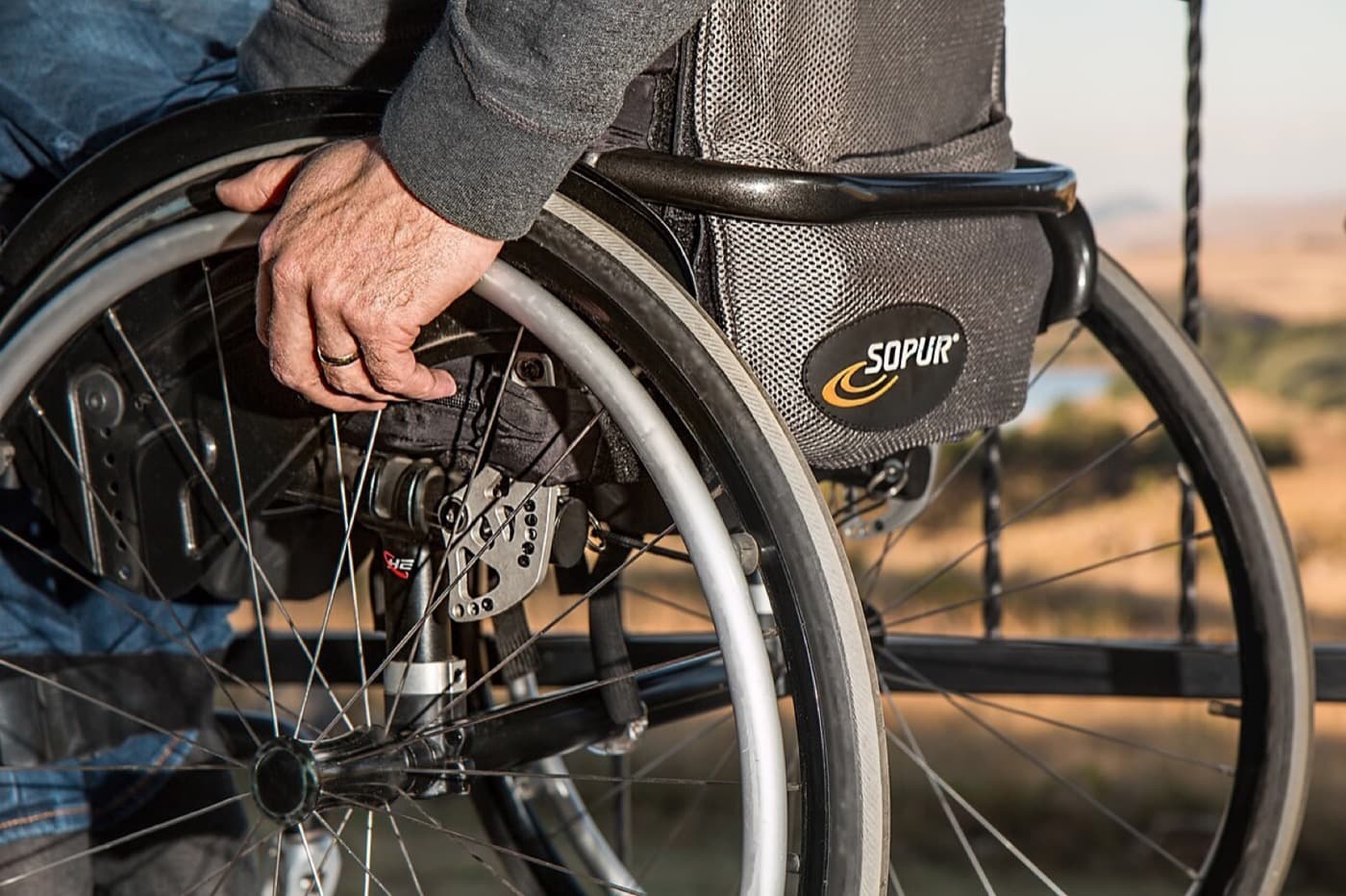
Cycling
A low-impact endurance sport that doubles as transport, exercise and adventure.

Hiking
An accessible outdoor sport of walking natural trails and hills at your own pace, solo or in a group.
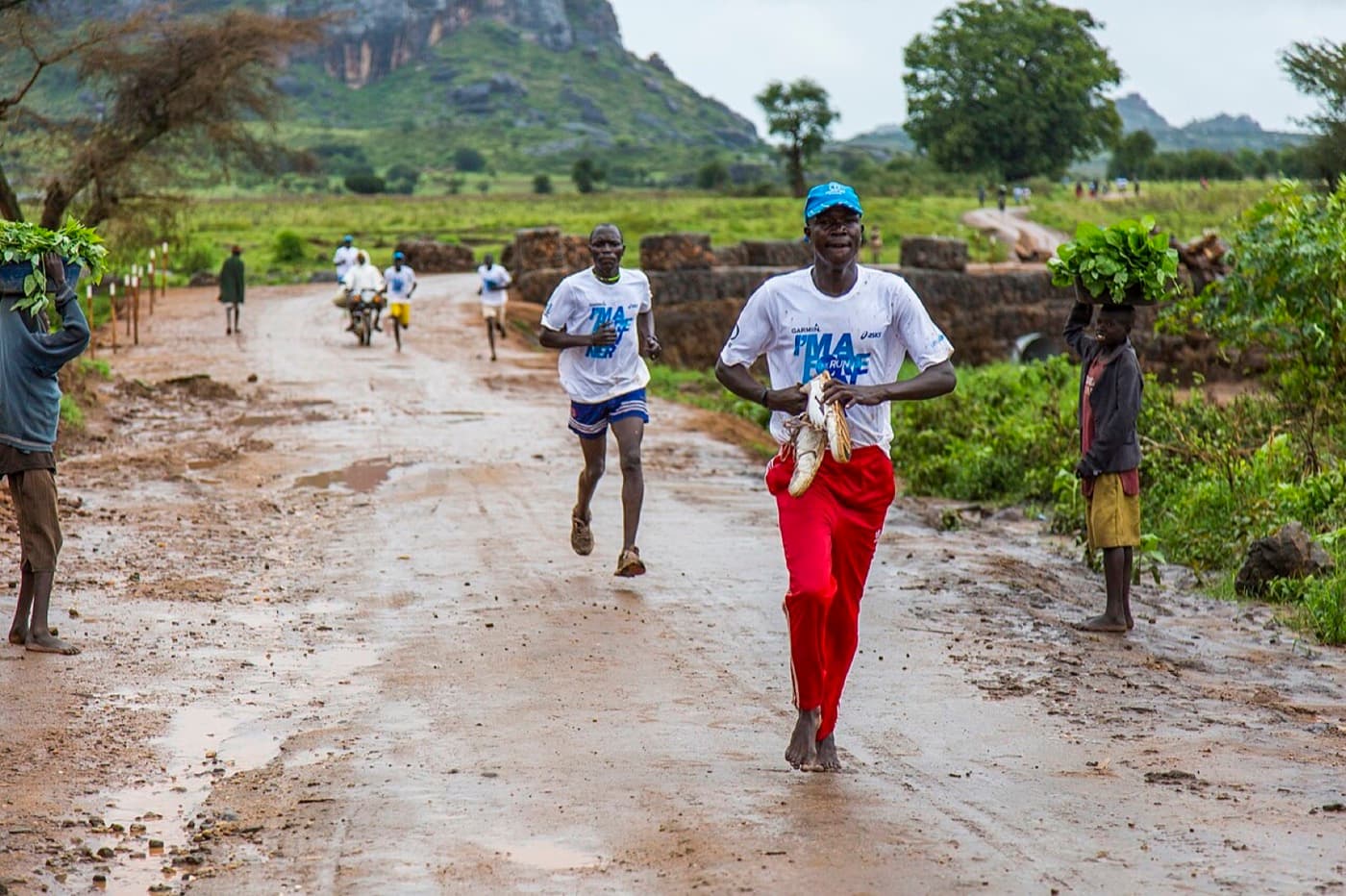
Running
The most accessible endurance sport — no venue, just shoes and the open road or trail.
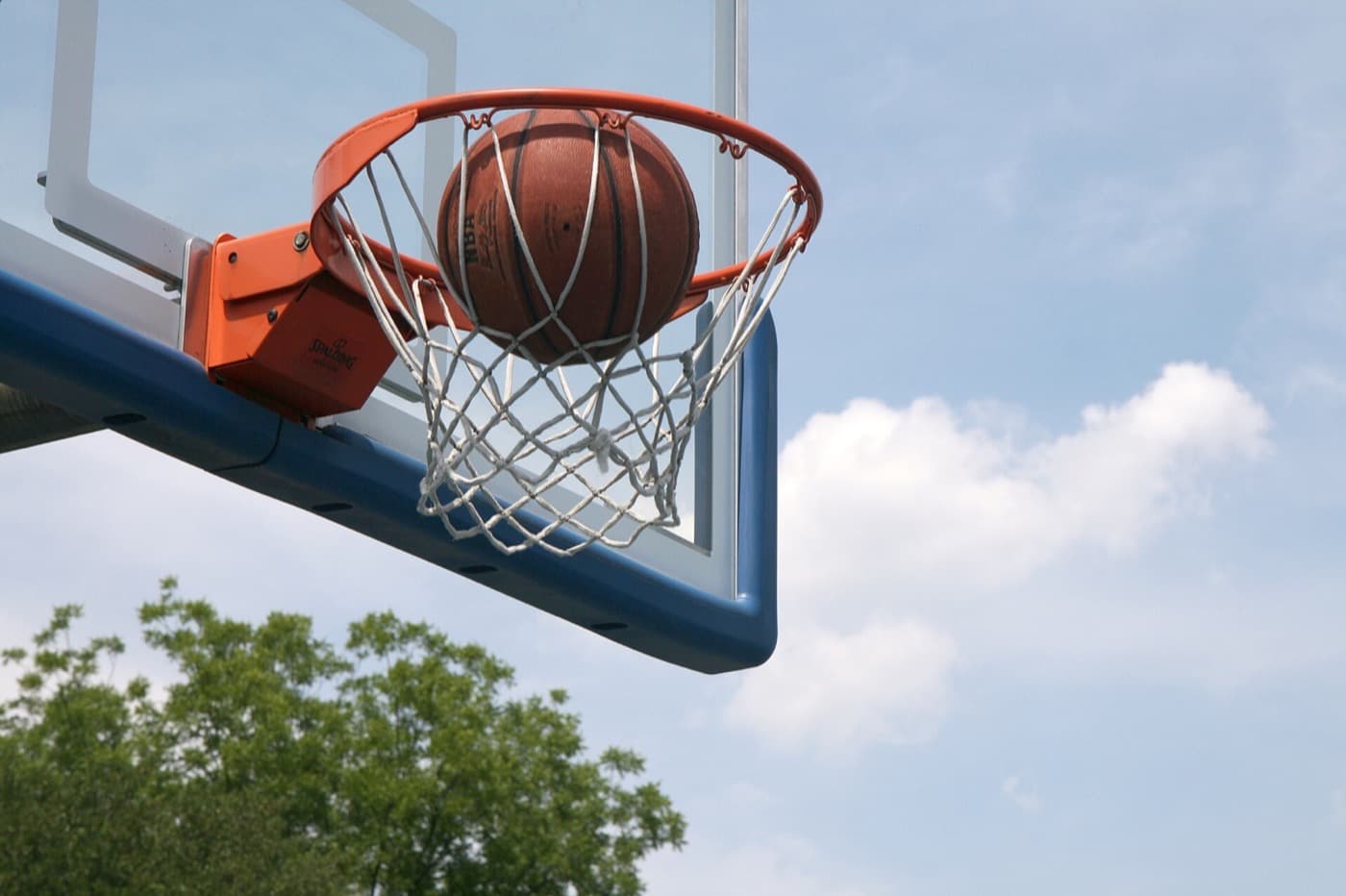
Basketball
A fast, dynamic team sport of running, jumping and quick decisions on court.
Goals that fit
Improve fitness
Build well-rounded fitness — stamina, strength and more — through regular, varied activity you can keep up.
Social activities
Use sport as a way to meet people, make friends and stay connected while staying active.
Build an active lifestyle
Make movement a natural, lasting part of daily life through activities and habits you genuinely enjoy.
Outdoor activities
Spend more time being active outdoors, from walking and cycling to trails, water and hills.
Teamwork
Develop cooperation, communication and trust by playing sports that rely on working together.
Ways to train
Exercises and methods that fit — educational, not a prescription.
Wall sit
A holding exercise where you sit against a wall with no chair, holding a squat position still.
Step-up
A movement where you step up onto a raised platform one leg at a time and step back down.
Kettlebell swing
A dynamic hinge where you swing a kettlebell to shoulder height using a snap of the hips.
Push-up
A classic upper-body pushing exercise where you lower and press your body up from the floor.
Tricep dip
A pushing exercise where you lower and raise your body using your arms on parallel bars or a bench.
Pull-up
A vertical pulling exercise where you hang from a bar and pull your chin above it.
Frequently asked questions
What is a weekend athlete?
Someone who fits their main sport into their free time, often on weekends, rather than training daily. It is a popular, sociable way to stay active around a busy weekday schedule.
How can weekend athletes stay comfortable?
Keeping a little movement in the week, warming up before sessions and progressing gradually all help bridge the gap between weekday sitting and weekend effort. Listening to how your body feels is important.
Should I do anything between weekend sessions?
Light activity such as walking, mobility work or an easy second session can help you stay ready for the weekend. The aim is to support your main sport, not to overload the week.
Explore across the knowledge base
Follow the threads that connect Weekend athletes to the rest of SocialSportHub.
Healthy living
- Weekend ActivityUsing the extra time at weekends to be active in ways that feel more like fun than exercise.
- Recovery SleepThe role rest plays in helping your body recover, adapt and feel ready after training and active days.
- Hydration and exerciseSensible fluid habits before, during and after activity — so you feel good and recover well without overthinking it.
- Recovery MealsThe general idea of eating after activity to help your body refuel and recover — simple, not scientific.
- Sports Nutrition BasicsA gentle introduction to fuelling an active body — the general ideas behind eating for energy, performance and recovery.
Coaching concepts
- Decision-Making PracticeTraining athletes to read cues and choose the right action under pressure — coupling perception to action, not just rehearsing physical technique in isolation.
- Small-Sided GamesPractising in scaled-down versions of a sport — fewer players, smaller area — so skills and decisions happen more often in a game-like setting.
- Transfer of TrainingWhether practice carries over to real performance — and why game-like, varied practice tends to transfer better than isolated, repetitive drills.
- Goal-Setting for PracticeSetting clear practice goals directs effort and makes progress visible — separating results-based outcome goals from controllable process goals.
- Session StructureHow a practice session is organised into phases — warm-up, main focus, game application and cool-down — so time is used well and learning sticks.
How this page is maintained
- Content type
- For people like you
- Provenance
- Tier A — evergreen educational
- Verified external sources
- 0
- Content updated
- 2026-07-09
Evergreen, first-party explanation — it makes no claim that needs an external source. How we handle sources and reviews.