
Starting out
The very first stage — no experience needed. It is about turning up, learning to move and building the habit before anything else.
Overview
Starting out is the stage before "beginner" — you have little or no background and the only goal is to begin. At this point, success is measured by showing up and moving, not by skill or fitness. The priorities are simple: find something you enjoy, learn to move comfortably, and repeat it often enough that it starts to feel normal.
This stage rewards patience and low expectations in the best sense. Keep sessions short and achievable, celebrate consistency over performance, and lean on beginner classes or coaching so you learn good basics from the start. Everything else builds on the habit you form here.
What this stage looks like
- No experience is needed — the goal is simply to begin.
- Success at this stage is showing up and moving, not performance.
- Short, achievable sessions build the habit that everything rests on.
- Enjoyment and consistency matter far more than intensity.
Getting started
- 1Pick one activity that appeals and try it with no pressure.
- 2Keep early sessions short and easy so they are simple to repeat.
- 3Use a beginner class or coach to learn good basics.
- 4Aim for consistency first — build the habit before building fitness.
- 5If you have any health conditions or concerns, check with a qualified healthcare professional before starting something new.
Sports that suit this stage
Great places to start — each with a clear, beginner-friendly guide.
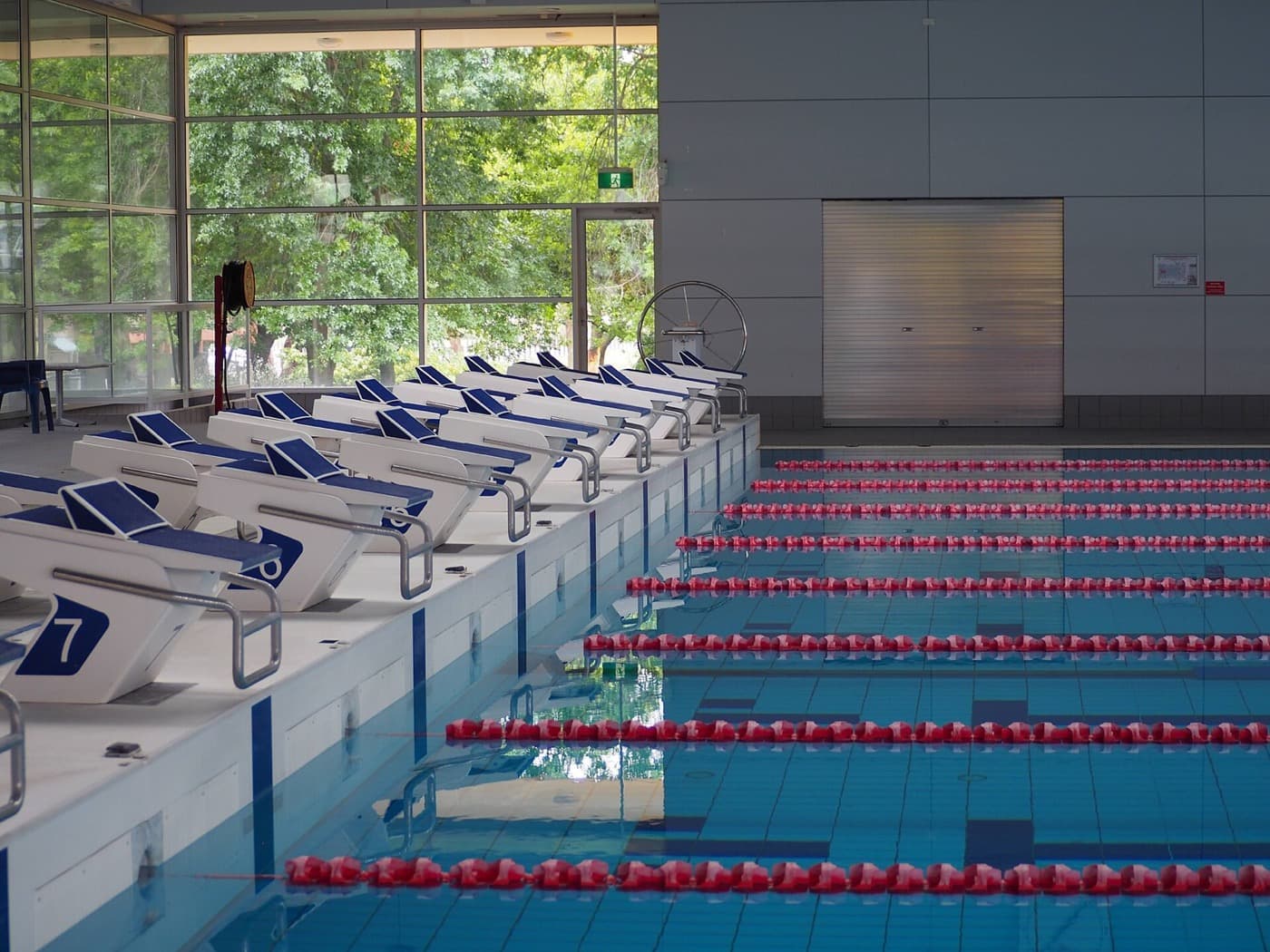
Swimming
A full-body, low-impact endurance sport suitable for almost every age and ability.
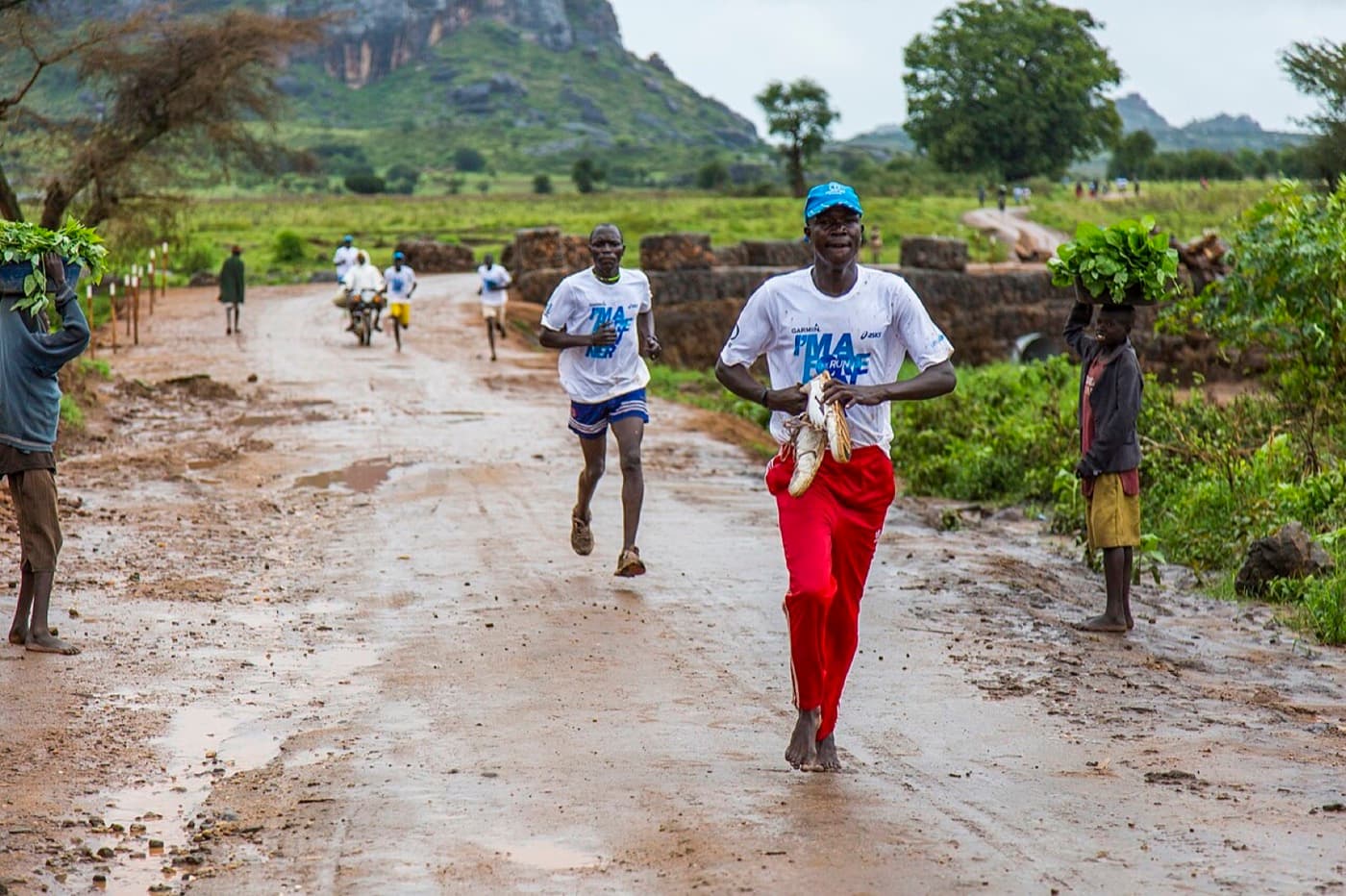
Running
The most accessible endurance sport — no venue, just shoes and the open road or trail.
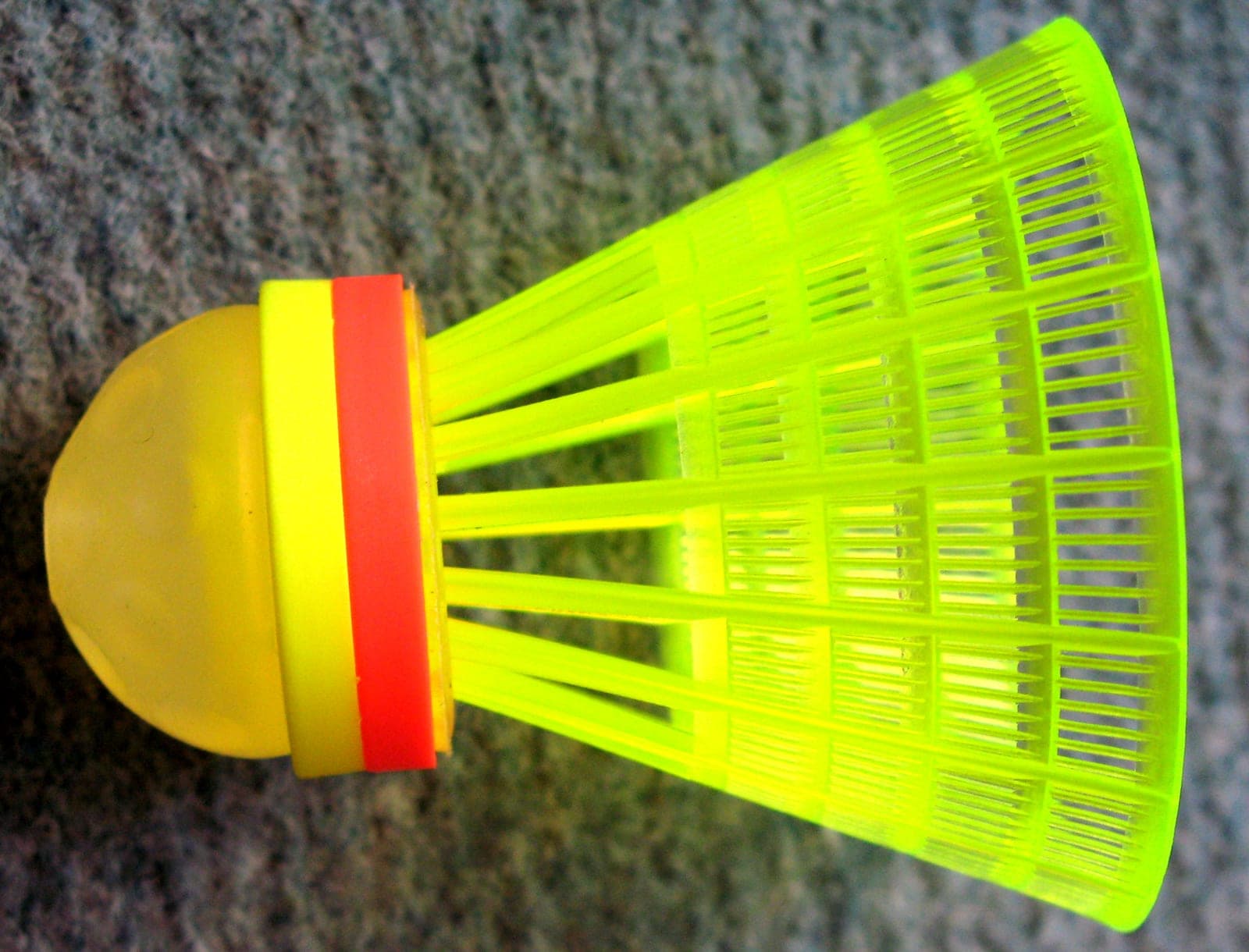
Badminton
A fast indoor racquet sport played with a shuttlecock that rewards agility and touch.
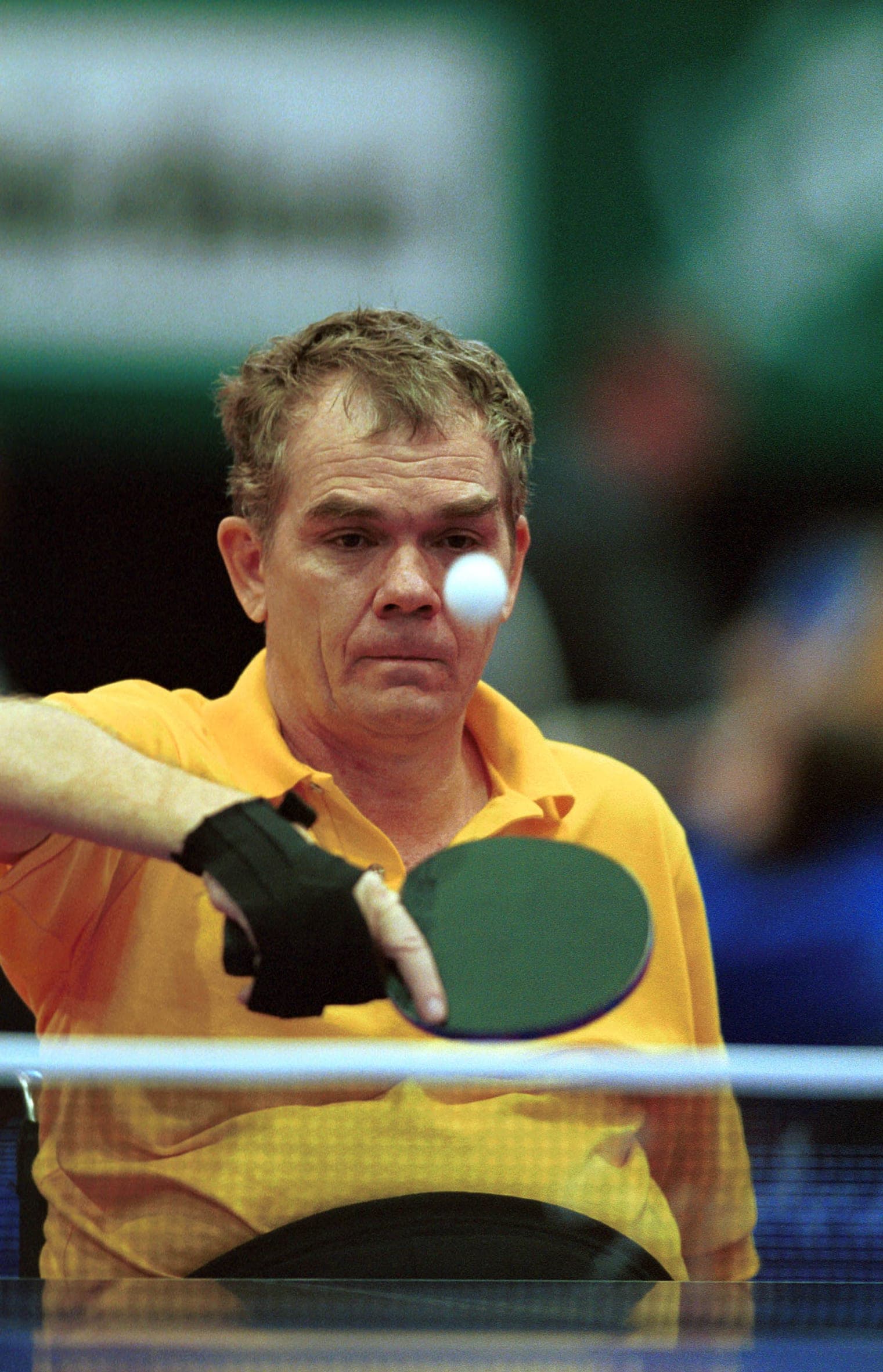
Table Tennis
A fast, low-impact indoor racquet sport that sharpens reflexes and is easy to start.
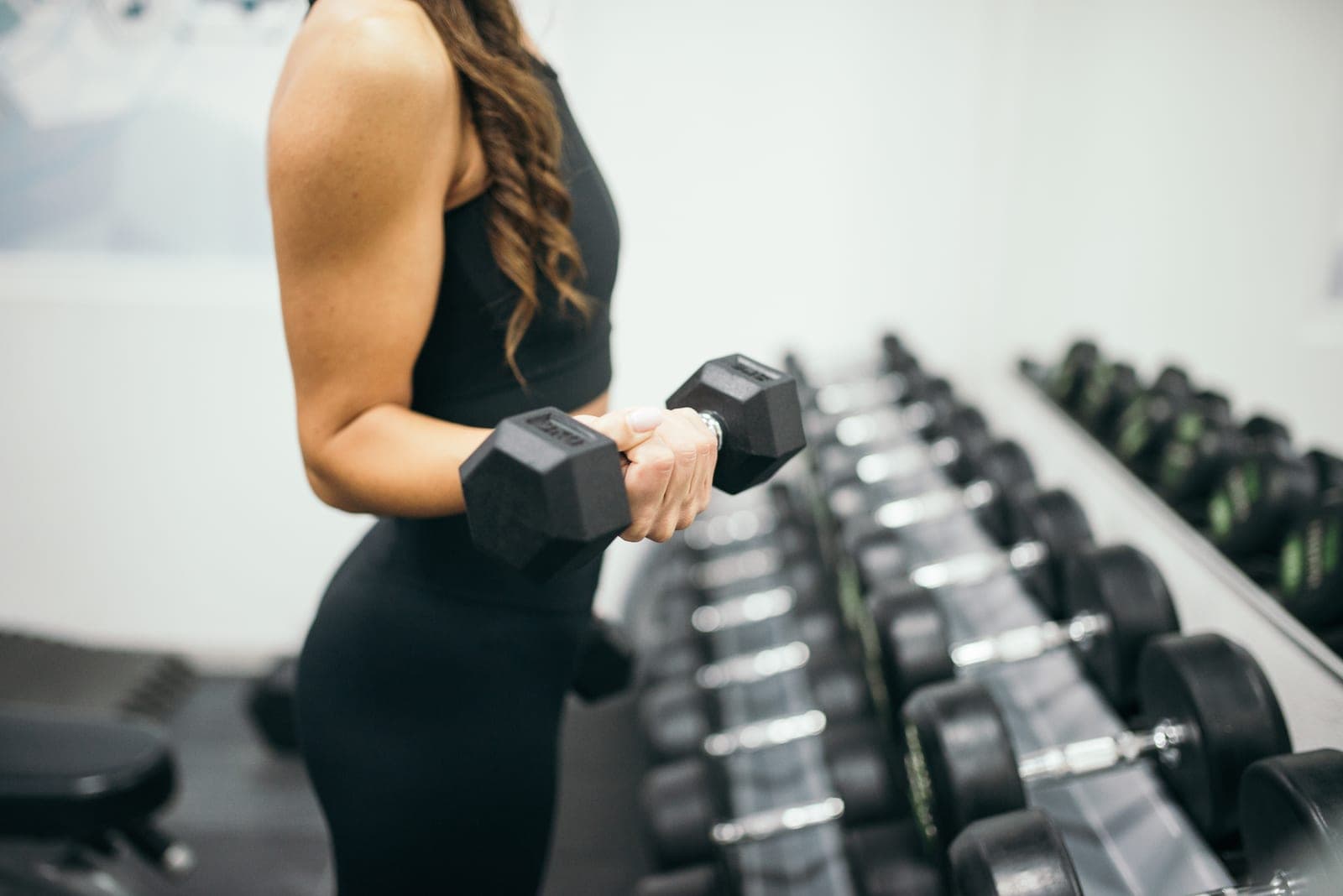
Fitness
Strength and general fitness training — the foundation that supports every other sport.
Goals that fit
Sports for beginners
How to start playing sport from scratch — choosing a first activity and building up gently.
Become more active
Add regular, gentle movement to your everyday life and build up from a sedentary start at your own pace.
Build healthy habits
Using sport and routine to make regular activity a lasting part of everyday life.
Build confidence
Use sport and steady progress to feel more capable, comfortable and self-assured over time.
Ways to train
Exercises and methods that fit — educational, not a prescription.
Jump squat
An explosive squat variation where you spring off the floor at the top of the movement.
Lunge
A single-leg movement where you step forward and bend both knees to lower your body.
Bulgarian split squat
A single-leg squat where the back foot is raised on a bench behind you.
Hip hinge
The foundational bending-at-the-hips pattern that underpins deadlifts, swings and picking things up.
Kettlebell swing
A dynamic hinge where you swing a kettlebell to shoulder height using a snap of the hips.
Band pull-apart
A simple pulling exercise where you stretch a resistance band across your chest to work the upper back.
Frequently asked questions
I have never done any sport — where do I begin?
Begin by picking one activity that appeals and trying it with no pressure to be good at it. At this stage the goal is simply to show up and move; keeping sessions short and using a beginner class or coach helps you build the habit and good basics at the same time.
Explore across the knowledge base
Follow the threads that connect Starting out to the rest of SocialSportHub.
Barriers
- Nervous about startingWhen starting feels intimidating, beginner-friendly, low-pressure settings and a gentle first step make the first move far easier.
- Low confidenceWhen self-consciousness gets in the way, private or beginner-friendly settings and steady, visible progress help confidence grow through doing.
- Never played sportWhen you are starting from zero, beginner pathways, basic skills and patience with the learning curve turn "no experience" into a fresh start.
Coaching concepts
- Skill acquisitionHow a movement or sports skill is learned — progressing from conscious, effortful control to smooth, largely automatic execution through practice and feedback.
- ProgressionBuilding skill and training load in gradual, manageable steps so each stage prepares the next, moving from simple to complex and easy to hard.
Training guides
- Bodyweight training basicsBodyweight training uses your own body as resistance, making it a simple and accessible way to build strength almost anywhere.
- How to start strength trainingStarting strength training means gradually introducing resistance movements and learning good form before doing anything more demanding.
- Staying consistent with trainingStaying consistent is about building training into your routine so it keeps happening even when motivation dips.
Motivations
- To have funWhen enjoyment is the point, playful, varied and social sports keep you coming back — because the best activity is the one you look forward to.
- To spend time as a familyWhen the aim is shared time, activities the whole family can do together turn being active into a way to connect across ages.
How this page is maintained
- Content type
- Your stage
- Provenance
- Tier A — evergreen educational
- Verified external sources
- 0
- Content updated
- 2026-07-09
Evergreen, first-party explanation — it makes no claim that needs an external source. How we handle sources and reviews.