
Bodyweight training basics
Bodyweight training uses your own body as resistance, making it a simple and accessible way to build strength almost anywhere.
Overview
Bodyweight training means using the weight of your own body as the resistance — think squats, push-ups, lunges and planks. Because it needs little or no equipment, it is one of the most accessible ways to start building strength, and you can do it at home, outdoors or while travelling.
Movements can usually be made easier or harder without any kit. A push-up, for example, can be done with the hands raised on a surface to make it more manageable, or with the feet raised to make it more demanding, so the same exercise grows with you.
A simple beginner approach is to pick a handful of movements that cover the main patterns — a push, a squat, a hinge where possible and something for the core — and practise them regularly with comfortable, controlled form.
How to do it
- 1Choose a few foundational movements, such as squats, push-ups and a plank
- 2Start with an easier version of each and keep the movement controlled
- 3Move through a comfortable range without forcing it
- 4Rest between efforts so your form stays tidy
- 5Progress to a slightly harder variation once a movement feels comfortable
Key points
- Needs little or no equipment and can be done almost anywhere
- Movements can be scaled easier or harder without weights
- Focus on controlled, comfortable form over rushing
- Cover the main patterns: push, squat, hinge and core
- Rest between efforts so each one stays controlled
A note on training information
Where it’s used
Sports this relates to:
Calisthenics
Bodyweight strength training — push-ups, pull-ups, dips and progressions you can do almost anywhere.
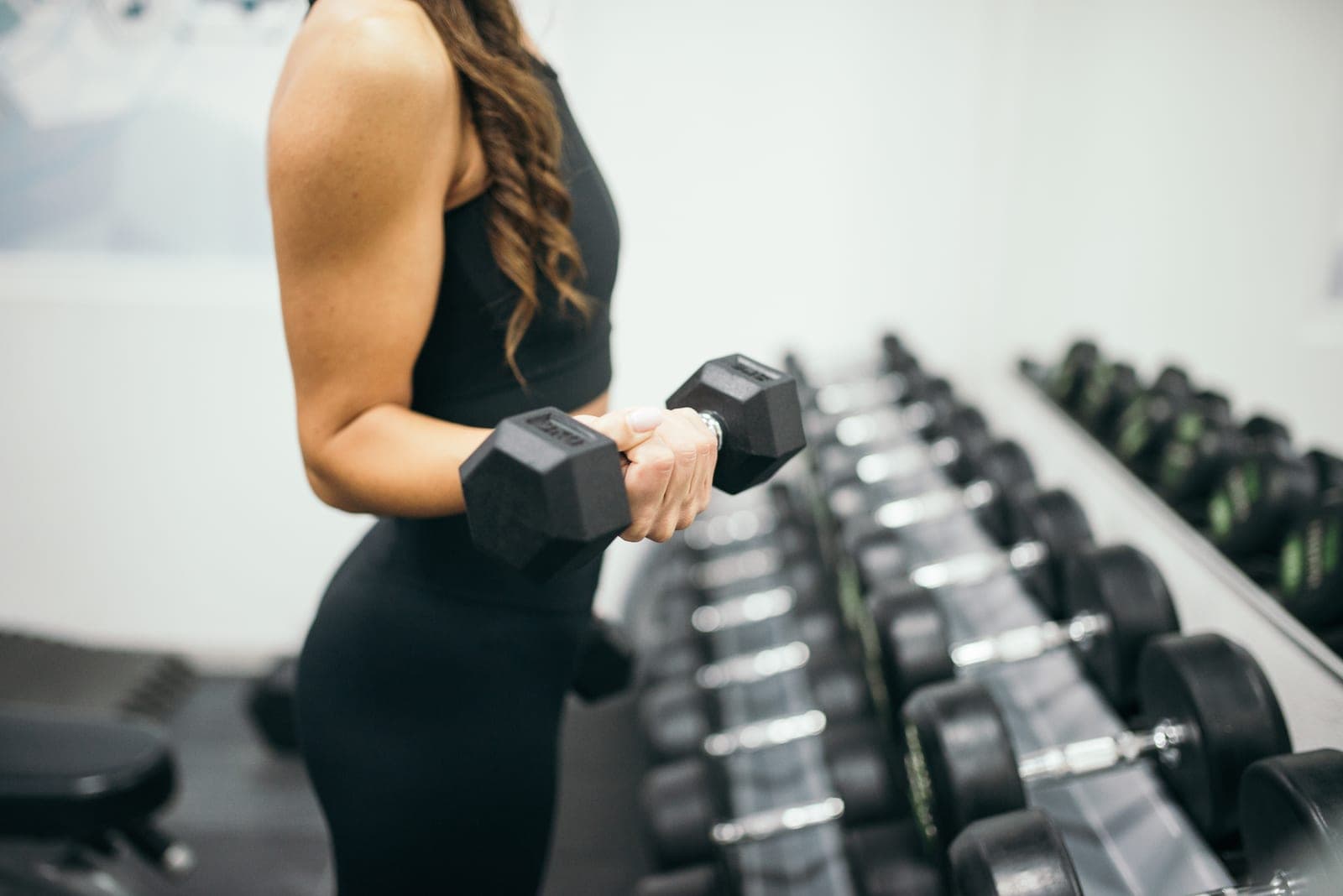
Fitness
Strength and general fitness training — the foundation that supports every other sport.
Functional Fitness
Varied, whole-body training built around everyday movement patterns like squatting, lifting and carrying.
Related training guides
How to warm up
A short, gentle warm-up gradually raises your body temperature and prepares your muscles and joints for the activity ahead.
How to cool down
A cool-down is a few easy minutes at the end of a session that let your effort taper off gradually before you stop.
How to build a weekly routine
Building a weekly routine means loosely planning your training across the week so effort and rest are spread out in a way you can sustain.
Explore across the knowledge base
Follow the threads that connect Bodyweight training basics to the rest of SocialSportHub.
Barriers
- Always travellingWhen you are often away from home, sport has to travel with you — bodyweight options, hotel-room routines and activity that needs no local club.
- Nervous about startingWhen starting feels intimidating, beginner-friendly, low-pressure settings and a gentle first step make the first move far easier.
- Nothing nearbyWhen there is no local club or facility, self-directed and home-based activity — plus a wider search — keeps sport within reach.
- Worried about costWhen money is tight, free and low-cost activity — walking, running, bodyweight training — proves that sport does not have to be expensive.
Experience levels
Lifestyle
- No equipmentActivities and workouts you can do with little or no gear, using mostly your own body.
- At homeMovement you can do in your living room — from bodyweight strength to yoga — with little or no equipment.
- 1 hourA full hour opens up almost any sport, from a proper game to a longer ride, run or gym session.
- WeekendMaking the most of weekend free time for longer, more social or outdoor activities.
- At the gymHow to make the most of a gym — strength machines, free weights, classes and cardio kit under one roof.
Training methods
- Strength TrainingStrength training uses resistance — bodyweight, bands or weights — to challenge your muscles so they gradually adapt and get stronger over time.
- High-Intensity Interval Training (HIIT)High-intensity interval training, or HIIT, packs short, hard efforts against brief recoveries into a compact session, making it a time-efficient way to train.
- Hypertrophy TrainingHypertrophy training is resistance work structured to encourage muscle growth, typically using moderate repetitions and a steady, controlled tempo.
People
Training plans
- Home Bodyweight WeekA general example week of short, equipment-free bodyweight sessions you can do at home, built from simple movements like squats, push-ups and planks.
- Beginner Strength WeekA general example week for someone learning the basic strength movements, built around a few short, technique-focused sessions with plenty of rest.
- Three-Day Split ExampleA general example of a simple three-day training split that divides the week into a few focused sessions with rest built in between.
- Beginner Full-Body WeekA general example of a simple full-body week that spreads a push, a pull, a lower-body movement and some core evenly across three unhurried sessions.
How this page is maintained
- Content type
- Training guide
- Provenance
- Tier A — evergreen educational
- Verified external sources
- 0
- Content updated
- 2026-07-06
Evergreen, first-party explanation — it makes no claim that needs an external source. How we handle sources and reviews.