
How to start strength training
Starting strength training means gradually introducing resistance movements and learning good form before doing anything more demanding.
Overview
Strength training is any exercise where your muscles work against resistance — and that resistance can be your own bodyweight, a resistance band, dumbbells, a kettlebell or a barbell. It builds strength that supports posture, everyday tasks and almost every sport.
For a complete beginner, the priority is learning the movements well before making them harder. Starting comfortable and controlled lets you groove good technique on the main patterns — a squat, a hinge, a push and a pull — which pays off for a long time.
A simple starting point is a small handful of foundational movements practised regularly, with comfortable, controlled effort and rest between efforts. As the movements start to feel easy and familiar, they can be progressed gently over time.
How to do it
- 1Choose a few foundational movements covering squat, hinge, push and pull
- 2Begin at a comfortable, easily controlled level of resistance
- 3Focus on moving smoothly through a full, controlled range
- 4Rest between efforts so each one stays tidy and controlled
- 5Once a movement feels easy and familiar, progress it gently
Key points
- Resistance can be bodyweight, bands, dumbbells, kettlebells or a barbell
- Learn good, controlled form before making movements harder
- Cover the main patterns: squat, hinge, push and pull
- Start comfortable and controlled rather than demanding
- Rest between efforts and progress gently over time
A note on training information
Where it’s used
Sports this relates to:
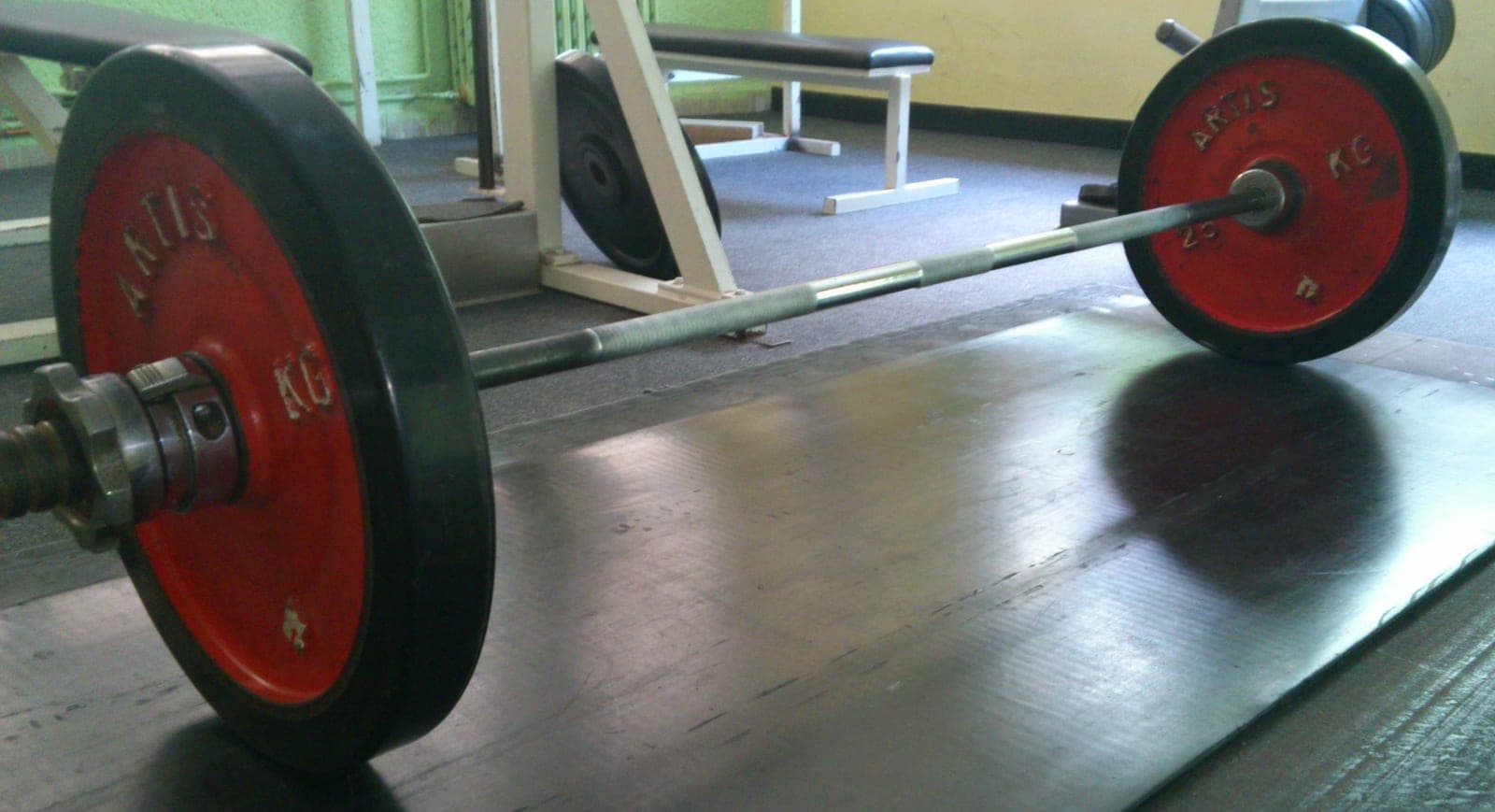
Weightlifting
A technical strength sport built around lifting a loaded barbell overhead with speed and control.

Fitness
Strength and general fitness training — the foundation that supports every other sport.
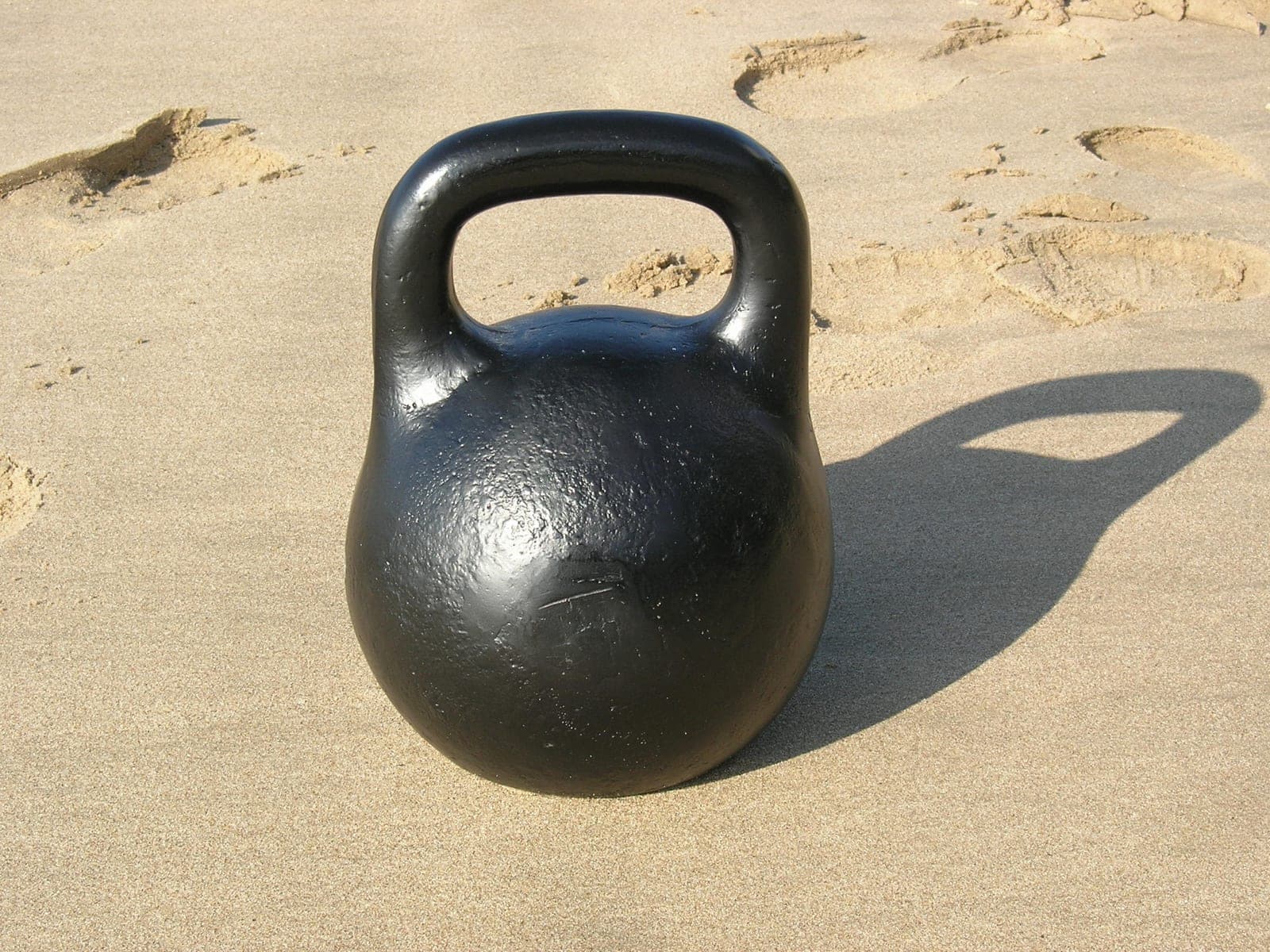
Functional Fitness
Varied, whole-body training built around everyday movement patterns like squatting, lifting and carrying.
Related training guides
How to warm up
A short, gentle warm-up gradually raises your body temperature and prepares your muscles and joints for the activity ahead.
How to cool down
A cool-down is a few easy minutes at the end of a session that let your effort taper off gradually before you stop.
How to build a weekly routine
Building a weekly routine means loosely planning your training across the week so effort and rest are spread out in a way you can sustain.
Explore across the knowledge base
Follow the threads that connect How to start strength training to the rest of SocialSportHub.
Coaching concepts
- ProgressionBuilding skill and training load in gradual, manageable steps so each stage prepares the next, moving from simple to complex and easy to hard.
- Feedback and CueingFeedback from your senses, a coach, or video plus short instructional cues guide skill learning — including internal vs external focus of attention.
Experience levels
Training plans
- Beginner Strength WeekA general example week for someone learning the basic strength movements, built around a few short, technique-focused sessions with plenty of rest.
- Walk-to-Jog PlanA gentle example of easing from walking into jogging by gradually mixing short, easy jogs into regular walks over several weeks.
Training methods
- Strength TrainingStrength training uses resistance — bodyweight, bands or weights — to challenge your muscles so they gradually adapt and get stronger over time.
- Hypertrophy TrainingHypertrophy training is resistance work structured to encourage muscle growth, typically using moderate repetitions and a steady, controlled tempo.
- Flexibility TrainingFlexibility training uses stretching to gradually improve how far your muscles and joints can comfortably lengthen and move.
- Circuit TrainingCircuit training moves you through a series of stations back to back with little rest, blending strength and cardio into one time-efficient session.
- Progressive OverloadProgressive overload is the principle of gradually increasing the demand you place on your body so it keeps adapting and improving over time.
Beginner guides
- How to Talk to a Coach or Instructor as a BeginnerA friendly guide to introducing yourself as new, saying what you want from a session, and asking the questions that help a good coach adapt to you.
- Spending Wisely as a BeginnerYou rarely need to buy much to start a new sport, because borrowing, hiring, taster sessions and a little patience let you learn what genuinely matters before you spend.
- Building a Sustainable Routine as a BeginnerHow to turn a new sport into a lasting habit by starting small, valuing consistency over intensity, and building in rest and flexibility so your routine survives real life.
How this page is maintained
- Content type
- Training guide
- Provenance
- Tier A — evergreen educational
- Verified external sources
- 0
- Content updated
- 2026-07-06
Evergreen, first-party explanation — it makes no claim that needs an external source. How we handle sources and reviews.