Advantage Played
A decision to let play continue after a foul because stopping it would benefit the team that committed the offence.
Definition
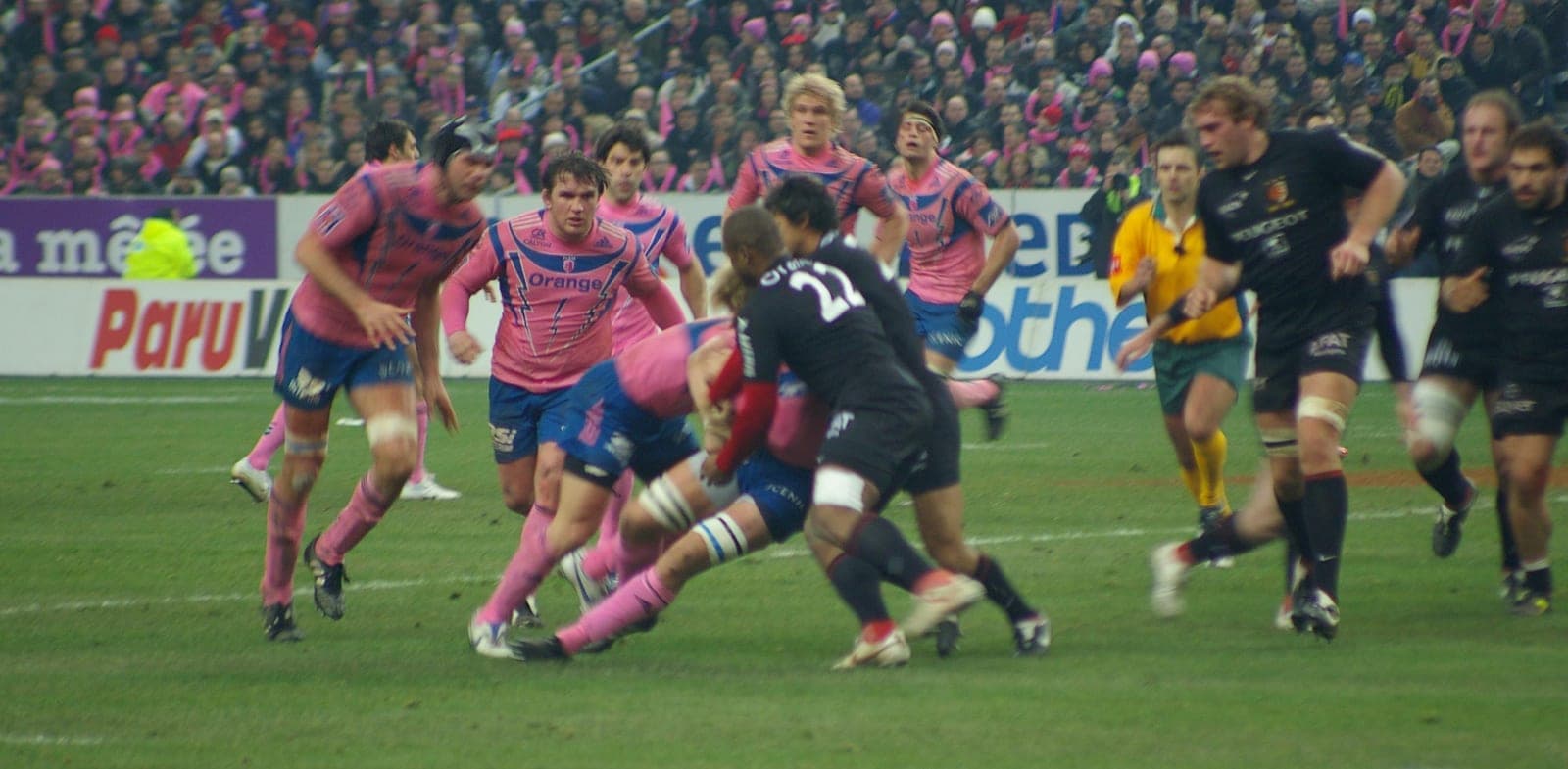
Advantage is an officiating principle that lets play carry on after an infringement when the non-offending team is better served by continuing than by a stoppage. Rather than immediately blowing the whistle for a foul, the referee signals advantage, typically with an outstretched arm, and allows the move to develop, penalising the original offence only if the expected benefit does not materialise within a few seconds.
Playing advantage keeps games flowing and prevents offenders from gaining by stopping a promising attack. It is prominent in association football and rugby, where referees judge whether a team gains a clear benefit before deciding to wave play on or bring it back for the foul. In football the referee may still caution the offender at the next stoppage even after allowing advantage. This officiating decision is unrelated to the tennis scoring term of the same name.
Scope: This is the officiating decision to play on after a foul; it is different from 'advantage' as a tennis score, which is the point won immediately after deuce.
Where you’ll hear “advantage played”
Sports that use this term:
How it connects
The meaning-bearing relationships that place Advantage Played in the wider knowledge graph.
Commonly confused with
Explore across the knowledge base
Follow the threads that connect Advantage Played to the rest of SocialSportHub.
Officiating
- AdvantageIn many sports, officials let play continue after a foul when stopping would help the offender, so the fouled team keeps the advantage it has gained.
- Out-of-Bounds CallAn official's ruling that the ball or a player in possession has left the legal playing area, stopping play and handing a restart or possession to the opponent.
- Foul callA foul call is an official's ruling that a player broke a rule of contact or conduct, triggering a penalty such as a free kick, free throw or penalty.
- Video ReviewVideo review lets officials re-examine footage of a contested moment to confirm or overturn a close call — a goal, a line, a foul — an aid used across many sports.
Rules
- Handball offenceA foul in football committed when an outfield player deliberately handles or controls the ball with the hand or arm.
- Direct and indirect free kicksThe two types of free kick awarded in football to restart play after a foul or other stoppage.
- Throw-inThe method of restarting football when the ball fully crosses a side line, taken by throwing it back into play.
- Backcourt violationA basketball rule breach for returning the ball into a team's own defensive half after it has crossed into the attacking half.
- OffsideA rule that prevents an attacker from gaining an advantage by being positioned too close to the opponents' goal ahead of the ball and the last defenders.
Decision making
- Pass selectionChoosing which pass to play, and to whom, from the options a moment offers — weighing space, risk and what the team is trying to do.
- Adapting to conditionsAdjusting your decisions as the conditions around you change — weather, surface, equipment, fatigue or an opponent's style.
- Option recognitionSeeing what actions are actually available in a moment — the passes, shots or moves on offer — before choosing between them.
- When to defendJudging the moment to switch from attacking intent to protecting your goal, court or position — recognising when the situation calls for security over ambition.
- When to keep possessionJudging when to hold and recycle the ball rather than force a forward option — choosing patience and control over immediate progress.
Goals
- TeamworkDevelop cooperation, communication and trust by playing sports that rely on working together.
- Sports for beginnersHow to start playing sport from scratch — choosing a first activity and building up gently.
- Sports for teenagersSports and activities that suit teenagers, from team games to individual pursuits.
Skills
- PassingThe skill of moving the ball to a teammate accurately to keep possession and create chances.
- Ball controlThe skill of receiving and settling the ball quickly so it is ready to use.
- HeadingThe skill of directing the ball with the head to pass, clear or attempt to score.
- ReboundingThe basketball skill of gaining the ball after a missed shot.
- Returning serveThe skill of reading and playing back an opponent’s serve to stay in the rally.
Tactics
- High pressA football tactic where a team hunts the ball high up the pitch to win it back close to the opponent’s goal.
- Offside trapA defensive football tactic where the back line steps up together to leave an attacker offside.
- Wing playAttacking down the flanks and crossing the ball into the box to stretch the defence and create chances.
- Serve-receive formationHow a volleyball team arranges its passers to receive the serve and set up a clean first attack.