
Out-of-Bounds Call
An official's ruling that the ball or a player in possession has left the legal playing area, stopping play and handing a restart or possession to the opponent.
Overview
An out-of-bounds call is an official's judgment that the ball, puck, disc, or a player in possession has passed beyond the boundary of the legal playing area. Every sport marks that area differently — painted lines on a court or field, a rope or fence around an outfield, walls in an enclosed court, or lane markings — and each defines precisely when the object counts as out, whether that is the whole ball crossing the whole line, landing beyond a marked edge, or a foot touching the boundary. When that threshold is met, the official stops play with a whistle, a hand signal, or a spoken 'out' and identifies where and by whom the boundary was crossed.
What follows the call depends on the code. In many invasion and net games the opposing side is rewarded: play resumes with a throw-in, kick-in, lineout, restart, or face-off, or possession simply changes hands. In rally-scoring net sports the same in-or-out judgment decides the point itself, since a ball landing outside the lines ends the exchange. Other sports attach a penalty, such as a stroke added for a shot that finishes out of bounds. Because these decisions are often extremely close, the primary official is frequently supported by line judges, touch judges, or assistants, and many sports now supplement human judgment with electronic line-calling or video review.
What it involves
- The boundary may be a painted line, a wall, a rope or fence, or a lane marking, and the exact test for 'out' varies — the whole ball crossing the whole line, the ball landing beyond an edge, or a foot touching the boundary.
- Officials judge both the moment and the location of the crossing, often keyed to the last point of contact, then stop play with a whistle, hand signal, or verbal call.
- Consequences differ by sport: a restart such as a throw-in, kick-in, lineout, or face-off; a straightforward change of possession; a decided point or rally; or an added penalty stroke.
- In some sports it is a player, not only the ball, who can go out — a ball-carrier who steps on or beyond the line makes the ball dead, ending the play.
- Tight boundary decisions are commonly shared with line judges, touch judges, or assistant referees, and increasingly checked by electronic line-calling or video replay.
Where it’s used
Sports that use out-of-bounds call:
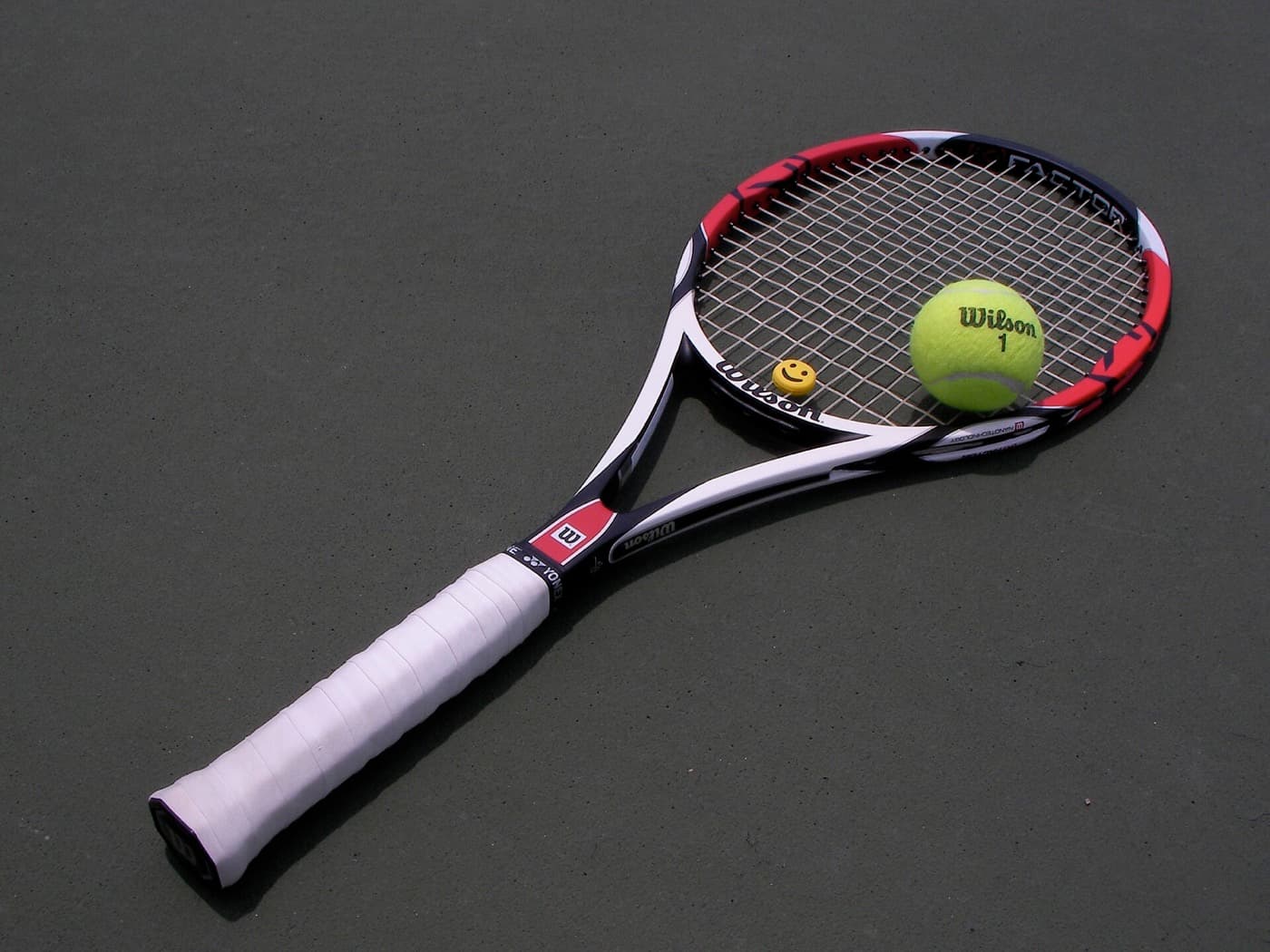
Tennis
A singles or doubles racquet sport that blends agility, strategy and stamina on court.

Football
The world’s most popular team sport — endless running, teamwork and community in one game.

Basketball
A fast, dynamic team sport of running, jumping and quick decisions on court.
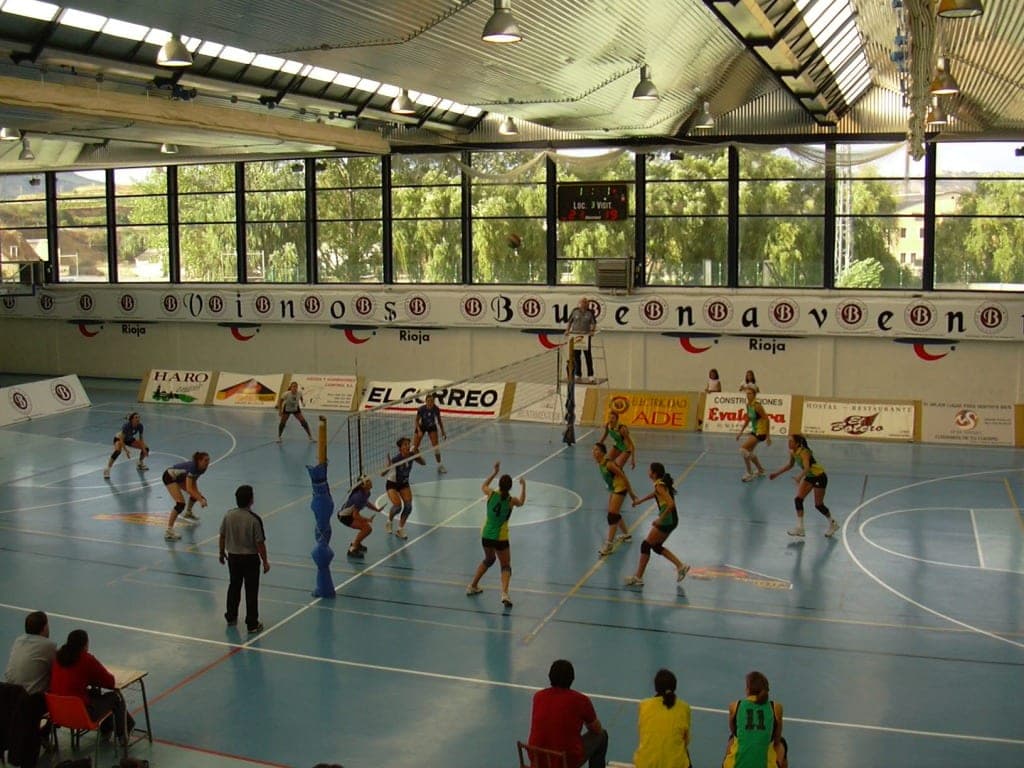
Volleyball
A non-contact team sport of rallies, jumps and teamwork — indoors or on the beach.
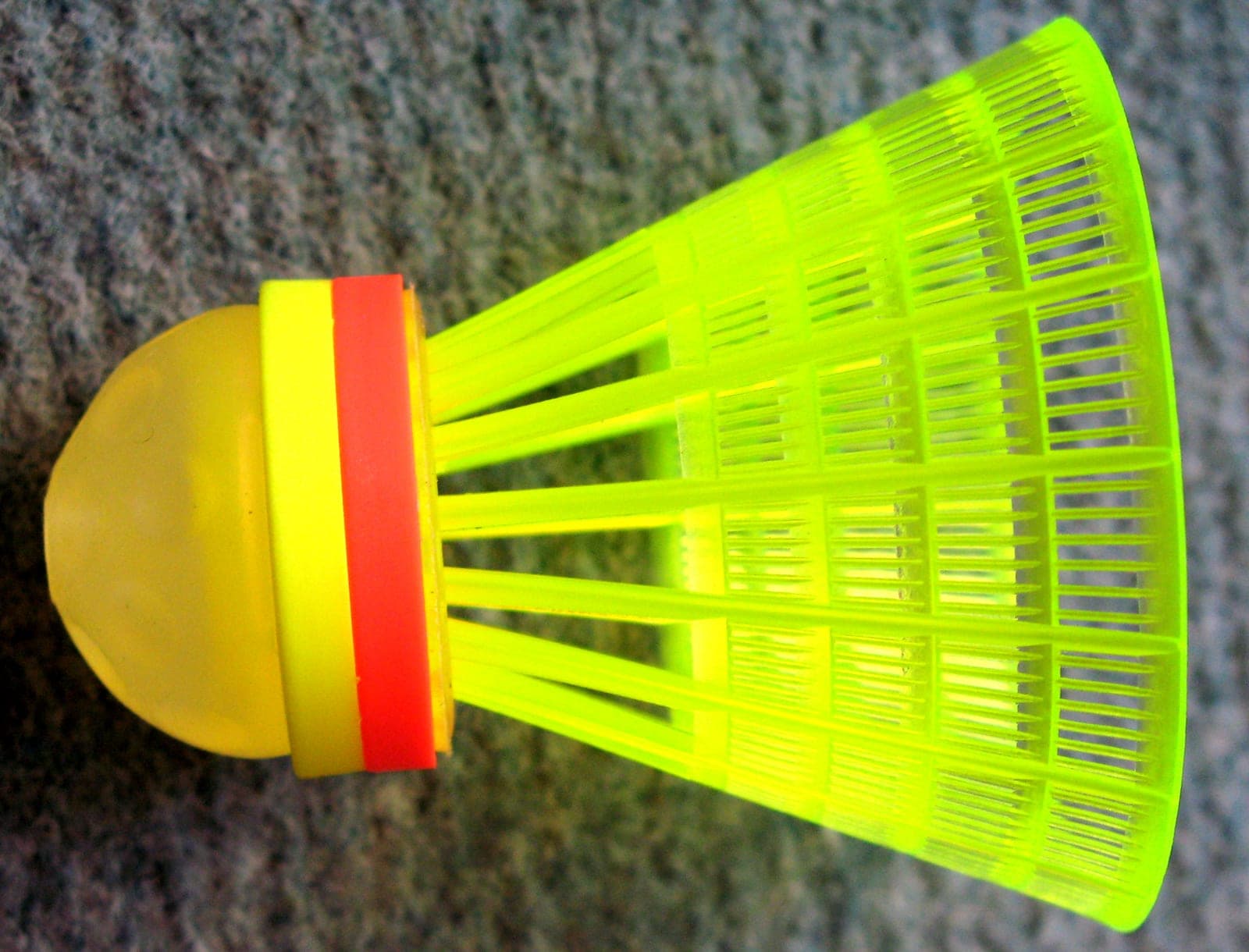
Badminton
A fast indoor racquet sport played with a shuttlecock that rewards agility and touch.
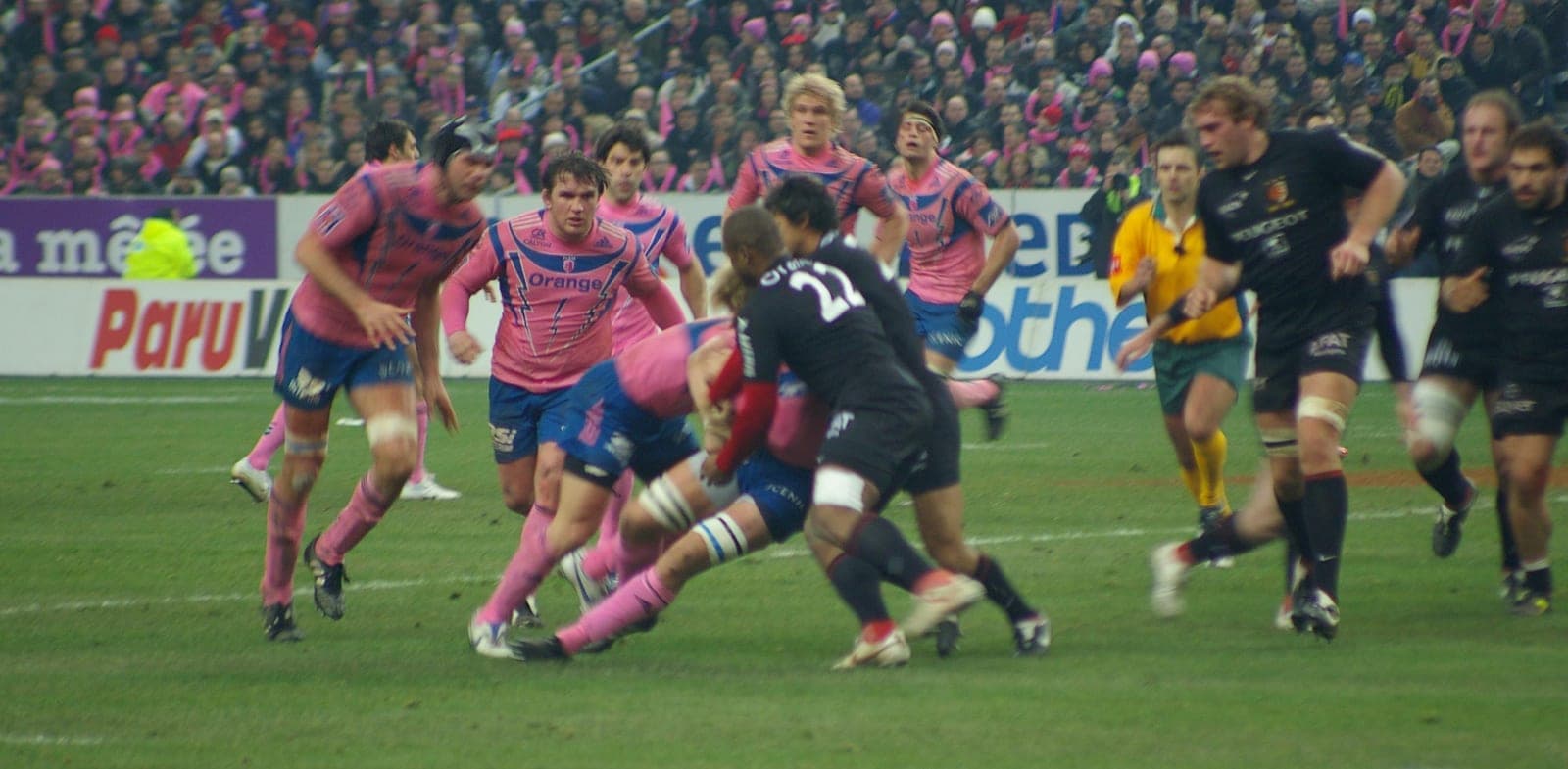
Rugby
A physical team sport of carrying, passing and kicking an oval ball toward the opposing line.
American Football
A strategic, position-based team sport of set plays, sprinting and coordinated teamwork on a marked field.
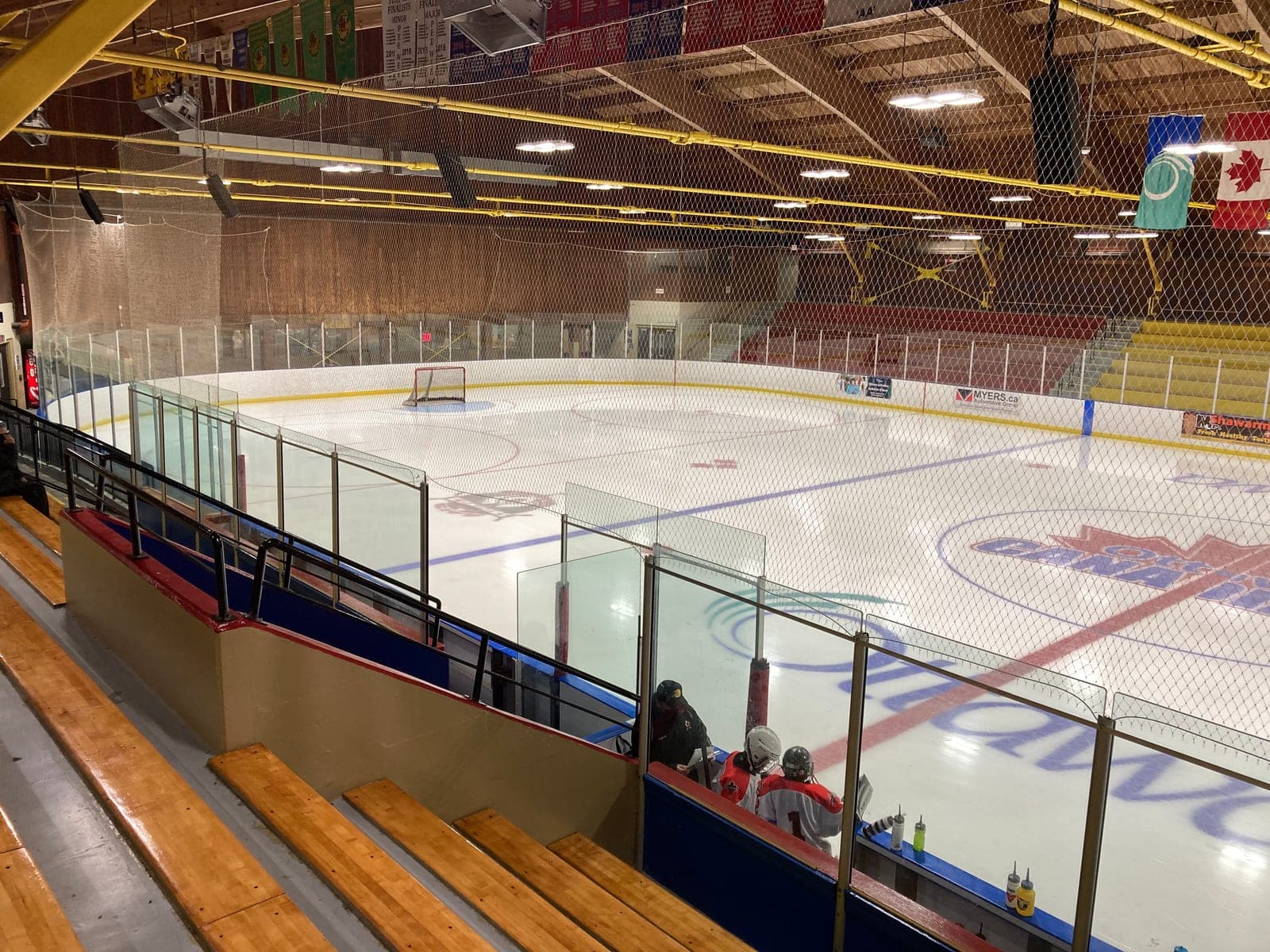
Ice Hockey
A fast team sport on ice that combines skating skill with quick passing and goal-scoring.
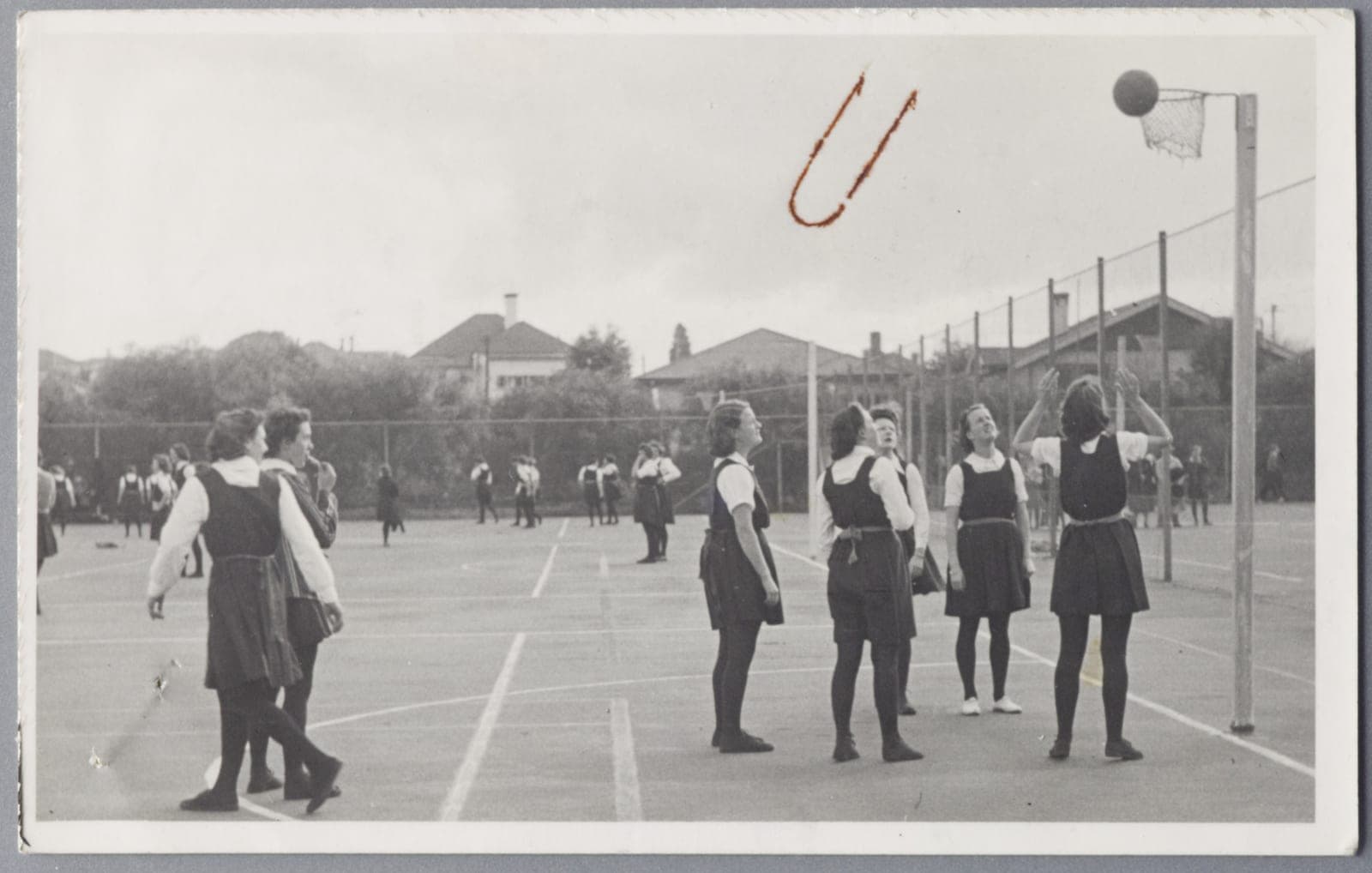
Netball
A non-contact, position-based team sport of quick passing and accurate shooting.
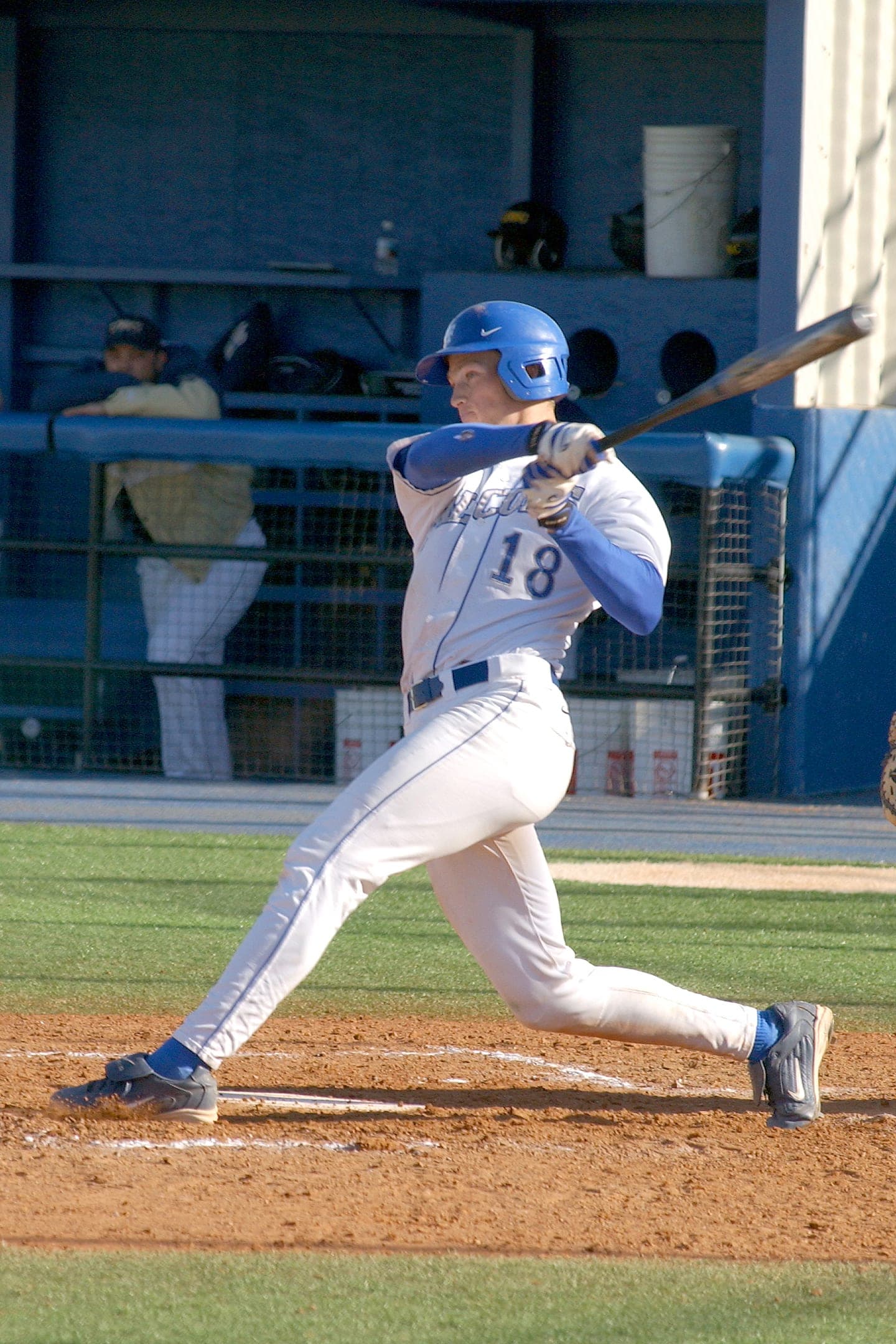
Baseball
A bat-and-ball team sport where two sides alternate between batting and fielding to score runs.
Related officiating
Referee
The primary on-field official who enforces the rules, controls play, penalises fouls, awards restarts, and blows the whistle to start and stop a match.
Umpire
A match official who rules on lines, serves and dismissals in racket, bat-and-ball and net sports such as tennis, cricket and baseball — and, in racket sports, also keeps the running score.
Line Judge
A boundary-line official who calls whether the ball or player is in or out and flags foot faults, working under the head referee across many sports.
Explore across the knowledge base
Follow the threads that connect Out-of-Bounds Call to the rest of SocialSportHub.
Rules
- Out of boundsThe rule that a ball or player leaving the marked playing area is out of play and possession is decided at the boundary.
- Throw-inThe method of restarting football when the ball fully crosses a side line, taken by throwing it back into play.
- Tennis serving rulesThe rules governing how a tennis point begins, including where the server stands and where the serve must land.
- Penalty strokes in golfStrokes added to a player’s score in defined situations, such as hitting out of bounds or losing a ball.
- LetA call that stops a point and has it replayed without penalty, used across several racket sports.
Scoring systems
- Tennis scoringTennis is scored in points, games and sets, using the distinctive 15–30–40 point sequence and a win-by-two margin at every level.
- Volleyball scoringVolleyball uses rally scoring, in which a point is won on every rally, and matches are decided over a best-of-five sets.
- Badminton scoringBadminton uses rally scoring to 21 points per game, with matches decided over the best of three games.
How this page is maintained
- Content type
- Officiating concept
- Provenance
- Tier A — evergreen educational
- Verified external sources
- 0
- Content updated
- 2026-09-12
Evergreen, first-party explanation — it makes no claim that needs an external source. How we handle sources and reviews.