
Extra Time
Additional playing periods used in knockout matches to decide a winner when the scores are level at the end of normal time.
Definition
Extra time is a further period of play added when a match that must produce a winner is tied at the end of normal time. In association football it usually consists of two halves of fifteen minutes, both played in full, after which a penalty shoot-out follows if the scores remain level. It is used chiefly in knockout competitions where a draw is not an acceptable result.
Extra time should not be confused with stoppage or added time, which compensates for interruptions during a half of normal play; extra time is a separate stage that begins only after full time in a tied match. Rules vary by sport and competition, and some formats have historically used sudden-death variants where the first score ends the match. The American term for this concept is overtime.
Scope: Extra time is an additional period played to break a tie, not the same as stoppage or added time, which compensates for interruptions within normal play.
Where you’ll hear “extra time”
Sports that use this term:

Football
The world’s most popular team sport — endless running, teamwork and community in one game.
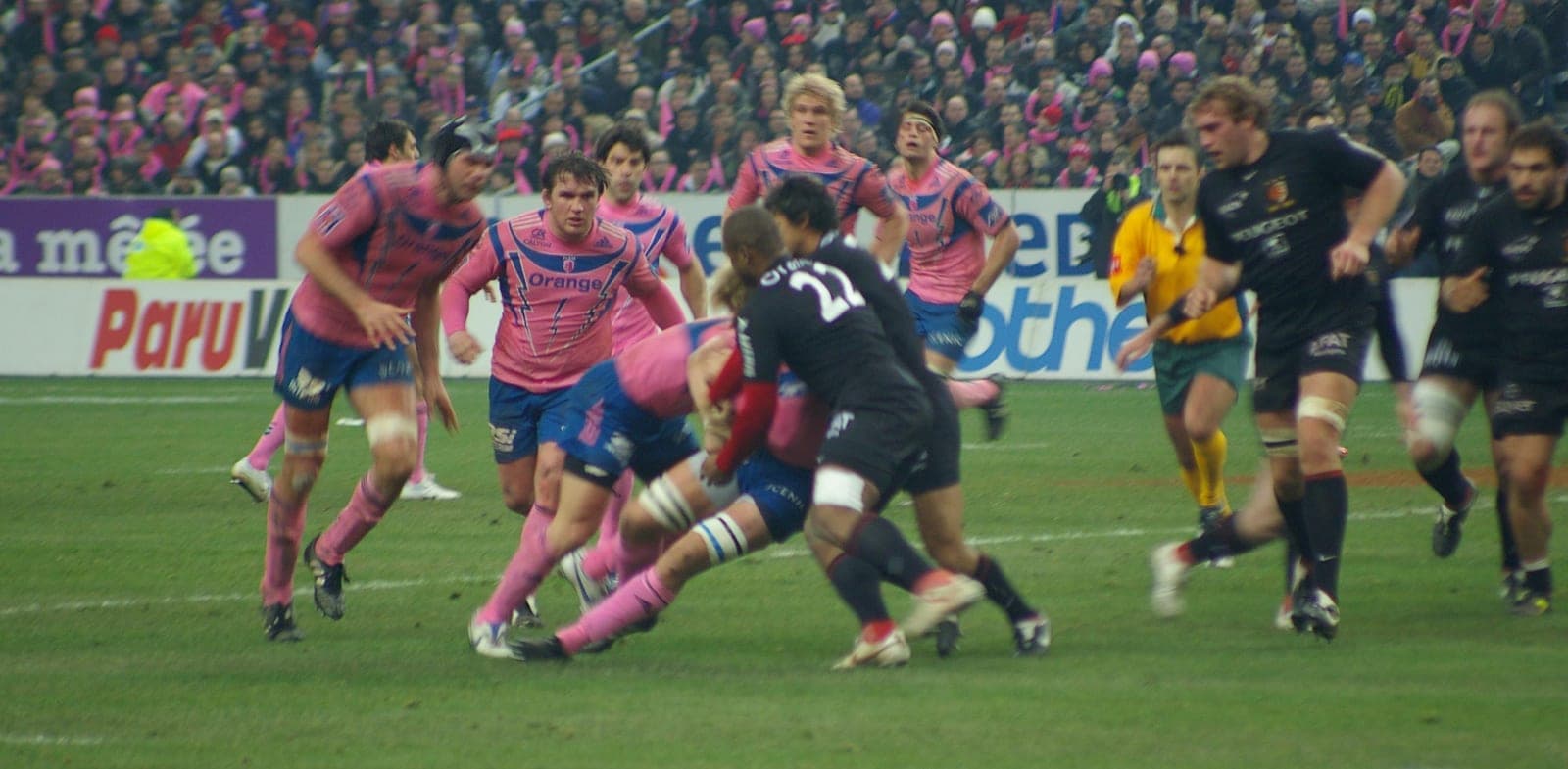
Rugby
A physical team sport of carrying, passing and kicking an oval ball toward the opposing line.

Basketball
A fast, dynamic team sport of running, jumping and quick decisions on court.

Ice Hockey
A fast team sport on ice that combines skating skill with quick passing and goal-scoring.
How it connects
The meaning-bearing relationships that place Extra Time in the wider knowledge graph — each one with the reason it exists.
Commonly confused with
Close enough to be mixed up — the distinction is worth knowing.
Explore across the knowledge base
Follow the threads that connect Extra Time to the rest of SocialSportHub.
Healthy living
Tactics
- Crosscourt and down the lineThe geometry that makes crosscourt the default tennis shot — the net is lower in the middle and the court is longer on the diagonal — and when down the line is worth its extra risk.
- Breakdown strategyThe contest that decides most rugby union matches — when to commit players to a ruck and when to leave it, what a jackal is trying to do, and why the counter-ruck is a gamble.
Go deeper with Extra Time
Everywhere else on the platform that covers Extra Time — assembled from what actually references it, so nothing here is a dead end.
Take it away
Open data and the whole-platform view of this subject.
How this page is maintained
- Content type
- Term
- Provenance
- Tier A — evergreen educational
- Verified external sources
- 0
- Content updated
- 2026-09-01
Evergreen, first-party explanation — it makes no claim that needs an external source. How we handle sources and reviews.