
Half Time
The interval that separates the two halves of a match, giving teams a break before they change ends and resume play.
Definition
Half time is the scheduled break between the two halves of a match. Play stops, teams rest or leave the field, and coaches use the interval to give instructions and make adjustments. Its length is fixed by the rules of each sport, around fifteen minutes in association football, and the match clock does not run during the break.
In many sports teams change ends at half time so that any advantage from wind, slope, or sun is shared over the match. The interval divides the contest into equal periods and provides a natural point for tactical changes and substitutions. Half time is distinct from other breaks such as drinks breaks or the quarter-time intervals used in sports played in four periods.
Where you’ll hear “half time”
Sports that use this term:

Football
The world’s most popular team sport — endless running, teamwork and community in one game.
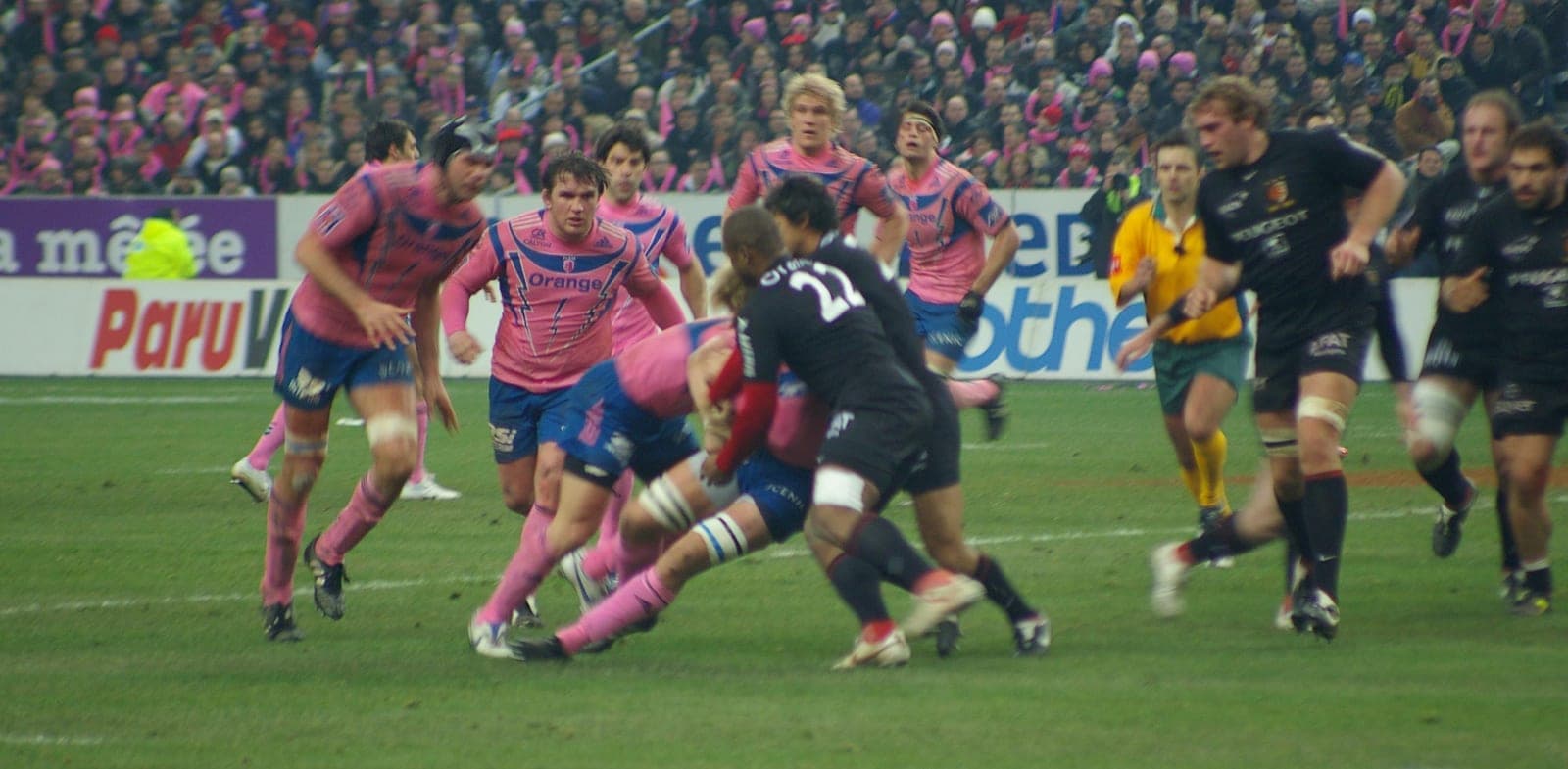
Rugby
A physical team sport of carrying, passing and kicking an oval ball toward the opposing line.

Basketball
A fast, dynamic team sport of running, jumping and quick decisions on court.
How it connects
The meaning-bearing relationships that place Half Time in the wider knowledge graph — each one with the reason it exists.
Commonly confused with
Close enough to be mixed up — the distinction is worth knowing.
Explore across the knowledge base
Follow the threads that connect Half Time to the rest of SocialSportHub.
Rules
- Innings and oversHow a cricket match is structured — what an innings is, why an over is six balls, how the bowling end alternates, and which parts of the structure the Laws fix and which a competition sets.
- The scrumRugby union's eight-player set piece — the 3-4-1 formation, the referee's crouch-bind-set sequence, where the scrum-half must stand, the throw-in requirements, and how a scrum ends.
- Test, ODI and T20 cricket comparedThe three international formats of cricket side by side — innings structure, over limits and match length — and why almost everything that separates them is a competition rule rather than a Law.
Movement comparisons
- Acceleration vs Change of DirectionAcceleration vs Change of Direction: how these two movements differ, what they share, and how to tell them apart — from mechanics to the sports that use them.
- Change of Direction vs CutChange of Direction vs Cut: how these two movements differ, what they share, and how to tell them apart — from mechanics to the sports that use them.
- Change of Direction vs PivotChange of Direction vs Pivot: how these two movements differ, what they share, and how to tell them apart — from mechanics to the sports that use them.
- Change of Direction vs DecelerationChange of Direction vs Deceleration: how these two movements differ, what they share, and how to tell them apart — from mechanics to the sports that use them.
Tactics
Techniques
- The pull and the hookThe two cross-batted strokes that punish short bowling — how the pull and the hook differ, the height of the ball that separates them, and the risk each one carries.
- Spin in table tennisWhy table tennis is a spin sport before it is a speed sport — how topspin, backspin and sidespin change a ball's flight and its bounce off an opponent's bat.
Go deeper with Half Time
Everywhere else on the platform that covers Half Time — assembled from what actually references it, so nothing here is a dead end.
Take it away
Open data and the whole-platform view of this subject.
How this page is maintained
- Content type
- Term
- Provenance
- Tier A — evergreen educational
- Verified external sources
- 0
- Content updated
- 2026-09-01
Evergreen, first-party explanation — it makes no claim that needs an external source. How we handle sources and reviews.