
Utility player
A dependable, versatile player who can competently fill several different positions as the team needs, rather than specialising in just one.
Overview
A utility player is a squad member valued for versatility: rather than mastering a single position, they can step in and perform competently across several. The role is a functional archetype — a description of the job a player does for the team — rather than a fixed spot on the field or court. Coaches lean on utility players to keep a lineup balanced, to cover for absences or tactical changes, and to fill whichever gap the day's plan or the flow of a game happens to open up.
The idea appears wherever a sport has several distinct positions and a player who can move between them. In baseball and softball a utility player might cover several infield and outfield spots; in football and futsal one can slot in at full-back, in midfield or out wide; rugby often uses the term 'utility back' for someone comfortable across several backline roles; and in basketball, netball and field hockey a versatile player can be shifted to suit the match-up. Because it spans positions rather than defining one, the role trades some of the depth of a pure specialist for breadth and adaptability — and its worth lies in dependability, game understanding and a willingness to do whatever the team needs.
Responsibilities
- Versatility over specialism: a utility player aims for solid, reliable competence in several positions rather than the deep mastery of one, so they can be trusted wherever they are asked to play.
- Covering gaps: they are often the answer when a team-mate is unavailable, when the tactics change mid-game, or when the shape of a match calls for a different balance of players.
- Broad game understanding: because they fill different roles, utility players tend to learn the responsibilities and positioning of several positions, which helps them read the whole game rather than just their own patch.
- A role, not a position: 'utility player' describes the job a player does for the team, so the same label can sit across very different positions and sports — it is broader than any single position name.
- A different kind of value: their contribution is measured less by standout numbers in one position and more by dependability, adaptability and the flexibility they give a coach when selecting and adjusting the team.
Where it’s used
Sports that use utility player:
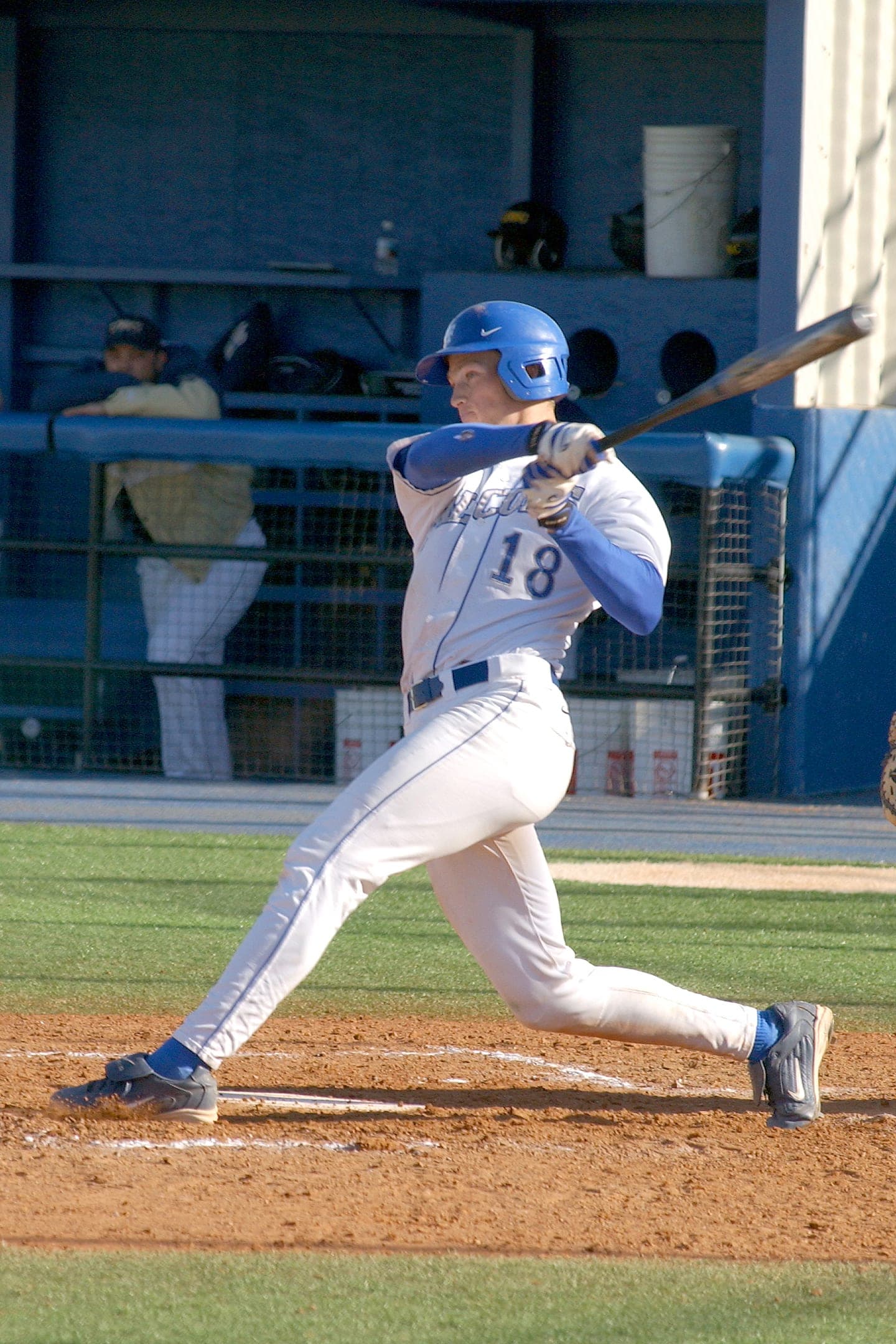
Baseball
A bat-and-ball team sport where two sides alternate between batting and fielding to score runs.
Softball
A friendly bat-and-ball team sport, closely related to baseball, played with a larger, softer ball.

Football
The world’s most popular team sport — endless running, teamwork and community in one game.
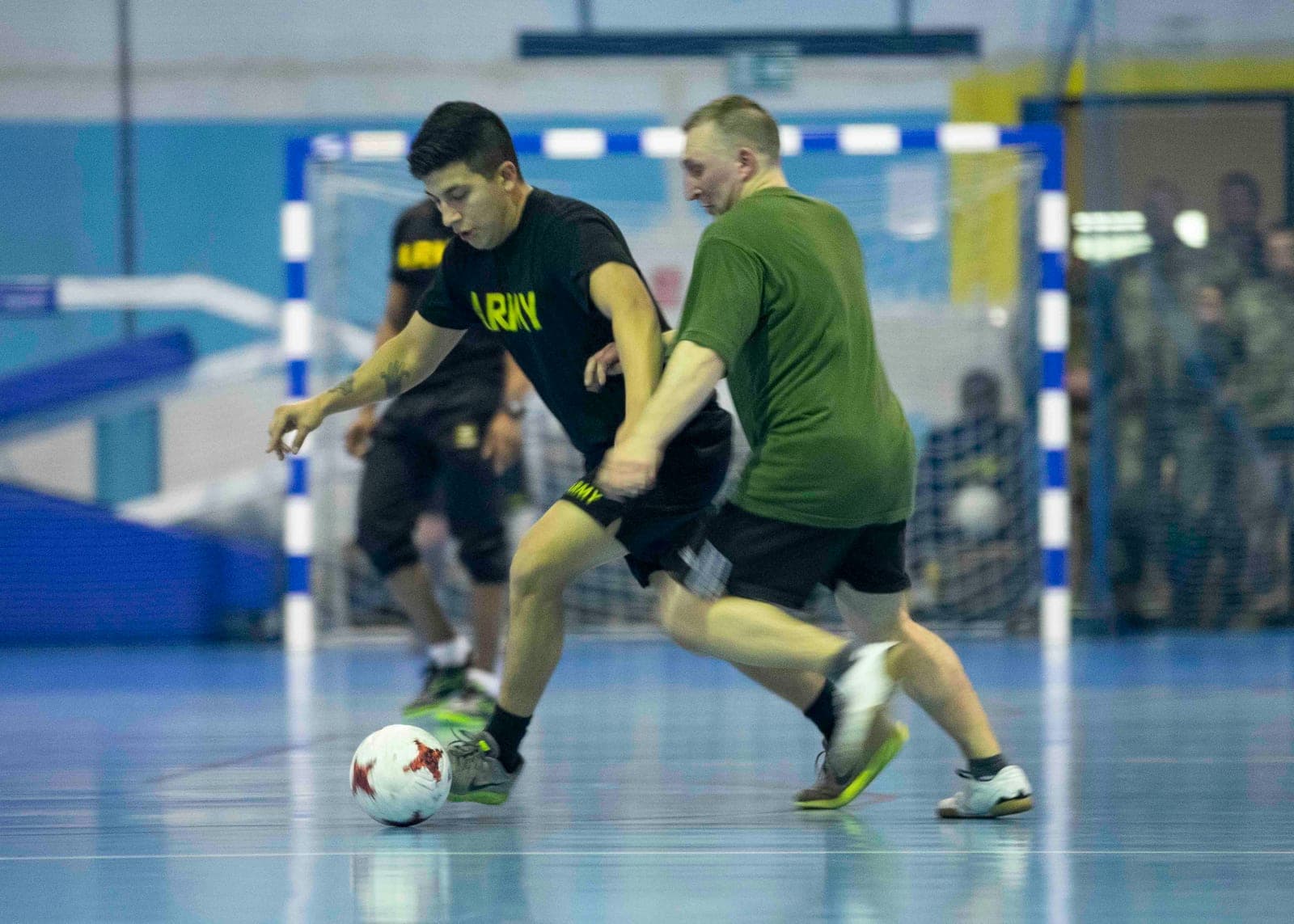
Futsal
A fast, small-sided indoor form of football played on a hard court with a low-bounce ball.
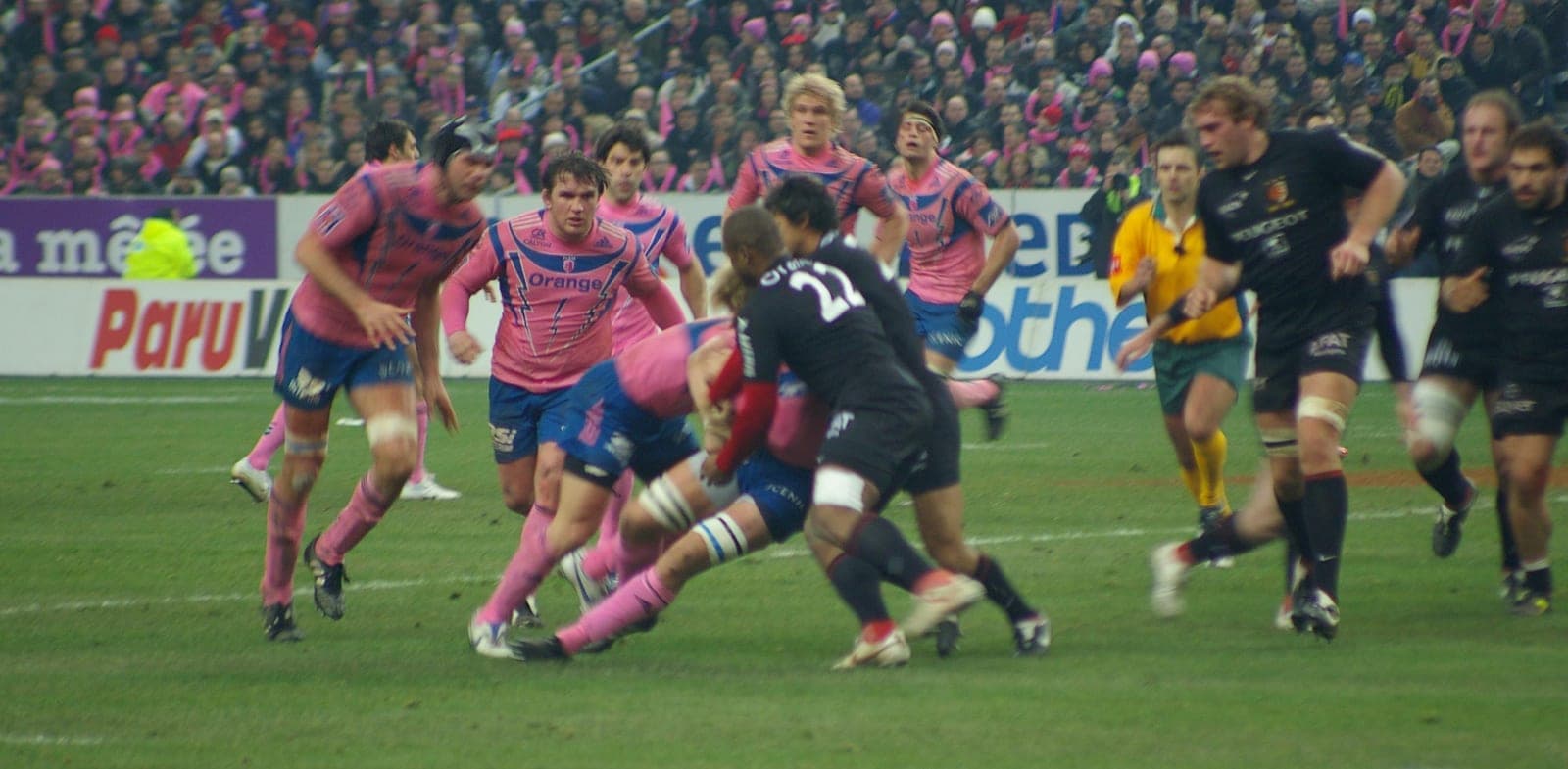
Rugby
A physical team sport of carrying, passing and kicking an oval ball toward the opposing line.

Basketball
A fast, dynamic team sport of running, jumping and quick decisions on court.
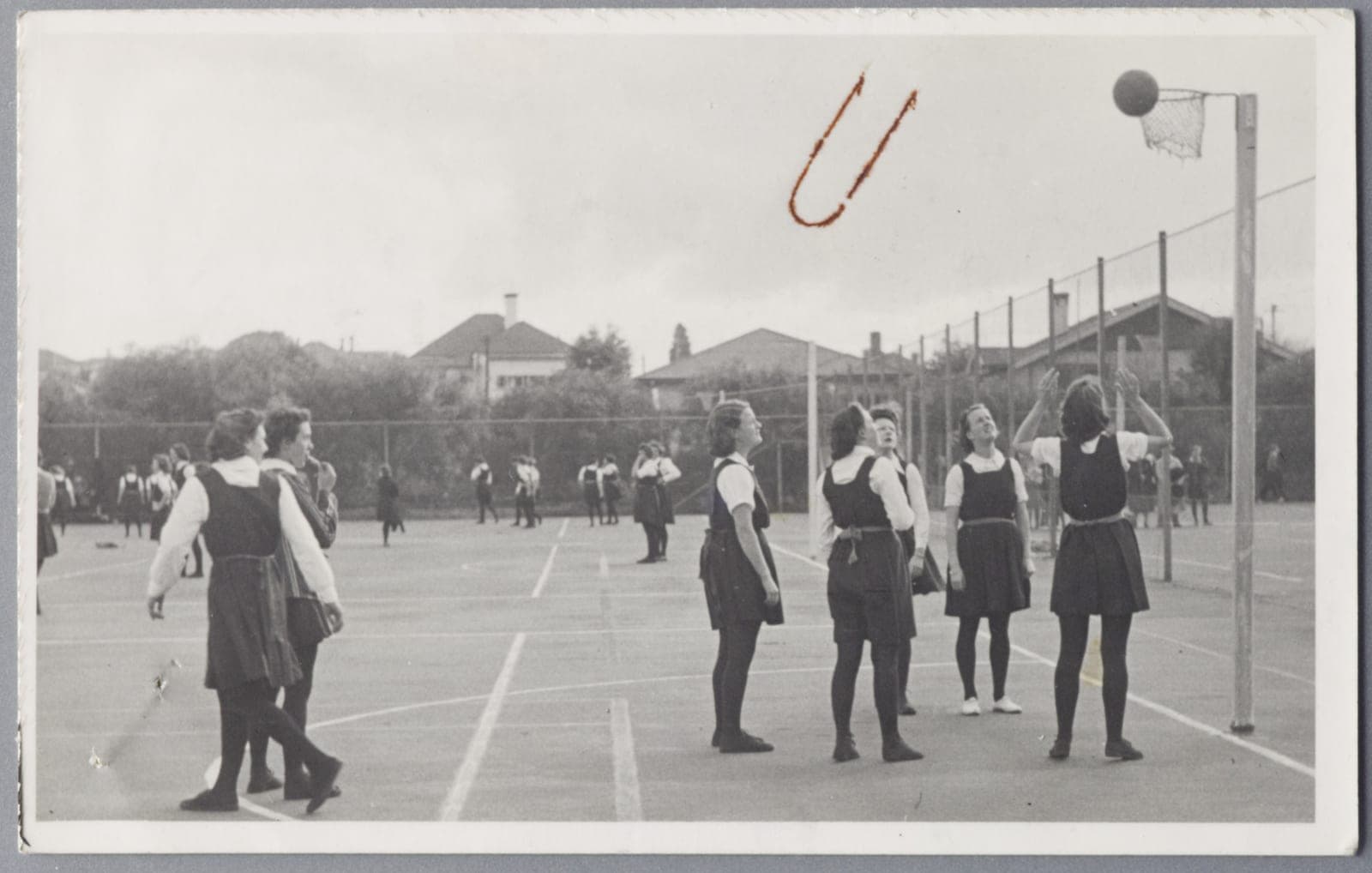
Netball
A non-contact, position-based team sport of quick passing and accurate shooting.
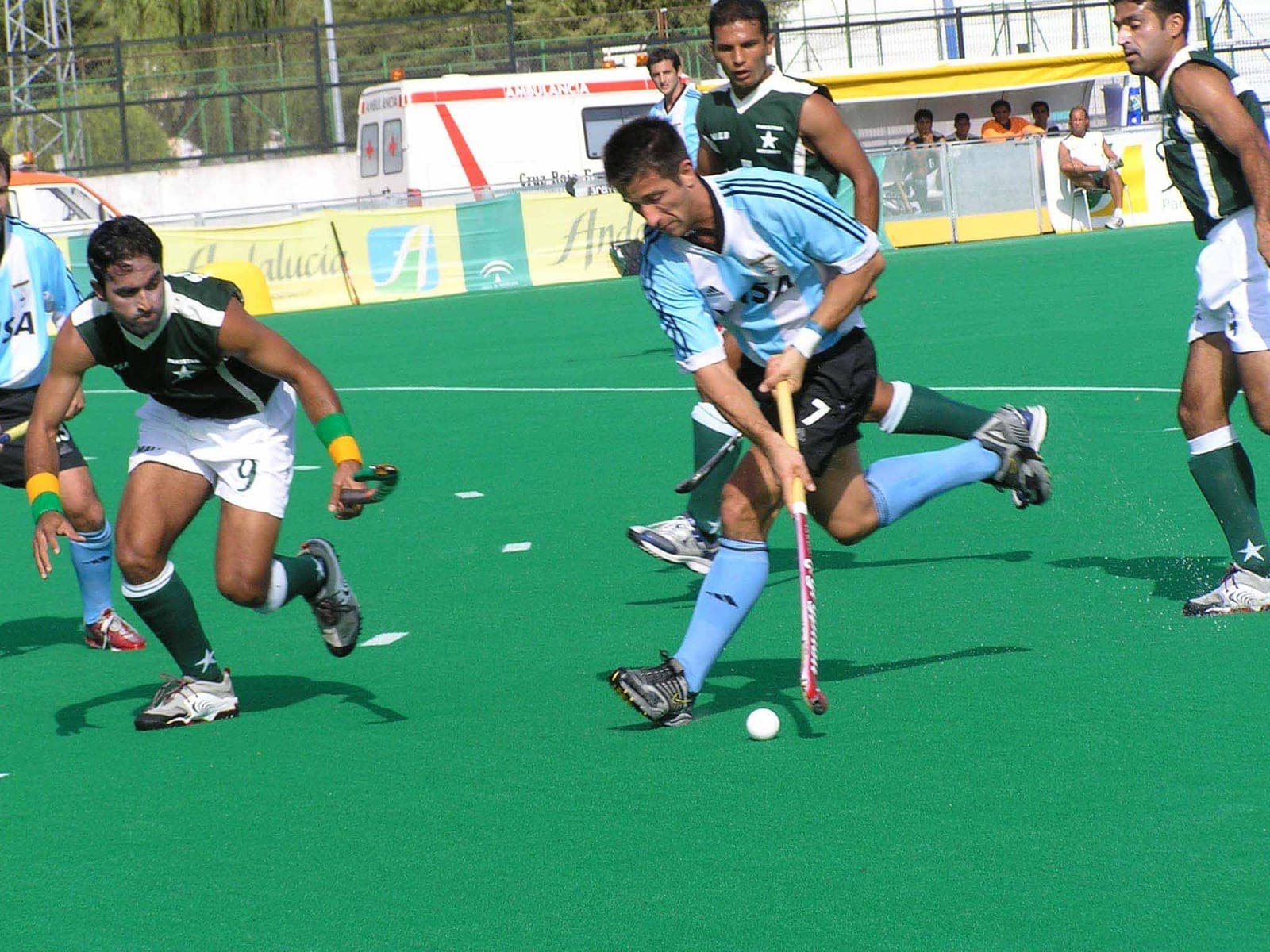
Field Hockey
An outdoor team sport that uses curved sticks to move a ball, built on agility and teamwork.
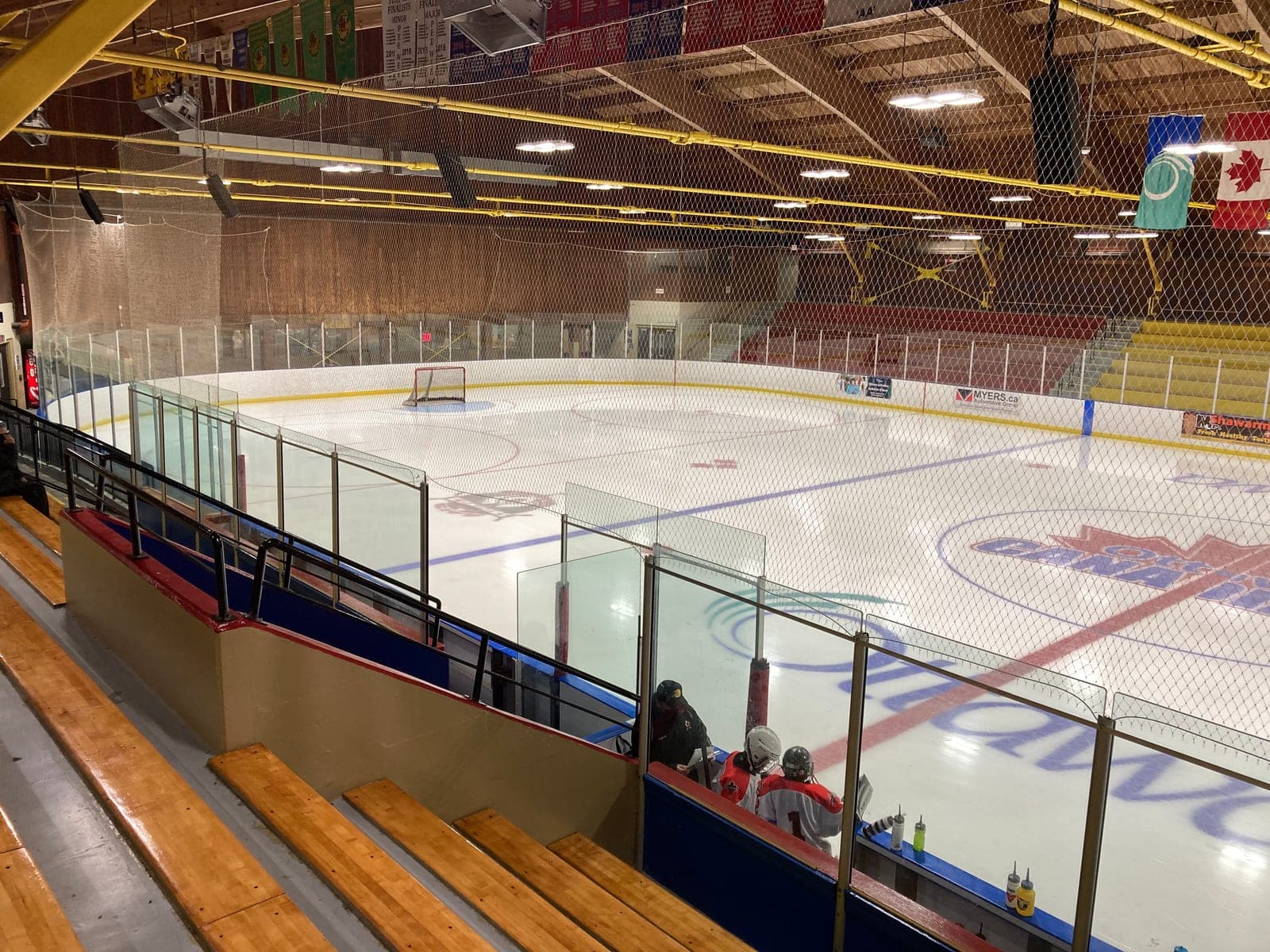
Ice Hockey
A fast team sport on ice that combines skating skill with quick passing and goal-scoring.
Related player roles
Playmaker
The playmaker is a team's creative hub — the player who orchestrates attacks, controls the tempo and distributes the ball so teammates can score.
Finisher
A finisher is the attacking outlet in a team sport whose main job is converting chances into points — the striker, goal shooter or go-to scorer.
Captain
The captain is a team's on-field leader who communicates, makes in-game decisions and sets standards — a role any player can hold, not a fixed position.
Explore across the knowledge base
Follow the threads that connect Utility player to the rest of SocialSportHub.
Positions
- Full-backA full-back is a defender who plays on the left or right side of the defence, defending the flank while also supporting attacks down the wing.
- Central midfielderA central midfielder operates in the middle of the pitch, linking defence and attack while contributing to both.
- WingerA winger is an attacking player who operates in the wide areas of the pitch, using pace and dribbling to beat defenders and create chances.
- Small forwardThe small forward is a versatile wing player in basketball who can score inside and outside while also defending multiple positions.
- Centre (netball)The centre is netball’s link between attack and defence, the only player allowed in every third except the two goal circles, and the player who takes the centre pass.
Tactics
- Court coverage and rotationVolleyball positioning where players rotate through positions and cover the court as one coordinated unit.
- Rugby union set-piece strategyWhy the scrum and lineout are attacking platforms rather than restarts — how a set piece fixes defenders in known positions, and what a team is buying when it chooses one over a kick.
- Point constructionHow tennis points are built rather than won — the neutral, attacking and defensive positions, what each one permits, and why most errors come from playing the wrong shot for the position.
- Zone defenceA defensive system where each player guards an area of the court rather than a specific opponent.
- The power playWhat a team does with a one-player advantage — the umbrella and 1-3-1 setups, why the extra player creates a passing triangle a penalty kill cannot cover, and what the clock is worth.
Learning paths
- Learn FootballA structured, educational learning path for football — from the rules to skills, techniques, tactics and training.
- Learn BasketballA structured, educational learning path for basketball — from the rules to skills, techniques, tactics and training.
- Learn RugbyA structured, educational learning path for rugby — from the rules to skills, techniques, tactics and training.
- Learn BaseballA structured, educational learning path for baseball — from the rules to skills, techniques, tactics and training.
- Learn FutsalA structured, educational learning path for futsal — from the rules to skills, techniques, tactics and training.
Go deeper with Utility player
Everywhere else on the platform that covers Utility player — assembled from what actually references it, so nothing here is a dead end.
Learn it
Structured courses and paths on the platform that cover this directly.
How this page is maintained
- Content type
- Player role
- Provenance
- Tier A — evergreen educational
- Verified external sources
- 0
- Content updated
- 2026-09-12
Evergreen, first-party explanation — it makes no claim that needs an external source. How we handle sources and reviews.