
Fly-half
The fly-half is rugby’s chief decision-maker and tactical kicker, directing the backline and controlling how the team attacks.
Overview
Wearing the number 10, the fly-half receives the ball from the scrum-half and decides how to attack — whether to pass, run or kick. They are usually the team’s main tactical kicker and often take place kicks at goal.
The role demands calm decision-making and game awareness, as the fly-half orchestrates the backline and steers the team around the field.
Responsibilities
- Directs the backline and chooses when to pass, run or kick.
- Handles the main tactical kicking for territory.
- Often takes place kicks and conversions at goal.
- Controls the tempo and shape of the attack.
- Reads the defence to pick the best attacking option.
Where it’s used
Sports that use fly-half:
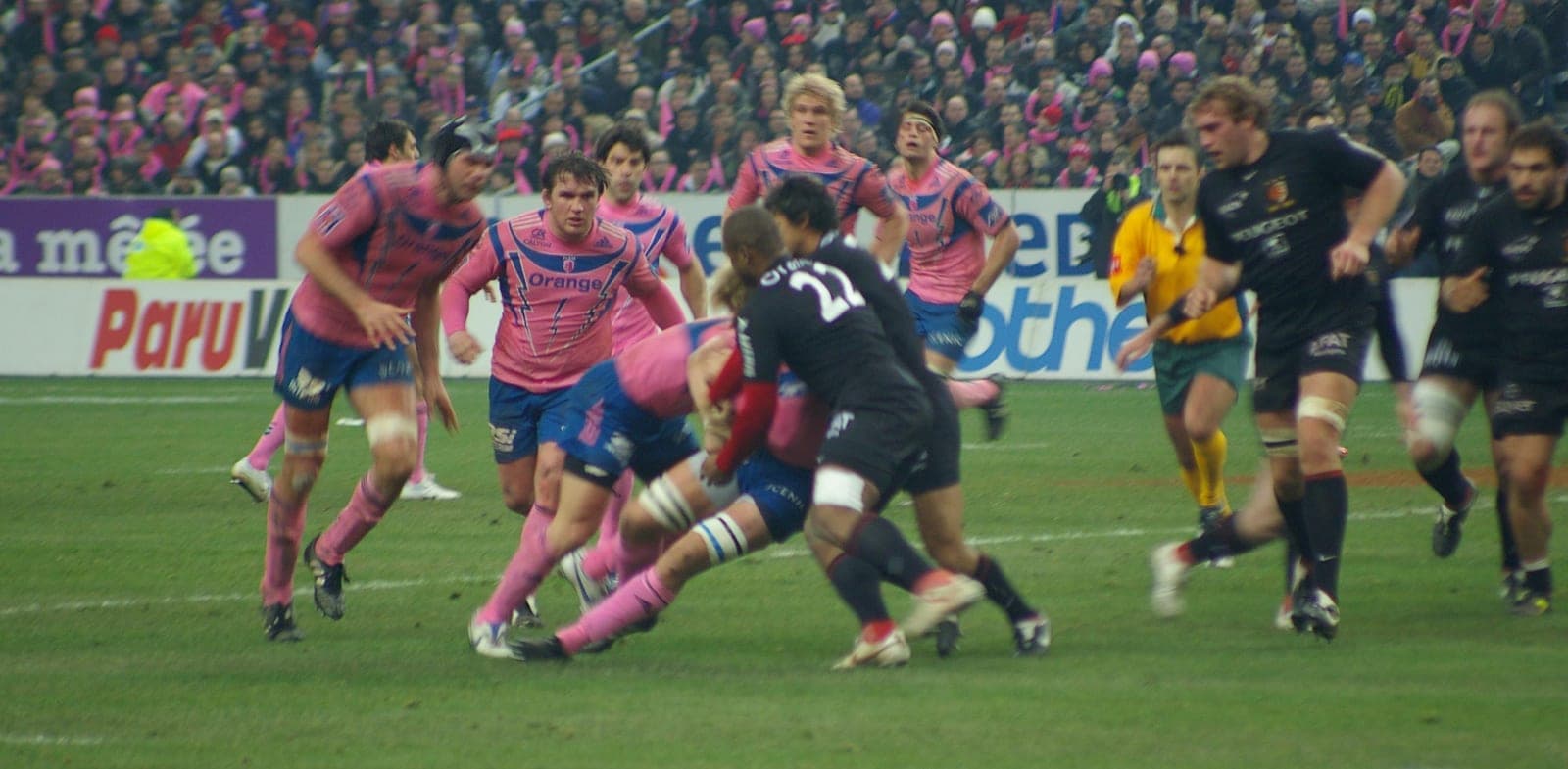
Related positions
Scrum-half
The scrum-half is rugby’s link between forwards and backs, feeding the scrum and delivering quick, accurate passes to launch attacks.
Hooker
The hooker is a front-row forward in rugby who wins the ball in the scrum and typically throws the ball into the line-out.
Rugby union forwards
The eight players who contest the set piece — front row, locks and back row — what each unit does at scrum, lineout and breakdown, and why the roles are so specialised.
How it connects
The meaning-bearing relationships that place Fly-half in the wider knowledge graph — each one with the reason it exists.
Frequently learned together
Taught side by side in the same stage of a learning path.
- Scrum-halfBoth are taught in the “Find your position or role” stage of the Rugby learning path.
- HookerBoth are taught in the “Find your position or role” stage of the Rugby learning path.
- Rugby union forwardsBoth are taught in the “Find your position or role” stage of the Rugby learning path.
- Rugby union backsBoth are taught in the “Find your position or role” stage of the Rugby learning path.
- PlaymakerBoth are taught in the “Find your position or role” stage of the Rugby learning path.
Explore across the knowledge base
Follow the threads that connect Fly-half to the rest of SocialSportHub.
Player roles
- PlaymakerThe playmaker is a team's creative hub — the player who orchestrates attacks, controls the tempo and distributes the ball so teammates can score.
- CaptainThe captain is a team's on-field leader who communicates, makes in-game decisions and sets standards — a role any player can hold, not a fixed position.
- Set-Piece SpecialistA player a team relies on to take or defend dead-ball restarts — free-kicks, corners, penalties, and serves — with practiced accuracy and composure.
- SweeperA covering defender who plays behind the main defensive line, free of a fixed marking job, to read danger and clean up attacks that slip past teammates.
- Pace-SetterThe player who sets and controls the tempo of play or the rhythm of an endurance effort, dictating how fast the game or race unfolds.
Tactics
- Set-piece playRehearsed routines from a dead-ball situation such as a corner, free kick or throw-in used to create chances.
- Serve and third ballTable tennis's most-rehearsed tactical pattern — using a serve to force a predictable return so the third ball of the rally can be attacked from a known position.
- Net position and the lobThe tactical core of padel — why the pair at the net wins most points, why the lob is the main weapon for taking that position, and how the walls make the exchange repeatable.
- The forecheckHow a hockey team attacks in the opposition's defensive zone without the puck — the 1-2-2, 2-1-2 and trap approaches, and what each one risks to win the puck back.
Learning paths
Practice & sessions
Go deeper with Fly-half
Everywhere else on the platform that covers Fly-half — assembled from what actually references it, so nothing here is a dead end.
Learn it
Structured courses and paths on the platform that cover this directly.
How this page is maintained
- Content type
- Position
- Provenance
- Tier A — evergreen educational
- Verified external sources
- 0
- Content updated
- 2026-09-12
Evergreen, first-party explanation — it makes no claim that needs an external source. How we handle sources and reviews.