
Target player
A target player is a focal attacker who receives, holds up and links play for others, often physically strong and good in the air or with the hands.
Overview
A target player is a team's forward reference point in attack — the teammate others aim for when they want to move play up the field or into a scoring area. Rather than beating opponents with pace, the target player uses body position and strength to receive the ball under pressure, shield it from a marker, and either hold it until support arrives or lay it off to a runner. Being reliable in the air or with the hands matters, because much of the ball a target player gets is played to them directly, often into a crowded space near the goal or scoring zone.
The target player is a role — a job the player does for the team — rather than a single fixed position, and it shows up under many names across sports. In football it is the target man or target forward who leads the line; in netball it is the goal shooter holding space near the post; in handball and futsal it is the pivot playing with their back to goal; in basketball it is the post player who receives with their back to the basket; and in water polo it is the hole set in front of the cage. What these share is a focal attacker who occupies defenders, secures possession in tight areas, and turns it into chances for themselves or others.
Because a target player draws defenders and holds the ball up, they also buy time and create space for teammates, so their value is not measured only in goals scored. Many are marked closely, so part of the job is winning that physical duel fairly, staying available for a pass, and judging when to keep possession and when to release it to a better-placed teammate.
Responsibilities
- Acts as a focal point in attack, giving teammates a reliable option to pass or play the ball into.
- Receives the ball under pressure and shields it from a marker to protect possession.
- Holds the ball up until support arrives, then links play by laying it off to a runner.
- Often strong in the air or with the hands, winning direct passes, crosses and feeds near the scoring area.
- Occupies and pins defenders, creating space and chances for teammates as well as scoring.
Where it’s used
Sports that use target player:
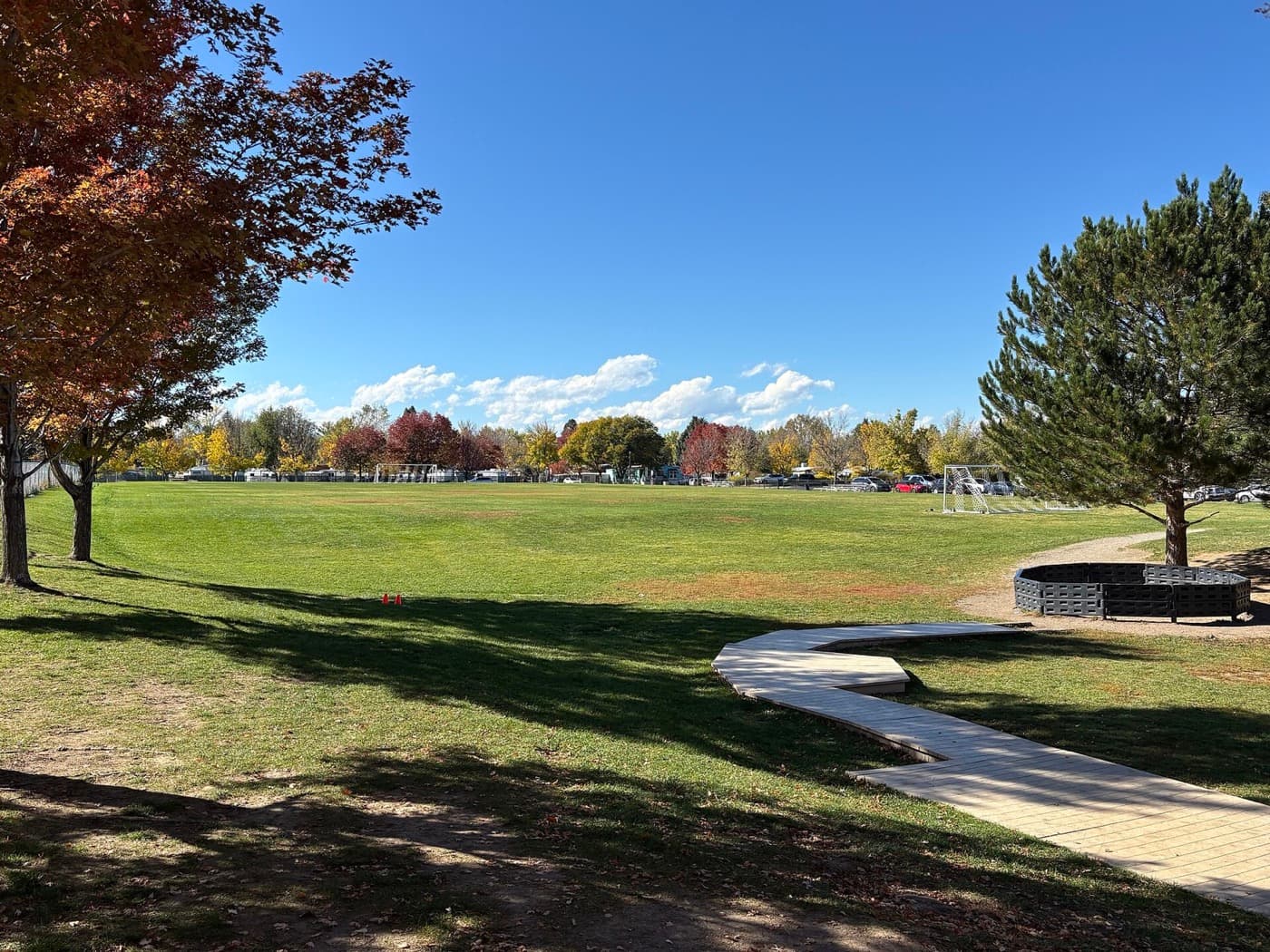
Football
The world’s most popular team sport — endless running, teamwork and community in one game.
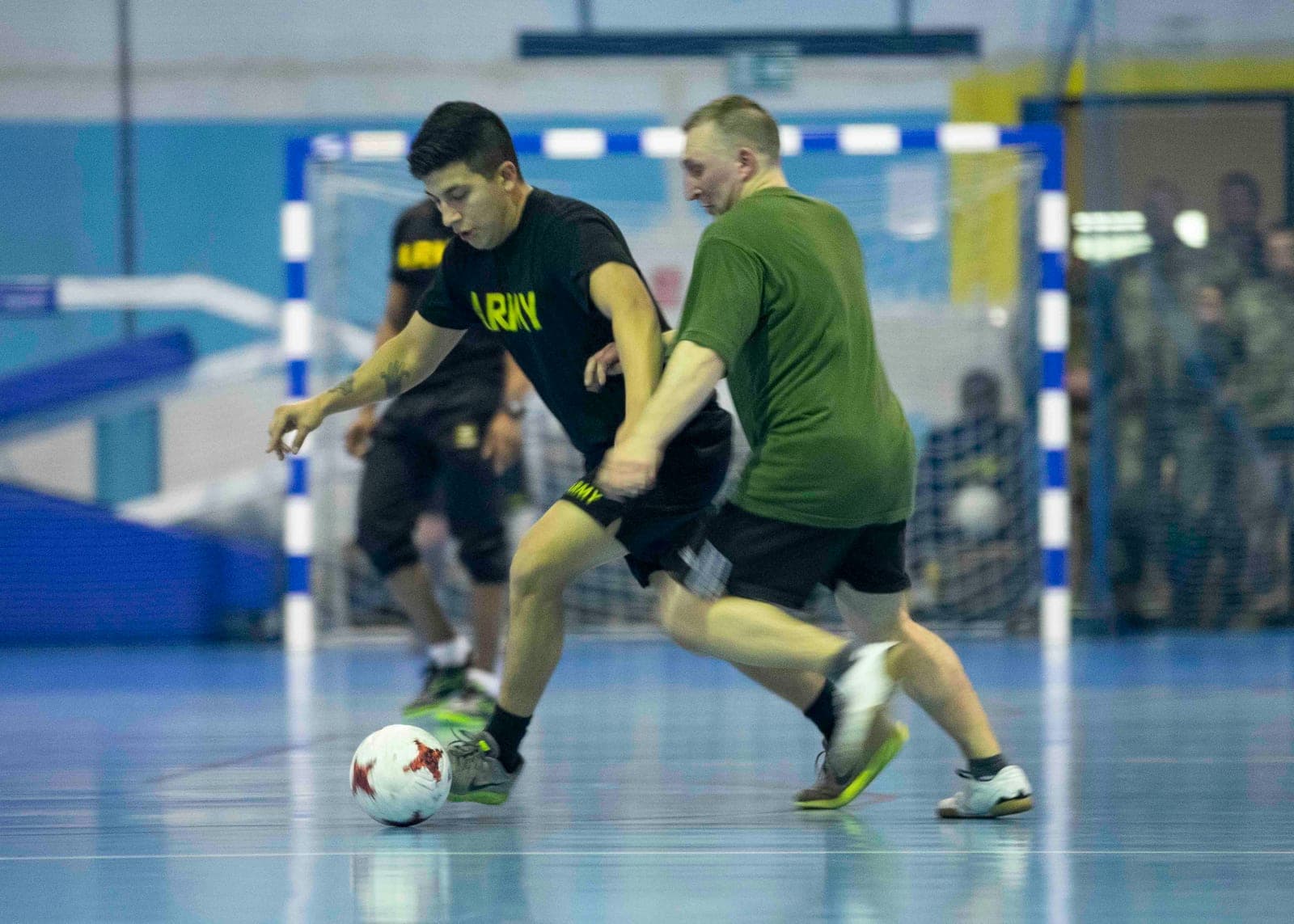
Futsal
A fast, small-sided indoor form of football played on a hard court with a low-bounce ball.
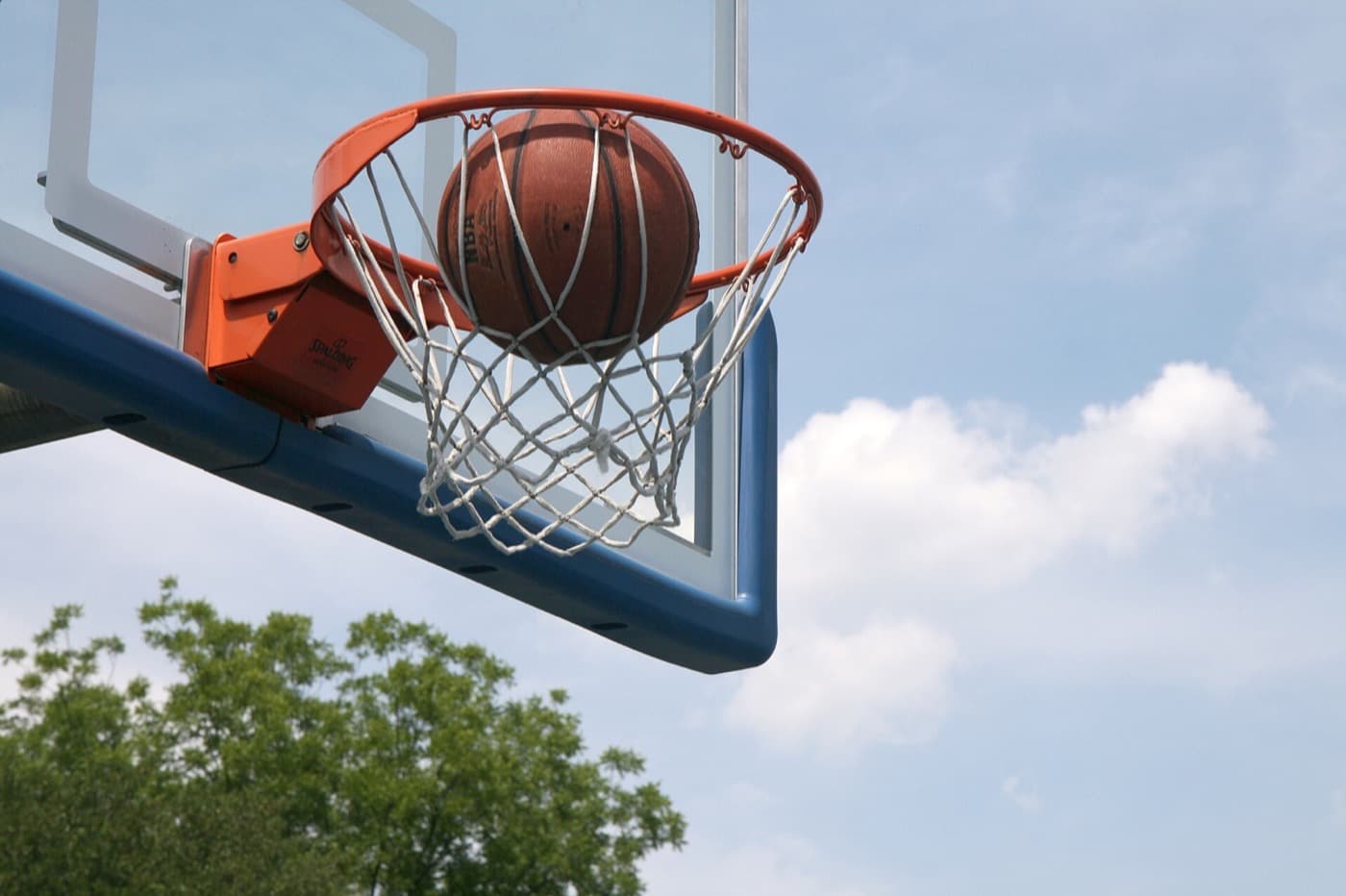
Basketball
A fast, dynamic team sport of running, jumping and quick decisions on court.
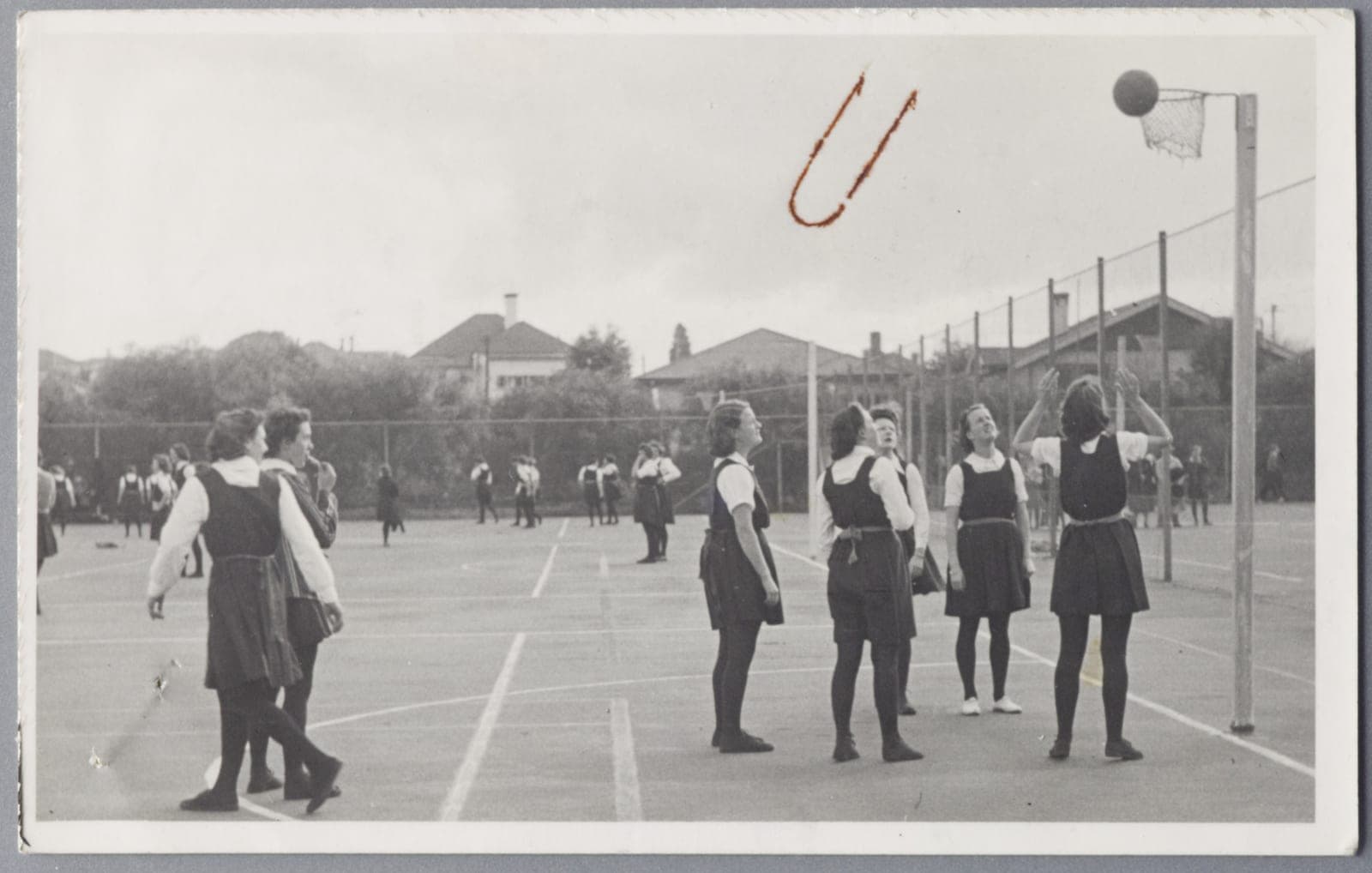
Netball
A non-contact, position-based team sport of quick passing and accurate shooting.
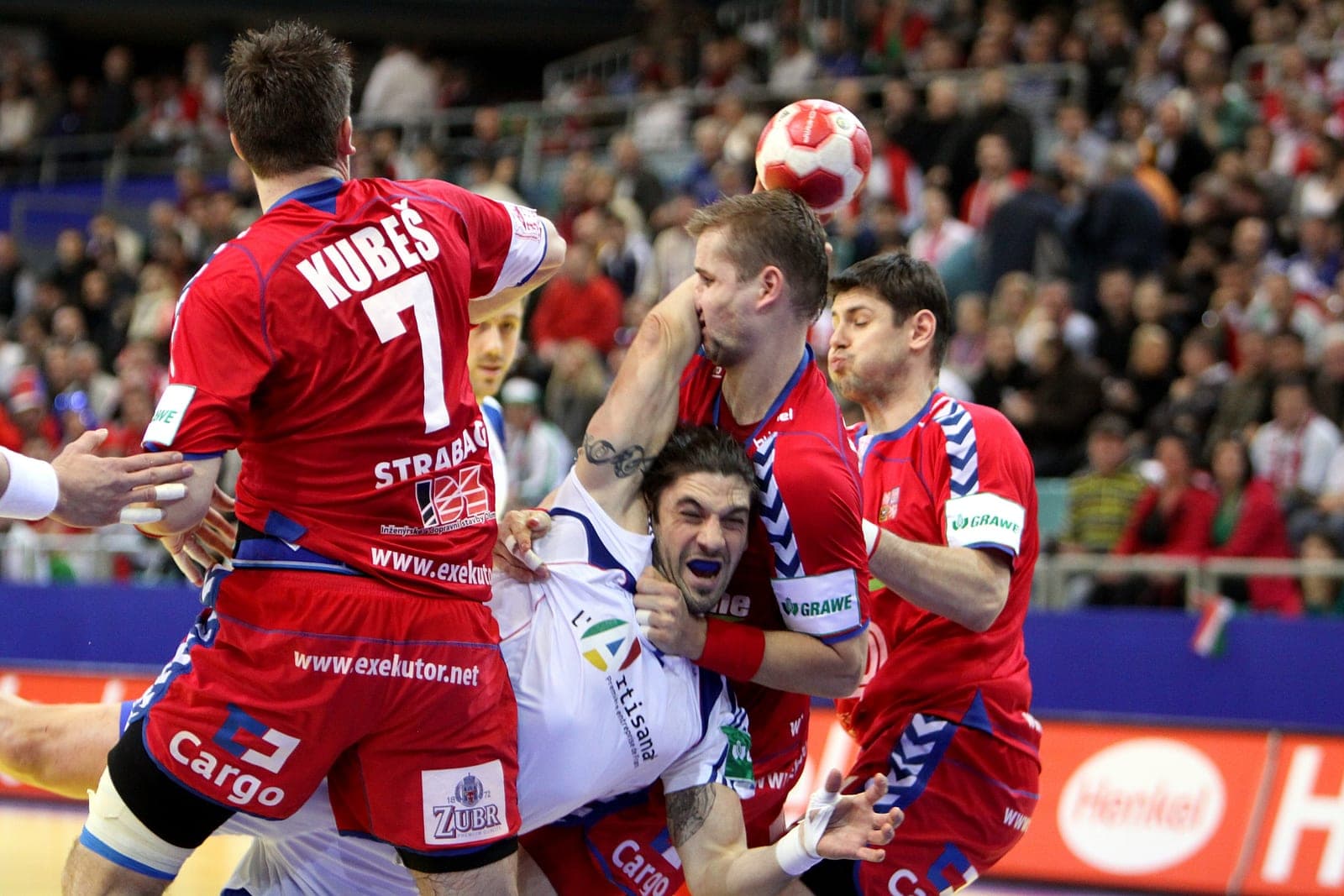
Handball
A fast indoor team sport of passing, jumping and throwing to score with the hands.
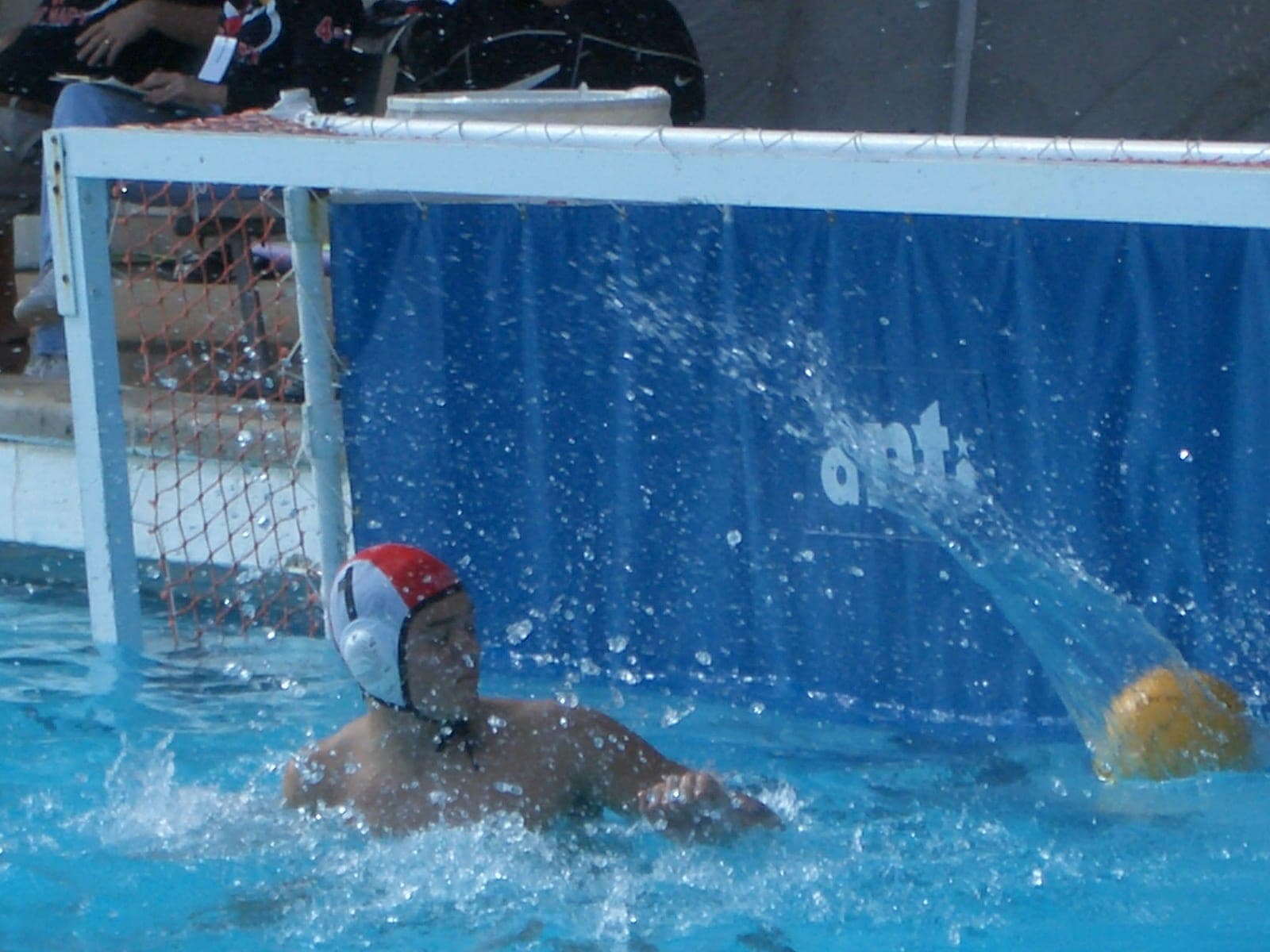
Water Polo
A demanding team sport played in deep water, blending swimming endurance with tactics.
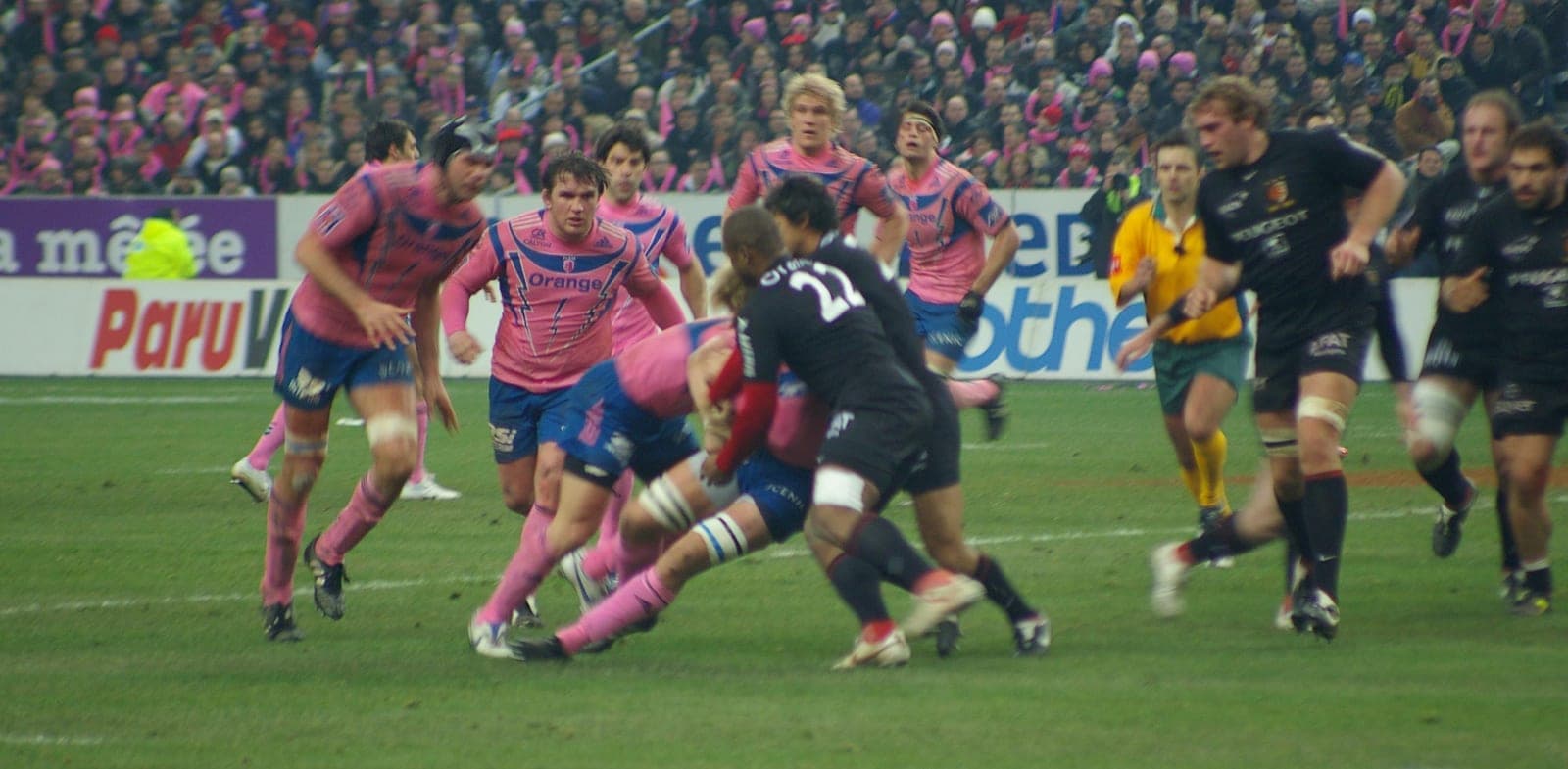
Rugby
A physical team sport of carrying, passing and kicking an oval ball toward the opposing line.
Related player roles
Playmaker
The playmaker is a team's creative hub — the player who orchestrates attacks, controls the tempo and distributes the ball so teammates can score.
Finisher
A finisher is the attacking outlet in a team sport whose main job is converting chances into points — the striker, goal shooter or go-to scorer.
Captain
The captain is a team's on-field leader who communicates, makes in-game decisions and sets standards — a role any player can hold, not a fixed position.
How it connects
The meaning-bearing relationships that place Target player in the wider knowledge graph — each one with the reason it exists.
Frequently learned together
Taught side by side in the same stage of a learning path.
- GoalkeeperBoth are taught in the “Find your position or role” stage of the Futsal learning path.
- PlaymakerBoth are taught in the “Find your position or role” stage of the Futsal learning path.
- FinisherBoth are taught in the “Find your position or role” stage of the Futsal learning path.
- AnchorBoth are taught in the “Find your position or role” stage of the Futsal learning path.
- CaptainBoth are taught in the “Find your position or role” stage of the Water Polo learning path.
Explore across the knowledge base
Follow the threads that connect Target player to the rest of SocialSportHub.
Positions
- GoalkeeperThe goalkeeper is the last line of defence in football and the only player allowed to handle the ball inside their own penalty area.
- StrikerA striker is the main attacking player in football, positioned furthest forward with the primary job of scoring goals.
- CenterThe center is usually the tallest player on a basketball team, playing near the basket to score inside, rebound, and protect the rim.
- PivotThe pivot is a handball attacker who plays close to the opposition defence, setting screens and looking for chances near the goal area.
- Goal shooterThe goal shooter is a netball attacker who scores goals and is one of only two players allowed to shoot, working within the attacking goal third and circle.
Skills
- CatchingThe skill of cleanly securing a ball travelling through the air or off the ground.
- Ball controlThe skill of receiving and settling the ball quickly so it is ready to use.
- HeadingThe skill of directing the ball with the head to pass, clear or attempt to score.
- Running formThe skill of running with efficient, relaxed and balanced movement, so that more of the effort you put in goes into travelling forward.
- Core stabilityThe skill of engaging the trunk muscles to keep the body strong and controlled through movement.
Tactics
- Wing playAttacking down the flanks and crossing the ball into the box to stretch the defence and create chances.
- Approaching the netHow a point is moved forward — which balls justify an approach, why the approach is hit down the line, and the transition volley that has to be played from no-man's land.
- Man-to-man markingA defensive tactic where each defender is assigned a specific opponent to track and contain.
- Offside trapA defensive football tactic where the back line steps up together to leave an attacker offside.
Learning paths
- Learn FootballA structured, educational learning path for football — from the rules to skills, techniques, tactics and training.
- Learn BasketballA structured, educational learning path for basketball — from the rules to skills, techniques, tactics and training.
- Learn RugbyA structured, educational learning path for rugby — from the rules to skills, techniques, tactics and training.
- Learn FutsalA structured, educational learning path for futsal — from the rules to skills, techniques, tactics and training.
- Learn HandballA structured, educational learning path for handball — from the rules to skills, techniques, tactics and training.
Techniques
- Cricket batting grip and stanceThe starting position every cricket stroke is built from — how the hands sit on the handle, how the feet and head are set, and what the setup decides before the ball is even bowled.
- StickhandlingHow a hockey player carries and protects the puck at speed — why the hands work independently of the feet, the role of soft hands, and how body position beats stick skill.
Go deeper with Target player
Everywhere else on the platform that covers Target player — assembled from what actually references it, so nothing here is a dead end.
Learn it
Structured courses and paths on the platform that cover this directly.
How this page is maintained
- Content type
- Player role
- Provenance
- Tier A — evergreen educational
- Verified external sources
- 0
- Content updated
- 2026-09-12
Evergreen, first-party explanation — it makes no claim that needs an external source. How we handle sources and reviews.