
Red card
A card shown by an official to send a player off the field for a serious offence or a second caution.
Definition
In football, a red card dismisses a player from the match, and their team must play on with one fewer player and cannot bring on a replacement for them. It is given for serious foul play, violent conduct, denying an obvious goal-scoring chance, or for a second yellow card in the same game.
Because it leaves a team a player short, a red card can strongly affect the balance of a match. Red cards are also used in other sports, including rugby, handball and field hockey.
Where you’ll hear “red card”
Sports that use this term:

Football
The world’s most popular team sport — endless running, teamwork and community in one game.

Futsal
A fast, small-sided indoor form of football played on a hard court with a low-bounce ball.
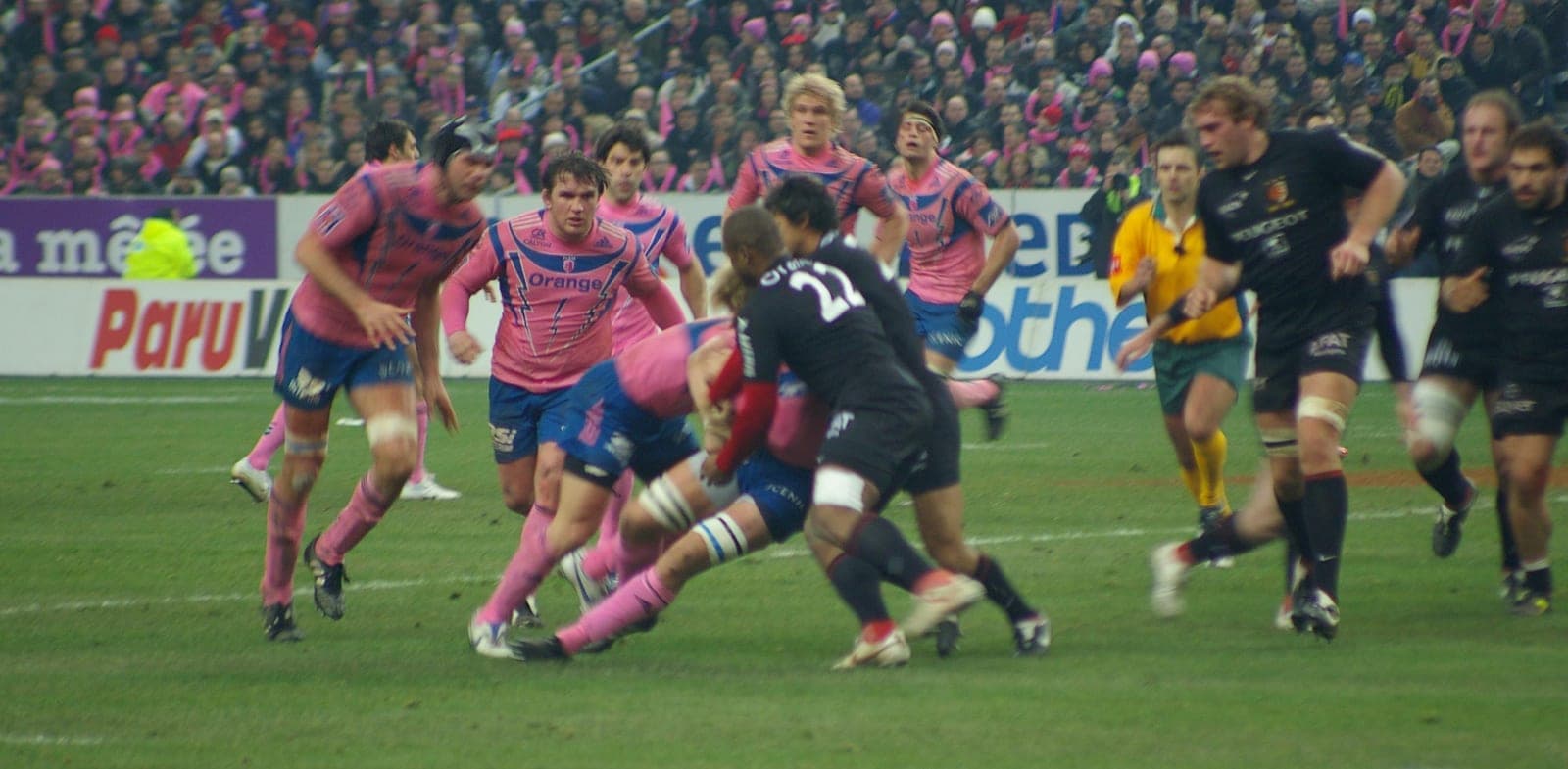
Rugby
A physical team sport of carrying, passing and kicking an oval ball toward the opposing line.
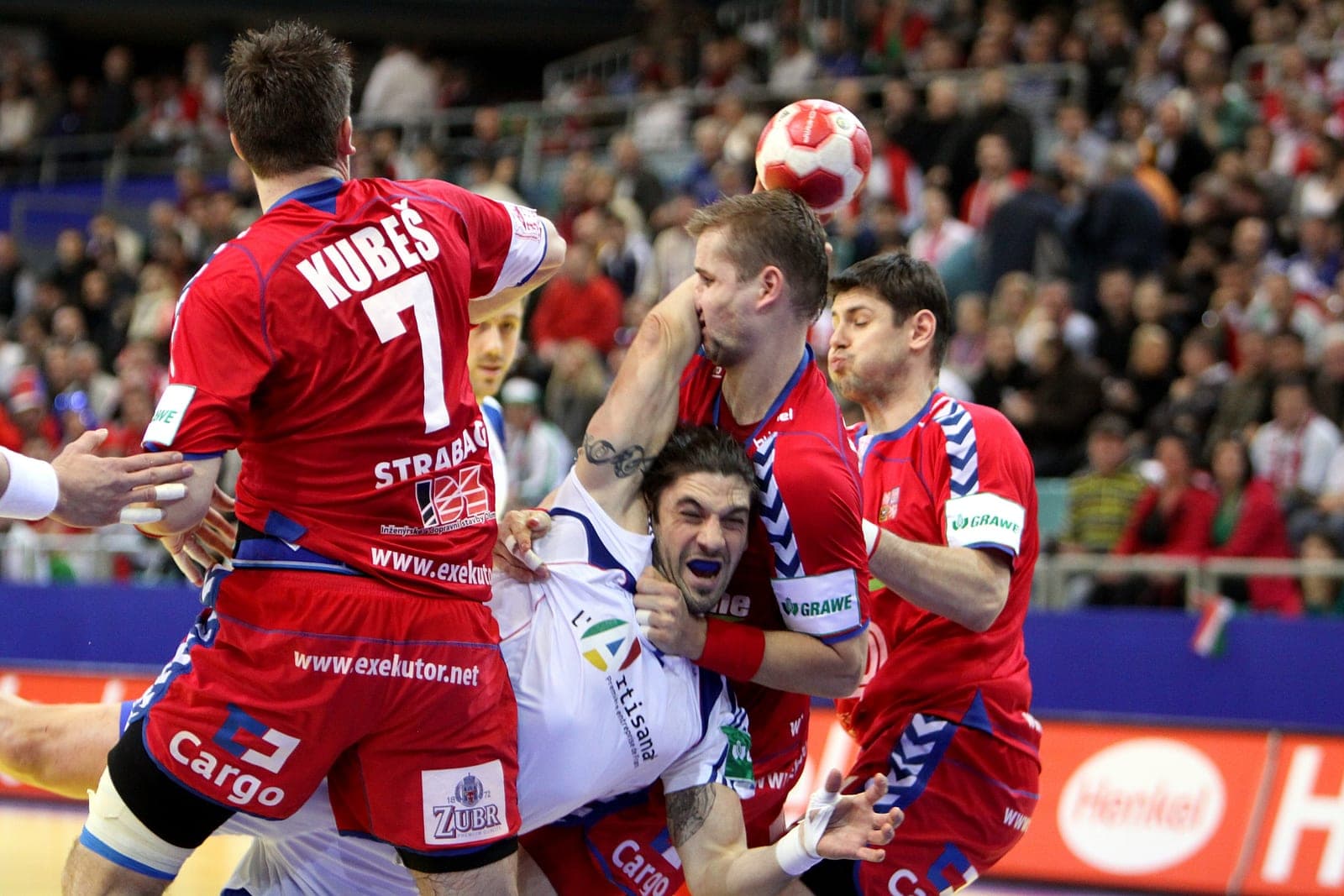
Handball
A fast indoor team sport of passing, jumping and throwing to score with the hands.
How it connects
The meaning-bearing relationships that place Red card in the wider knowledge graph — each one with the reason it exists.
Commonly confused with
Close enough to be mixed up — the distinction is worth knowing.
Explore across the knowledge base
Follow the threads that connect Red card to the rest of SocialSportHub.
Officiating
- RefereeThe primary on-field official who enforces the rules, controls play, penalises fouls, awards restarts, and blows the whistle to start and stop a match.
- Video ReviewVideo review lets officials re-examine footage of a contested moment to confirm or overturn a close call — a goal, a line, a foul — an aid used across many sports.
- Foul callA foul call is an official's ruling that a player broke a rule of contact or conduct, triggering a penalty such as a free kick, free throw or penalty.
- Penalty SignalA standardized hand or flag signal an official uses to announce a foul, penalty, or restart so players, teammates, and spectators can read the call.
- AdvantageIn many sports, officials let play continue after a foul when stopping would help the offender, so the fouled team keeps the advantage it has gained.
Go deeper with Red card
Everywhere else on the platform that covers Red card — assembled from what actually references it, so nothing here is a dead end.
Take it away
Open data and the whole-platform view of this subject.
How this page is maintained
- Content type
- Term
- Provenance
- Tier A — evergreen educational
- Verified external sources
- 0
- Content updated
- 2026-09-01
Evergreen, first-party explanation — it makes no claim that needs an external source. How we handle sources and reviews.