
Studs
The protrusions on the outsole of football and rugby boots that dig into the ground for grip and stability.
Definition
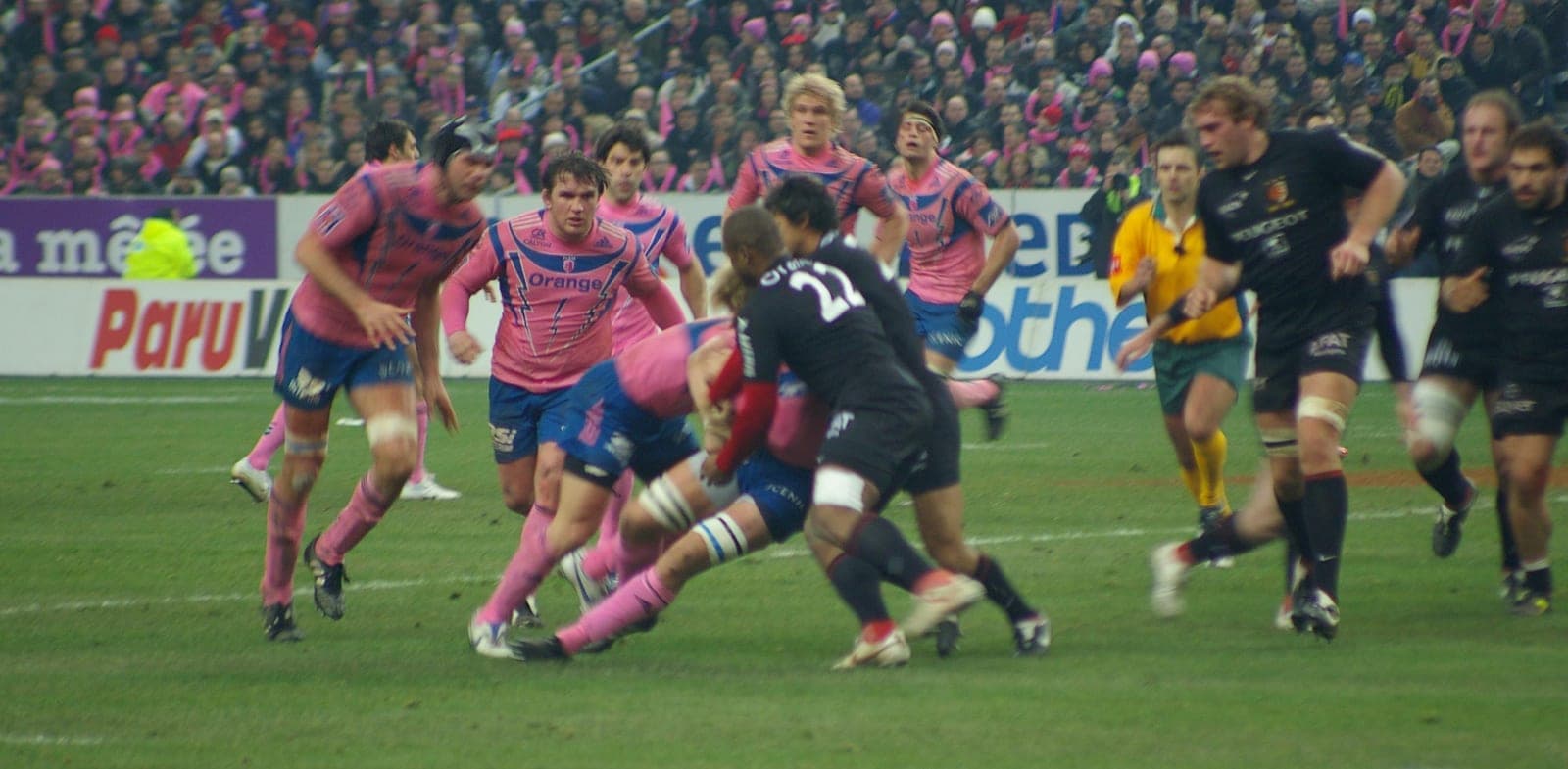
Studs are the raised projections on the sole of a football or rugby boot that press into grass or soft ground to provide traction, especially when turning, accelerating or stopping. They may be moulded permanently into the sole or be replaceable, screw-in studs that can be swapped to suit conditions.
Stud shape, length, number and material affect grip and are often regulated for safety, particularly regarding sharp edges. Longer studs suit soft, wet pitches, while shorter or more numerous studs suit firm or artificial surfaces.
Scope: Not to be confused with athletics spikes, which are thin metal pins used on track surfaces.
Where you’ll hear “studs”
Sports that use this term:

How it connects
The meaning-bearing relationships that place Studs in the wider knowledge graph — each one with the reason it exists.
Commonly confused with
Close enough to be mixed up — the distinction is worth knowing.
Explore across the knowledge base
Follow the threads that connect Studs to the rest of SocialSportHub.
Equipment
Movement patterns
- CarryHolding and transporting a load while keeping the trunk braced and stable — an anti-movement pattern that builds grip, core stability and full-body strength.
- LungeA split-stance, single-leg-emphasis pattern: stepping or dropping into a staggered stance and pushing back up to build single-leg strength, balance and stability.
Go deeper with Studs
Everywhere else on the platform that covers Studs — assembled from what actually references it, so nothing here is a dead end.
Take it away
Open data and the whole-platform view of this subject.
How this page is maintained
- Content type
- Term
- Provenance
- Tier A — evergreen educational
- Verified external sources
- 0
- Content updated
- 2026-09-01
Evergreen, first-party explanation — it makes no claim that needs an external source. How we handle sources and reviews.