
Substitution
The replacement of one active player with a teammate from the bench during a match, carried out under each sport's specific procedures and limits.
Definition
A substitution is the sanctioned exchange of an on-field or on-court player for a teammate who has been waiting to play, governed by rules covering when it may happen, how it is reported to officials, and how many are allowed. Coaches use substitutions to rest tired players, change tactics, respond to injuries, or protect a player who is carrying a disciplinary caution.
The rules vary widely between sports. Football (soccer) traditionally allows a small fixed number of permanent substitutions, so a replaced player cannot return, whereas basketball, volleyball, and ice hockey permit frequent changes, some of them 'rolling' so a player may re-enter. Many competitions also restrict the moment of change to a dead-ball stoppage, while others allow it 'on the fly' during live play.
Meaning by sport
This term is used differently across sports:
- Football
- A limited number of permanent substitutions; a replaced player cannot return to the match.
- Basketball
- Unlimited substitutions made at dead-ball stoppages, with players free to re-enter.
- Volleyball
- A limited number of substitutions per set, interacting with the rotation rules.
- Ice Hockey
- Line changes made 'on the fly' during live play as well as at stoppages.
Where you’ll hear “substitution”
Sports that use this term:

Football
The world’s most popular team sport — endless running, teamwork and community in one game.
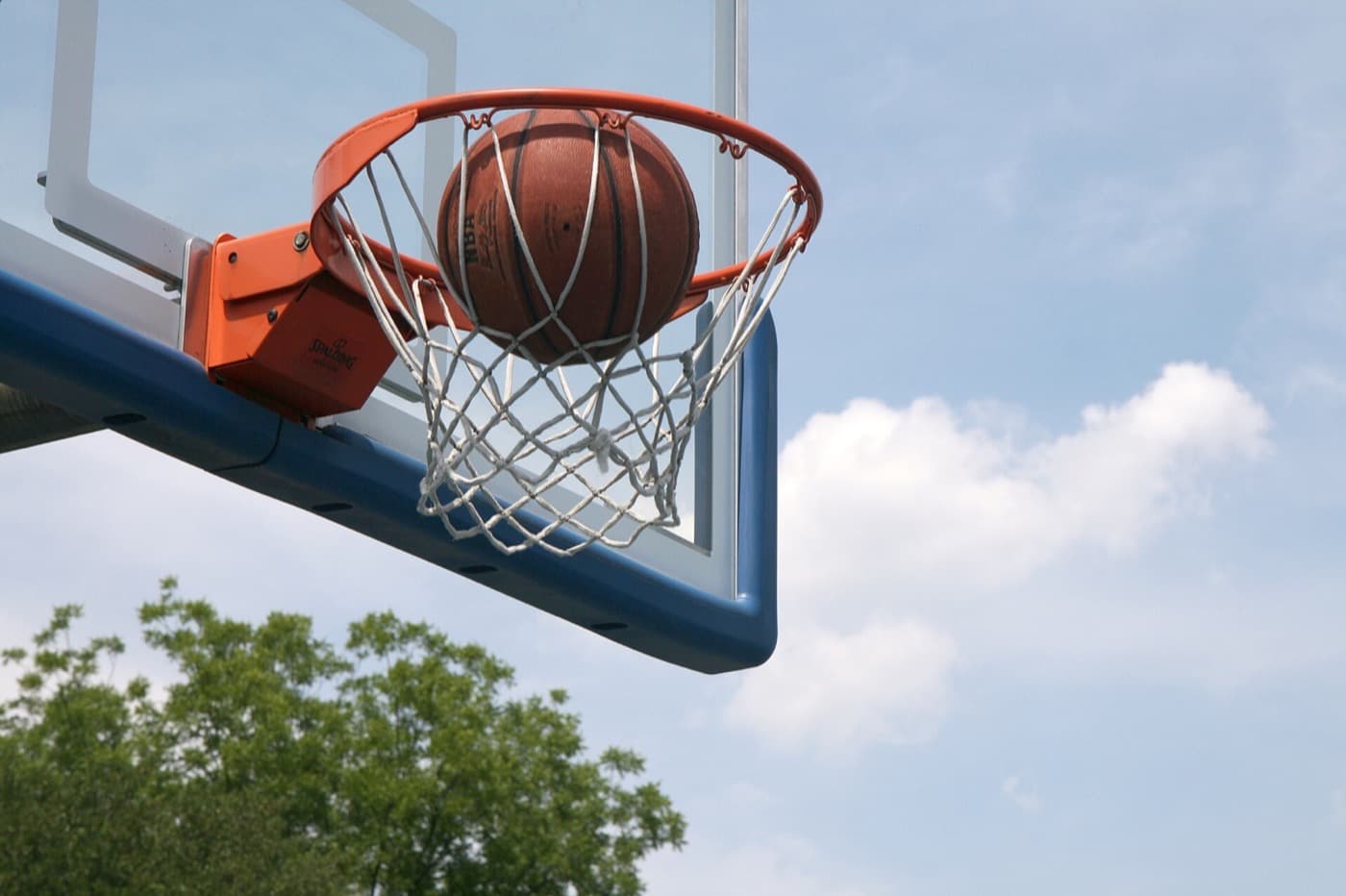
Basketball
A fast, dynamic team sport of running, jumping and quick decisions on court.
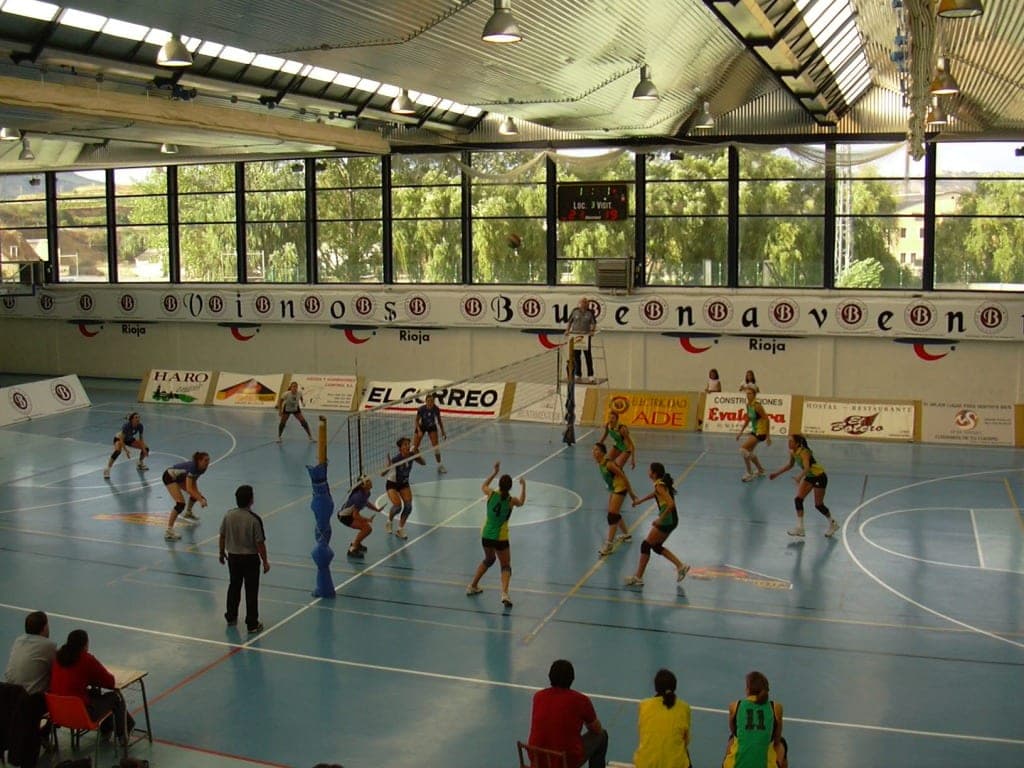
Volleyball
A non-contact team sport of rallies, jumps and teamwork — indoors or on the beach.
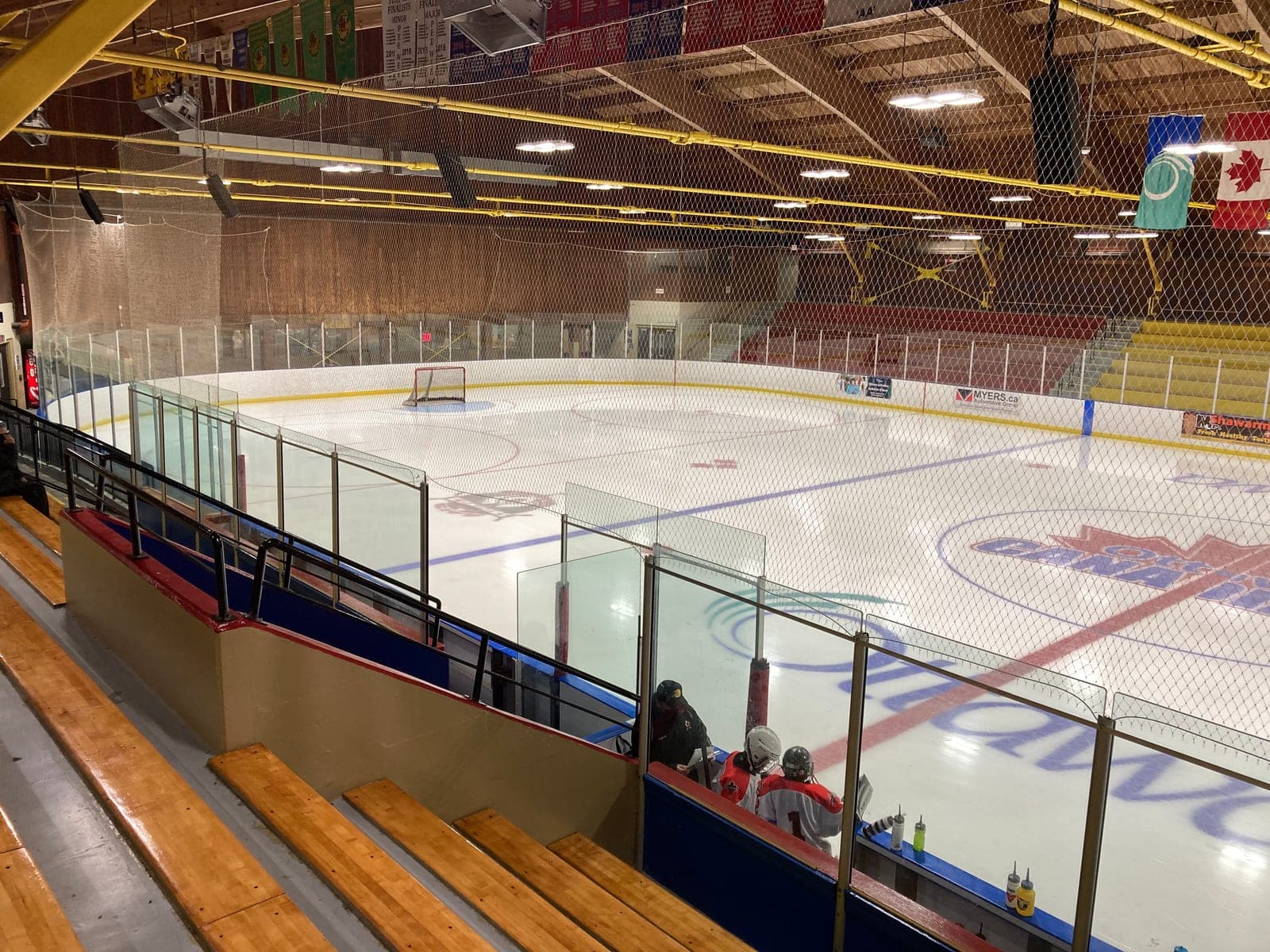
Ice Hockey
A fast team sport on ice that combines skating skill with quick passing and goal-scoring.
Explore across the knowledge base
Follow the threads that connect Substitution to the rest of SocialSportHub.
Tactics
Equipment
- The puckThe vulcanised rubber disc ice hockey is played with — its exact diameter, thickness and weight under IIHF rules, and the limits on what may be printed on it.
- The cricket ballWhat a cricket ball weighs and measures in men's, women's and junior cricket, who controls the ball during a match, and the rules on taking a new ball after 80 overs.
Rules
- Touching the netA net-play rule that penalises a player for contacting the net during a rally in net-divided sports.
- Volleyball rotationThe rule that players rotate one position clockwise each time their team wins back the serve.
- Penalty strokes in golfStrokes added to a player’s score in defined situations, such as hitting out of bounds or losing a ball.
Go deeper with Substitution
Everywhere else on the platform that covers Substitution — assembled from what actually references it, so nothing here is a dead end.
Take it away
Open data and the whole-platform view of this subject.
How this page is maintained
- Content type
- Term
- Provenance
- Tier A — evergreen educational
- Verified external sources
- 0
- Content updated
- 2026-09-01
Evergreen, first-party explanation — it makes no claim that needs an external source. How we handle sources and reviews.