
Calves
The muscles at the back of the lower leg that point the foot down and spring you off the ground with each step.
Overview
The calves are the muscles at the back of the lower leg, between the knee and the heel. The two main ones — the larger gastrocnemius nearer the surface and the deeper soleus — join into the Achilles tendon at the heel.
Their main action is pointing the foot down, the movement behind pushing off the ground when you walk, run, jump or rise onto your toes.
Good to know
- Work with every step, jump and change of direction
- Provide spring and push-off in running and jumping sports
- Store and release energy through the Achilles tendon
Where it’s used
Sports this relates to:
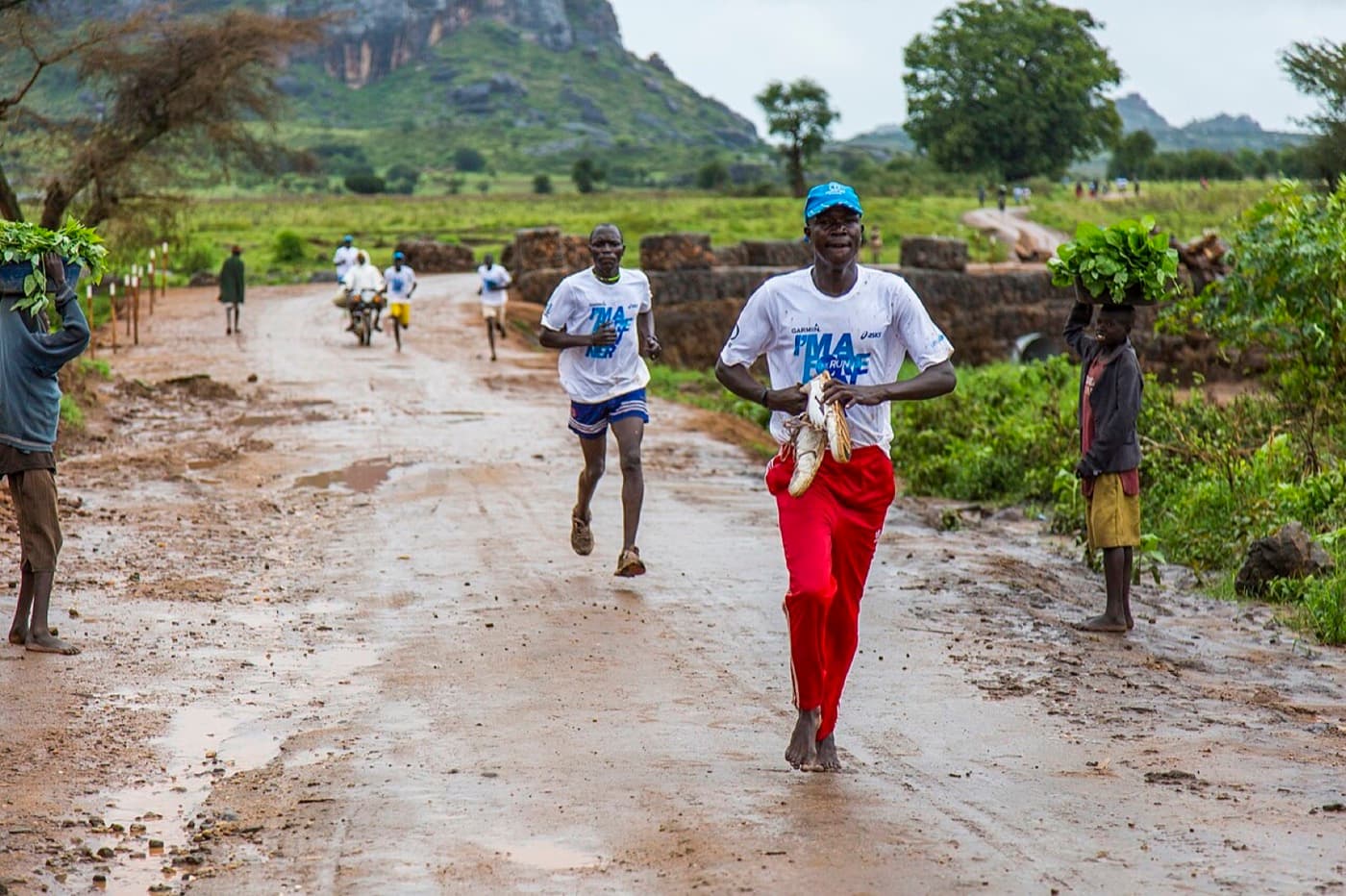
Running
The most accessible endurance sport — no venue, just shoes and the open road or trail.

Basketball
A fast, dynamic team sport of running, jumping and quick decisions on court.
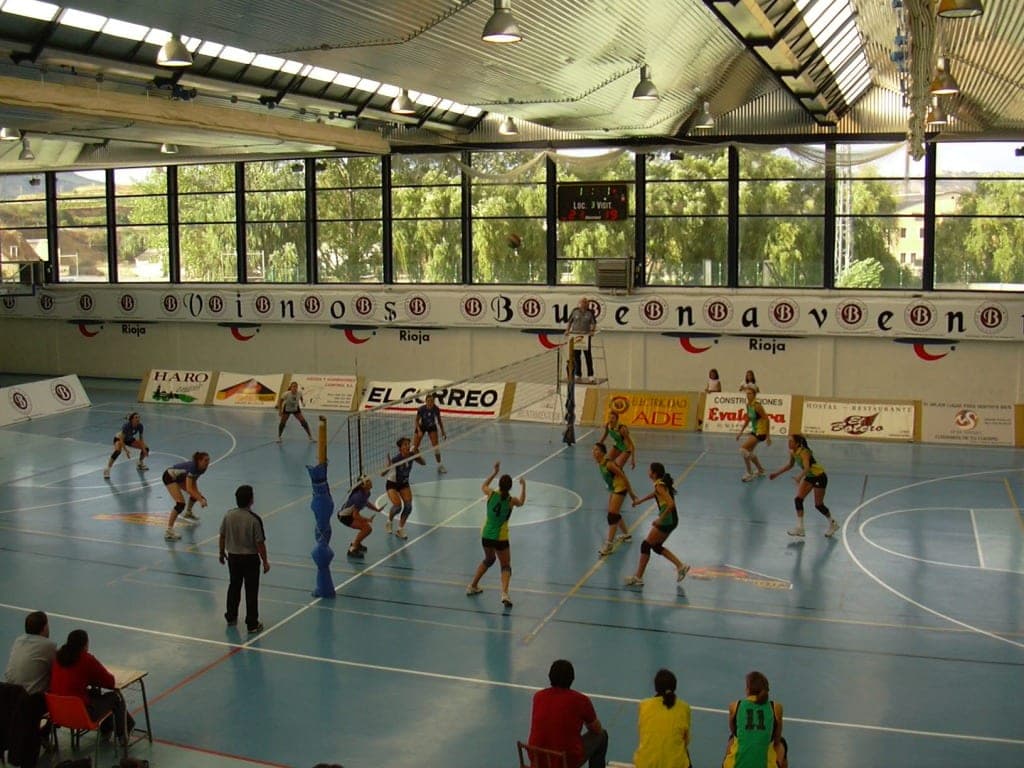
Volleyball
A non-contact team sport of rallies, jumps and teamwork — indoors or on the beach.
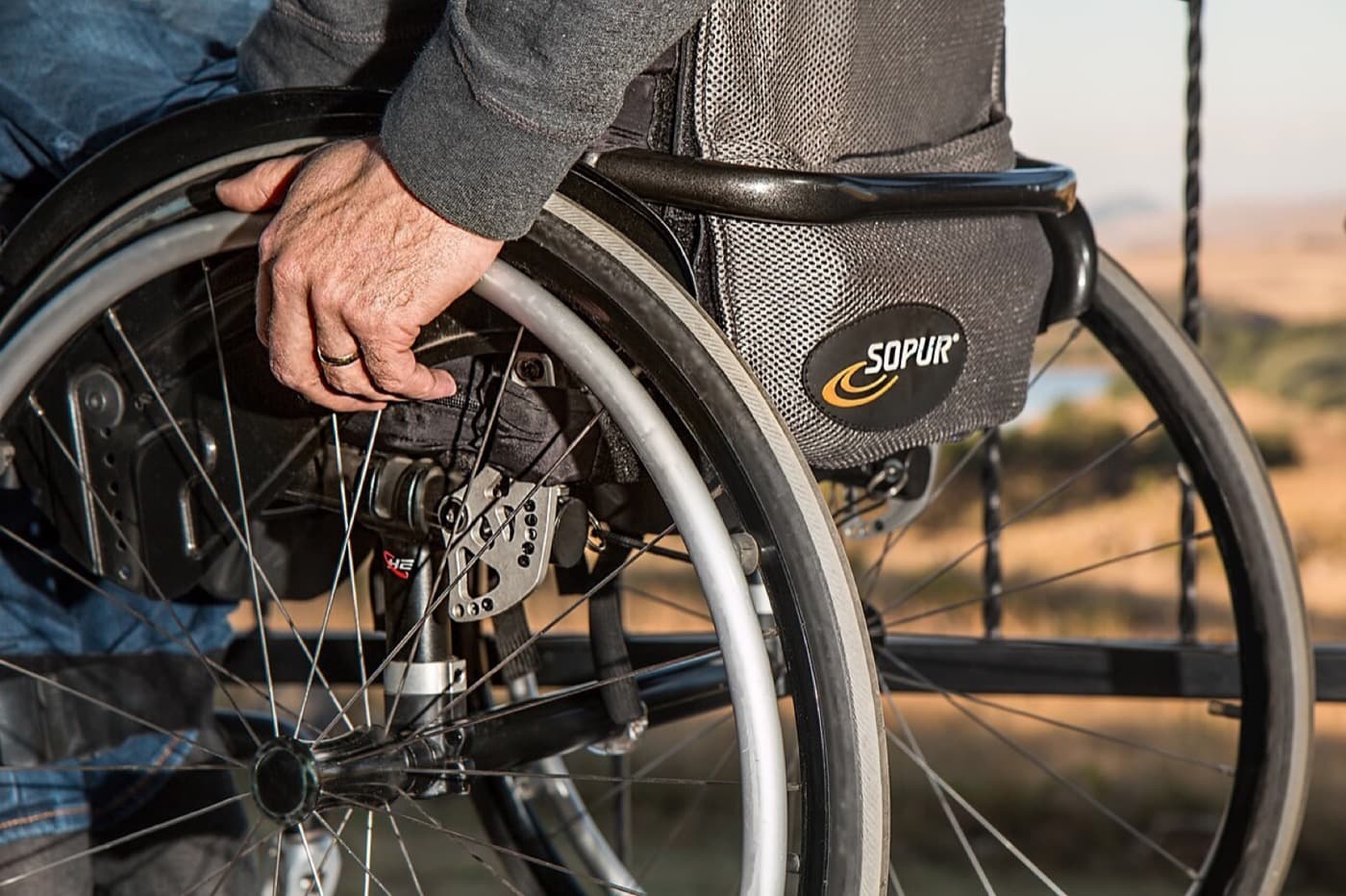
Cycling
A low-impact endurance sport that doubles as transport, exercise and adventure.
Exercises that work the calves
Jump squat
An explosive squat variation where you spring off the floor at the top of the movement.
Wall sit
A holding exercise where you sit against a wall with no chair, holding a squat position still.
Lunge
A single-leg movement where you step forward and bend both knees to lower your body.
Step-up
A movement where you step up onto a raised platform one leg at a time and step back down.
Calf raise
A movement where you press up onto the balls of your feet to work the calves.
Jumping jack
A rhythmic cardio move where you jump the feet out and swing the arms overhead, then back in.
Explore across the knowledge base
Follow the threads that connect Calves to the rest of SocialSportHub.
Training methods
- PlyometricsPlyometrics are jumping and bounding drills that train muscles to produce force quickly, developing power and springiness through explosive movement.
- Flexibility TrainingFlexibility training uses stretching to gradually improve how far your muscles and joints can comfortably lengthen and move.
Training plans
- Walk-to-Jog PlanA gentle example of easing from walking into jogging by gradually mixing short, easy jogs into regular walks over several weeks.
- Weekly Movement PlanA relaxed example of building more general movement into an ordinary week, mixing walks, gentle mobility and everyday activity rather than formal workouts.
- Beginner Cycling BaseA general example of building an easy aerobic base on the bike through mostly relaxed, conversational-pace rides over several weeks.
- Beginner Run WeekA simple example running week for newer runners, built around a couple of easy runs, one slightly longer effort and plenty of rest.
Movement patterns
- GaitThe cyclic, alternating single-leg pattern of walking and running that carries the body across the ground — the base of most field and endurance sport.
- JumpThe plyometric pattern of projecting the body off the ground through explosive triple extension and controlling the landing — the core expression of lower-body power.
- SquatA knee-dominant pattern: bending the hips, knees and ankles to lower and rise while keeping the torso upright — the foundation of lower-body strength.
- LungeA split-stance, single-leg-emphasis pattern: stepping or dropping into a staggered stance and pushing back up to build single-leg strength, balance and stability.
- AccelerationThe athletic pattern of building speed from a standing or slow start by driving large horizontal forces into the ground to project the body forward.
Techniques
- The cricket driveCricket's foundational attacking stroke, played straight down the ground or through the off side — the cover, straight and on drive, and the length that makes each one available.
- Movement and recovery in tennisWhy tennis footwork is mostly about getting back rather than getting there — the split step, the recovery position that is not the centre of the court, and sliding on clay.
Go deeper with Calves
Everywhere else on the platform that covers Calves — assembled from what actually references it, so nothing here is a dead end.
Take it away
Open data and the whole-platform view of this subject.
How this page is maintained
- Content type
- Muscle group
- Provenance
- Tier A — evergreen educational
- Verified external sources
- 0
- Content updated
- 2026-07-06
Evergreen, first-party explanation — it makes no claim that needs an external source. How we handle sources and reviews.