
Exploiting Matchups
Steering play toward the pairings where you hold an advantage while shielding the pairings where an opponent could hurt you.
Overview
Exploiting matchups is the strategic principle of shaping a contest so that your strengths repeatedly meet an opponent's weaknesses, while your own vulnerabilities are kept away from where they can be punished. Every game contains a web of one-on-one and unit-versus-unit pairings: a returner against a server, an attacker against a defender, a faster athlete against a slower one, one playing style against another. A competitor who recognises which of these pairings favours them, and can guide the flow of play so those pairings happen more often, gains an edge that does not rely on simply being better everywhere. It is a plan for allocating a contest's confrontations, not a single move within it.
The idea appears across nearly every competitive sport, though the mechanics differ. In invasion games it might mean directing attacks toward a defender who struggles with pace, or engineering a switch so a smaller marker ends up on a taller target. In racket sports it can mean pressuring an opponent's weaker wing or, in doubles, playing repeatedly to the less mobile partner. In combat sports the idea that styles make fights captures the same truth: a grappler and a striker pose very different problems, and each tries to force the contest into the range where their style is strongest. The strategy has two inseparable halves, attacking the matchups that favour you and protecting those that do not, and it is dynamic, because a capable opponent is constantly trying to neutralise your advantage or expose a new weakness of your own.
Key ideas
- Two sides of one plan: exploiting matchups is as much about hiding your weak points as attacking an opponent's. A side that hunts a favourable pairing while ignoring a dangerous one can end up trading advantages evenly; the aim is to come out ahead in the exchange, which often means shielding a vulnerable defender, keeping a tiring athlete out of a key duel, or steering play away from your own weaker flank.
- Individual versus systemic matchups: some advantages are personal, such as a quicker, taller, or more technically secure competitor against a specific opponent, while others are structural, where one team's shape or style is awkward for another's. Recognising which kind you face matters, because a personal mismatch is exploited by isolating two players, whereas a systemic one is exploited by changing formation, tempo, or where on the field or court the contest is fought.
- Reading before targeting: the strategy begins with information. Before and during play, competitors watch for who is slower to turn, who tires, which pairing keeps producing errors, and which side of the court or field is softer. Preparation narrows down the likely mismatches; live observation confirms or updates them, since a pairing that looked favourable on paper may hold up in reality while a different one opens instead.
- Creating mismatches rather than only waiting for them: many sports let you manufacture the pairing you want. Screens and picks force defenders to switch onto the wrong opponent, movement and overloads drag markers out of position, substitutions and rotations put a fresh or better-suited competitor into a key duel, and serving or shot placement forces an opponent to play from their weaker side. The more reliable edge comes from engineering favourable confrontations, not hoping they occur.
- A strategy, not a tactic, and not the whole game plan: exploiting matchups is the overarching intent that specific tactics carry out, so it sits above individual moves like running a pick-and-roll, overloading one wing, or serving to a weaker returner. It also has limits, since leaning too hard on a single mismatch can make a side predictable and easy to counter, and it should complement rather than replace a competitor's own strengths and identity. It is pursued within the laws of the sport, through legitimate positioning and selection.
Where it’s used
Sports that use exploiting matchups:
Tennis
A singles or doubles racquet sport that blends agility, strategy and stamina on court.

Basketball
A fast, dynamic team sport of running, jumping and quick decisions on court.

Football
The world’s most popular team sport — endless running, teamwork and community in one game.
Volleyball
A non-contact team sport of rallies, jumps and teamwork — indoors or on the beach.
Badminton
A fast indoor racquet sport played with a shuttlecock that rewards agility and touch.

Boxing
A striking combat sport built on footwork, timing and conditioning, practised from fitness drills to controlled sparring.
Rugby
A physical team sport of carrying, passing and kicking an oval ball toward the opposing line.
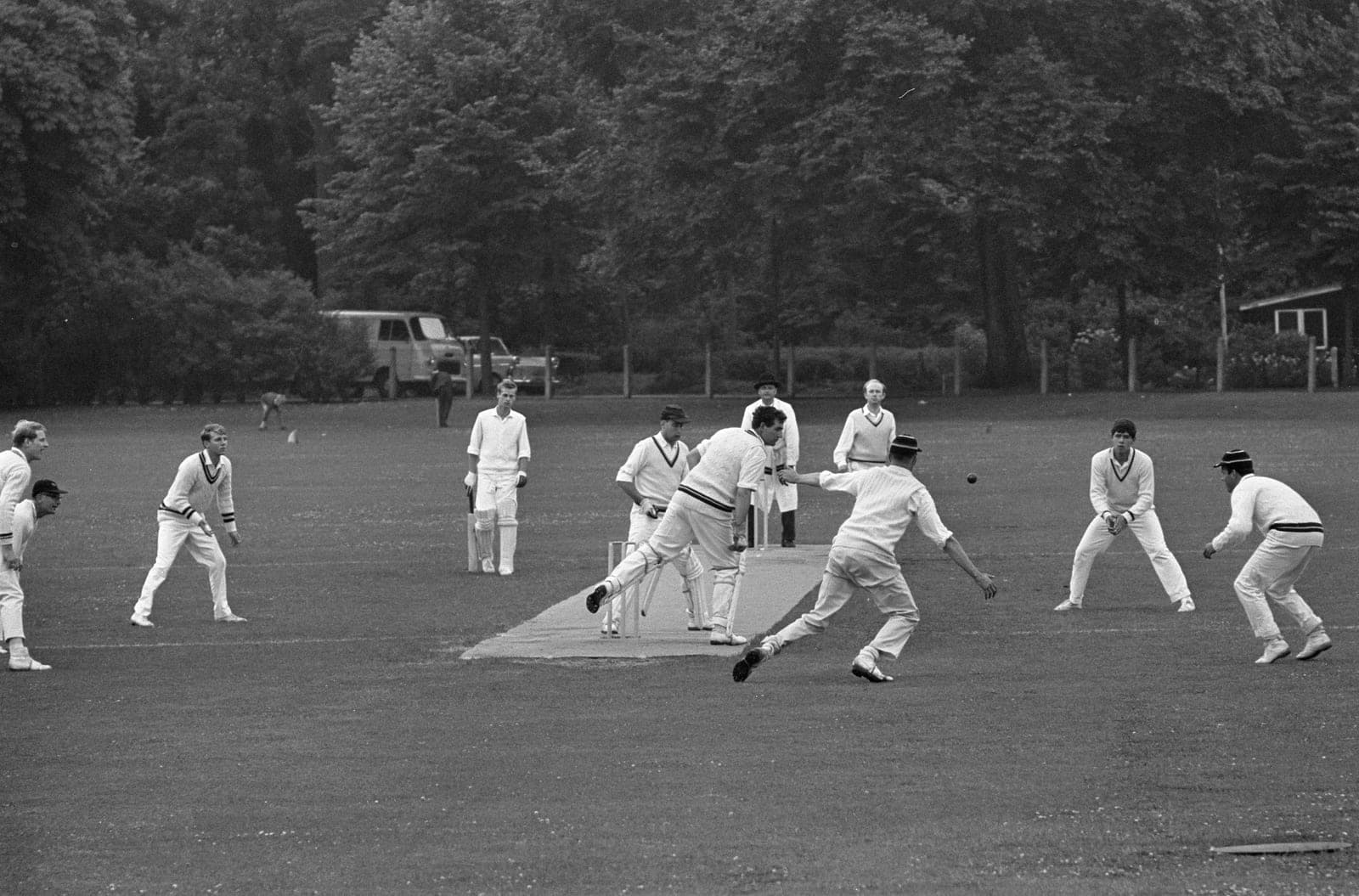
Cricket
A bat-and-ball team sport where sides take turns to bat and to bowl and field, scoring runs.

Baseball
A bat-and-ball team sport where two sides alternate between batting and fielding to score runs.
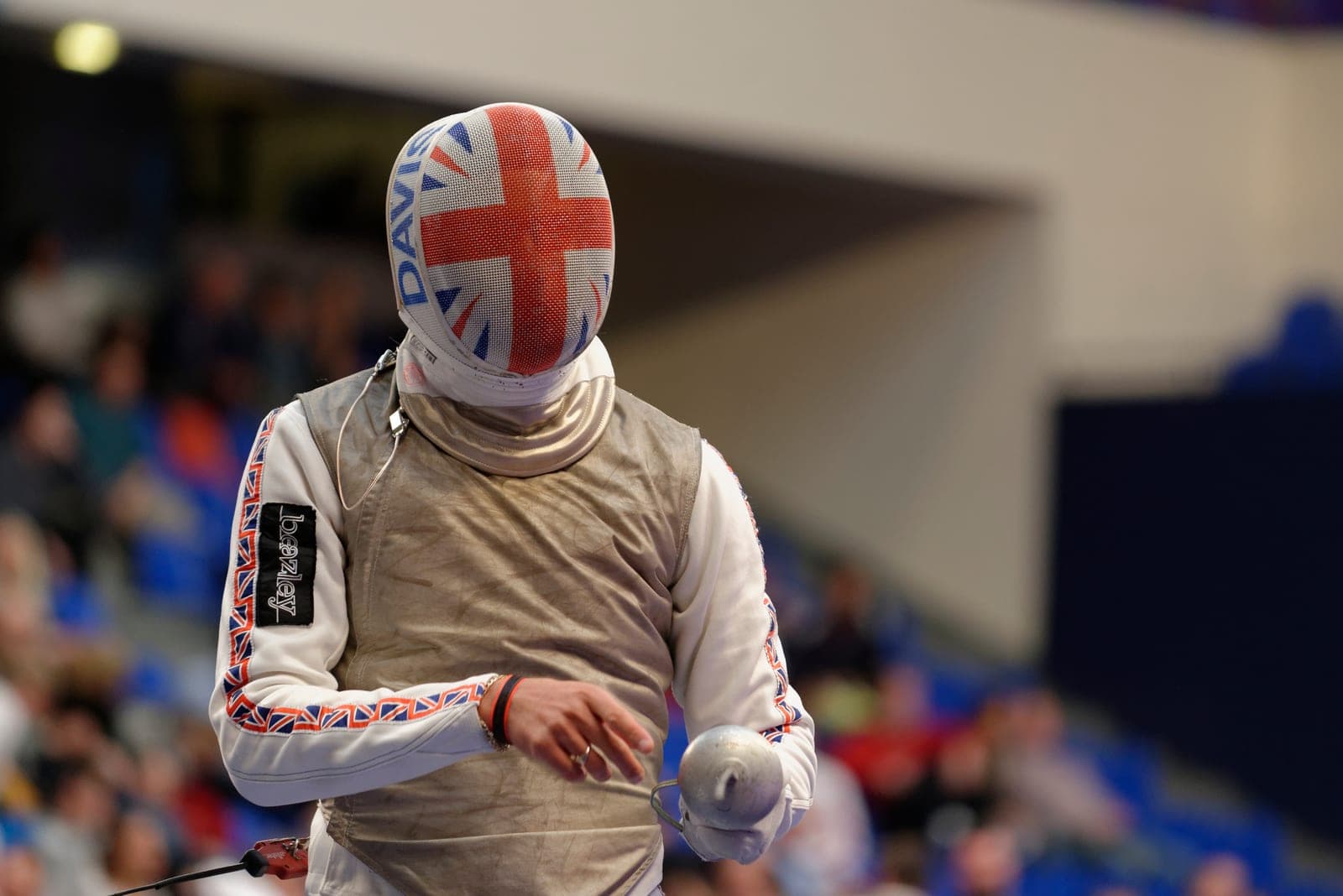
Fencing
A fast, tactical combat sport of controlled blade play that blends quick footwork with split-second decisions.
Related strategies
Attacking vs Defensive Balance
The overarching choice a team or athlete makes about how much to commit to creating scoring chances versus avoiding conceding, and when to shift it.
Pacing and Energy Management
Pacing and energy management is the overarching plan for distributing a limited supply of physical effort across an event so you avoid fading early and finish strong.
Controlling Tempo
Controlling tempo is the strategy of dictating the pace and rhythm of play — speeding up or slowing down — to suit your strengths and unsettle opponents.
How it connects
The meaning-bearing relationships that place Exploiting Matchups in the wider knowledge graph — each one with the reason it exists.
Frequently learned together
Taught side by side in the same stage of a learning path.
- Doubles formationBoth are taught in the “Understand tactics & strategy” stage of the Badminton learning path.
- Net playBoth are taught in the “Understand tactics & strategy” stage of the Badminton learning path.
- Controlling TempoBoth are taught in the “Understand tactics & strategy” stage of the Badminton learning path.
- Playing the percentagesBoth are taught in the “Understand tactics & strategy” stage of the Badminton learning path.
- Using Width and SpaceBoth are taught in the “Understand tactics & strategy” stage of the Badminton learning path.
Explore across the knowledge base
Follow the threads that connect Exploiting Matchups to the rest of SocialSportHub.
Tactics
- Doubles formationHow a pair positions itself on court — one up, one back, or both at the net — to control space in doubles.
- Net playControlling the point from close to the net with volleys, smashes and touch shots to cut down an opponent’s time.
- Court coverage and rotationVolleyball positioning where players rotate through positions and cover the court as one coordinated unit.
- Serve-receive formationHow a volleyball team arranges its passers to receive the serve and set up a clean first attack.
- Man-to-man markingA defensive tactic where each defender is assigned a specific opponent to track and contain.
Learning paths
- Learn TennisA structured, educational learning path for tennis — from the rules to skills, techniques, tactics and training.
- Learn BadmintonA structured, educational learning path for badminton — from the rules to skills, techniques, tactics and training.
- Learn FootballA structured, educational learning path for football — from the rules to skills, techniques, tactics and training.
- Learn BasketballA structured, educational learning path for basketball — from the rules to skills, techniques, tactics and training.
- Learn VolleyballA structured, educational learning path for volleyball — from the rules to skills, techniques, tactics and training.
Go deeper with Exploiting Matchups
Everywhere else on the platform that covers Exploiting Matchups — assembled from what actually references it, so nothing here is a dead end.
Learn it
Structured courses and paths on the platform that cover this directly.
How this page is maintained
- Content type
- Strategy
- Provenance
- Tier A — evergreen educational
- Verified external sources
- 0
- Content updated
- 2026-09-12
Evergreen, first-party explanation — it makes no claim that needs an external source. How we handle sources and reviews.