
Forearms
The muscles of the lower arm that move the wrist and fingers and drive grip strength.
Overview
The forearm muscles fill the lower arm between the elbow and the wrist. They divide broadly into a group on the palm side that flexes the wrist and fingers and a group on the back that extends them.
By controlling the wrist, hand and fingers, they are the engine of grip. Strong forearms and a firm grip matter in climbing, racquet sports, rowing and any activity where you hold, carry or swing something.
Good to know
- Grip is a common limiting factor in pulling and carrying
- Used constantly in racquet, bat and climbing sports
- Trained naturally by many holding and carrying exercises
Where it’s used
Sports this relates to:
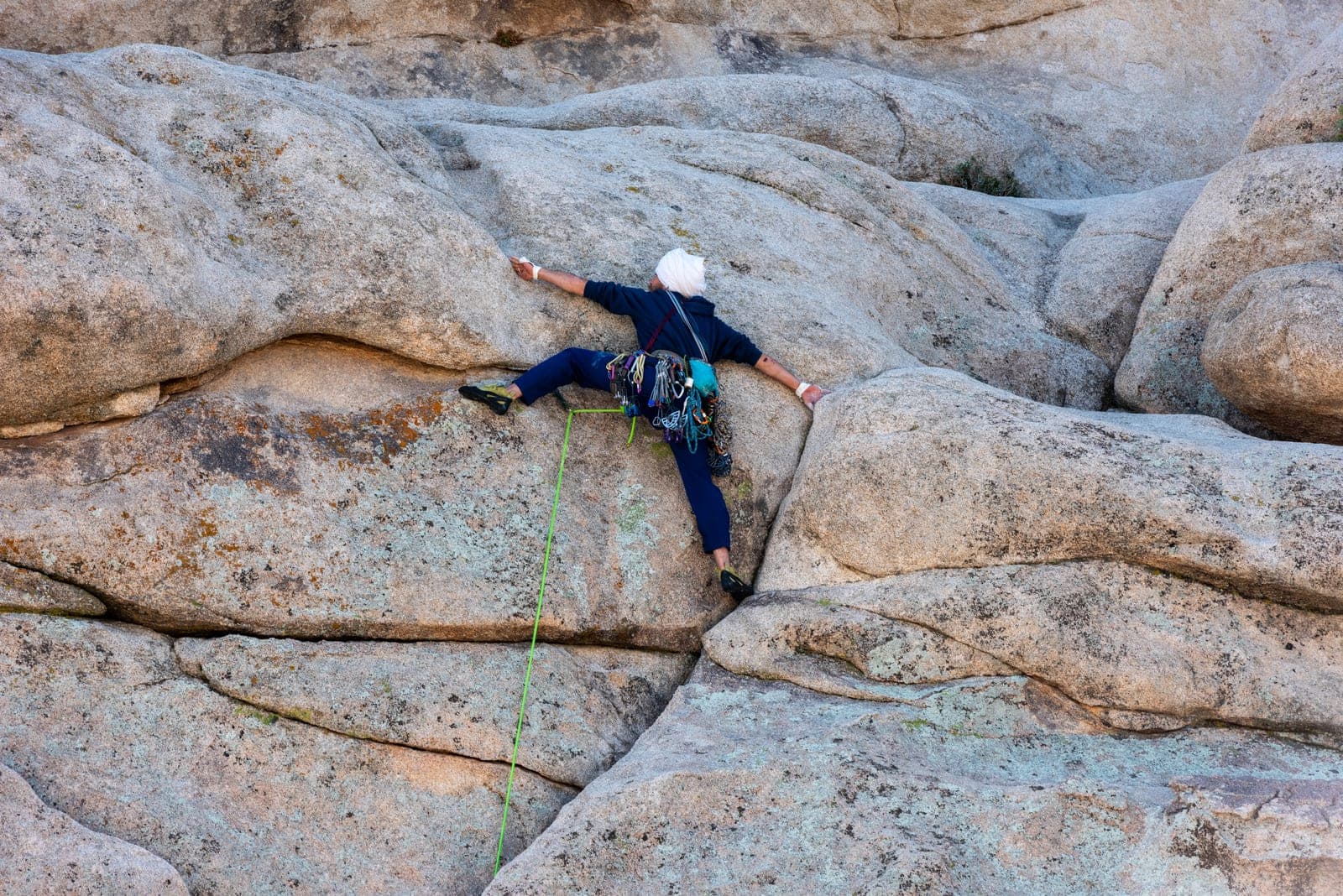
Rock Climbing
A rope-based climbing sport that pairs full-body strength with focus and careful technique, indoors or on rock.
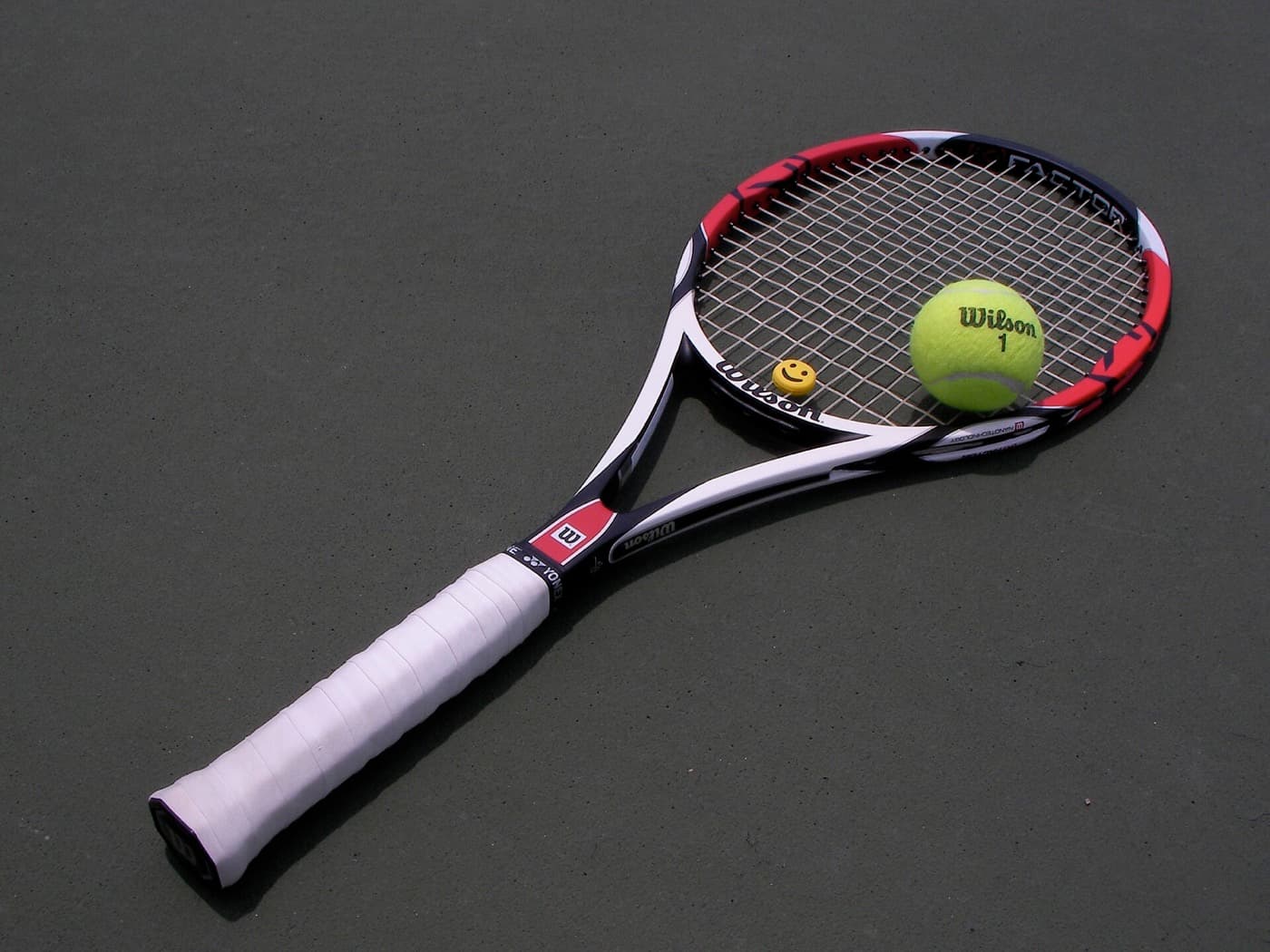
Tennis
A singles or doubles racquet sport that blends agility, strategy and stamina on court.
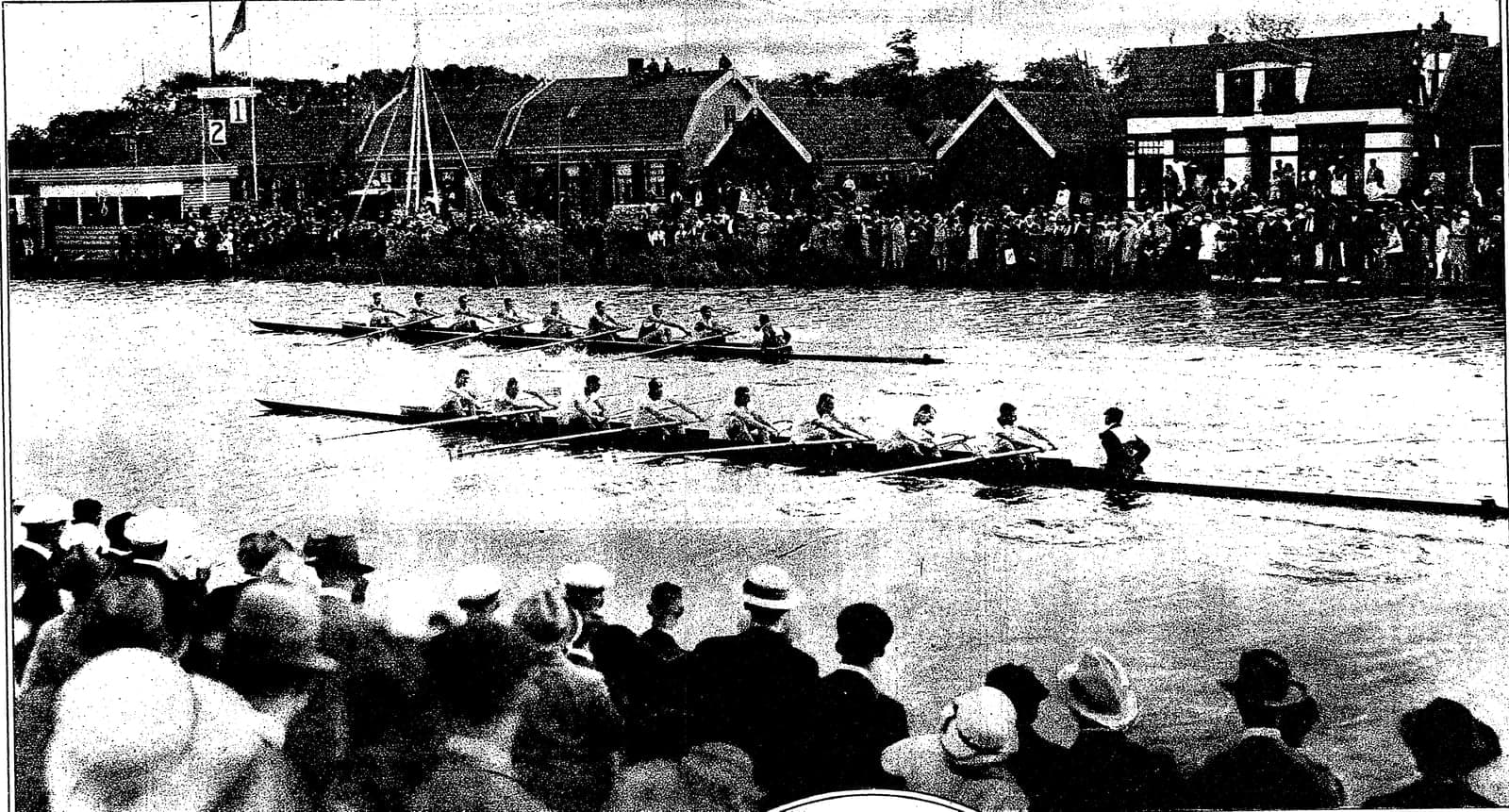
Rowing
A rhythmic, full-body endurance sport on the water or on an indoor machine.
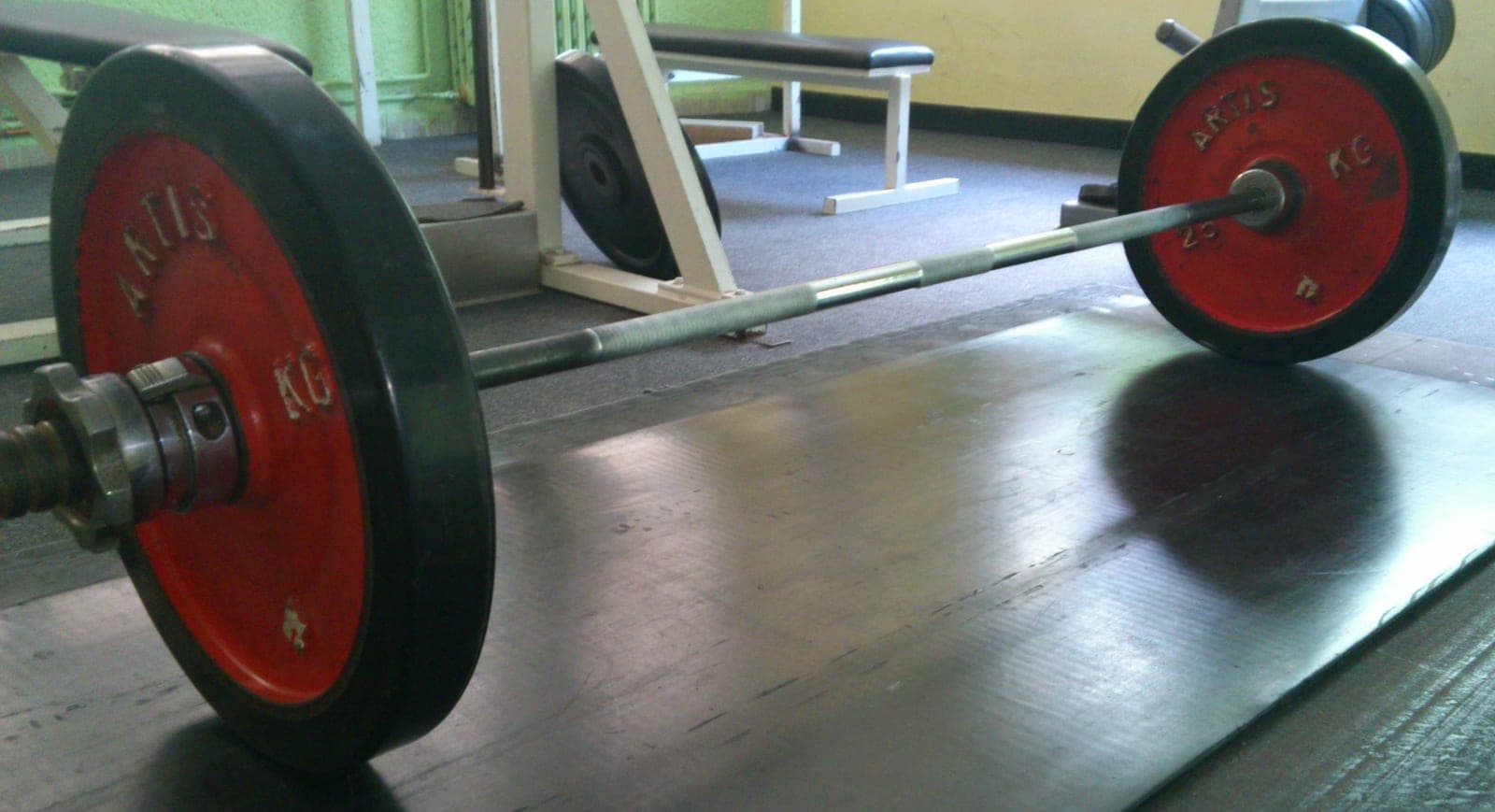
Weightlifting
A technical strength sport built around lifting a loaded barbell overhead with speed and control.
Exercises that work the forearms
Goblet squat
A squat variation where you hold a single weight close to your chest for balance and control.
Deadlift
A hinge movement where you lift a weight from the floor by driving your hips forward to stand tall.
Pull-up
A vertical pulling exercise where you hang from a bar and pull your chin above it.
Chin-up
A pulling exercise similar to a pull-up but with palms facing you, involving the biceps more.
Inverted row
A horizontal pulling exercise where you pull your chest to a fixed bar while lying back beneath it.
Bicep curl
An isolation exercise where you bend the elbows to lift a weight toward the shoulders.
Explore across the knowledge base
Follow the threads that connect Forearms to the rest of SocialSportHub.
Movement patterns
- PullDrawing a load or your own body toward the torso — horizontal rows and vertical pull-ups — building the lats, mid-back and biceps and balancing the push.
- CarryHolding and transporting a load while keeping the trunk braced and stable — an anti-movement pattern that builds grip, core stability and full-body strength.
- HingeA hip-dominant pattern: bend forward at the hips with a flat back, minimal knee bend, then drive the hips tall — powers pulling from the floor and jumping.
- CatchReceiving a moving object and securing it under control, absorbing its momentum by yielding along its path so kinetic energy is dissipated rather than rebounded away.
- ReachExtending a limb toward a distant point or object, often at full stretch, by projecting a distal segment beyond the body's resting envelope while a stabilised base preserves balance and control.
Techniques
- One-Handed BackhandA backhand groundstroke struck with a single hand on the grip, driving through the ball with a full extension of the hitting arm.
- Volleyball DigA defensive contact that keeps a hard-driven ball in play by passing it up off the forearms, usually from a low position.
- PlankA static core exercise that holds the body in a straight line supported on the forearms and toes.
- The cricket driveCricket's foundational attacking stroke, played straight down the ground or through the off side — the cover, straight and on drive, and the length that makes each one available.
- Table Tennis Forehand DriveA controlled attacking stroke in table tennis, played on the forehand side with a compact swing and light topspin.
Training methods
- Flexibility TrainingFlexibility training uses stretching to gradually improve how far your muscles and joints can comfortably lengthen and move.
- Strength TrainingStrength training uses resistance — bodyweight, bands or weights — to challenge your muscles so they gradually adapt and get stronger over time.
Go deeper with Forearms
Everywhere else on the platform that covers Forearms — assembled from what actually references it, so nothing here is a dead end.
Take it away
Open data and the whole-platform view of this subject.
How this page is maintained
- Content type
- Muscle group
- Provenance
- Tier A — evergreen educational
- Verified external sources
- 0
- Content updated
- 2026-07-06
Evergreen, first-party explanation — it makes no claim that needs an external source. How we handle sources and reviews.