
Building momentum
Momentum is the sense that a contest is flowing one side's way — building it means stacking positive plays while working to interrupt an opponent's run.
Overview
Building momentum is an overarching strategic approach to the flow of a contest rather than a single move. Momentum describes the observable pattern in which the run of play tips in favour of one team or athlete — a stretch where scoring, possession and successful plays seem to stack on top of one another. Unlike a specific tactic aimed at one moment, building momentum is about reading the whole game: recognising when the flow is with you and pressing that advantage, and recognising when it has turned against you so you can steady things, slow the tempo and reset. It is a pattern of results and events, not a claim about anyone's state of mind.
The idea shows up across almost every head-to-head sport, just in different forms. In court and team sports it appears as a scoring run; in racket sports as a string of won points or a break of serve; in combat sports as a competitor winning several exchanges or rounds in a row; in cricket as a cluster of quick wickets or a flurry of runs. Sides typically try to seize momentum by lifting the tempo, forcing turnovers and converting them quickly through fast transitions such as a fast break, a counter-attack or a breakaway. They try to halt an opponent's run with deliberate interruptions — a timeout, a substitution, a slower and lower-risk restart, or simply a solid, safe play that stops the flow. Coaches plan around momentum as a general tendency, not a guarantee of what happens next.
Key ideas
- Momentum is a big-picture read of the whole contest, not one action — it shapes when a side should attack hard and when it should steady and slow the game down.
- It usually shows up as a run of results — consecutive points, scores or won exchanges — rather than a single isolated play.
- Sides try to seize momentum by raising the tempo and converting quick transitions, such as a fast break, a counter-attack or a breakaway.
- Sides try to halt an opponent's run with deliberate interruptions — a timeout, a substitution, or a slower, lower-risk restart to break the flow and reset.
- The specific in-game actions are tactics; building momentum is the broader principle that guides which tactic best fits the moment.
Where it’s used
Sports that use building momentum:

Basketball
A fast, dynamic team sport of running, jumping and quick decisions on court.
Volleyball
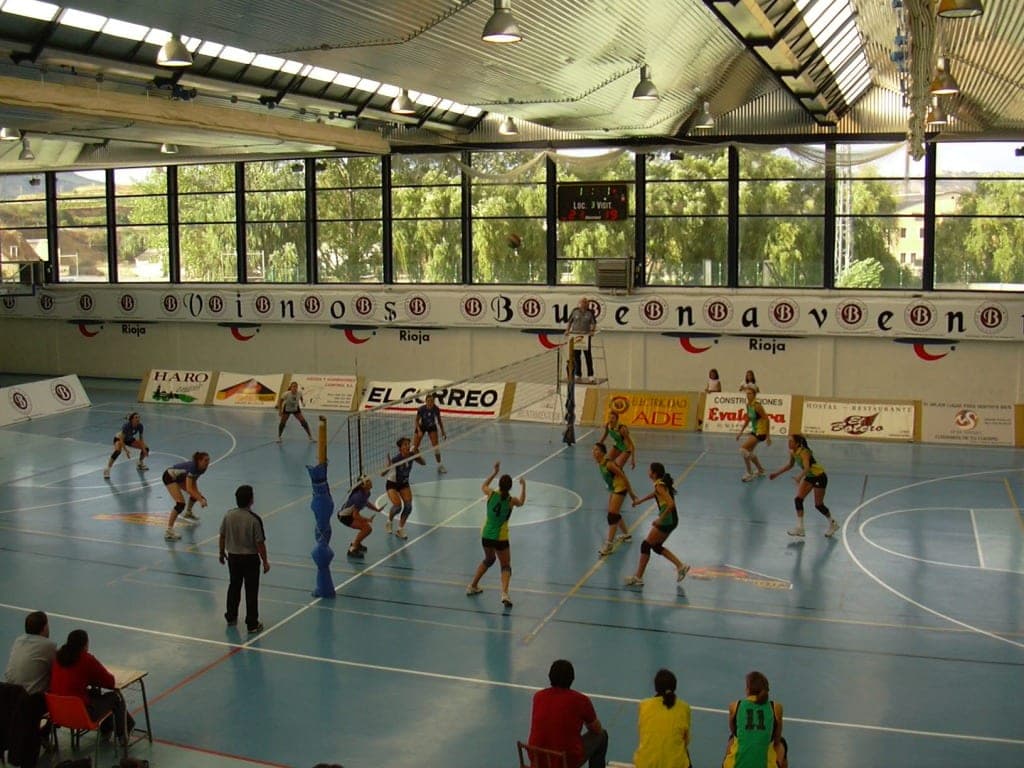
A non-contact team sport of rallies, jumps and teamwork — indoors or on the beach.
Tennis
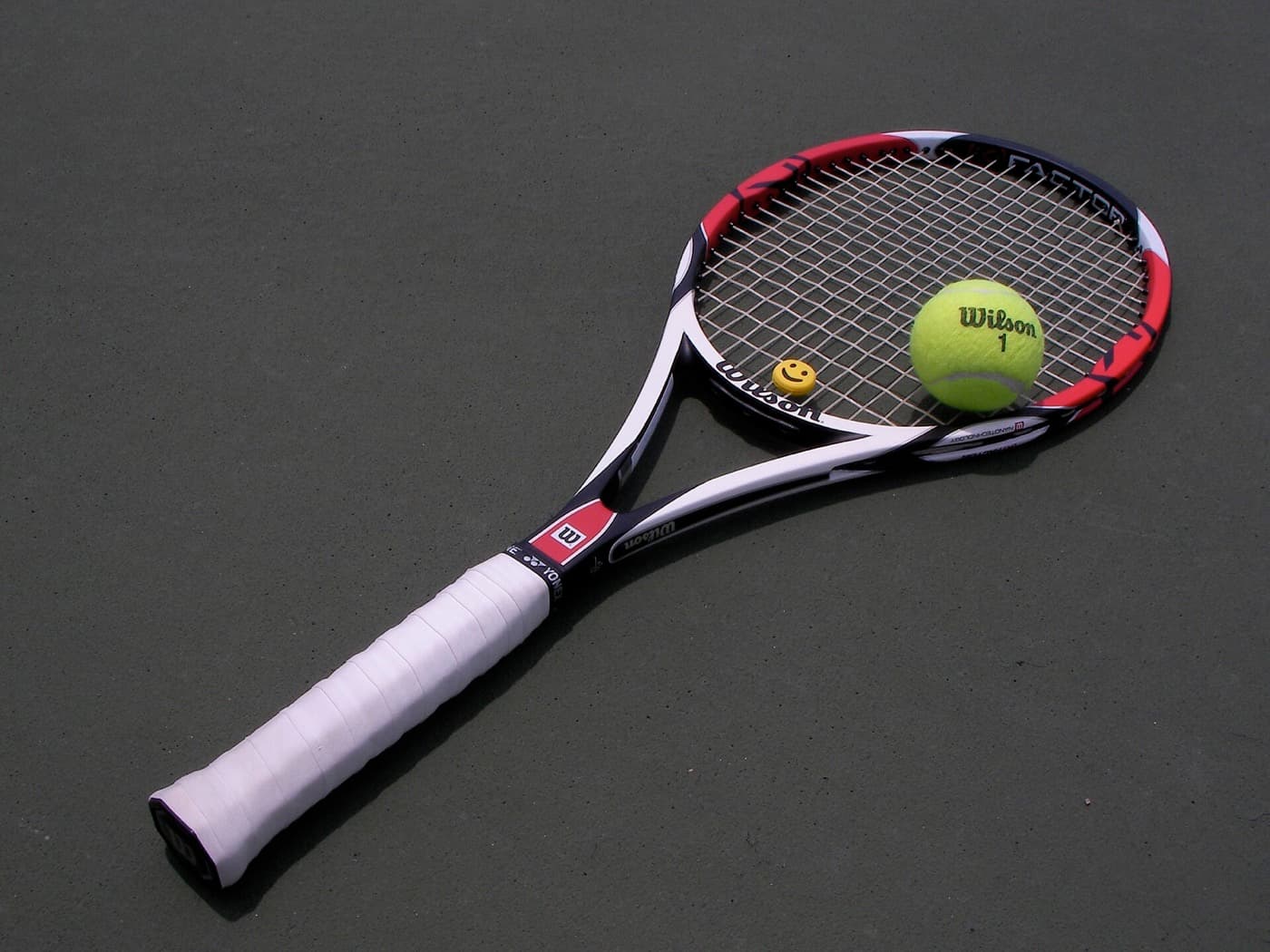
A singles or doubles racquet sport that blends agility, strategy and stamina on court.
Badminton
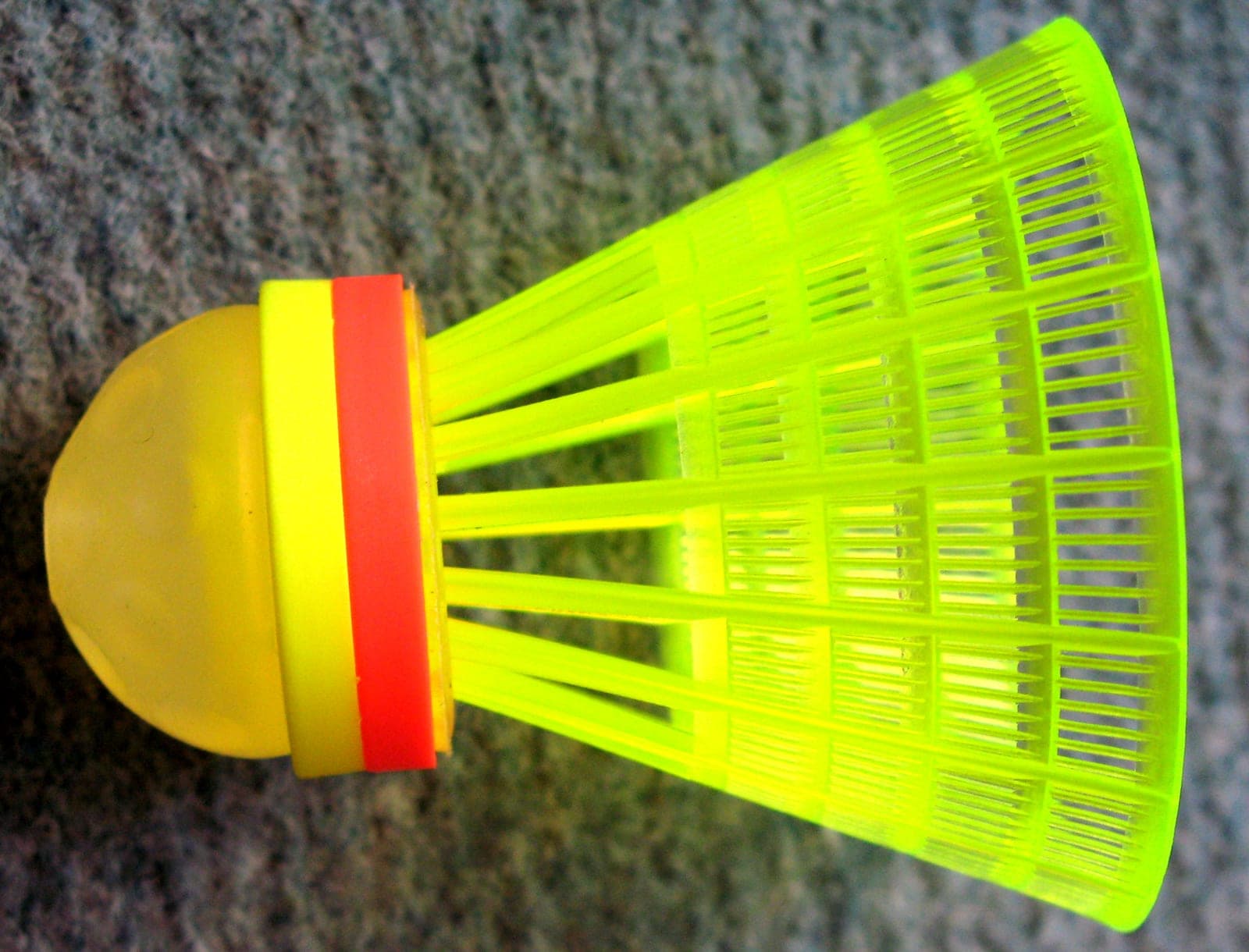
A fast indoor racquet sport played with a shuttlecock that rewards agility and touch.
Football
The world’s most popular team sport — endless running, teamwork and community in one game.
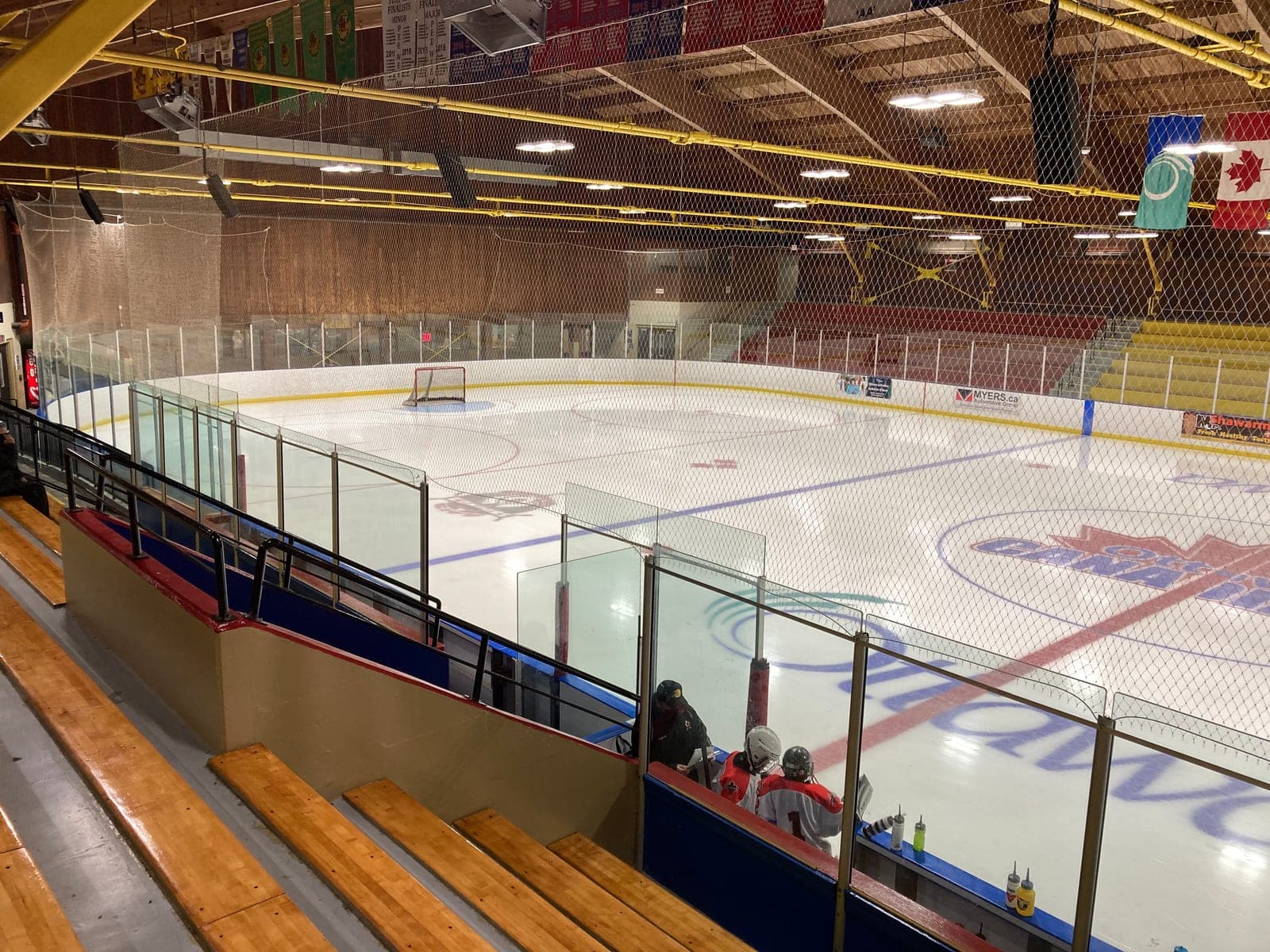
Ice Hockey
A fast team sport on ice that combines skating skill with quick passing and goal-scoring.
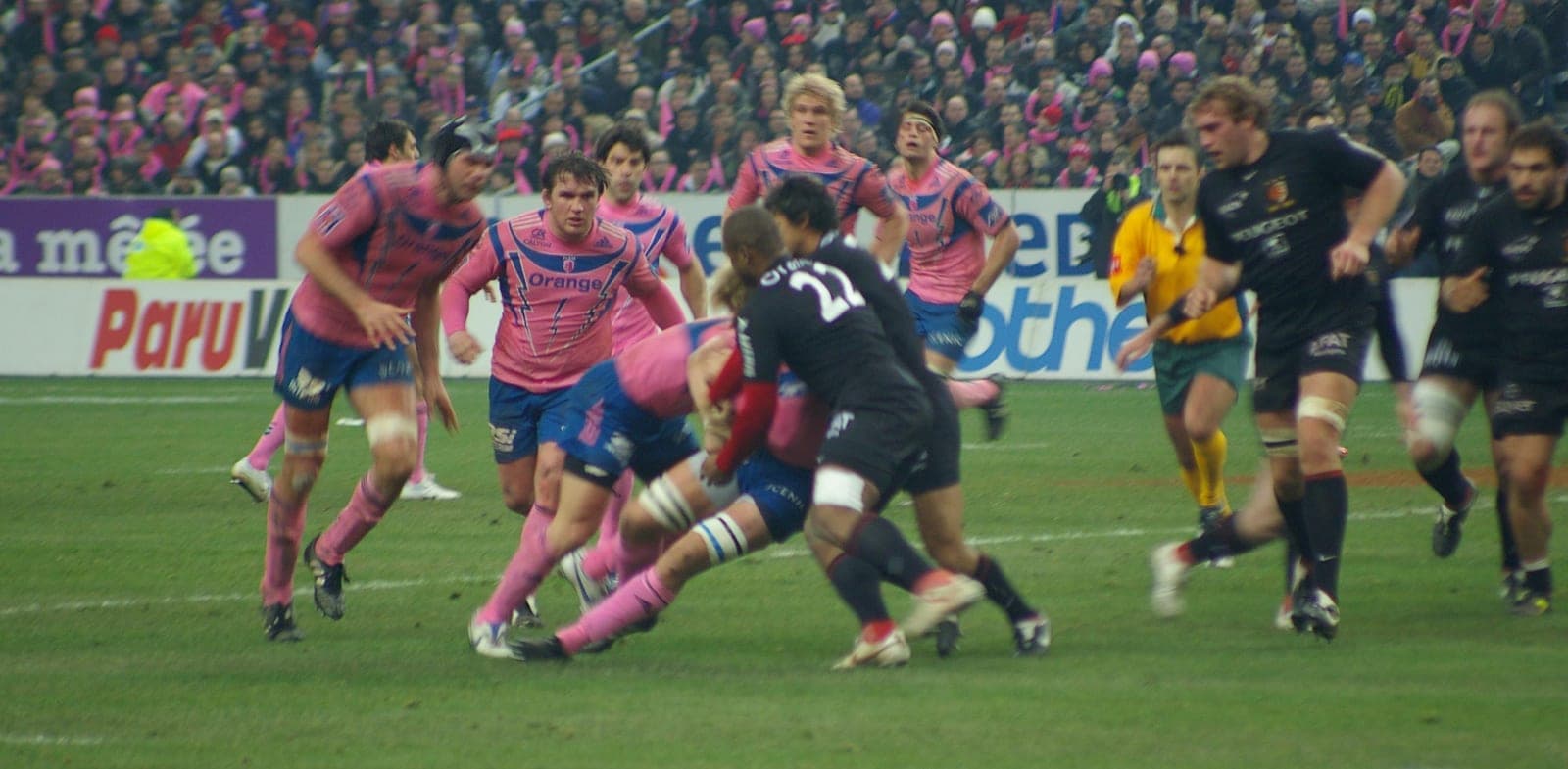
Rugby
A physical team sport of carrying, passing and kicking an oval ball toward the opposing line.
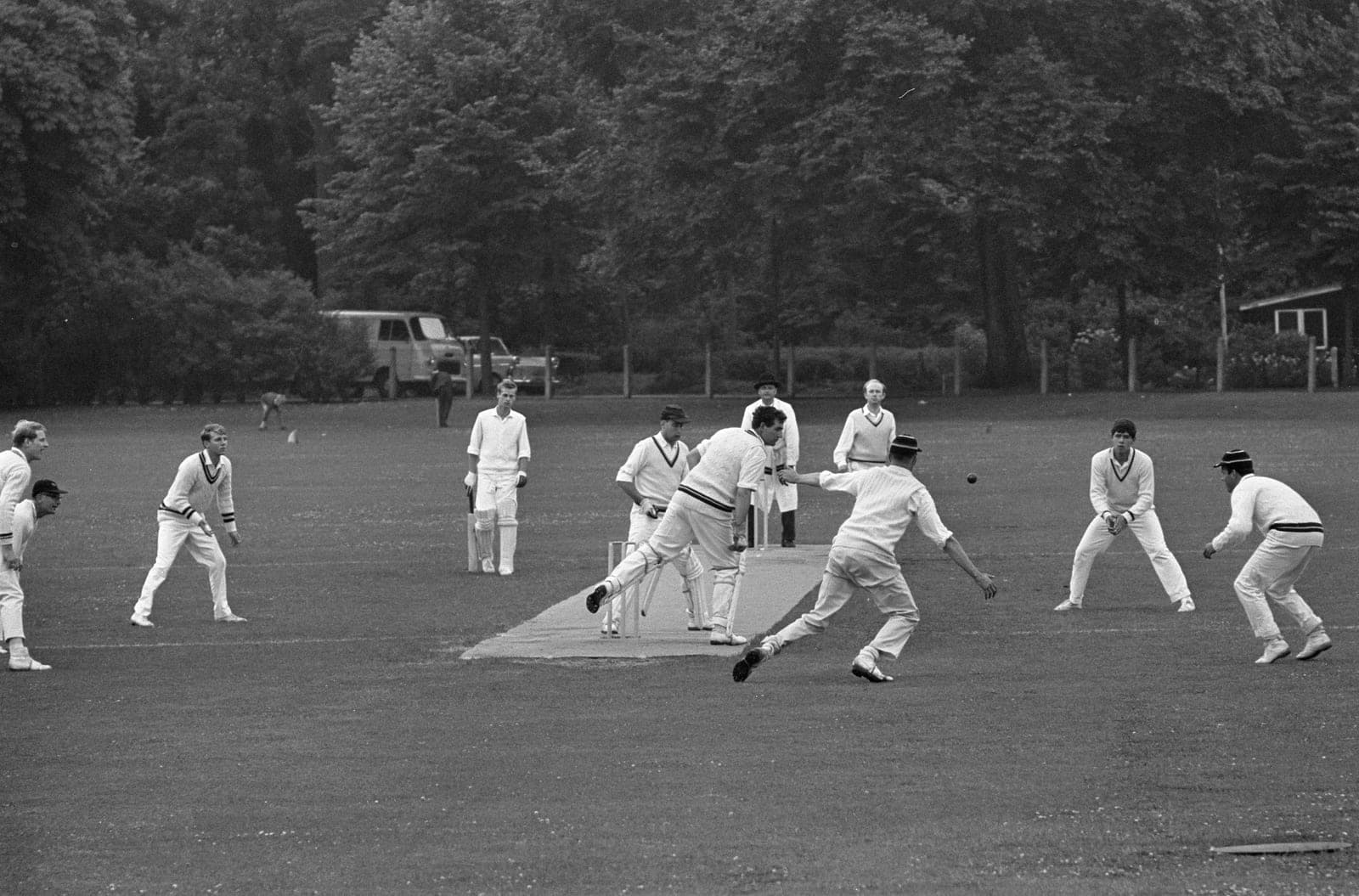
Cricket
A bat-and-ball team sport where sides take turns to bat and to bowl and field, scoring runs.
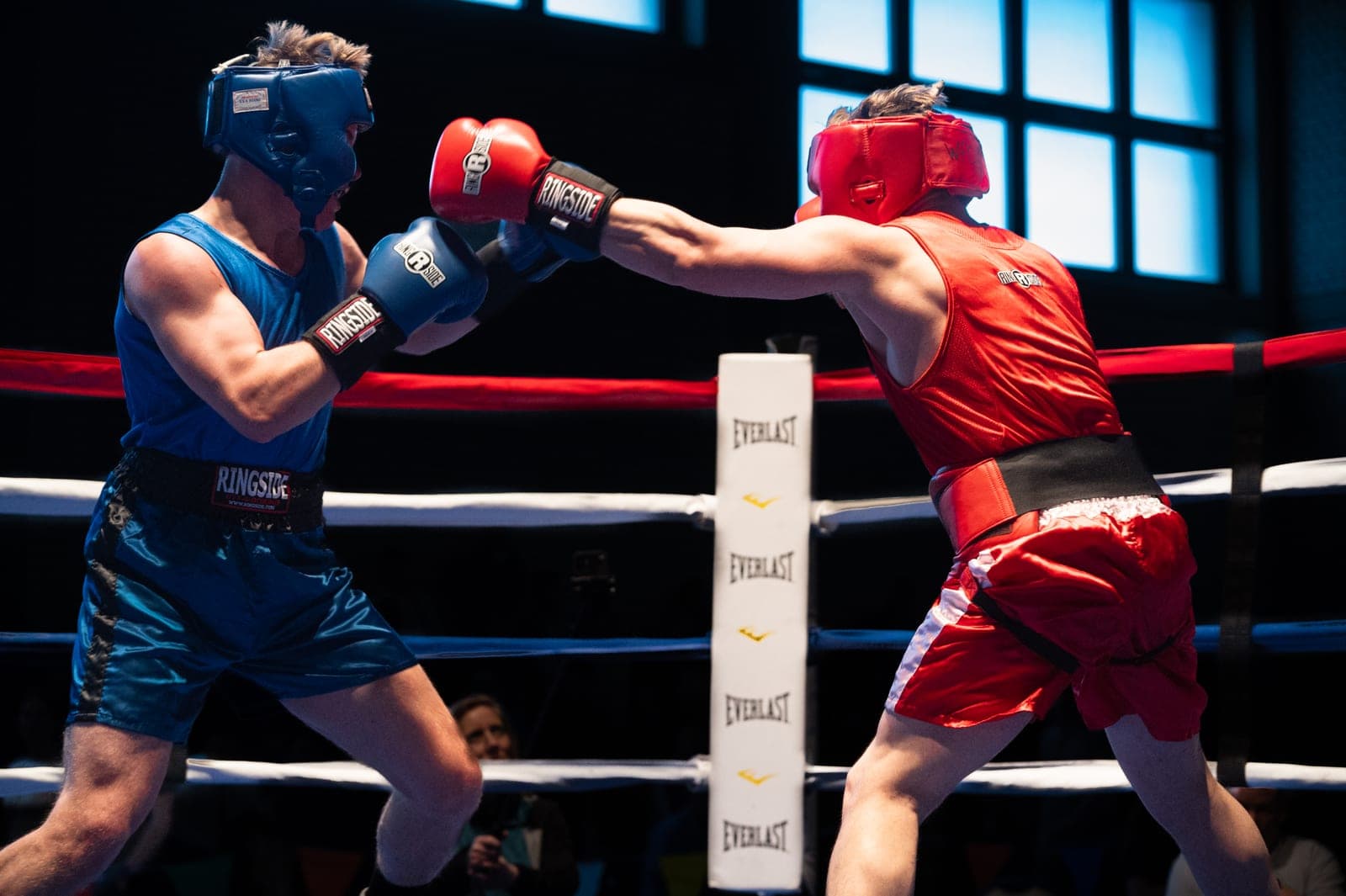
Boxing
A striking combat sport built on footwork, timing and conditioning, practised from fitness drills to controlled sparring.
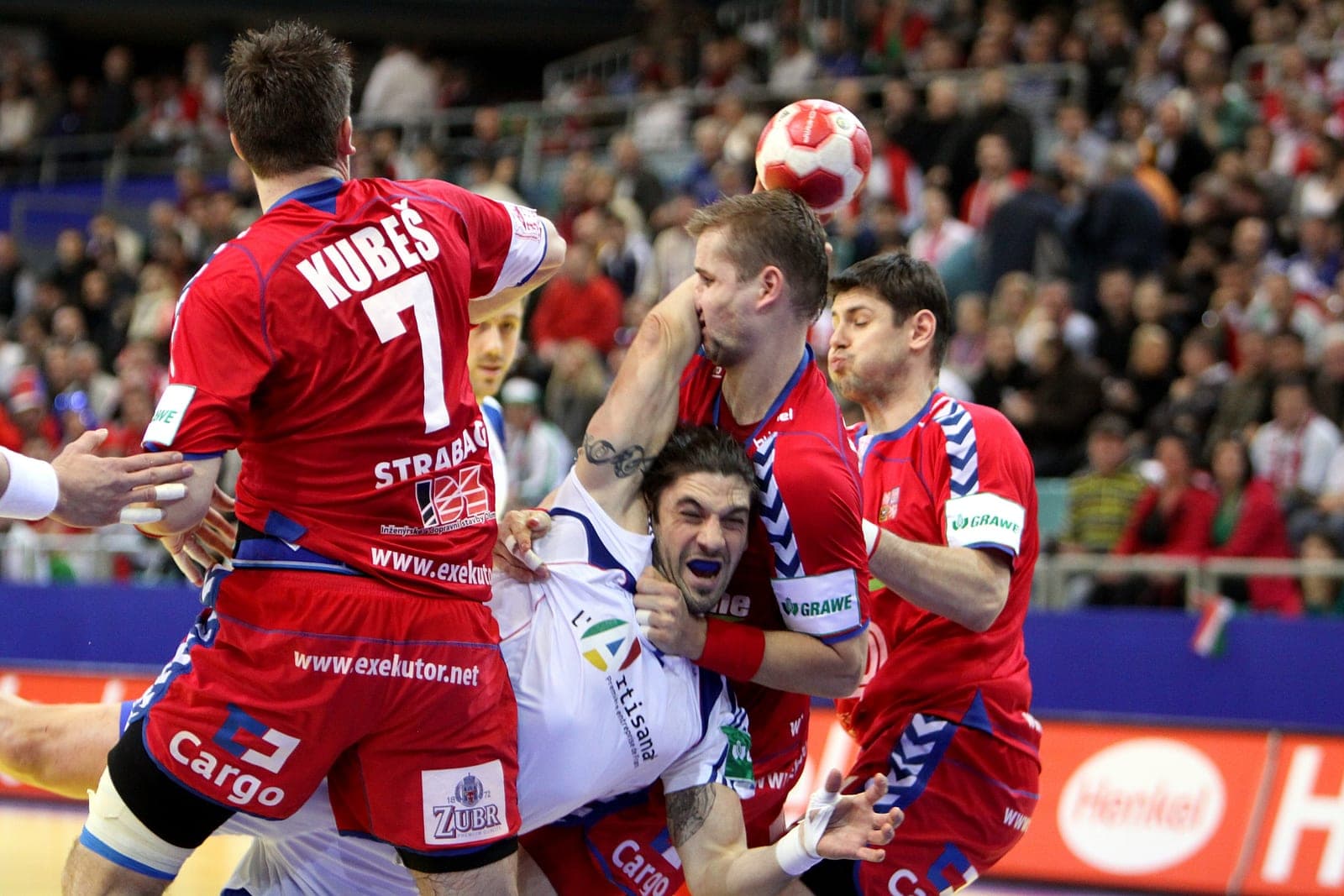
Handball
A fast indoor team sport of passing, jumping and throwing to score with the hands.
Related strategies
Attacking vs Defensive Balance
The overarching choice a team or athlete makes about how much to commit to creating scoring chances versus avoiding conceding, and when to shift it.
Pacing and Energy Management
Pacing and energy management is the overarching plan for distributing a limited supply of physical effort across an event so you avoid fading early and finish strong.
Controlling Tempo
Controlling tempo is the strategy of dictating the pace and rhythm of play — speeding up or slowing down — to suit your strengths and unsettle opponents.
How it connects
The meaning-bearing relationships that place Building momentum in the wider knowledge graph — each one with the reason it exists.
Frequently learned together
Taught side by side in the same stage of a learning path.
- Court coverage and rotationBoth are taught in the “Understand tactics & strategy” stage of the Volleyball learning path.
- Serve-receive formationBoth are taught in the “Understand tactics & strategy” stage of the Volleyball learning path.
- Playing the percentagesBoth are taught in the “Understand tactics & strategy” stage of the Volleyball learning path.
- Exploiting MatchupsBoth are taught in the “Understand tactics & strategy” stage of the Volleyball learning path.
- Specialisation vs VersatilityBoth are taught in the “Understand tactics & strategy” stage of the Volleyball learning path.
Explore across the knowledge base
Follow the threads that connect Building momentum to the rest of SocialSportHub.
Tactics
- Court coverage and rotationVolleyball positioning where players rotate through positions and cover the court as one coordinated unit.
- Serve-receive formationHow a volleyball team arranges its passers to receive the serve and set up a clean first attack.
- Fast breakPushing the ball up court at speed after a turnover or rebound to score before the defence sets up.
- Counter-attackWinning the ball and moving forward at speed to attack before the opponent can reorganise their defence.
- Full-court pressAn aggressive basketball defence that pressures the ball across the whole court to force turnovers.
Learning paths
- Learn TennisA structured, educational learning path for tennis — from the rules to skills, techniques, tactics and training.
- Learn BadmintonA structured, educational learning path for badminton — from the rules to skills, techniques, tactics and training.
- Learn FootballA structured, educational learning path for football — from the rules to skills, techniques, tactics and training.
- Learn BasketballA structured, educational learning path for basketball — from the rules to skills, techniques, tactics and training.
- Learn VolleyballA structured, educational learning path for volleyball — from the rules to skills, techniques, tactics and training.
Healthy living
- Walking MeetingsTaking a call or a one-to-one on the move instead of at a desk — an easy way to add movement to the working day without losing time.
- Morning MovementA little gentle activity early in the day to wake the body up and start on a positive note.
- Exercise and SleepThe two-way link between staying active and sleeping well — how movement can help rest, and how rest fuels movement.
Positions
- Full-backA full-back is a defender who plays on the left or right side of the defence, defending the flank while also supporting attacks down the wing.
- OppositeThe opposite is a volleyball attacker who plays on the right side of the net, opposite the setter in the rotation, and is often a key scorer.
Go deeper with Building momentum
Everywhere else on the platform that covers Building momentum — assembled from what actually references it, so nothing here is a dead end.
Learn it
Structured courses and paths on the platform that cover this directly.
How this page is maintained
- Content type
- Strategy
- Provenance
- Tier A — evergreen educational
- Verified external sources
- 0
- Content updated
- 2026-09-12
Evergreen, first-party explanation — it makes no claim that needs an external source. How we handle sources and reviews.