
Weight transfer
The shift of body weight through the base during a strike, throw, or kick to add power and control.
Definition
Weight transfer is the coordinated shift of the body's mass — typically from the back foot to the front foot, and from a coiled to an uncoiled position — as a player swings, throws, or kicks. Moving weight into and through the ball links the large muscles of the legs and hips to the arm or striking limb, so power comes from the ground up rather than from the arm alone. It underpins a tennis groundstroke, a golf swing, a cricket or baseball drive, and a football strike.
The sequence usually loads onto the back foot during the backswing, then transfers forward as the hips and torso rotate and the front foot braces, with the follow-through completing the shift. Poor or reversed weight transfer — hanging back or falling away — leaks power and accuracy. It is part of the kinetic chain and works together with stance, footwork, and follow-through.
Where you’ll hear “weight transfer”
Sports that use this term:
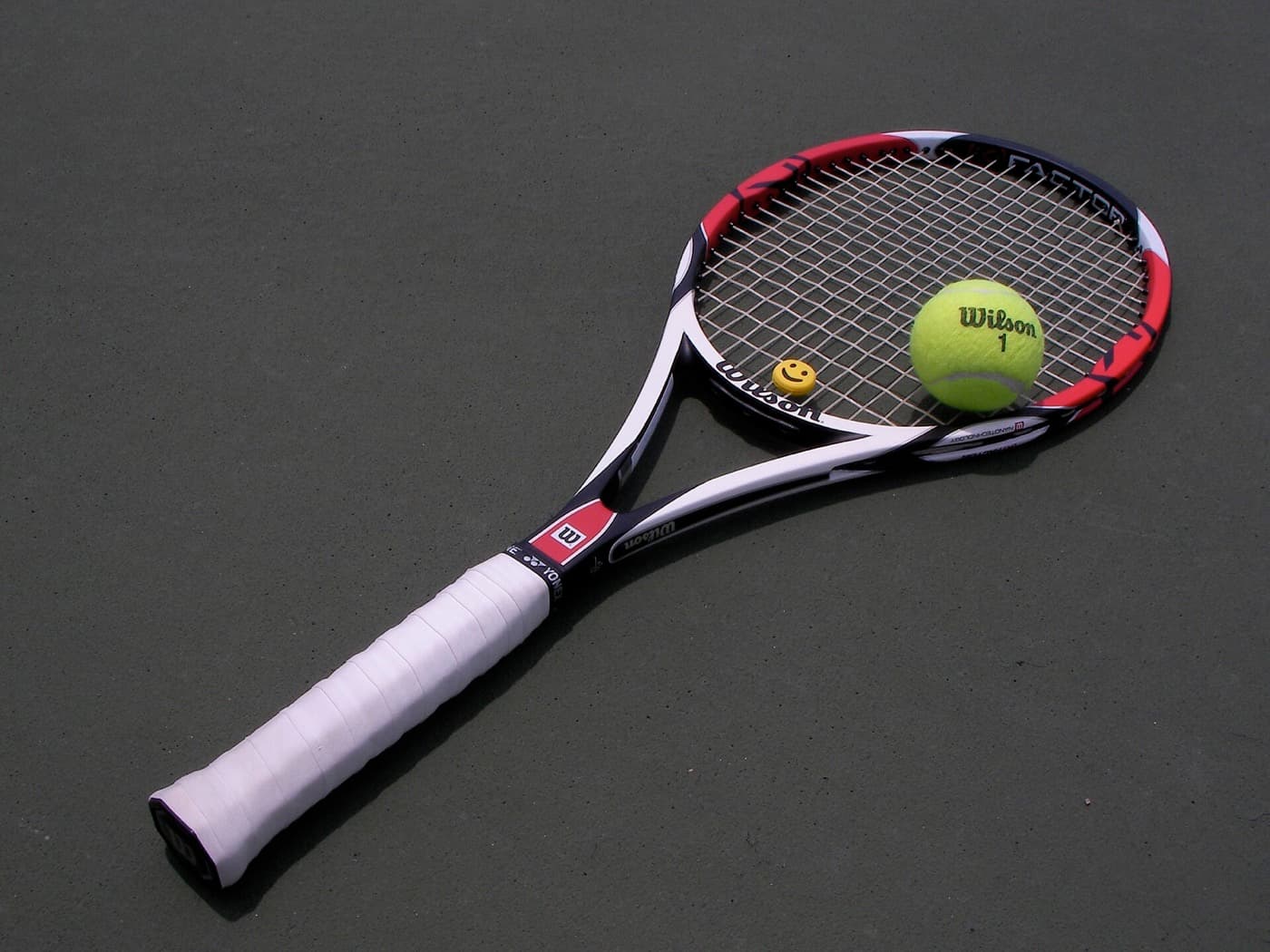
Tennis
A singles or doubles racquet sport that blends agility, strategy and stamina on court.

Golf
A precision target sport played across an outdoor course, blending skill, strategy and a long walk in the open air.
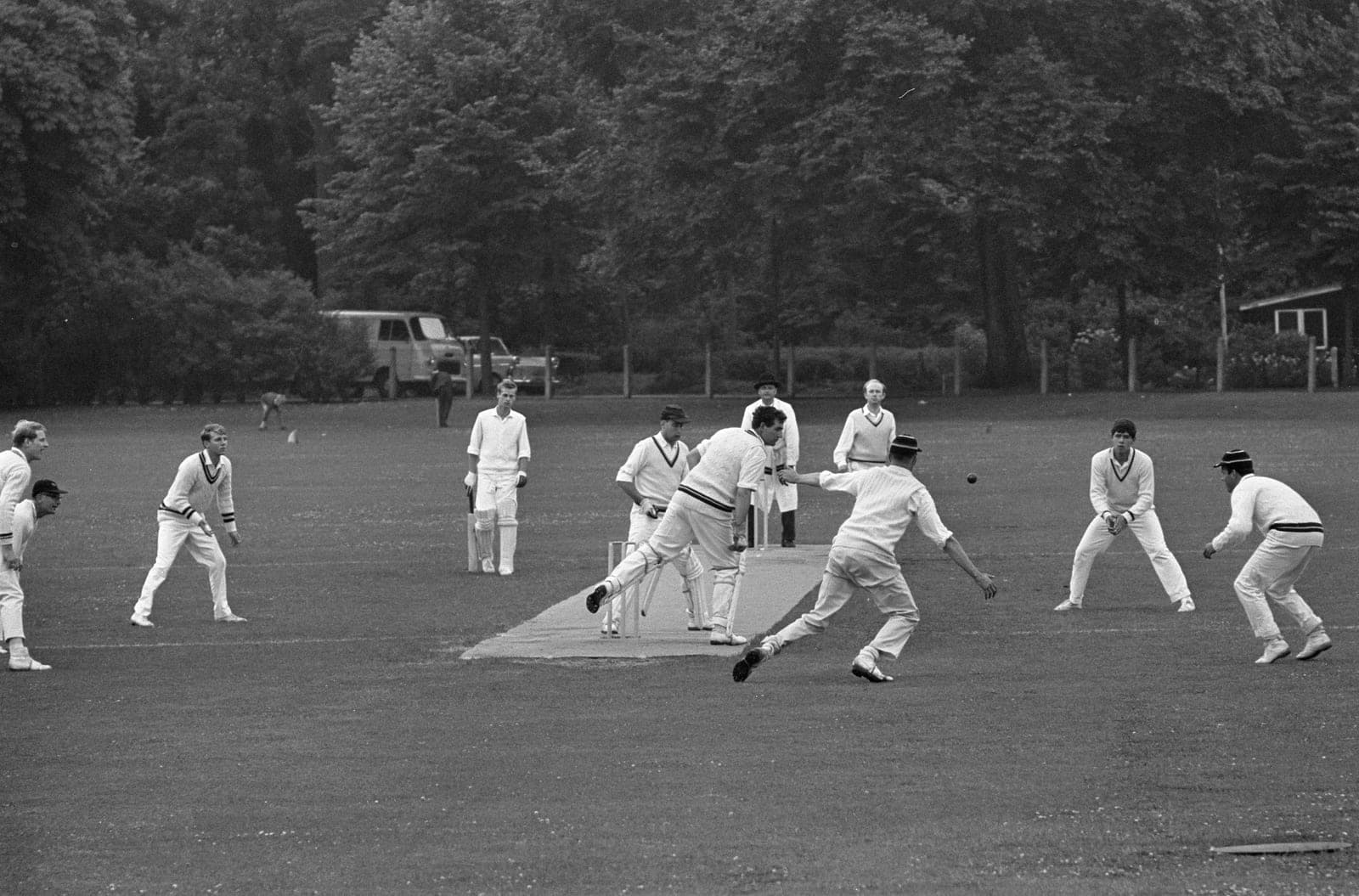
Cricket
A bat-and-ball team sport where sides take turns to bat and to bowl and field, scoring runs.
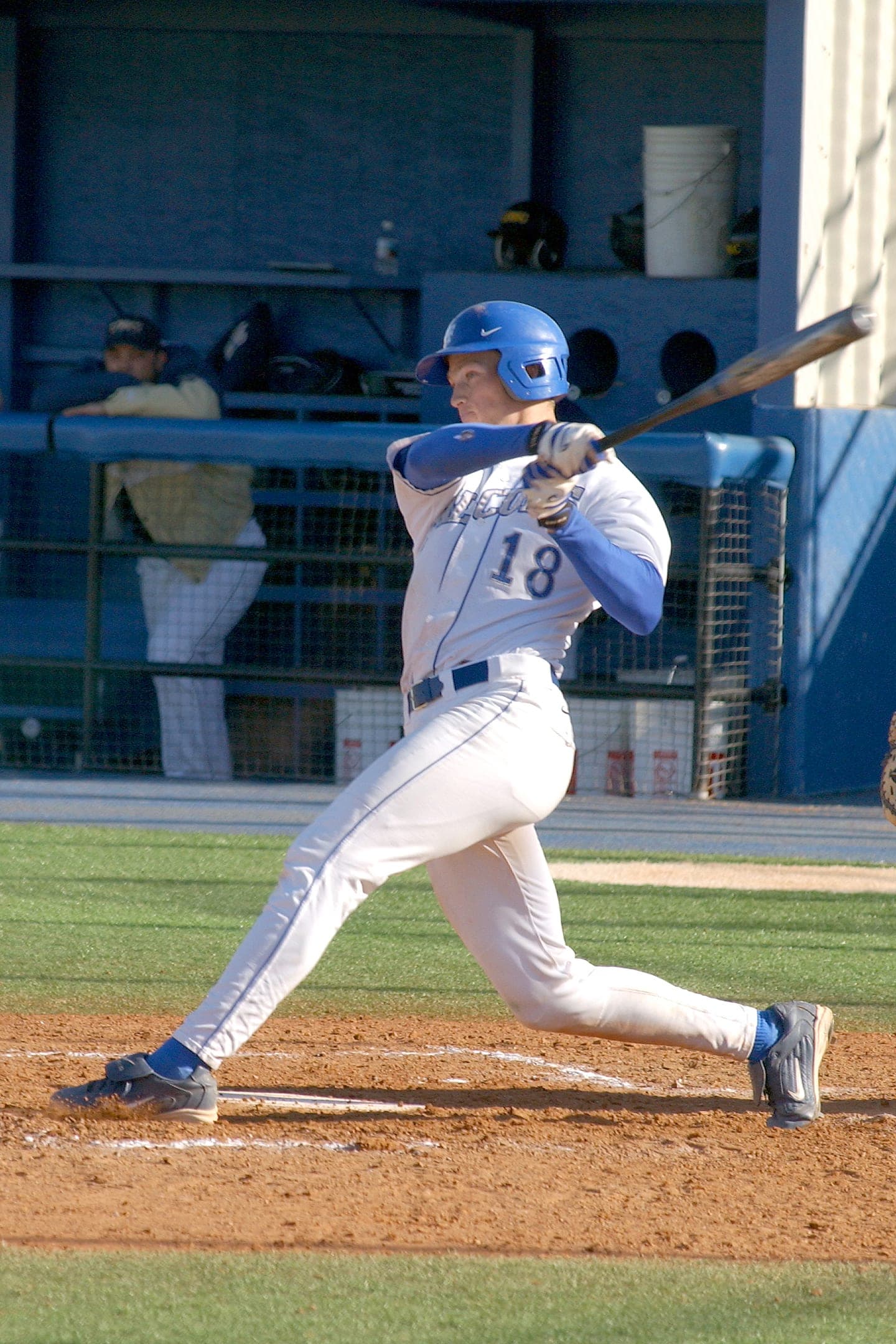
Baseball
A bat-and-ball team sport where two sides alternate between batting and fielding to score runs.

Boxing
A striking combat sport built on footwork, timing and conditioning, practised from fitness drills to controlled sparring.
Explore across the knowledge base
Follow the threads that connect Weight transfer to the rest of SocialSportHub.
Skills
Techniques
- Golf Full SwingThe complete rotational swing used for tee shots and longer approach shots, from setup through backswing to a balanced finish.
- Free ThrowAn unguarded basketball shot taken from the free-throw line, relying on a calm, repeatable routine rather than power.
- Standing ClimbA cycling technique for climbing out of the saddle, standing on the pedals to add power on steep gradients.
- Rugby union passingHow a rugby pass is actually made — the sideways swing that replaces a throw, why every pass must travel backwards, and what separates a spiral pass from a pop.
- VolleyA shot played near the net by blocking the ball out of the air before it bounces, using a short, firm punch rather than a full swing.
Movement patterns
- KickA ballistic single-support leg swing that whips force from the plant foot through the hip and knee to strike or propel a ball or target with the foot, distinct from the weight-bearing steps of locomotion.
- RotationRotating the trunk to generate and transfer power through the body's kinetic chain, plus anti-rotation — resisting unwanted twist to keep the trunk stable.
- ThrowPropelling an object by releasing it from the hand, driven by a proximal-to-distal kinetic-chain sequence that summates speed from the legs through the trunk and arm to the release point.
- StrikeA ballistic, whole-body hitting action that channels ground-generated force through a proximal-to-distal kinetic chain to deliver momentum to a target via the hand, an implement or a body part at the moment of contact.
- JumpThe plyometric pattern of projecting the body off the ground through explosive triple extension and controlling the landing — the core expression of lower-body power.
Sports science
- The kinetic chainThe idea that the body’s segments work as a linked chain, passing force from the ground up through the hips, trunk and limbs.
- Force and powerThe difference between how much force the body can produce and how quickly it can produce it — the mechanics behind strength and explosiveness.
- Recovery and adaptationThe idea that the body adapts during recovery, not during the effort itself — which is why rest is treated as part of training rather than a break from it.
Movement comparisons
- Strike vs ThrowStrike vs Throw: how these two movements differ, what they share, and how to tell them apart — from mechanics to the sports that use them.
- Kick vs StrikeKick vs Strike: how these two movements differ, what they share, and how to tell them apart — from mechanics to the sports that use them.
Go deeper with Weight transfer
Everywhere else on the platform that covers Weight transfer — assembled from what actually references it, so nothing here is a dead end.
Take it away
Open data and the whole-platform view of this subject.
How this page is maintained
- Content type
- Term
- Provenance
- Tier A — evergreen educational
- Verified external sources
- 0
- Content updated
- 2026-09-01
Evergreen, first-party explanation — it makes no claim that needs an external source. How we handle sources and reviews.