
Motor control
How the brain and nervous system organise the muscles to produce coordinated, controlled movement.
Overview
Motor control is concerned with how the nervous system coordinates the muscles to produce movement that is smooth, accurate and adapted to the moment. Even a simple action means organising many joints and muscles at once, and constantly adjusting to balance, surface and what the body senses — which is why control, and not just strength, is so central to skilled movement.
The body is often described as blending two kinds of control: pre-planned movements sent out in advance, and moment-to-moment corrections based on feedback from the senses, including proprioception — the sense of where the body is. Where motor learning is about how skills improve over time, motor control is about how a movement is organised and steered as it happens. Anything specific to an individual is best guided by a qualified coach or professional.
The science
- Motor control is how the nervous system organises the muscles into coordinated movement.
- Even simple actions mean managing many joints and muscles at the same time.
- Movement blends pre-planned commands with ongoing corrections from the senses.
- Proprioception — the sense of body position — is central to controlling movement.
- It helps explain coordination and balance as much as raw strength does.
From stimulus to movement
What actually happens inside a reaction
- 1
Stimulus
Something happens — a ball is struck, a starter fires, an opponent shifts their weight.
- 2
Detect
The senses pick the signal out of everything else going on.
- 3
Recognise
The signal is matched against what it resembles, which is where reading the game pays off.
- 4
Choose
A response is selected. More plausible options means a slower choice.
- 5
Initiate
The command is issued and the movement begins.
The three inputs to balance
Why balance is a sense, not a muscle
- 1
Vision
The eyes report where you are relative to the world around you.
- 2
Vestibular
The inner ear reports head position and acceleration.
- 3
Proprioception
Joints, muscles and skin report where your body parts are without looking.
- 4
Integrate
The three streams are combined, and the least reliable one at that moment counts for less.
- 5
Adjust
Small, continuous postural corrections keep you over your base of support.
Changing direction
The phases behind agility
- 1
Read
Pick up the cue that a change is needed — in a game, this is the part that is genuinely hard.
- 2
Decelerate
Absorb and control existing speed. You can only redirect momentum you have taken charge of.
- 3
Plant
Place a foot outside the line of travel and lower the centre of mass to push against.
- 4
Reorient
Turn the hips, trunk and eyes toward the new direction.
- 5
Re-accelerate
Drive out along the new line. Exit speed is what the whole sequence was for.
Why it matters
- It explains why coordination and balance, not just strength, shape skilled movement.
- It underpins why coaches cue posture, timing and control rather than effort alone.
- It connects to proprioception and the kinetic chain in producing smooth technique.
Educational only
Where it shows up
Sports where this concept is especially visible — each with a clear guide.
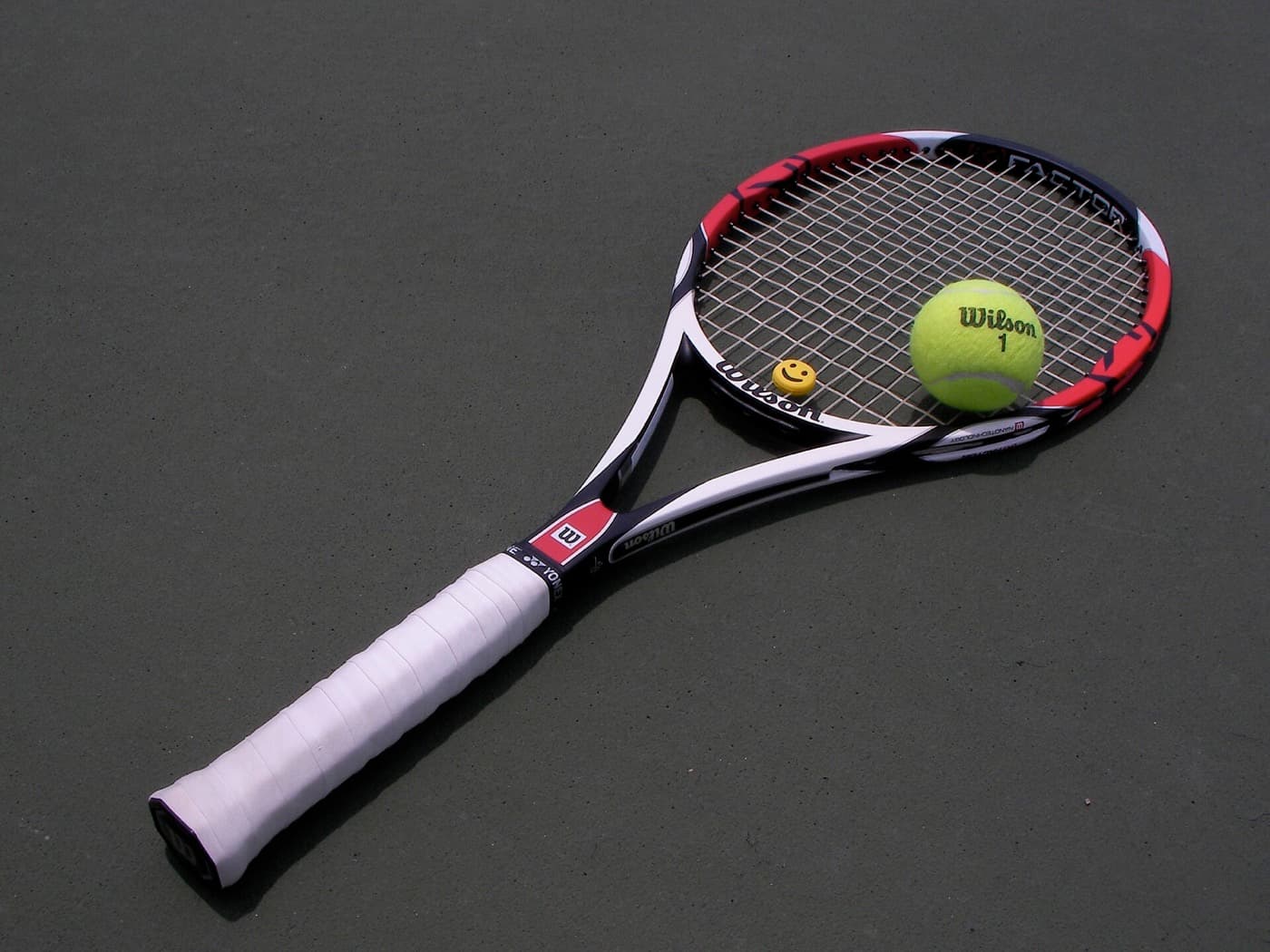
Tennis
A singles or doubles racquet sport that blends agility, strategy and stamina on court.

Running
The most accessible endurance sport — no venue, just shoes and the open road or trail.

Swimming
A full-body, low-impact endurance sport suitable for almost every age and ability.
Frequently asked questions
What is the difference between motor control and motor learning?
Motor control is about how the nervous system organises and steers a movement as it happens, while motor learning is about how skills improve over time with practice. The two work together, since better control tends to develop as a skill is learned. Anything specific to an individual is best guided by a qualified coach.
How it connects
The meaning-bearing relationships that place Motor control in the wider knowledge graph — each one with the reason it exists.
Explore across the knowledge base
Follow the threads that connect Motor control to the rest of SocialSportHub.
Movement patterns
- BackpedalControlled backward locomotion performed while facing forward, staying low and pushing off the balls of the feet in short strides to stay reactive and keep play in view.
- CatchReceiving a moving object and securing it under control, absorbing its momentum by yielding along its path so kinetic energy is dissipated rather than rebounded away.
- Crossover StepA lateral or diagonal travelling step in which one leg crosses over the other with accompanying hip and trunk rotation, trading a stable base for greater reach and speed.
- DecelerationThe athletic pattern of actively braking and absorbing momentum to slow or stop under control, producing eccentric forces that oppose the direction of travel.
- GlideGlide is continuous, low-resistance locomotion in which the body holds a streamlined shape so that momentum generated by a preceding propulsive action carries it smoothly across a surface or through a medium.
Coaching concepts
- Feedback and CueingFeedback from your senses, a coach, or video plus short instructional cues guide skill learning — including internal vs external focus of attention.
- Skill acquisitionHow a movement or sports skill is learned — progressing from conscious, effortful control to smooth, largely automatic execution through practice and feedback.
Knowledge Atlas
Skills
Training methods
- PlyometricsPlyometrics are jumping and bounding drills that train muscles to produce force quickly, developing power and springiness through explosive movement.
- Tempo TrainingTempo training holds a firm, controlled 'comfortably hard' pace for a sustained stretch, teaching the body to sustain effort without tipping into a sprint.
Exercises
- LungeA single-leg movement where you step forward and bend both knees to lower your body.
- SquatA foundational lower-body movement where you bend at the hips and knees to lower down and stand back up.
- Goblet squatA squat variation where you hold a single weight close to your chest for balance and control.
Go deeper with Motor control
Everywhere else on the platform that covers Motor control — assembled from what actually references it, so nothing here is a dead end.
Question it
Research topics that name this entity among their connections.
Take it away
Open data and the whole-platform view of this subject.
How this page is maintained
- Content type
- Sports science concept
- Provenance
- Tier A — evergreen educational
- Verified external sources
- 0
- Content updated
- 2026-07-09
Evergreen, first-party explanation — it makes no claim that needs an external source. How we handle sources and reviews.