
Overview
A throw accelerates an object and releases it, transferring momentum built by a proximal-to-distal sequence up the kinetic chain. Force originates at the ground: the legs drive, the hips rotate, the trunk rotates and the shoulders follow, then the elbow extends and the wrist and fingers snap last. Each segment accelerates and then decelerates in turn so that speed summates and peaks at the hand at the instant of release — the summation-of-speed principle. A wind-up or cocking phase pre-stretches the trunk and shoulder musculature through the stretch-shortening cycle, storing elastic energy that is returned during acceleration, and the whip-like lag of distal segments behind proximal ones multiplies end-point velocity far beyond what any single segment could produce. This is why timing and sequencing, not raw strength alone, govern release speed. The release parameters — angle, height, velocity and spin — set the object's trajectory, so a throw is effectively aimed through the moment of release; the follow-through then decelerates the arm over a longer distance after the object has already left the hand. Once initiated the action is largely ballistic and feed-forward, refined over time through motor learning.
Because the shared engine is proximal-to-distal summation ending in release, the pattern adapts to the object and the goal. A baseball throw or the bowling action in cricket, with its own straight-arm constraint, prioritises velocity and accuracy, while a javelin throw or a shot put favours distance with a different segment emphasis and, in the put, a more push-like linear release. A basketball chest pass or jump shot is a two-armed release that still sequences legs to fingers, and a quarterback's pass emphasises a quick, accurate release under pressure. Handball and water-polo throws adapt the pattern to an unstable or aquatic base, and a dart or bowls delivery trades velocity for precision. Throw-like arm actions also underpin striking skills such as the tennis serve and volleyball spike, where the arm throws but a racket or hand strikes the ball rather than releasing it. The mechanics rhyme across all of these, but the object, the arm path — overarm, sidearm, underarm or two-handed — and whether distance, velocity or precision dominates all vary.
What defines it
- Proximal-to-distal sequencing: segments fire ground-up from legs to hips to trunk to shoulder to elbow to wrist, each accelerating then decelerating so speed summates at release.
- Stretch-shortening in the wind-up: a cocking and loading phase pre-stretches trunk and shoulder tissue, storing elastic energy that is added to the acceleration phase.
- Whip-like distal lag: distal segments trail proximal ones, and their delayed release multiplies end-point velocity beyond what any single segment produces on its own.
- Release parameters govern the outcome: the angle, height, velocity, spin and timing of release set the object's trajectory, so the throw is aimed through release rather than through follow-through.
- Ballistic execution with follow-through: once launched the movement runs largely feed-forward, and the follow-through decelerates the limb over distance after the object has gone.
How it differs from nearby movements
Movements that look similar but are not the same thing.
- Not the same as strike
- In a throw the object is held and then released from the hand; in a strike the object is impacted by a body part or implement and is never held by the acting limb. The defining line is object released versus object struck — a tennis serve throws the arm but strikes the ball, whereas a shot put releases the object.
- Not the same as catch
- A throw and a catch are opposite phases of the same object exchange: a throw accelerates and releases an outgoing object, while a catch decelerates and secures an incoming one.
- Not the same as push
- A pure push, such as a shot-put put or a two-handed chest pass, keeps the object in contact through a mostly linear extension, whereas a throw ends in a whippy distal release; many throwing skills blend the two, but the throw is characterised by the accelerated release rather than sustained contact.
A note on this information
Exercises that train the throw
Movements built on this pattern — educational examples, not a prescription.
Kettlebell swing
A dynamic hinge where you swing a kettlebell to shoulder height using a snap of the hips.
Russian twist
A rotational core exercise where you twist your torso from side to side while seated and leaning back.
Overhead press
A standing press that drives a weight from the shoulders to overhead until the arms lock out.
Jump squat
An explosive squat variation where you spring off the floor at the top of the movement.
Sports skills that express it
The learnable skills of a sport that this movement underlies.
Throwing
The skill of propelling the ball accurately and with control using the arm.
Passing
The skill of moving the ball to a teammate accurately to keep possession and create chances.
Shooting
The skill of striking or releasing the ball toward the goal or basket to score.
Serving
The skill of putting the ball or shuttle into play to start a point or rally.
Spiking
The volleyball skill of jumping and striking the ball forcefully down into the opponent’s court.
Sports techniques that use it
How the movement shows up in the specific techniques of a sport.
Chest Pass
A two-handed pass thrown directly from chest height in a straight line to a teammate, the most basic pass in basketball and netball.
Tennis Serve
The overhead stroke that starts every point, hit from behind the baseline into the diagonally opposite service box.
Jump Shot
A basketball shot released at the top of a vertical jump, letting the shooter get the ball over a defender with a soft, arcing release.
Free Throw
An unguarded basketball shot taken from the free-throw line, relying on a calm, repeatable routine rather than power.
Volleyball Spike
A powerful attacking hit that drives the ball sharply downward over the net into the opponent's court, usually after an approach and jump.
The science and how it’s learned
The concepts that explain this movement and help in learning it.
Sports that rely on it
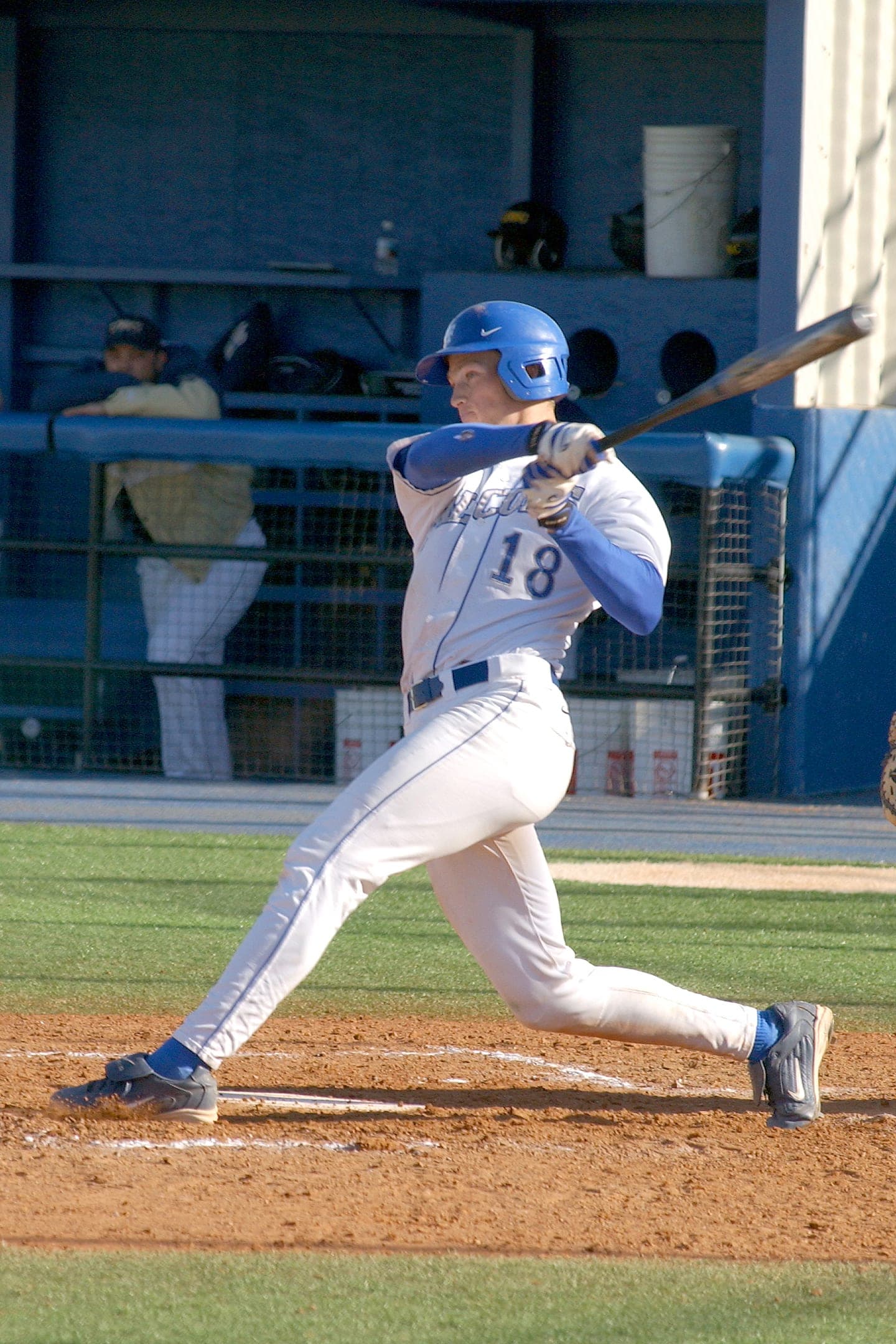
Baseball
A bat-and-ball team sport where two sides alternate between batting and fielding to score runs.
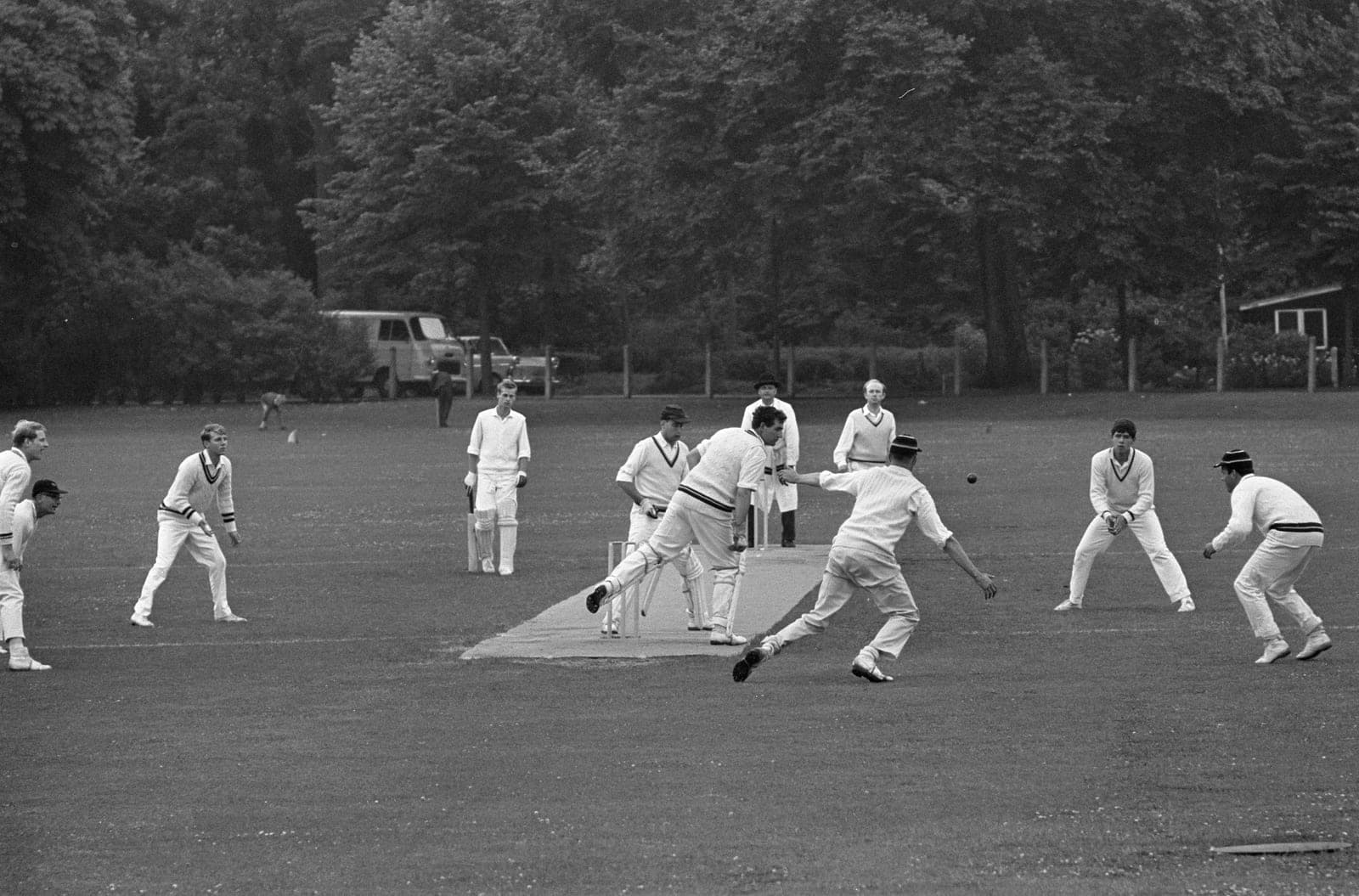
Cricket
A bat-and-ball team sport where sides take turns to bat and to bowl and field, scoring runs.
American Football
A strategic, position-based team sport of set plays, sprinting and coordinated teamwork on a marked field.
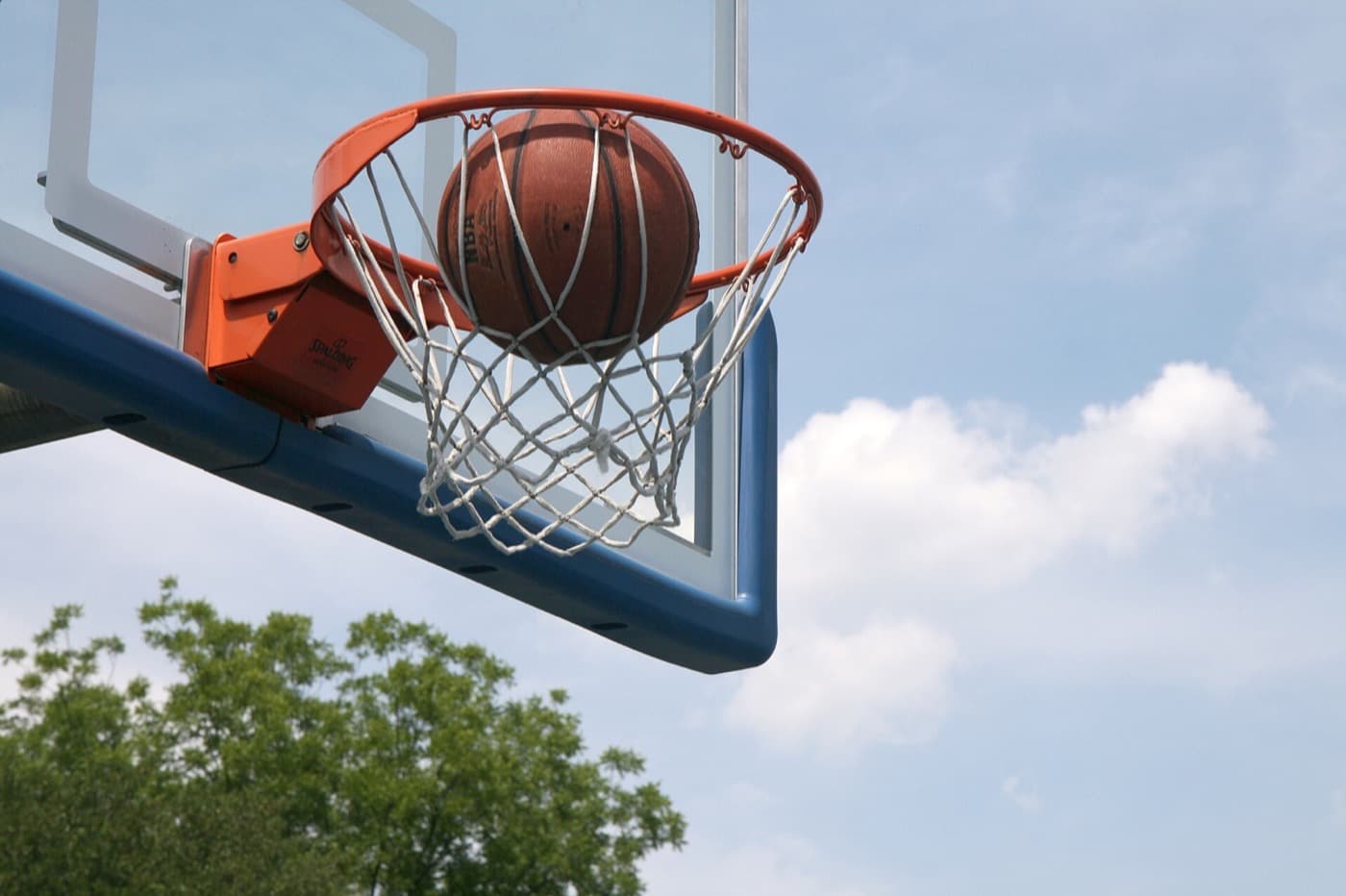
Basketball
A fast, dynamic team sport of running, jumping and quick decisions on court.
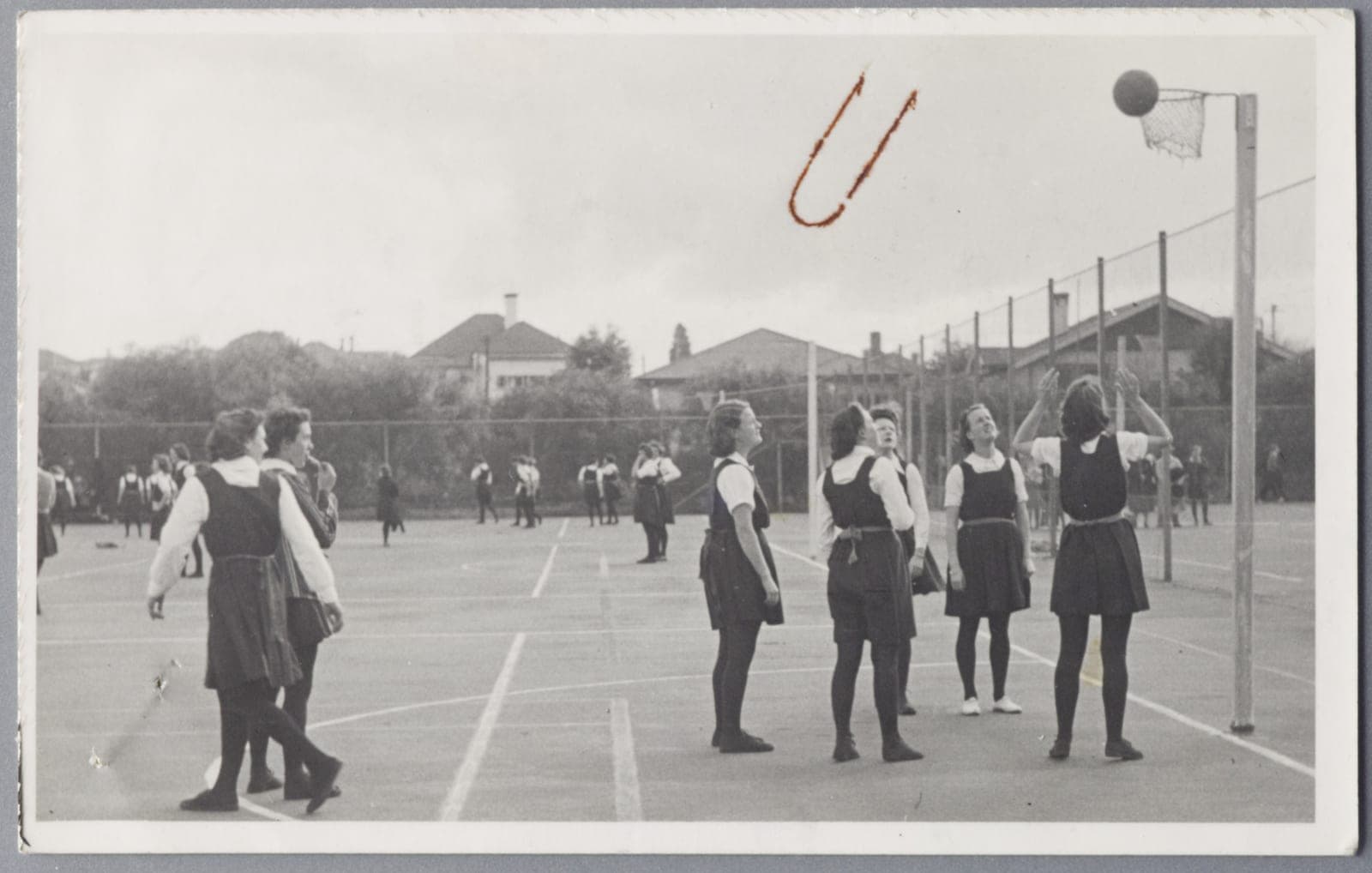
Netball
A non-contact, position-based team sport of quick passing and accurate shooting.
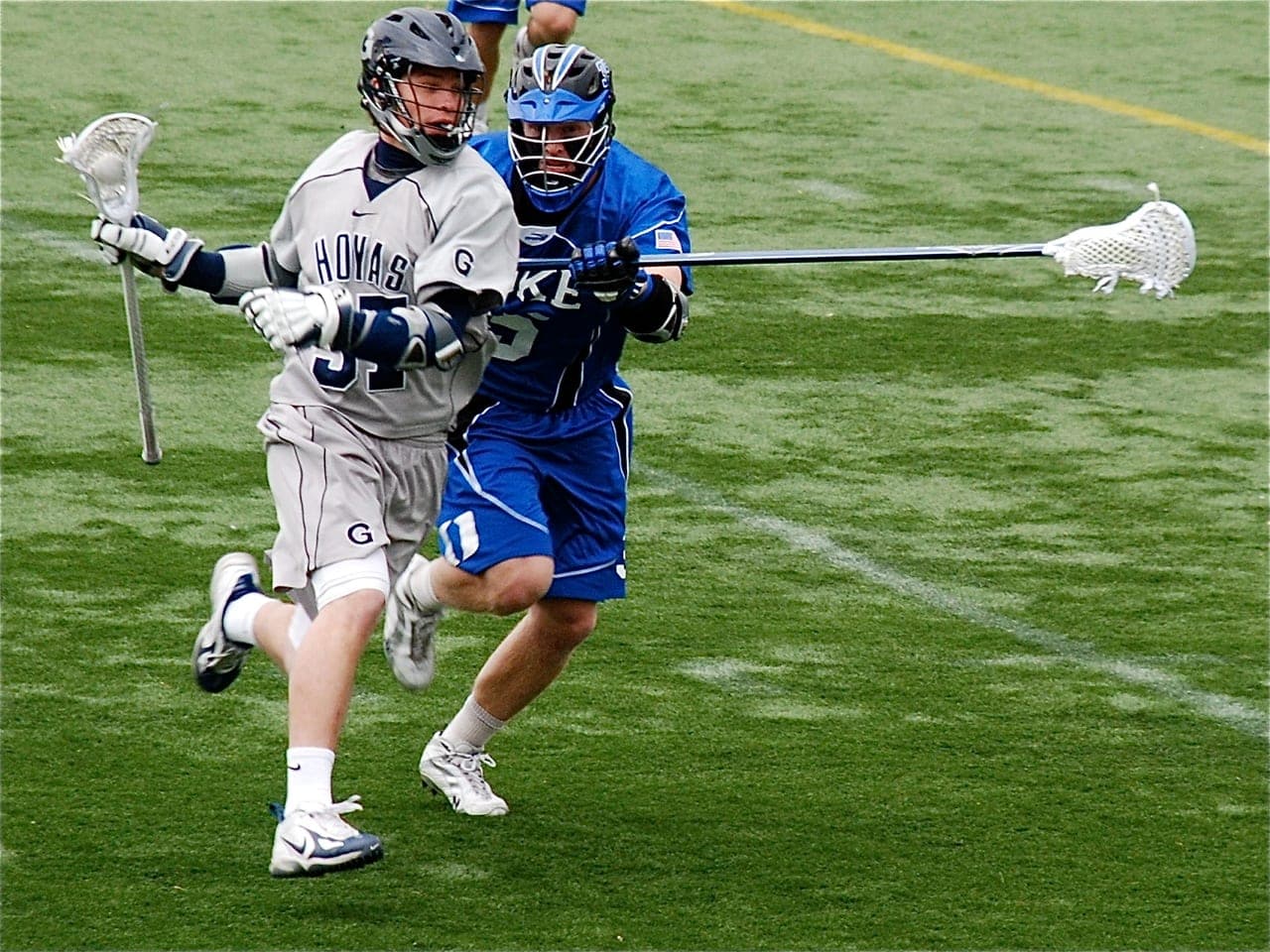
Lacrosse
A fast, stick-and-ball team sport of catching, cradling and shooting a small ball toward a goal.
Compare throw with…
Movements it is often confused with — see exactly how they differ.
How it connects
The meaning-bearing relationships that place Throw in the wider knowledge graph — each one with the reason it exists.
Builds on
Understanding these first makes this one make sense.
Commonly confused with
Close enough to be mixed up — the distinction is worth knowing.
Explore across the knowledge base
Follow the threads that connect Throw to the rest of SocialSportHub.
Movement comparisons
- Catch vs ThrowCatch vs Throw: how these two movements differ, what they share, and how to tell them apart — from mechanics to the sports that use them.
- Push vs ThrowPush vs Throw: how these two movements differ, what they share, and how to tell them apart — from mechanics to the sports that use them.
- Strike vs ThrowStrike vs Throw: how these two movements differ, what they share, and how to tell them apart — from mechanics to the sports that use them.
- Kick vs StrikeKick vs Strike: how these two movements differ, what they share, and how to tell them apart — from mechanics to the sports that use them.
- Push vs StrikePush vs Strike: how these two movements differ, what they share, and how to tell them apart — from mechanics to the sports that use them.
Skills
- ThrowingThe skill of propelling the ball accurately and with control using the arm.
- PassingThe skill of moving the ball to a teammate accurately to keep possession and create chances.
- ShootingThe skill of striking or releasing the ball toward the goal or basket to score.
- ServingThe skill of putting the ball or shuttle into play to start a point or rally.
- SpikingThe volleyball skill of jumping and striking the ball forcefully down into the opponent’s court.
Sports science
- The kinetic chainThe idea that the body’s segments work as a linked chain, passing force from the ground up through the hips, trunk and limbs.
- Force and powerThe difference between how much force the body can produce and how quickly it can produce it — the mechanics behind strength and explosiveness.
- BiomechanicsThe study of how the body produces and controls movement — the mechanics behind every technique in sport.
- Motor learningThe process by which practice and experience produce lasting improvements in how well a movement skill can be performed.
- Motor controlHow the brain and nervous system organise the muscles to produce coordinated, controlled movement.
Training methods
- PlyometricsPlyometrics are jumping and bounding drills that train muscles to produce force quickly, developing power and springiness through explosive movement.
- Strength TrainingStrength training uses resistance — bodyweight, bands or weights — to challenge your muscles so they gradually adapt and get stronger over time.
- Progressive OverloadProgressive overload is the principle of gradually increasing the demand you place on your body so it keeps adapting and improving over time.
Coaching concepts
- Deliberate PracticeFocused, effortful practice that targets a specific weakness with full attention and immediate feedback — not just repeating what you already do well.
- Repetition QualityThe attention and intent behind each repetition matter more than raw volume — focused, well-executed reps build skill faster than mindless numbers.
- Feedback and CueingFeedback from your senses, a coach, or video plus short instructional cues guide skill learning — including internal vs external focus of attention.
- Skill acquisitionHow a movement or sports skill is learned — progressing from conscious, effortful control to smooth, largely automatic execution through practice and feedback.
Go deeper with Throw
Everywhere else on the platform that covers Throw — assembled from what actually references it, so nothing here is a dead end.
Question it
Research topics that name this entity among their connections.
Take it away
Open data and the whole-platform view of this subject.
How this page is maintained
- Content type
- Movement pattern
- Provenance
- Tier A — evergreen educational
- Verified external sources
- 0
- Content updated
- 2026-07-13
Evergreen, first-party explanation — it makes no claim that needs an external source. How we handle sources and reviews.