
Stance
The set position of the feet and body a player adopts before or during a skill, providing balance and readiness to move or strike.
Definition
A stance is how a player sets their feet, weight, and posture as a platform for the next action. A balanced athletic stance — feet about shoulder-width, knees flexed, weight forward on the balls of the feet — recurs across sports as a ready position. Specific stances are named and specialised: the orthodox and southpaw boxing stances, open, closed, and square batting stances, the golf address, and the open, semi-open, closed, and neutral tennis stances for groundstrokes.
Stance choice trades stability against mobility and shapes which shots are available: an open stance in tennis aids quick topspin and recovery on the forehand, while a neutral or closed stance favours weight transfer through the ball. Because it precedes the movement, a poor stance limits every action that follows, so it is a first building block in technique.
Meaning by sport
This term is used differently across sports:
- Tennis
- Open, semi-open, closed, or neutral foot alignment for groundstrokes, trading power for recovery.
- Boxing
- Orthodox or southpaw foot-and-hand alignment for balance, defence, and punching.
- Baseball
- The batter's open, closed, or square set-up in the box.
Where you’ll hear “stance”
Sports that use this term:
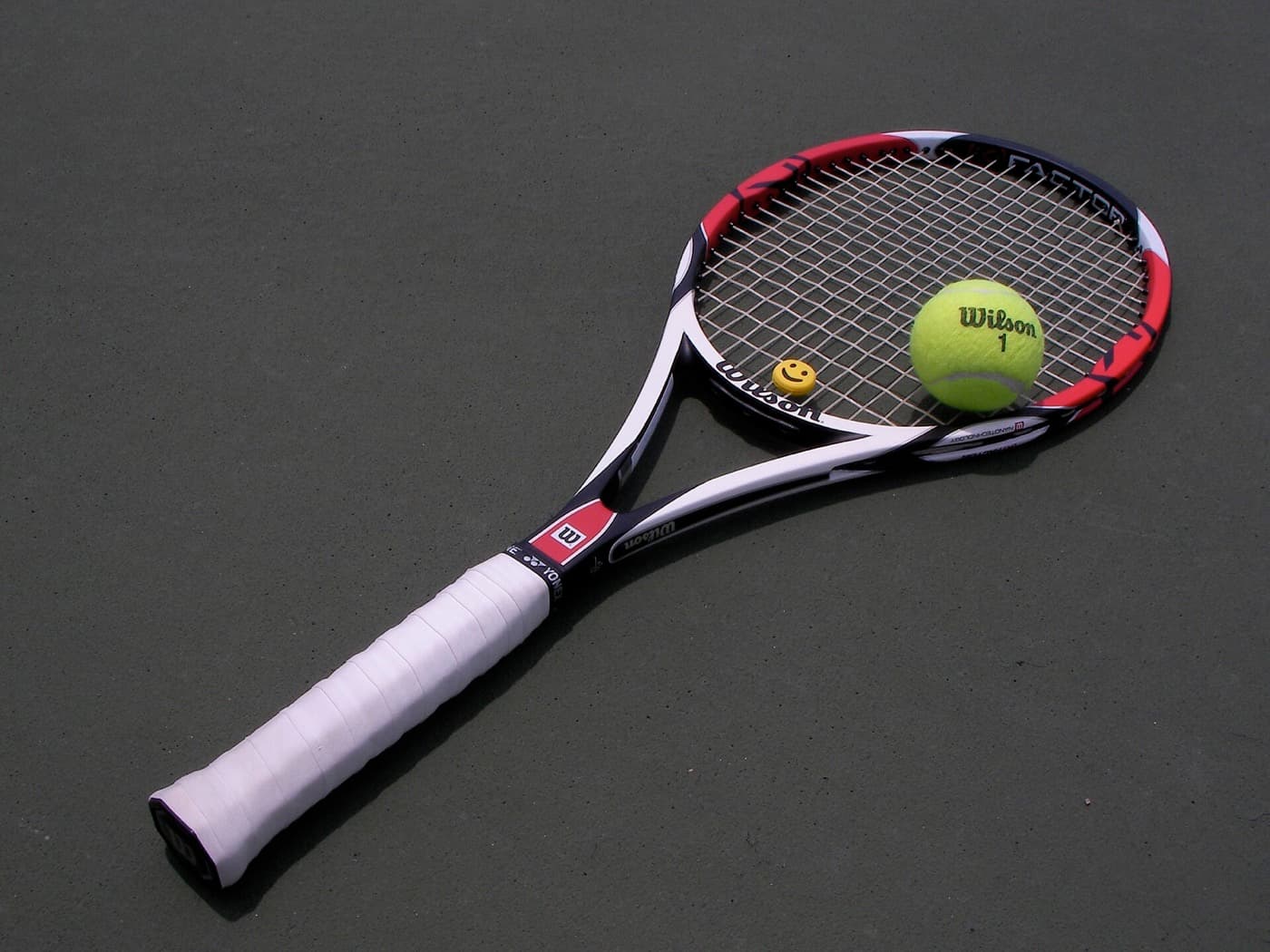
Tennis
A singles or doubles racquet sport that blends agility, strategy and stamina on court.
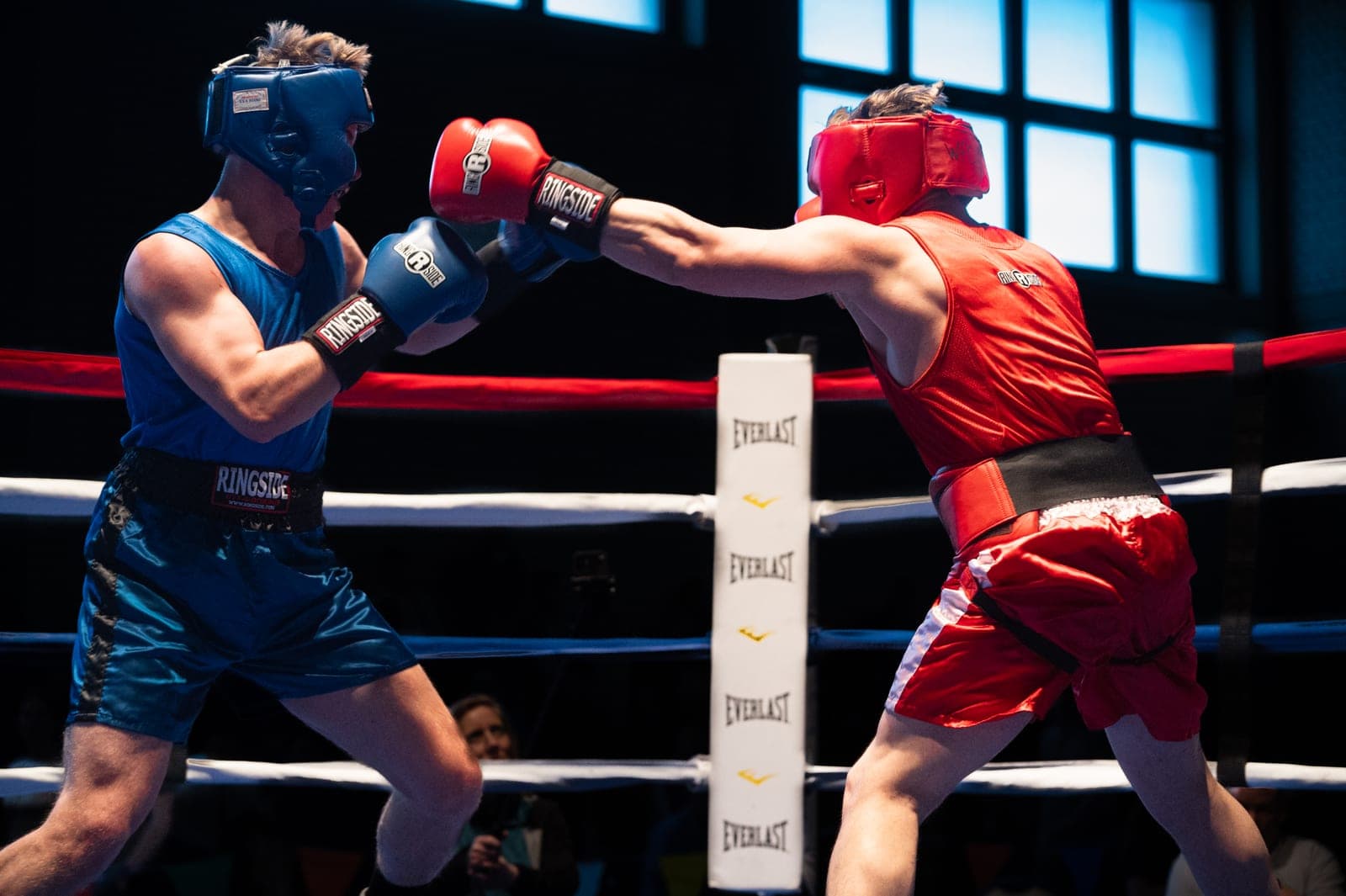
Boxing
A striking combat sport built on footwork, timing and conditioning, practised from fitness drills to controlled sparring.
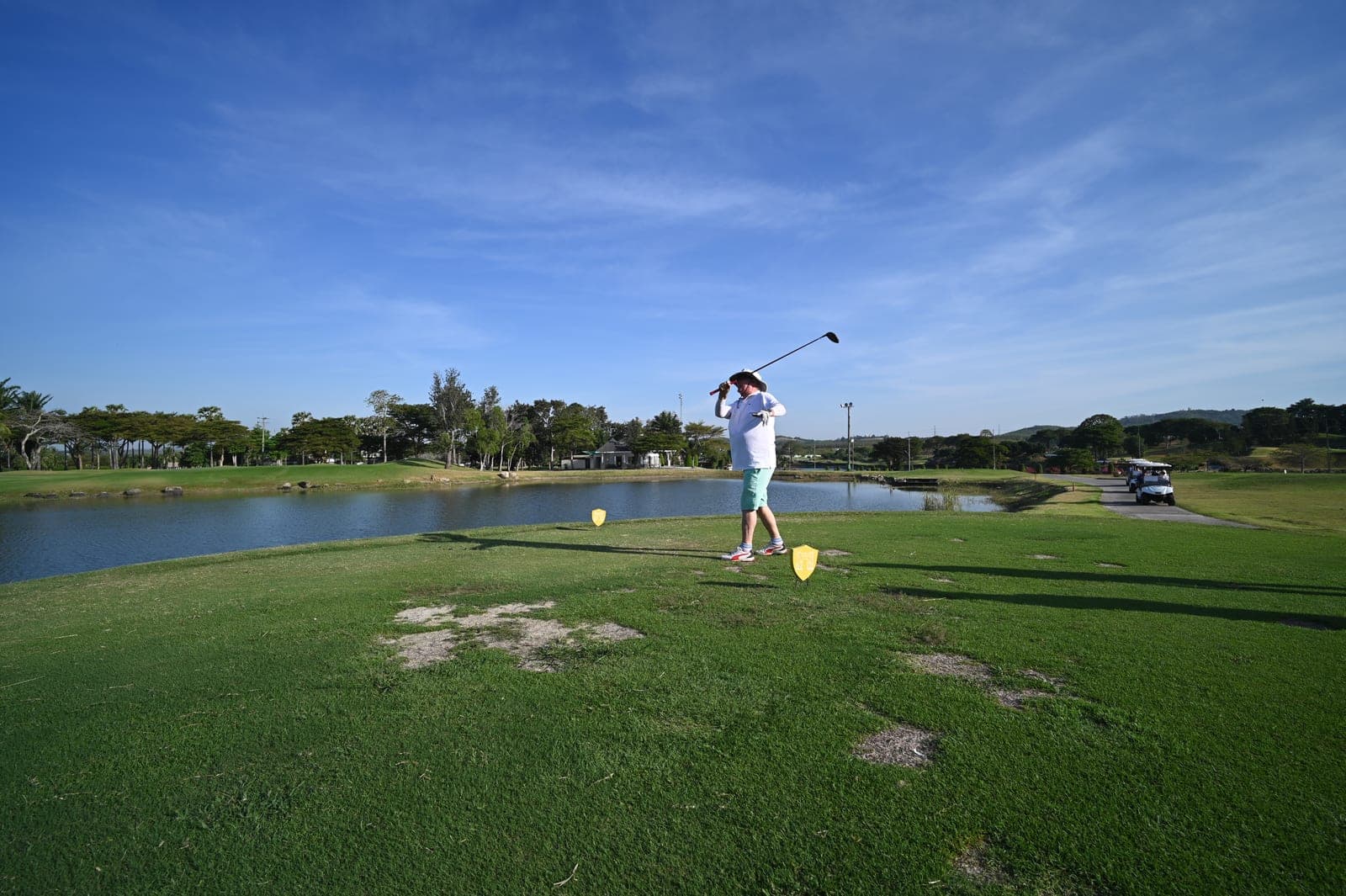
Golf
A precision target sport played across an outdoor course, blending skill, strategy and a long walk in the open air.
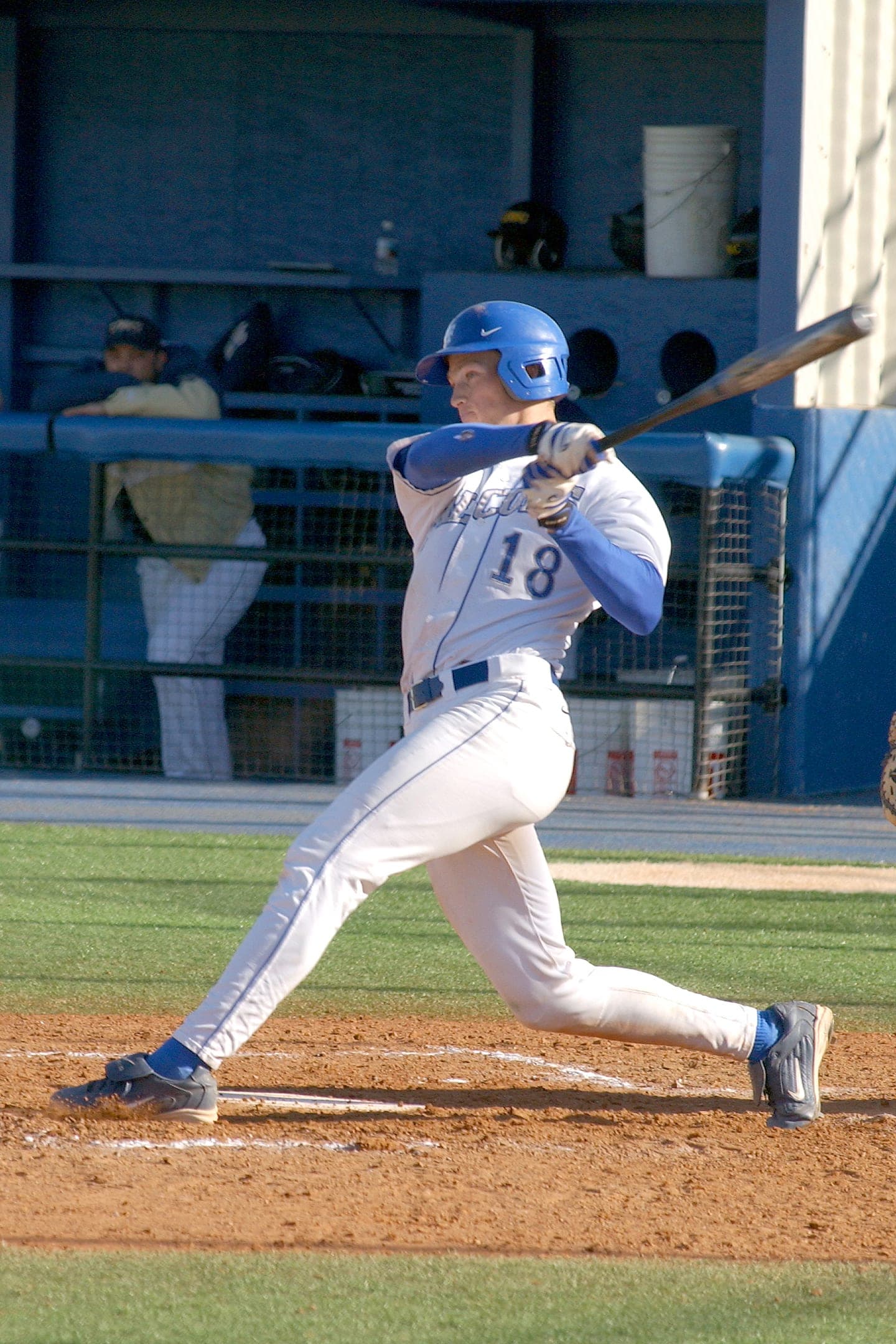
Baseball
A bat-and-ball team sport where two sides alternate between batting and fielding to score runs.

Football
The world’s most popular team sport — endless running, teamwork and community in one game.
Explore across the knowledge base
Follow the threads that connect Stance to the rest of SocialSportHub.
Skills
Techniques
- Golf Full SwingThe complete rotational swing used for tee shots and longer approach shots, from setup through backswing to a balanced finish.
- Putting StrokeThe short, quiet stroke used on the green to start the ball rolling on a chosen line at a chosen pace.
- Bunker ShotThe greenside sand shot where the club enters the sand behind the ball and lifts it out on a cushion of sand.
- Cricket batting grip and stanceThe starting position every cricket stroke is built from — how the hands sit on the handle, how the feet and head are set, and what the setup decides before the ball is even bowled.
- StickhandlingHow a hockey player carries and protects the puck at speed — why the hands work independently of the feet, the role of soft hands, and how body position beats stick skill.
Rules
- The padel servePadel's underarm serve, set out exactly — the bounce before the strike, the waist-height limit, where the server's feet must be, and the wire-mesh fault that has no tennis equivalent.
- Touching the netA net-play rule that penalises a player for contacting the net during a rally in net-divided sports.
Knowledge Atlas
Skills Academy
Go deeper with Stance
Everywhere else on the platform that covers Stance — assembled from what actually references it, so nothing here is a dead end.
Take it away
Open data and the whole-platform view of this subject.
How this page is maintained
- Content type
- Term
- Provenance
- Tier A — evergreen educational
- Verified external sources
- 0
- Content updated
- 2026-09-01
Evergreen, first-party explanation — it makes no claim that needs an external source. How we handle sources and reviews.