
Wheelchair Sport
Any sport played from a sports wheelchair, such as wheelchair basketball, rugby, or tennis.
Definition
Wheelchair sport covers the many disciplines contested by athletes seated in a purpose-built sports wheelchair, including wheelchair basketball, rugby, tennis, and racing. These chairs are engineered for the sport rather than daily use, with cambered wheels for stability and quick turns, and often anti-tip or bumper features tailored to contact games.
The playing rules are usually adapted from the running game with sport-specific additions, for example the way pushing and dribbling combine in wheelchair basketball or the two-bounce rule in wheelchair tennis. Many wheelchair sports welcome a range of participants, and some are played by disabled and non-disabled athletes together, making them a common entry point into inclusive competition.
Where you’ll hear “wheelchair sport”
Sports that use this term:

Basketball
A fast, dynamic team sport of running, jumping and quick decisions on court.
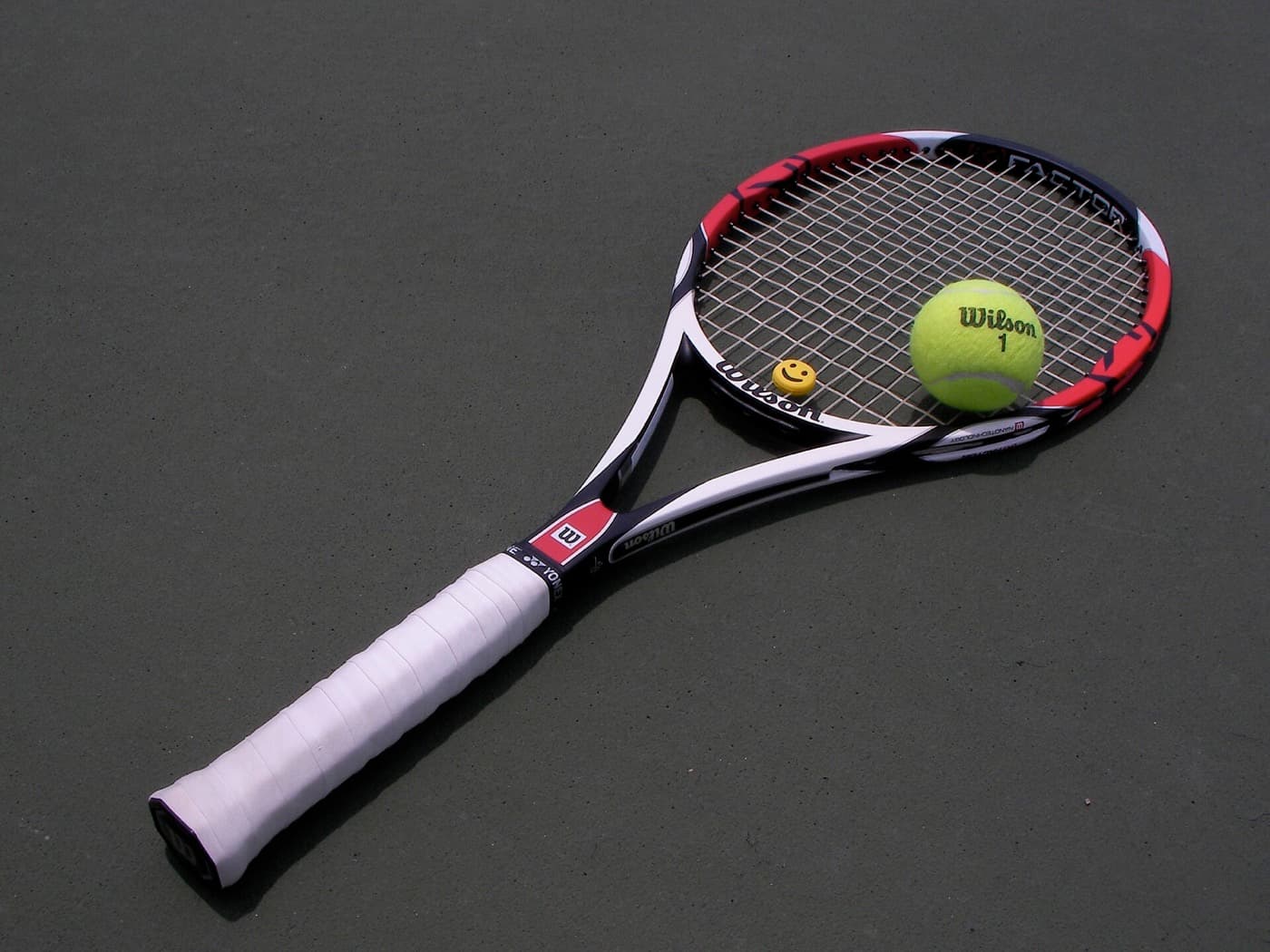
Tennis
A singles or doubles racquet sport that blends agility, strategy and stamina on court.
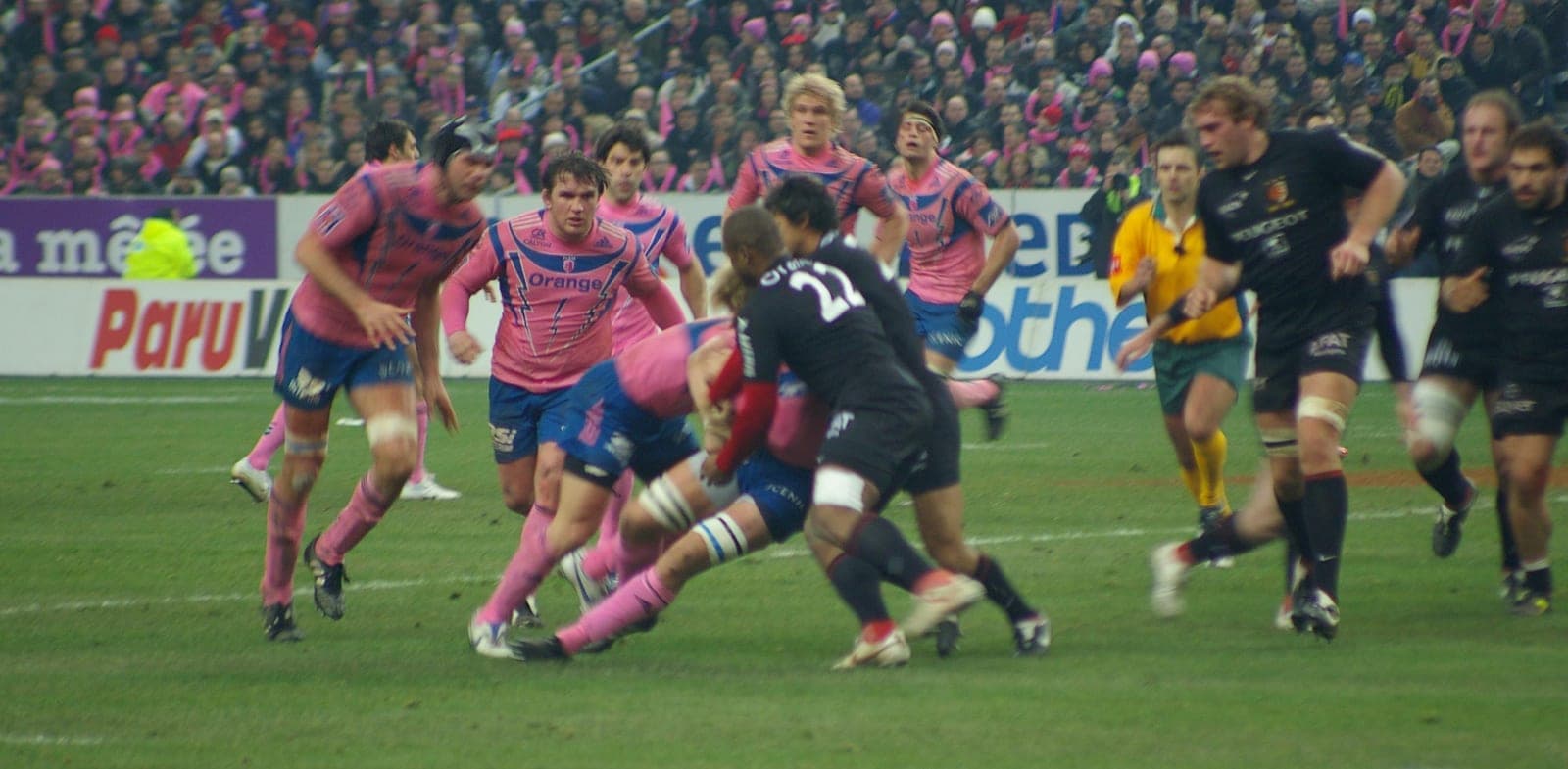
Rugby
A physical team sport of carrying, passing and kicking an oval ball toward the opposing line.
Explore across the knowledge base
Follow the threads that connect Wheelchair Sport to the rest of SocialSportHub.
Adaptive sports
- Wheelchair SportsSports played from a wheelchair — often a specialised sports chair — so that wheelchair users can take part, train and compete.
- Ambulant Para SportsPara sports for athletes who compete standing or on foot — walking or running — rather than from a wheelchair or seated position.
- Adaptive equipmentPurpose-built or adjusted gear — from sport wheelchairs to sound-adapted balls — that helps make a sport accessible to play.
- Inclusive facilitiesSports venues designed or adapted so that disabled and non-disabled people can arrive, take part and feel welcome on equal terms.
Goals
Learning paths
Go deeper with Wheelchair Sport
Everywhere else on the platform that covers Wheelchair Sport — assembled from what actually references it, so nothing here is a dead end.
Take it away
Open data and the whole-platform view of this subject.
How this page is maintained
- Content type
- Term
- Provenance
- Tier A — evergreen educational
- Verified external sources
- 0
- Content updated
- 2026-09-01
Evergreen, first-party explanation — it makes no claim that needs an external source. How we handle sources and reviews.