
Para Sport
Competitive sport organised for athletes with a physical, visual, or intellectual impairment.
Definition
Para sport is the umbrella label for organised, competitive sport designed for athletes who have an eligible impairment, spanning disciplines from athletics and swimming to cycling, wheelchair basketball, and many others. The "para" prefix indicates that the sport runs in parallel to non-disabled competition, often using the same core rules with defined adaptations rather than a separate or lesser version of the game.
Most para sports pair competition with a classification process so that athletes compete against others with a comparable degree of activity limitation, keeping results a measure of skill, training, and tactics. The scope of para sport is broad and continues to expand, and terminology is best kept respectful and person-first, describing athletes by their sport and achievements rather than by their impairment.
Where you’ll hear “para sport”
Sports that use this term:
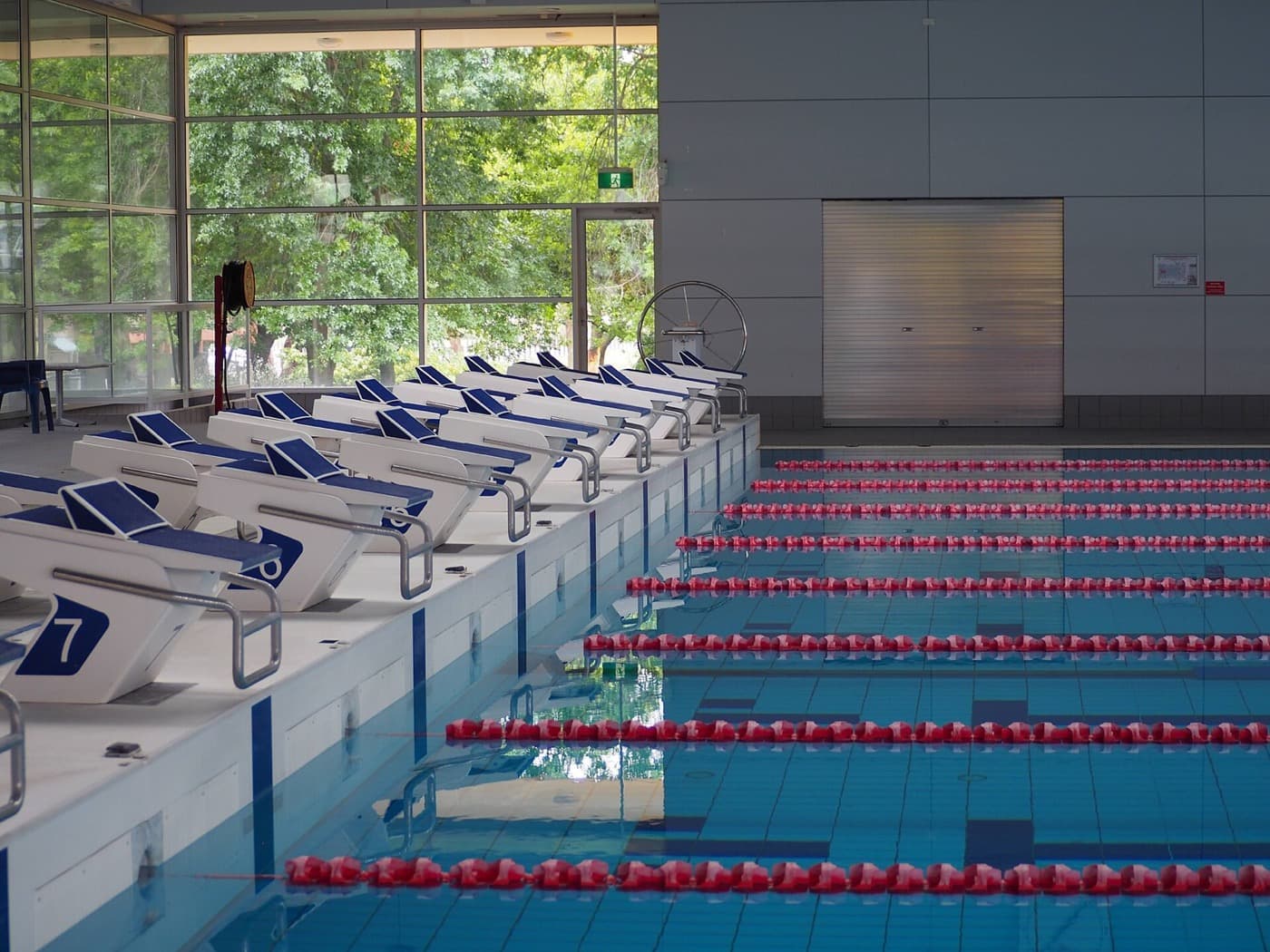
Swimming
A full-body, low-impact endurance sport suitable for almost every age and ability.
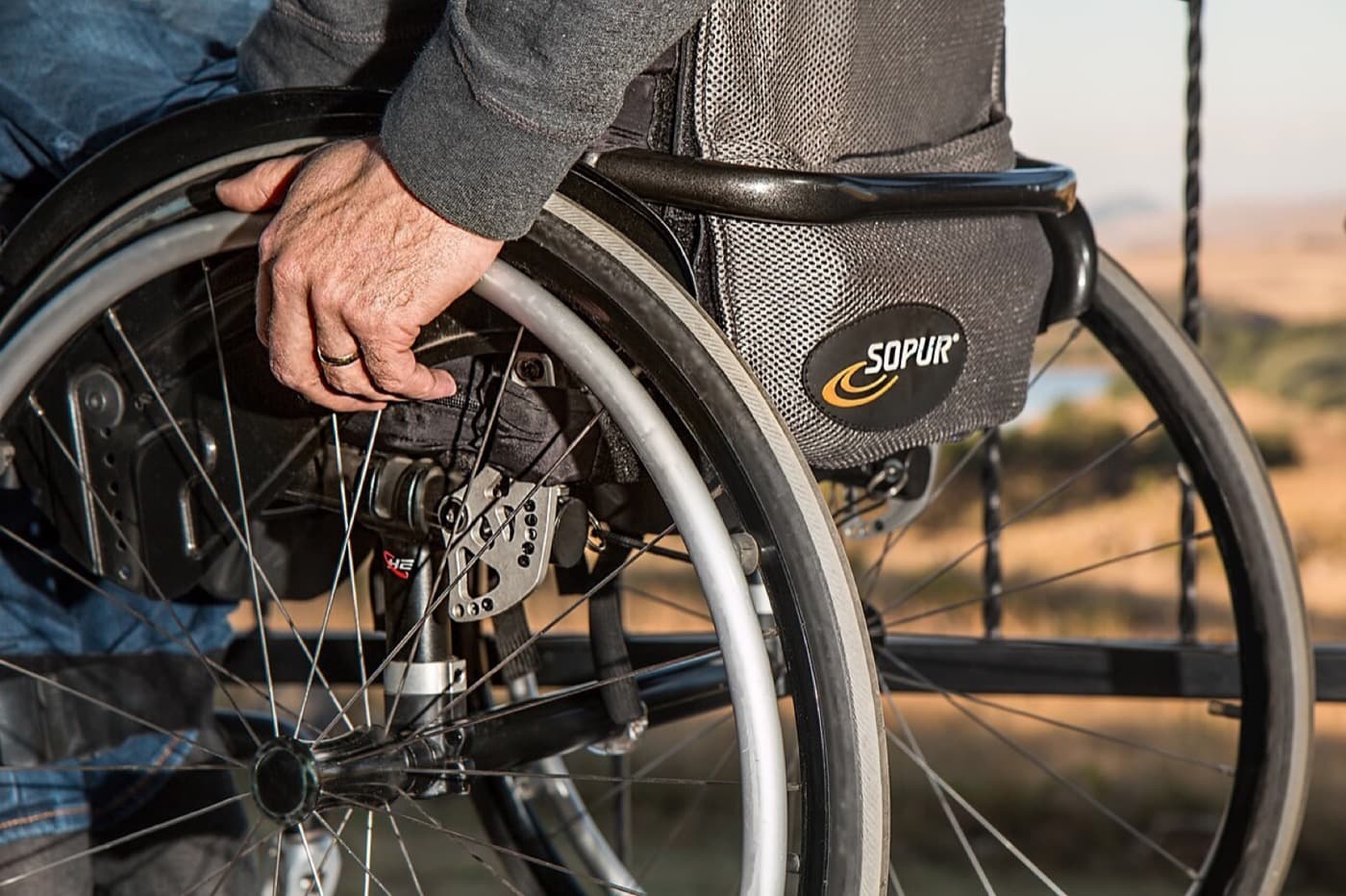
Cycling
A low-impact endurance sport that doubles as transport, exercise and adventure.
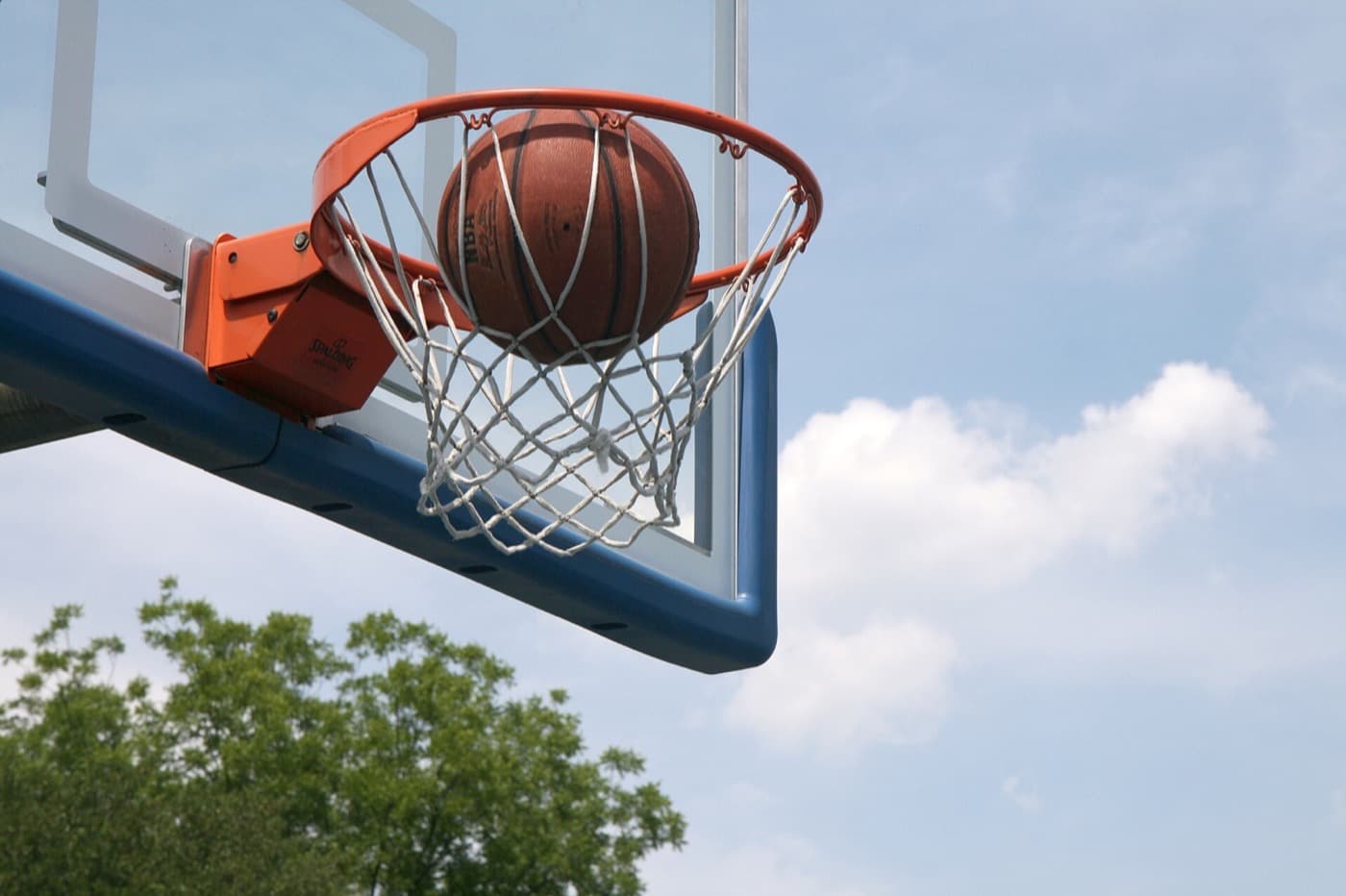
Basketball
A fast, dynamic team sport of running, jumping and quick decisions on court.

Running
The most accessible endurance sport — no venue, just shoes and the open road or trail.
Explore across the knowledge base
Follow the threads that connect Para Sport to the rest of SocialSportHub.
Adaptive sports
- Para sportsThe competitive branch of adaptive sport, where athletes with disabilities train and compete, often within organised classification systems.
- Adaptive competitionsOrganised events where athletes with disabilities compete, from local grassroots fixtures up to major international championships.
- Classification in para sportThe system used in para sport to group athletes so that competition is fair — decided by how much an impairment affects a specific sport.
- Adaptive coachingCoaching that adjusts how it teaches — communication, planning and pace — so that people with a disability can learn, improve and enjoy a sport.
- Ambulant Para SportsPara sports for athletes who compete standing or on foot — walking or running — rather than from a wheelchair or seated position.
Knowledge Atlas
Go deeper with Para Sport
Everywhere else on the platform that covers Para Sport — assembled from what actually references it, so nothing here is a dead end.
Take it away
Open data and the whole-platform view of this subject.
How this page is maintained
- Content type
- Term
- Provenance
- Tier A — evergreen educational
- Verified external sources
- 0
- Content updated
- 2026-09-01
Evergreen, first-party explanation — it makes no claim that needs an external source. How we handle sources and reviews.