
Set-Piece Specialist
A player a team relies on to take or defend dead-ball restarts — free-kicks, corners, penalties, and serves — with practiced accuracy and composure.
Overview
A set piece — also called a dead-ball situation — is any moment when play restarts from a stationary ball or a fixed, uncontested position rather than in the flow of open play. A set-piece specialist is the player a team trusts to carry out these moments: the free-kick, corner, penalty, throw-in, or serve. Because the ball is still and the situation is known in advance, the specialist has a rare chance to set up a rehearsed, repeatable action, so teams value players who can deliver the same accurate outcome under pressure. This is a functional role — a job a player does — rather than a fixed position on the field, and the same job can be handled by athletes who wear very different position labels.
The role appears across many team sports, usually split between taking set pieces and defending them. In football and futsal, one or two players are relied on for free-kicks, corners, and penalties; in rugby, a designated goal-kicker handles penalty kicks and conversions; in American football, place-kicking and punting are dedicated special-teams jobs. Field hockey has drag-flick specialists for penalty corners, handball has trusted penalty and free-throw takers. Volleyball even allows a serving specialist to be substituted in purely to serve. On the other side, some players specialize in organizing and executing the defense of dead balls — marking, blocking, or receiving cleanly. What unites all of these is that the moment is rehearsed and repeatable, rewarding accuracy and composure over raw improvisation.
Responsibilities
- A set piece restarts play from a stationary ball or a fixed position, which gives the specialist time to set up a planned, practiced action — unlike open play, where situations are reactive and continuous.
- It is a role rather than a position: the taker might be a midfielder, a striker, a fly-half, or even a substitute brought on for a single job, and what defines them is responsibility for the dead-ball moment.
- The value of the role comes from accuracy and repeatability rather than power — placing a cross onto a teammate's head, curling a free-kick, striking a clean penalty, or landing a serve in a chosen spot.
- The job has two sides: taking set pieces and defending them, and some players specialize in only one — organizing markers at a corner, delivering the corner itself, or receiving a serve cleanly.
- Across sports the same idea takes different forms — kicking in football, rugby, and American football; drag-flicking in field hockey; throwing in handball; and serving in volleyball.
Where it’s used
Sports that use set-piece specialist:
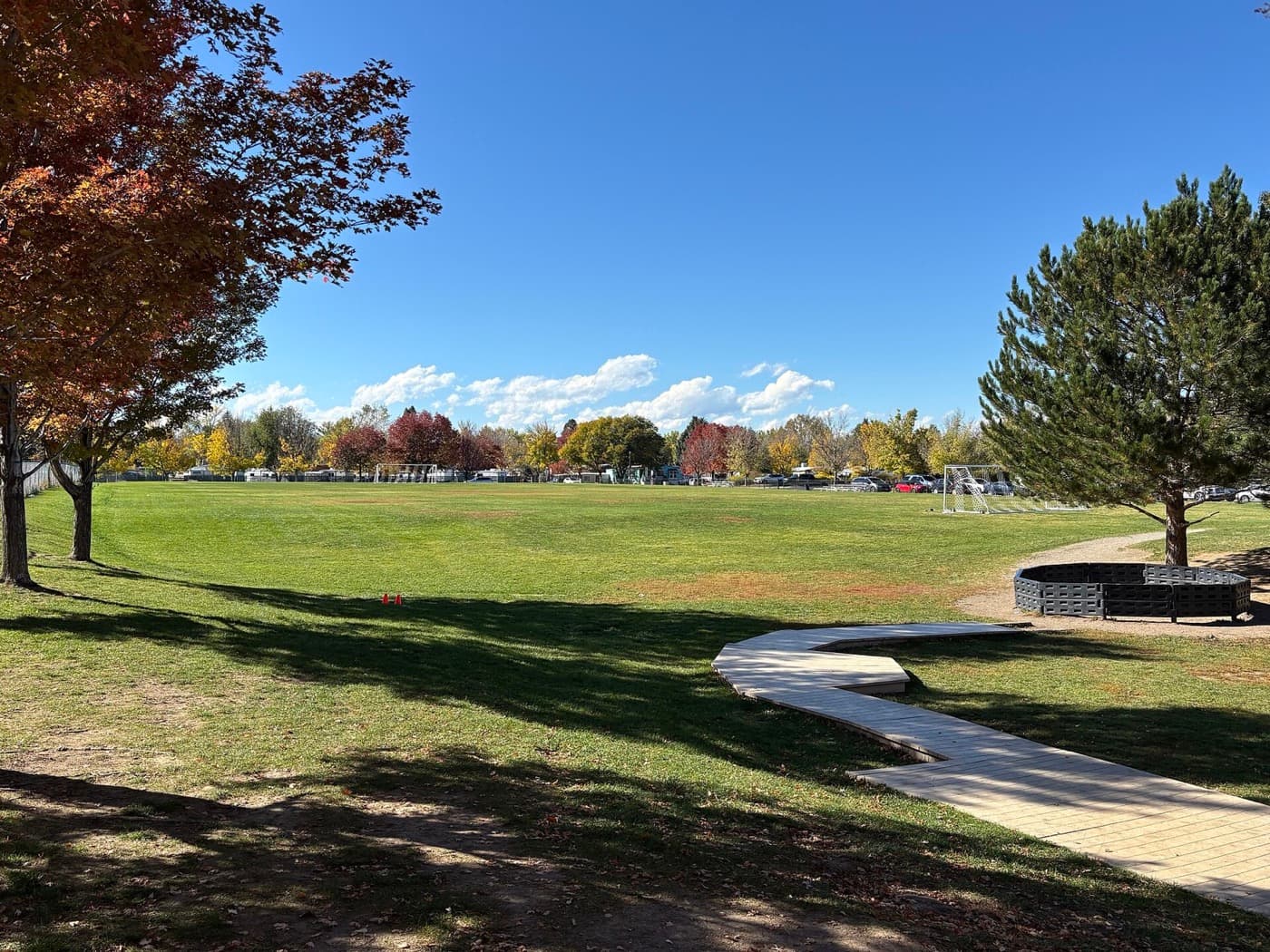
Football
The world’s most popular team sport — endless running, teamwork and community in one game.
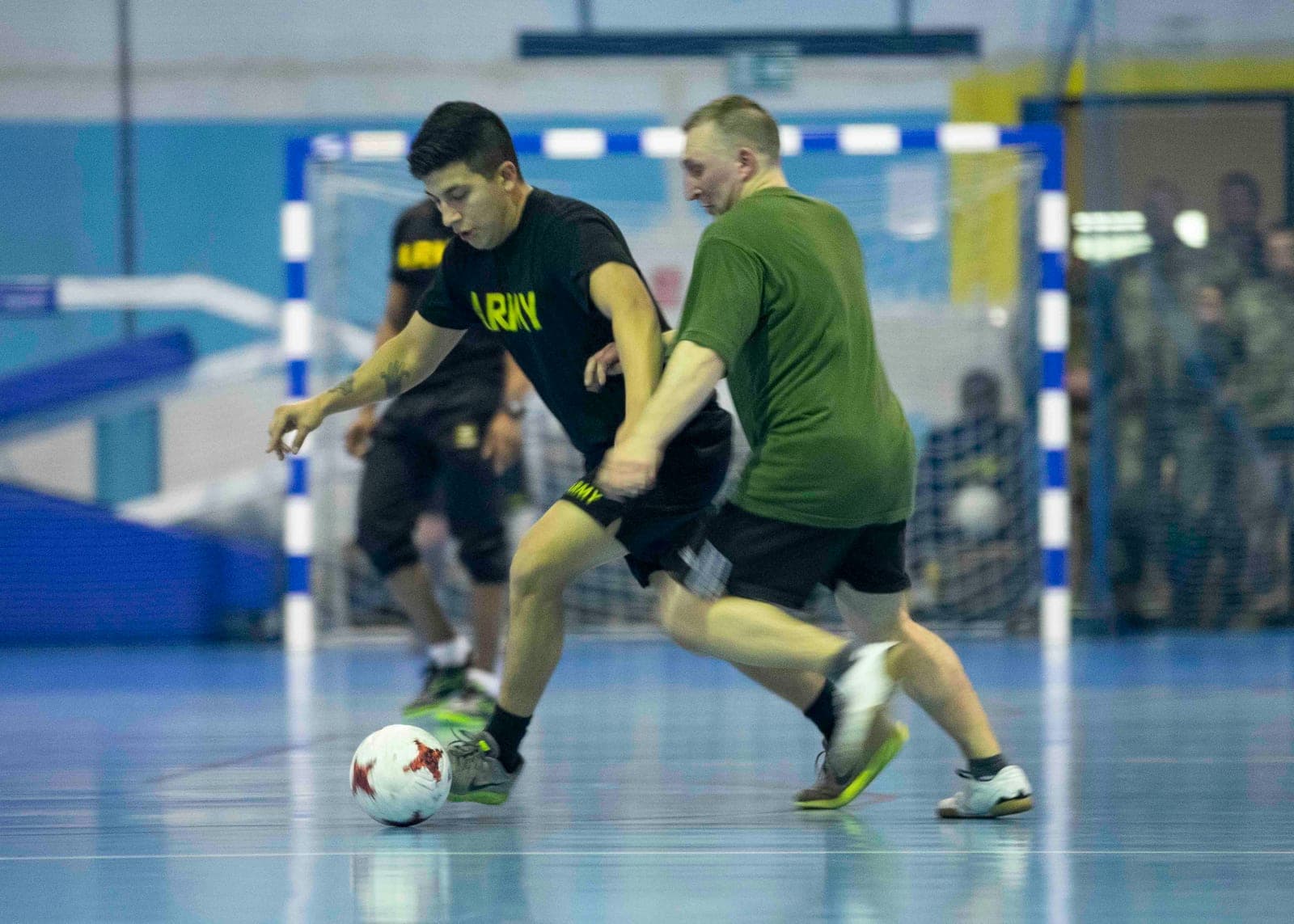
Futsal
A fast, small-sided indoor form of football played on a hard court with a low-bounce ball.
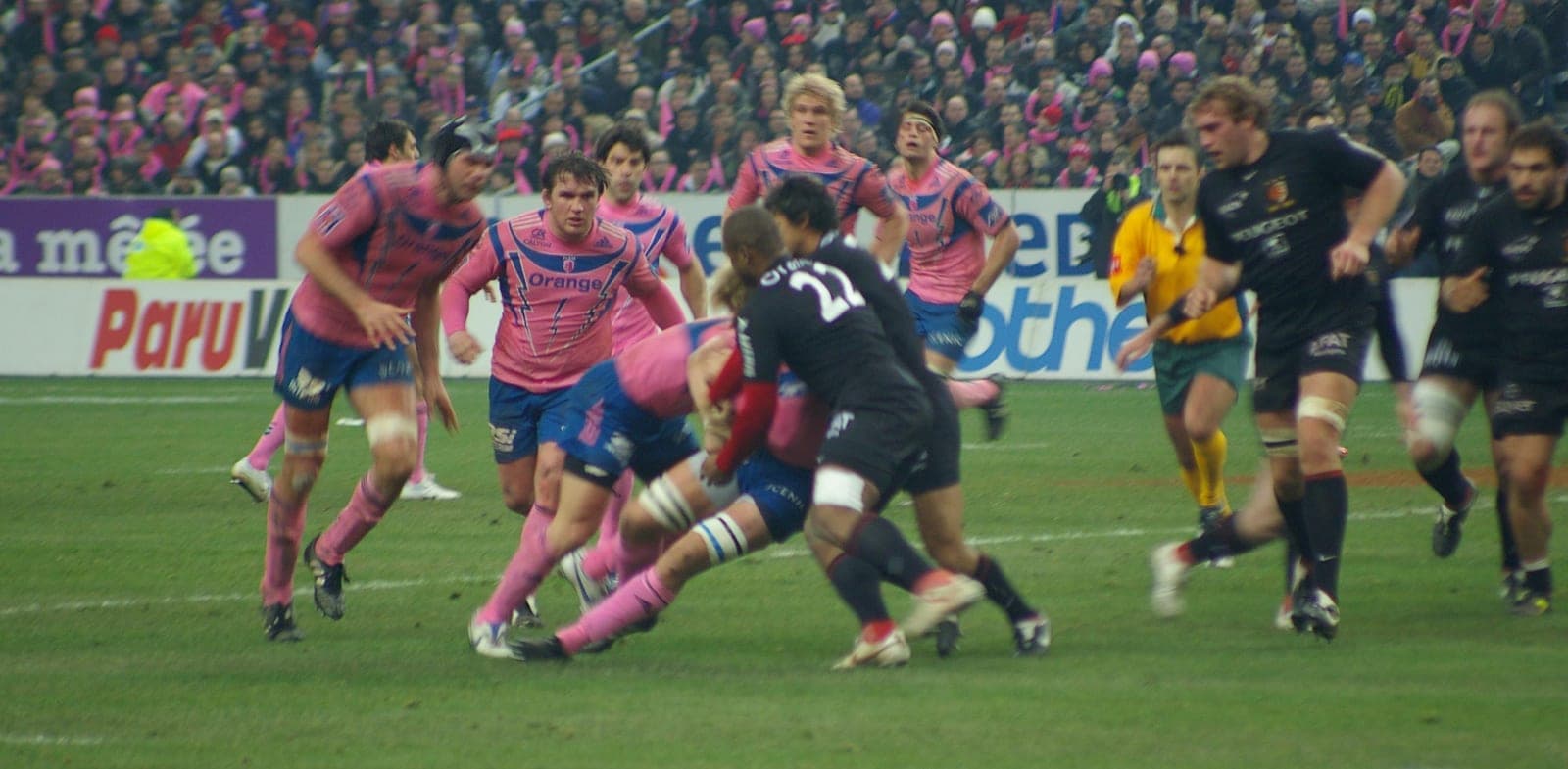
Rugby
A physical team sport of carrying, passing and kicking an oval ball toward the opposing line.
American Football
A strategic, position-based team sport of set plays, sprinting and coordinated teamwork on a marked field.
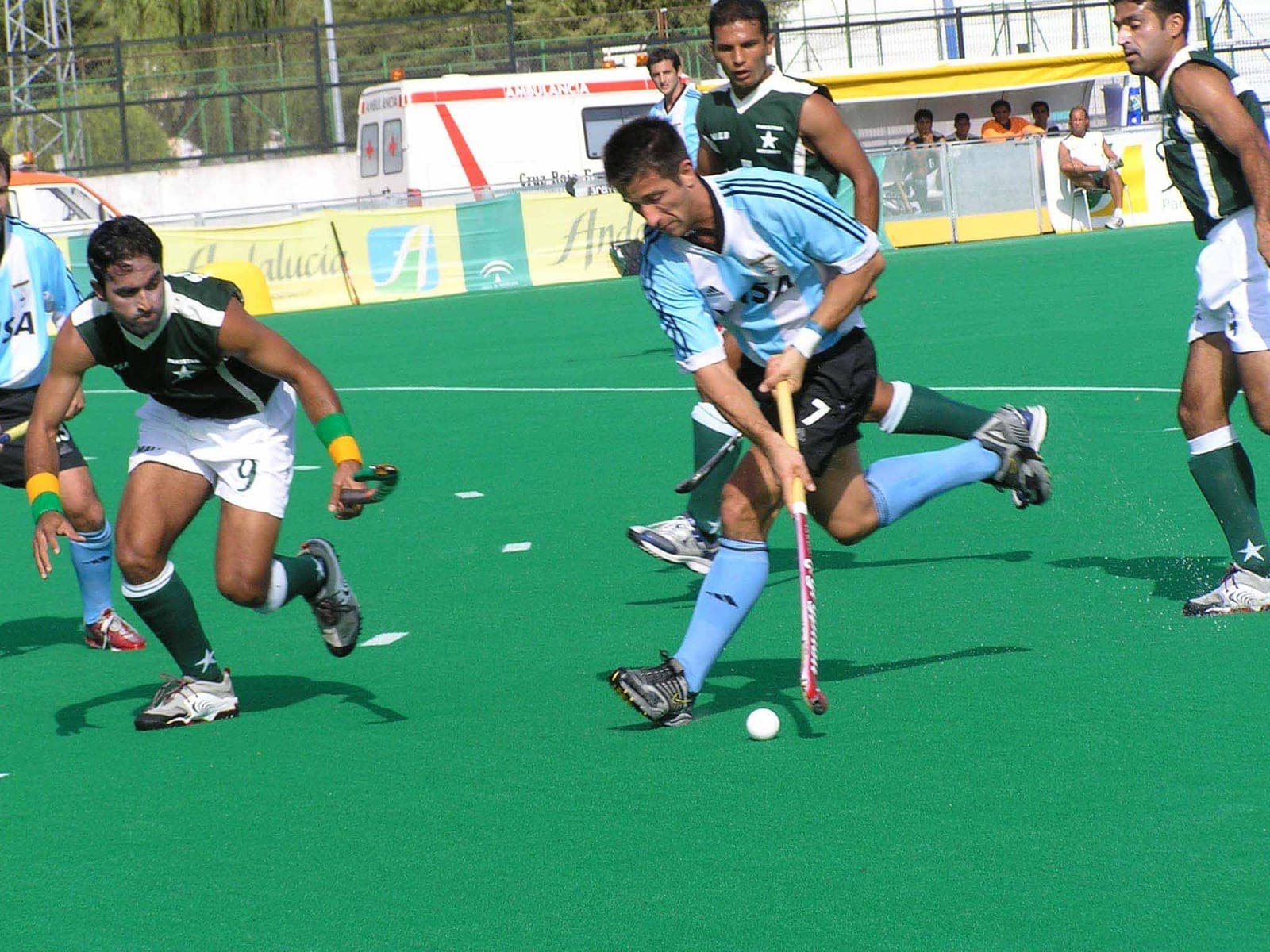
Field Hockey
An outdoor team sport that uses curved sticks to move a ball, built on agility and teamwork.
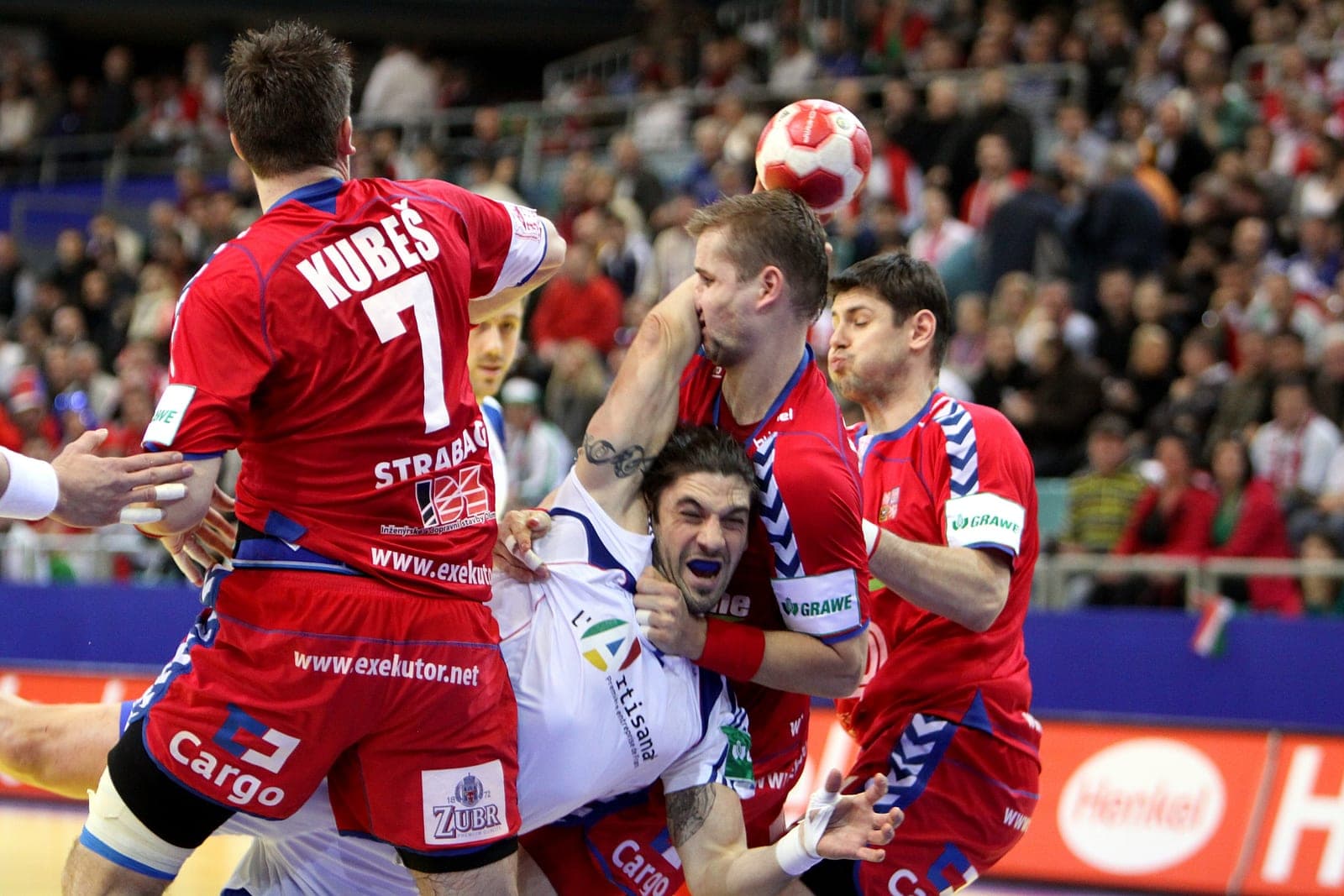
Handball
A fast indoor team sport of passing, jumping and throwing to score with the hands.
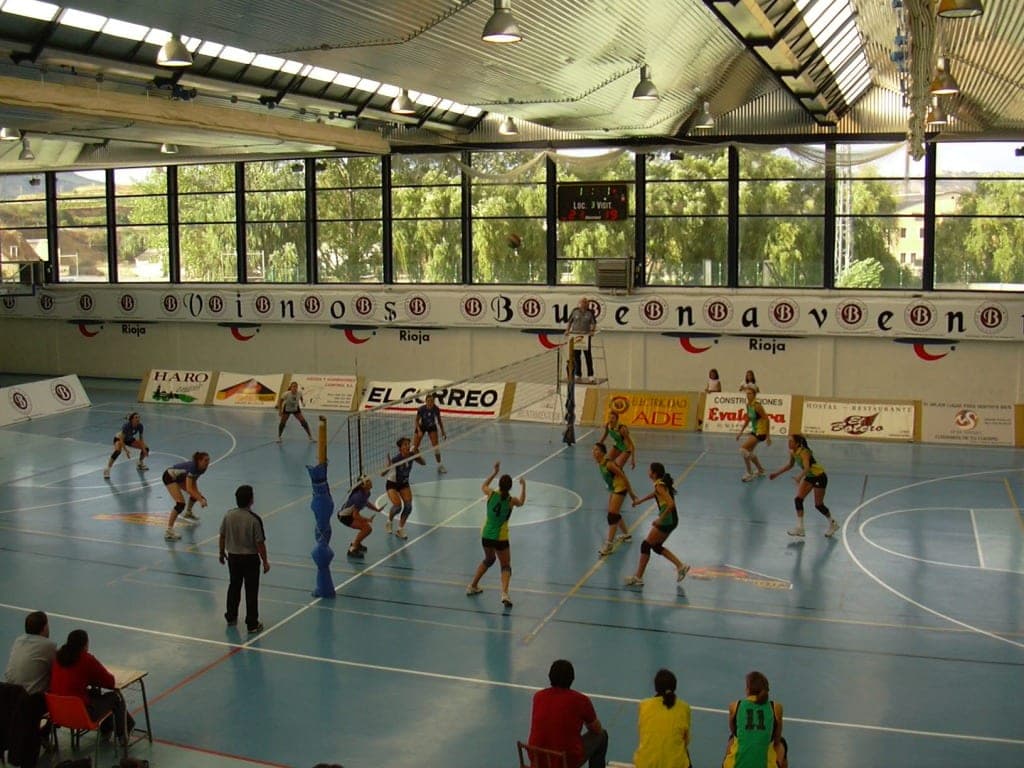
Volleyball
A non-contact team sport of rallies, jumps and teamwork — indoors or on the beach.
Related player roles
Playmaker
The playmaker is a team's creative hub — the player who orchestrates attacks, controls the tempo and distributes the ball so teammates can score.
Finisher
A finisher is the attacking outlet in a team sport whose main job is converting chances into points — the striker, goal shooter or go-to scorer.
Captain
The captain is a team's on-field leader who communicates, makes in-game decisions and sets standards — a role any player can hold, not a fixed position.
How it connects
The meaning-bearing relationships that place Set-Piece Specialist in the wider knowledge graph — each one with the reason it exists.
Frequently learned together
Taught side by side in the same stage of a learning path.
- PlaymakerBoth are taught in the “Find your position or role” stage of the American Football learning path.
- Last line of defenceBoth are taught in the “Find your position or role” stage of the American Football learning path.
- SweeperBoth are taught in the “Find your position or role” stage of the American Football learning path.
Explore across the knowledge base
Follow the threads that connect Set-Piece Specialist to the rest of SocialSportHub.
Tactics
- Set-piece playRehearsed routines from a dead-ball situation such as a corner, free kick or throw-in used to create chances.
- Rugby union set-piece strategyWhy the scrum and lineout are attacking platforms rather than restarts — how a set piece fixes defenders in known positions, and what a team is buying when it chooses one over a kick.
Rules
Positions
- Fly-halfThe fly-half is rugby’s chief decision-maker and tactical kicker, directing the backline and controlling how the team attacks.
- Central midfielderA central midfielder operates in the middle of the pitch, linking defence and attack while contributing to both.
- StrikerA striker is the main attacking player in football, positioned furthest forward with the primary job of scoring goals.
- HookerThe hooker is a front-row forward in rugby who wins the ball in the scrum and typically throws the ball into the line-out.
Learning paths
- Learn FootballA structured, educational learning path for football — from the rules to skills, techniques, tactics and training.
- Learn VolleyballA structured, educational learning path for volleyball — from the rules to skills, techniques, tactics and training.
- Learn RugbyA structured, educational learning path for rugby — from the rules to skills, techniques, tactics and training.
- Learn FutsalA structured, educational learning path for futsal — from the rules to skills, techniques, tactics and training.
- Learn HandballA structured, educational learning path for handball — from the rules to skills, techniques, tactics and training.
Go deeper with Set-Piece Specialist
Everywhere else on the platform that covers Set-Piece Specialist — assembled from what actually references it, so nothing here is a dead end.
Learn it
Structured courses and paths on the platform that cover this directly.
How this page is maintained
- Content type
- Player role
- Provenance
- Tier A — evergreen educational
- Verified external sources
- 0
- Content updated
- 2026-09-12
Evergreen, first-party explanation — it makes no claim that needs an external source. How we handle sources and reviews.