
Counter-attack
A quick attacking move made immediately after winning the ball back, aiming to catch the opposition out of position.
Definition
A counter-attack is when a team wins possession and pushes forward at speed before the opponents can reorganise their defence. Because the other side has committed players to their own attack, spaces open up that can be exploited with fast, direct play.
The idea is common in team sports such as football, basketball and handball. It usually relies on quick passing, players running into open space and a rapid transition from defending to attacking, so it is often contrasted with slower, patient build-up play.
Where you’ll hear “counter-attack”
Sports that use this term:
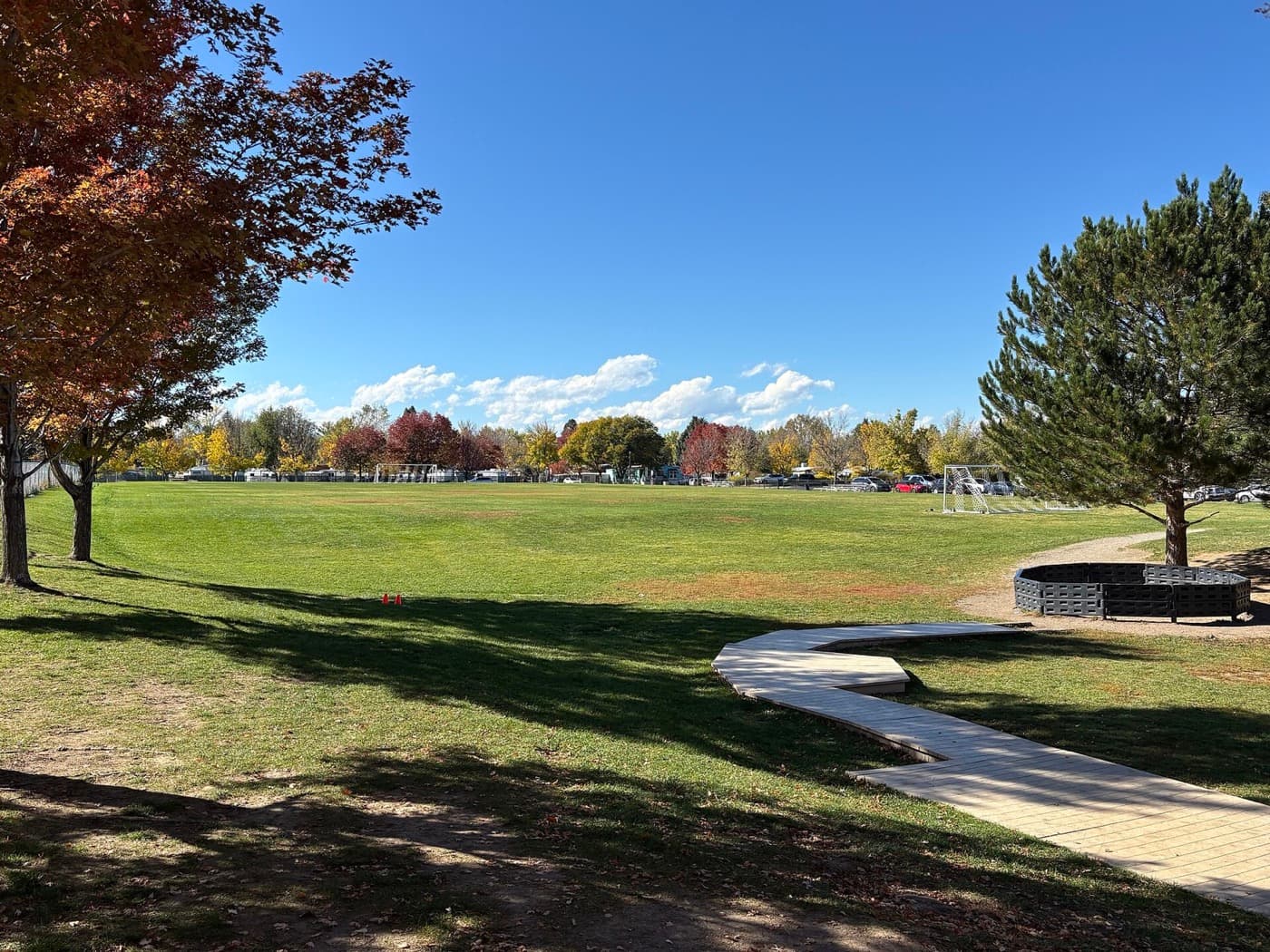
Football
The world’s most popular team sport — endless running, teamwork and community in one game.

Basketball
A fast, dynamic team sport of running, jumping and quick decisions on court.
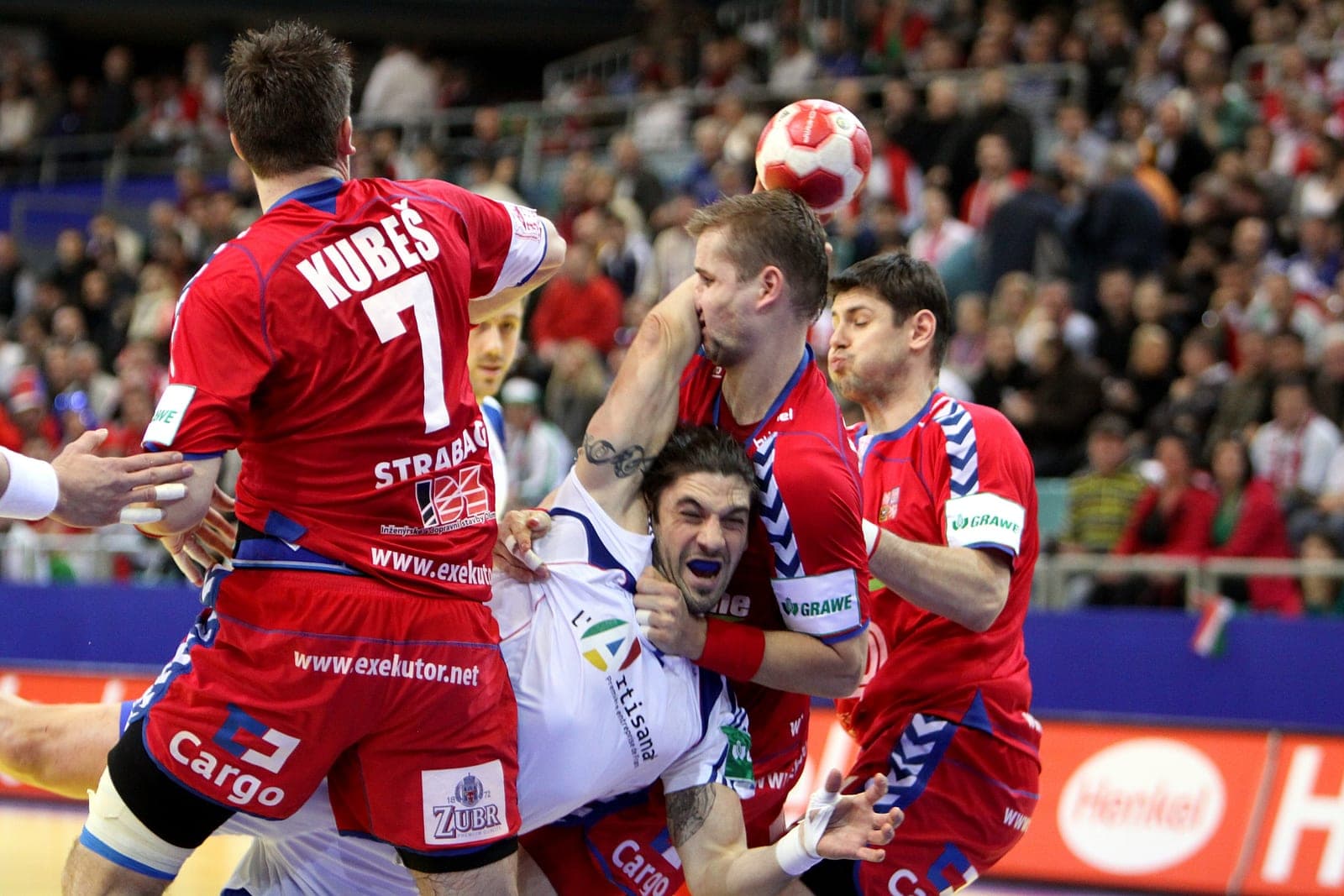
Handball
A fast indoor team sport of passing, jumping and throwing to score with the hands.
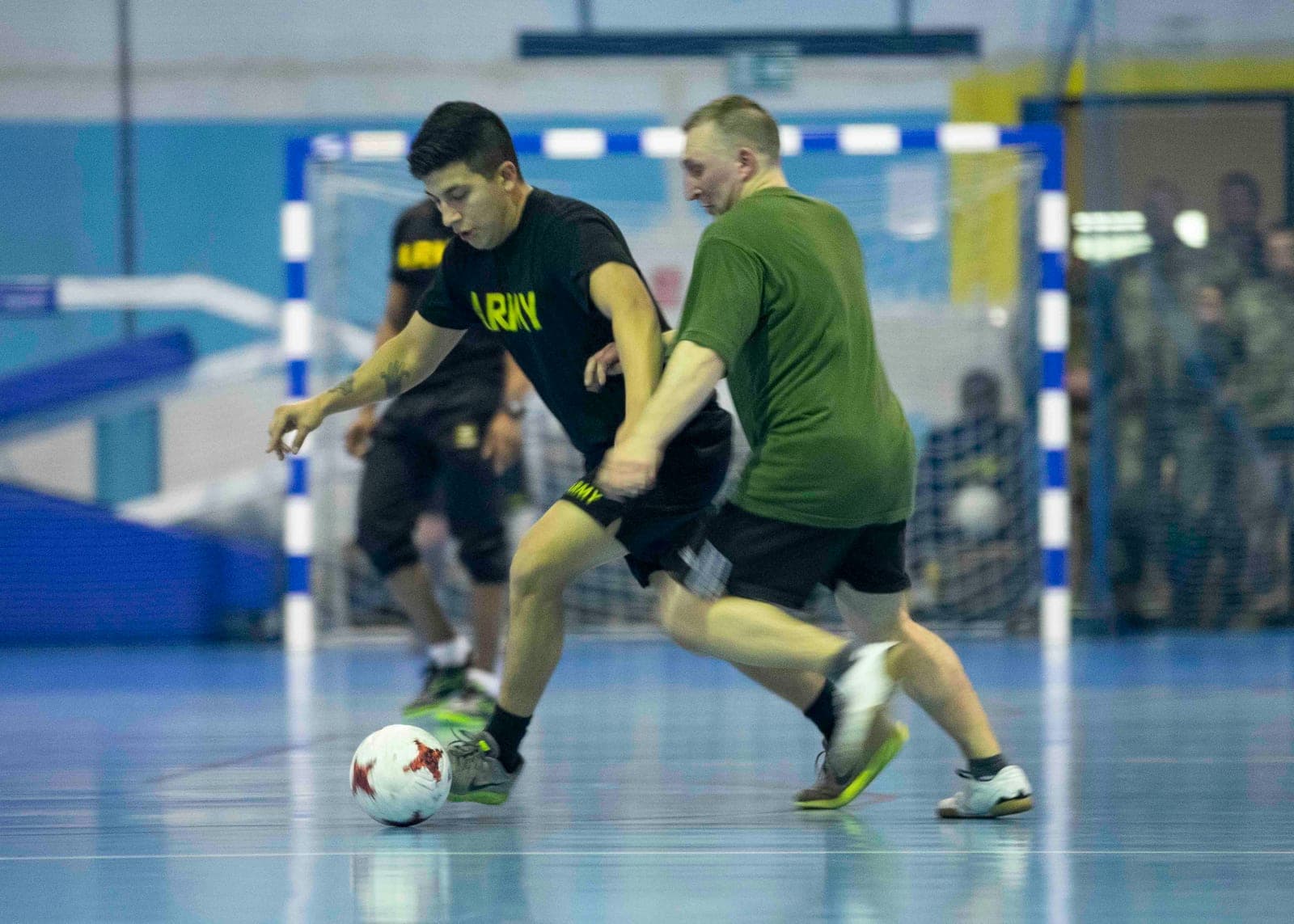
Futsal
A fast, small-sided indoor form of football played on a hard court with a low-bounce ball.
Explore across the knowledge base
Follow the threads that connect Counter-attack to the rest of SocialSportHub.
Skills
Tactics
- High pressA football tactic where a team hunts the ball high up the pitch to win it back close to the opponent’s goal.
- Possession playA patient football style that keeps the ball through short passing to control the game and tire opponents.
- Counter-attackWinning the ball and moving forward at speed to attack before the opponent can reorganise their defence.
- Fast breakPushing the ball up court at speed after a turnover or rebound to score before the defence sets up.
- Phase playHow rugby union teams attack by keeping the ball through successive rucks — what a phase is, why phases move a defence, and the cost that eventually makes a team stop.
Positions
- Full-backA full-back is a defender who plays on the left or right side of the defence, defending the flank while also supporting attacks down the wing.
- Defensive midfielderA defensive midfielder sits in front of the defence, breaking up opposition attacks and shielding the back line.
- Central midfielderA central midfielder operates in the middle of the pitch, linking defence and attack while contributing to both.
- WingerA winger is an attacking player who operates in the wide areas of the pitch, using pace and dribbling to beat defenders and create chances.
- Fly-halfThe fly-half is rugby’s chief decision-maker and tactical kicker, directing the backline and controlling how the team attacks.
Decision making
- Transition decisionsThe choices made at the moment a situation flips — winning or losing the ball, and switching between attack and defence.
- When to defendJudging the moment to switch from attacking intent to protecting your goal, court or position — recognising when the situation calls for security over ambition.
- When to attackRecognising the moment to commit to an attacking action — spotting an opening and judging whether it is the right time to take it.
- Decision speedHow quickly a choice is made — the tempo of deciding, and how it trades off against getting the choice right.
Strategies
- Possession vs Direct PlayThe strategic choice between retaining the ball to build attacks patiently and moving it forward quickly and directly toward the goal.
- Transition PlayTransition play is the strategy of switching quickly between attack and defence the moment possession changes, exploiting the opponent's brief disorganisation.
Go deeper with Counter-attack
Everywhere else on the platform that covers Counter-attack — assembled from what actually references it, so nothing here is a dead end.
Take it away
Open data and the whole-platform view of this subject.
How this page is maintained
- Content type
- Term
- Provenance
- Tier A — evergreen educational
- Verified external sources
- 0
- Content updated
- 2026-09-01
Evergreen, first-party explanation — it makes no claim that needs an external source. How we handle sources and reviews.