
Game management
Adapting how a team or athlete plays to the scoreline and time remaining — protecting a lead, chasing a result or seeing out the closing stages.
Overview
Game management is the overarching plan for adjusting how a team or athlete competes based on the current score and the time left, rather than playing the same way from the first minute to the last. A side protecting a narrow lead weighs risk very differently from one that still needs to score, and both may shift their approach again as the closing stages approach. The idea is to read what the situation demands and steer decisions towards the result that is wanted.
It sits above individual tactics: game management is the judgement about which approach fits the moment, while the specific in-game actions — keeping possession, pressing high, launching a counter-attack or defending in a compact shape — are the tactics that carry the plan out. In timed team sports it often centres on controlling tempo and the clock, speeding play up when time is short or slowing it down to protect an advantage. In sports scored towards a target or across sets, it means balancing patience against the need to force the result. The common thread is matching decisions to what the scoreboard and the clock require.
Key ideas
- Protecting a lead usually means lowering risk — keeping possession, staying compact and slowing the tempo to run the clock down safely.
- Chasing a result calls for more urgency — pressing higher, committing more players forward and accepting greater risk to create scoring chances.
- In timed sports, managing the clock is central: knowing when to speed play up, when to slow it down, and how to use stoppages within the rules.
- In sports scored towards a target or across sets, it means judging when to attack and when to hold, so the result needed stays within reach without over-committing.
- Sound game management relies on composure and clear communication, so teammates share the same reading of the situation and avoid rushed or panicked decisions.
Where it’s used
Sports that use game management:

Football
The world’s most popular team sport — endless running, teamwork and community in one game.

Basketball
A fast, dynamic team sport of running, jumping and quick decisions on court.
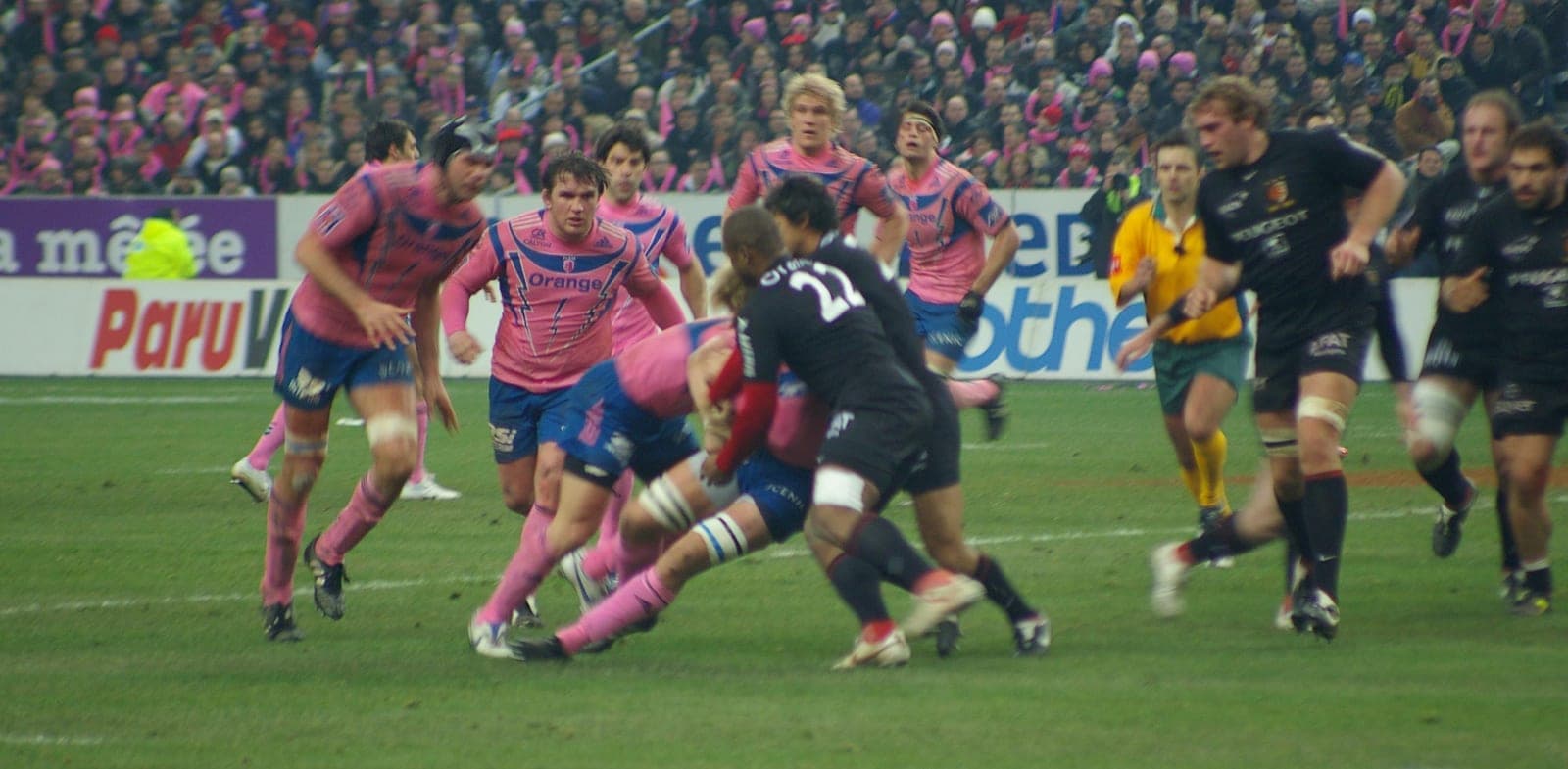
Rugby
A physical team sport of carrying, passing and kicking an oval ball toward the opposing line.
American Football
A strategic, position-based team sport of set plays, sprinting and coordinated teamwork on a marked field.
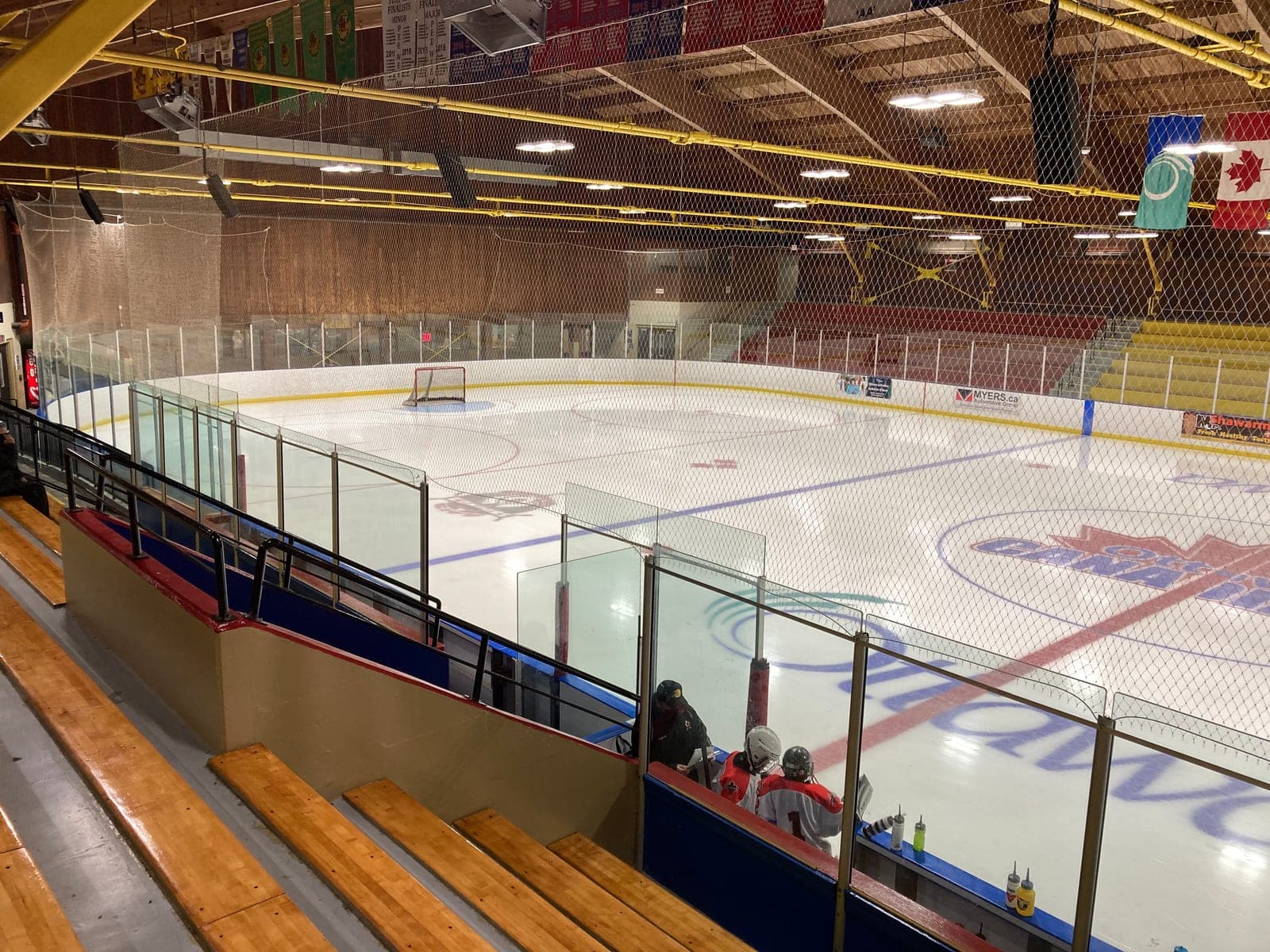
Ice Hockey
A fast team sport on ice that combines skating skill with quick passing and goal-scoring.
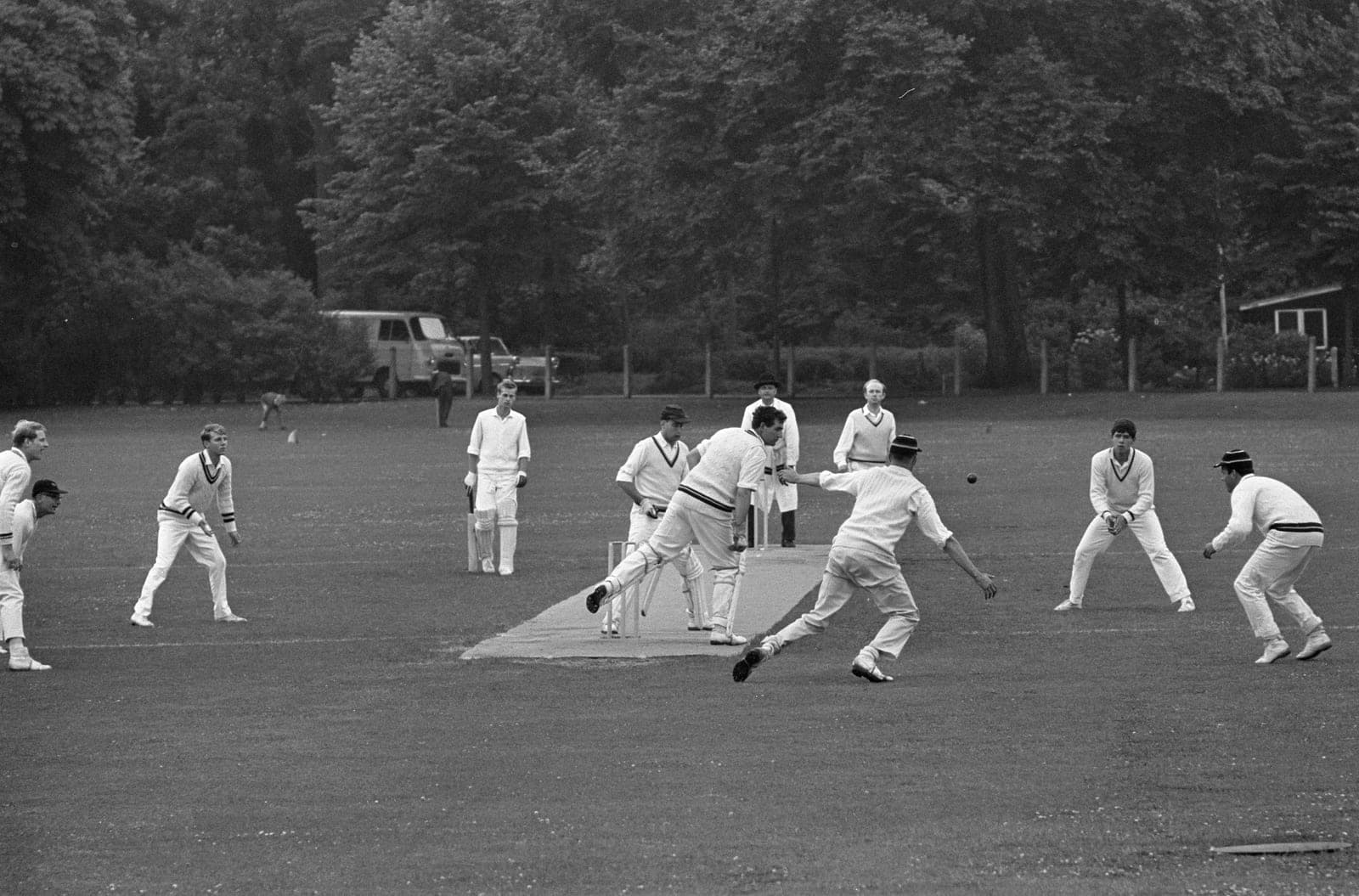
Cricket
A bat-and-ball team sport where sides take turns to bat and to bowl and field, scoring runs.
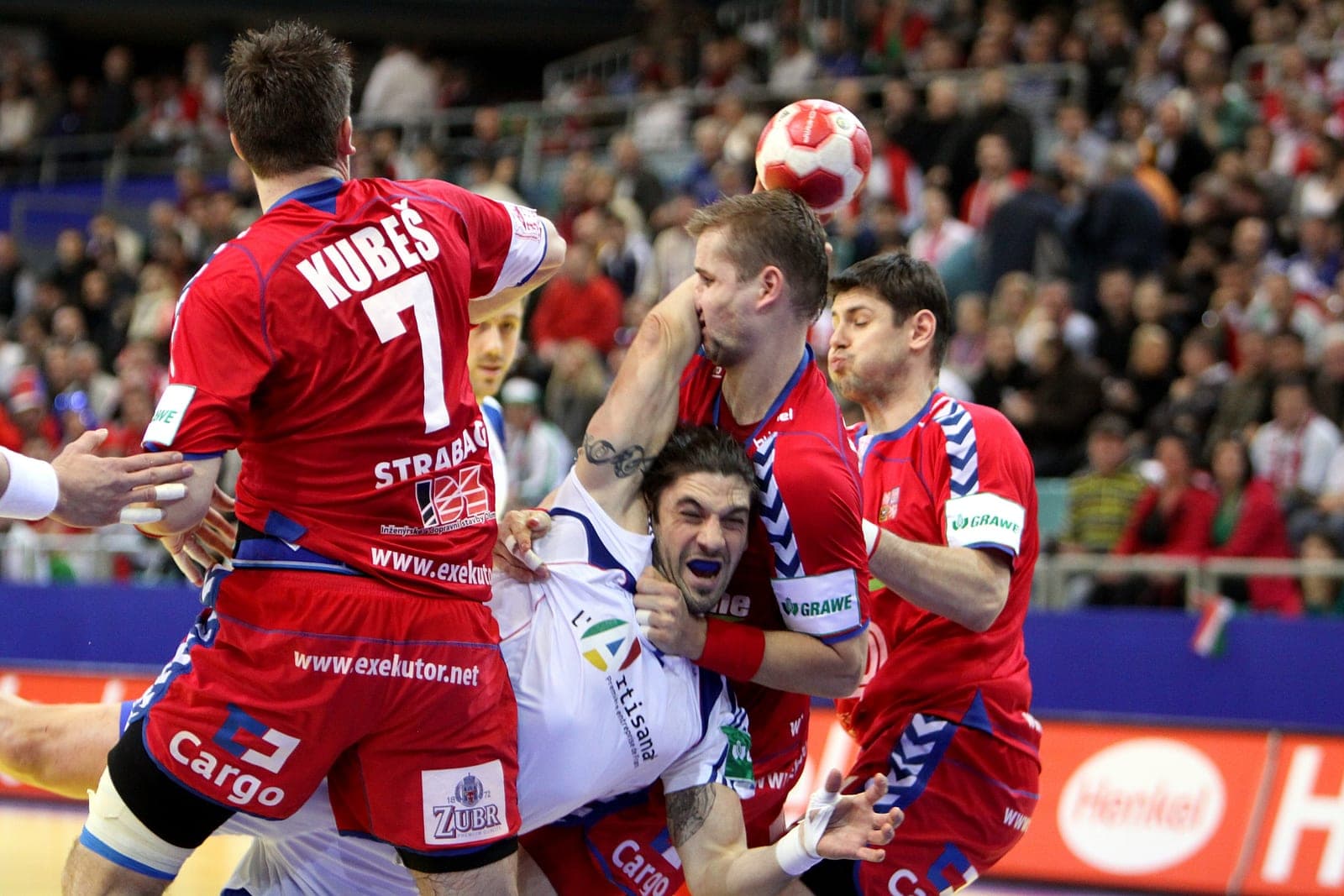
Handball
A fast indoor team sport of passing, jumping and throwing to score with the hands.
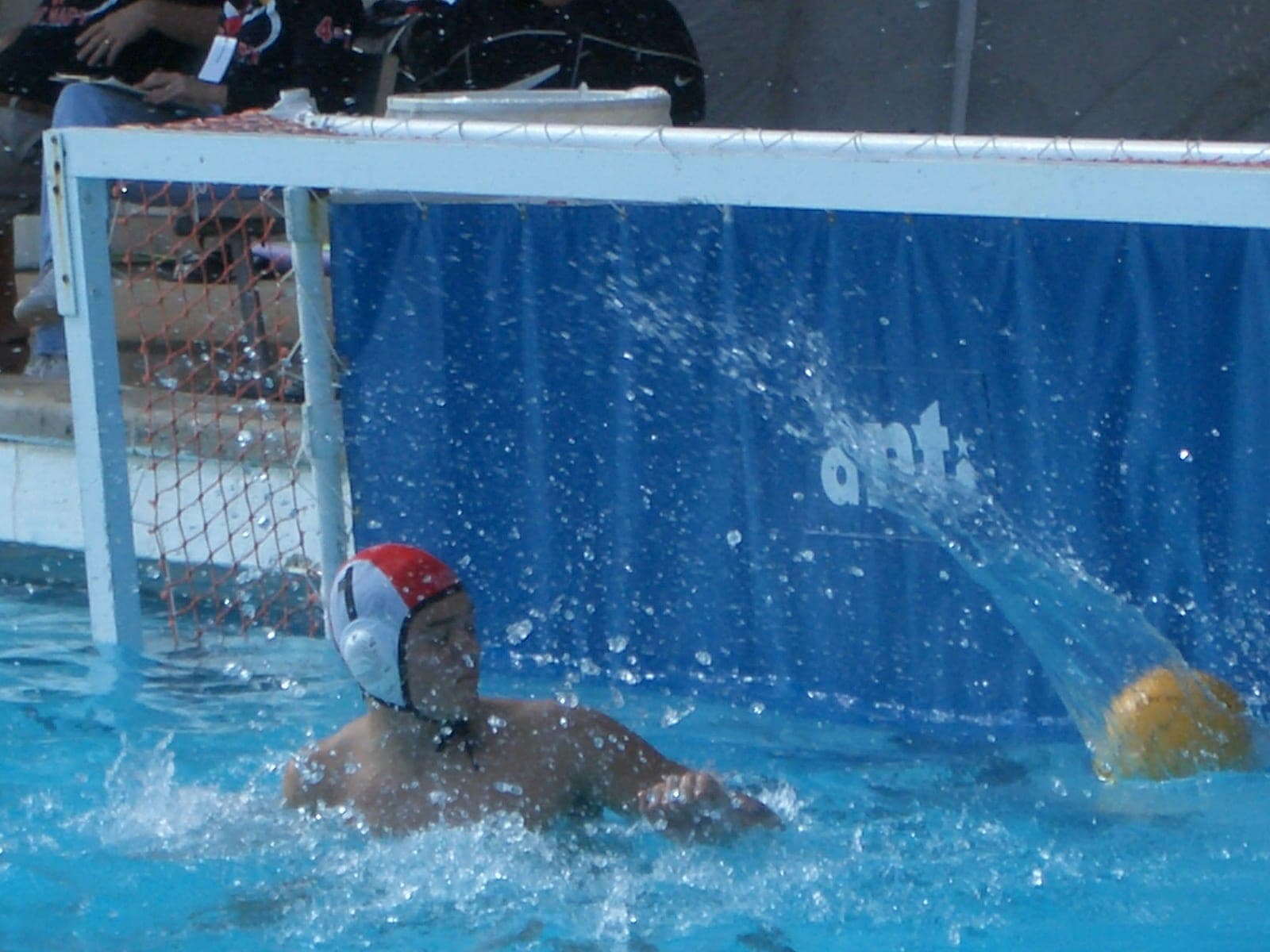
Water Polo
A demanding team sport played in deep water, blending swimming endurance with tactics.
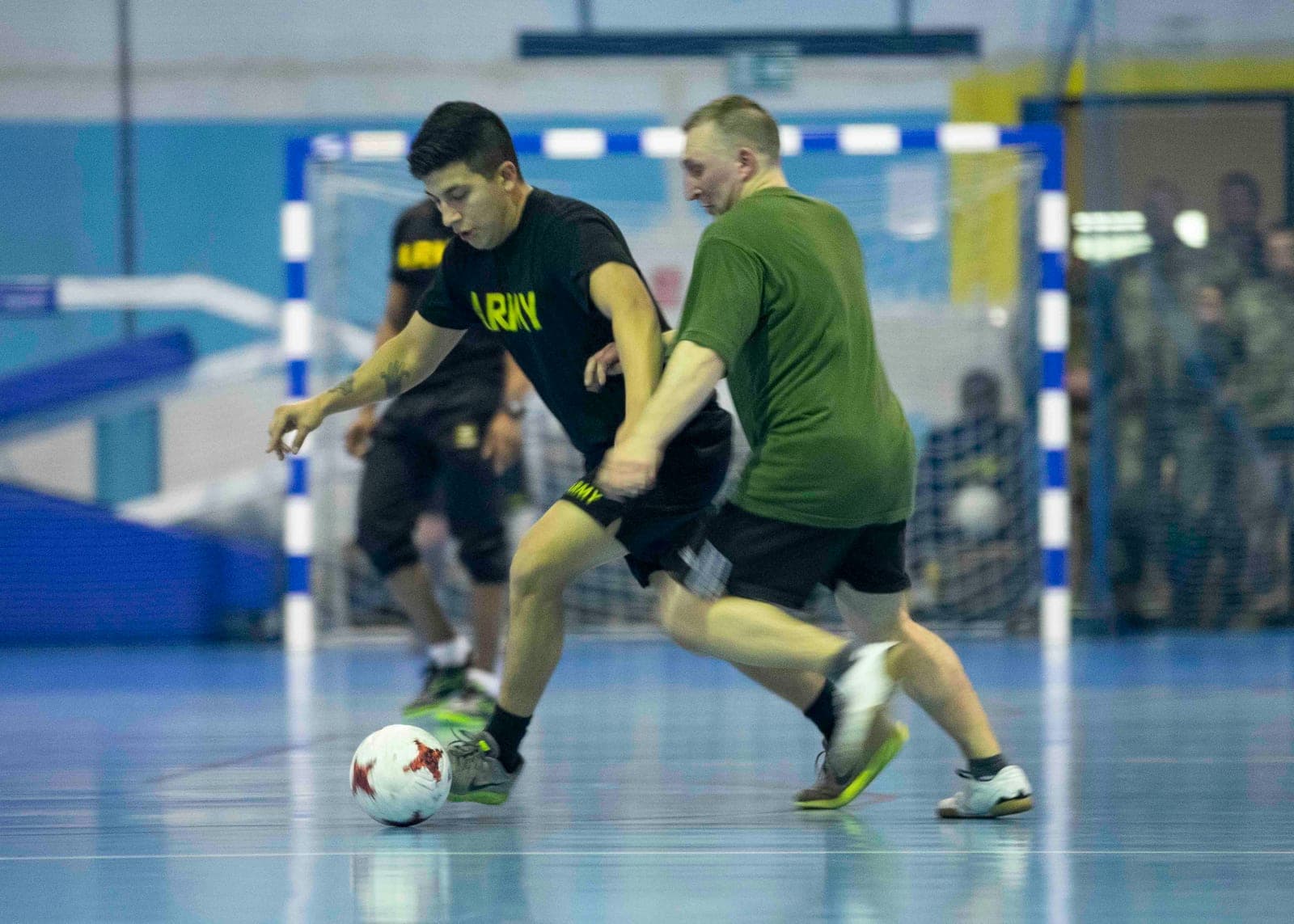
Futsal
A fast, small-sided indoor form of football played on a hard court with a low-bounce ball.
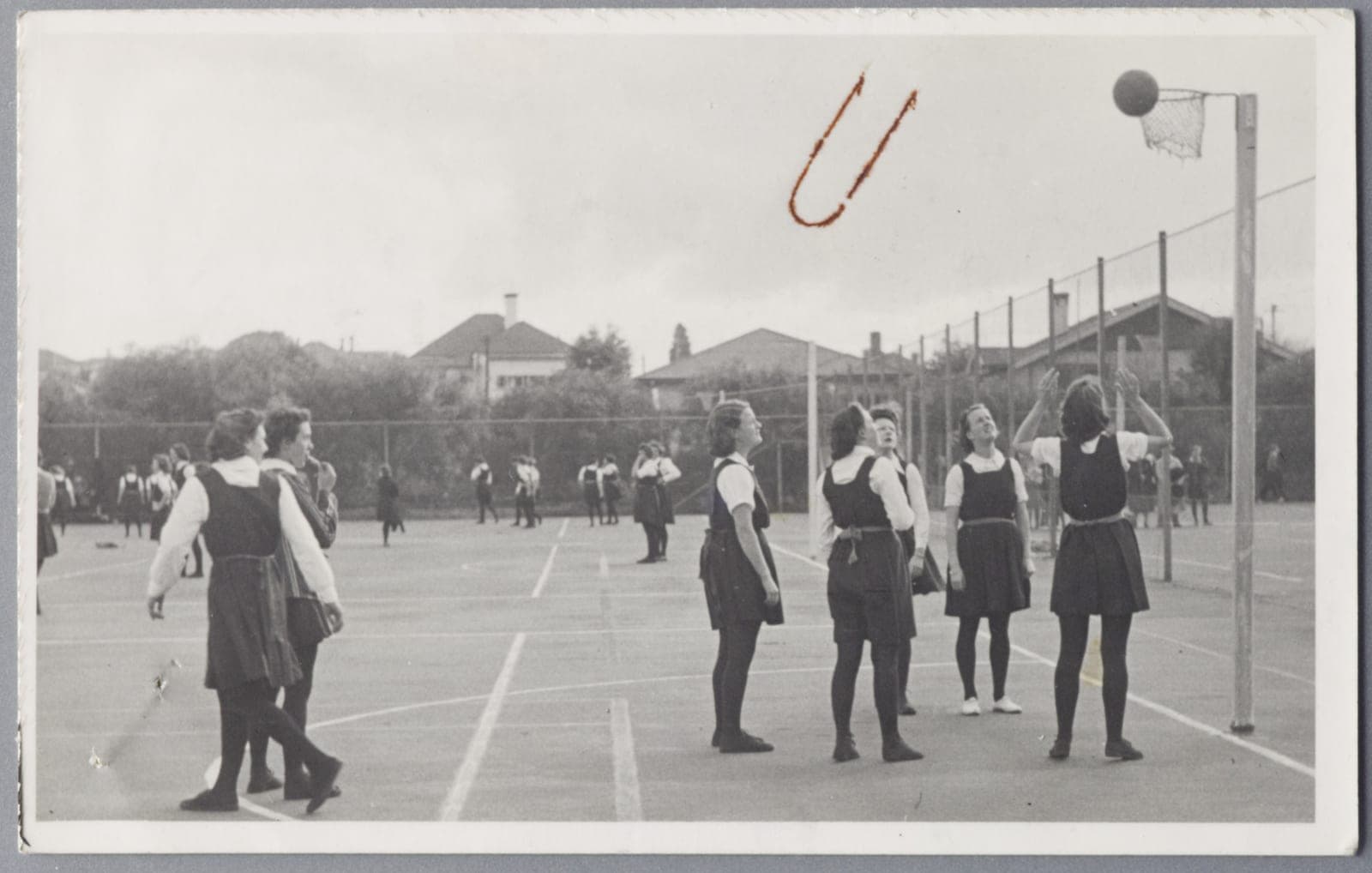
Netball
A non-contact, position-based team sport of quick passing and accurate shooting.
Related strategies
Attacking vs Defensive Balance
The overarching choice a team or athlete makes about how much to commit to creating scoring chances versus avoiding conceding, and when to shift it.
Pacing and Energy Management
Pacing and energy management is the overarching plan for distributing a limited supply of physical effort across an event so you avoid fading early and finish strong.
Controlling Tempo
Controlling tempo is the strategy of dictating the pace and rhythm of play — speeding up or slowing down — to suit your strengths and unsettle opponents.
How it connects
The meaning-bearing relationships that place Game management in the wider knowledge graph — each one with the reason it exists.
Frequently learned together
Taught side by side in the same stage of a learning path.
- Setting a cricket fieldBoth are taught in the “Understand tactics & strategy” stage of the Cricket learning path.
- Strike rotationBoth are taught in the “Understand tactics & strategy” stage of the Cricket learning path.
- Playing spin bowlingBoth are taught in the “Understand tactics & strategy” stage of the Cricket learning path.
- Attacking vs Defensive BalanceBoth are taught in the “Understand tactics & strategy” stage of the Cricket learning path.
- High pressBoth are taught in the “Understand tactics & strategy” stage of the Futsal learning path.
Explore across the knowledge base
Follow the threads that connect Game management to the rest of SocialSportHub.
Tactics
- Setting a cricket fieldHow a captain turns nine fielders into a plan — attacking and defensive settings, the trade between catchers and boundary riders, and the fielding restrictions competitions add.
- Strike rotationWhy singles matter more than they look in cricket — how rotating the strike unsettles a bowler's rhythm, protects a struggling batter, and is decided by the over structure itself.
- Playing spin bowlingWhat a batter actually does against a spinner — using the crease and the feet to change the length, picking the ball from the hand, and the options when the pitch is turning sharply.
- High pressA football tactic where a team hunts the ball high up the pitch to win it back close to the opponent’s goal.
- Possession playA patient football style that keeps the ball through short passing to control the game and tire opponents.
Learning paths
- Learn FootballA structured, educational learning path for football — from the rules to skills, techniques, tactics and training.
- Learn BasketballA structured, educational learning path for basketball — from the rules to skills, techniques, tactics and training.
- Learn RugbyA structured, educational learning path for rugby — from the rules to skills, techniques, tactics and training.
- Learn CricketA structured, educational learning path for cricket — from the rules to skills, techniques, tactics and training.
- Learn FutsalA structured, educational learning path for futsal — from the rules to skills, techniques, tactics and training.
Coaching concepts
- Decision-Making PracticeTraining athletes to read cues and choose the right action under pressure — coupling perception to action, not just rehearsing physical technique in isolation.
- Transfer of TrainingWhether practice carries over to real performance — and why game-like, varied practice tends to transfer better than isolated, repetitive drills.
Go deeper with Game management
Everywhere else on the platform that covers Game management — assembled from what actually references it, so nothing here is a dead end.
Learn it
Structured courses and paths on the platform that cover this directly.
- Cricket courseTeaches Game management in its “Understand tactics & strategy” stage.
- Futsal courseTeaches Game management in its “Understand tactics & strategy” stage.
- Netball courseTeaches Game management in its “Understand tactics & strategy” stage.
- Water Polo courseTeaches Game management in its “Understand tactics & strategy” stage.
- American Football courseTeaches Game management in its “Understand tactics & strategy” stage.
How this page is maintained
- Content type
- Strategy
- Provenance
- Tier A — evergreen educational
- Verified external sources
- 0
- Content updated
- 2026-09-12
Evergreen, first-party explanation — it makes no claim that needs an external source. How we handle sources and reviews.