
Strength Training
Strength training uses resistance — bodyweight, bands or weights — to challenge your muscles so they gradually adapt and get stronger over time.
Overview
Strength training is any method that works your muscles against resistance. That resistance can come from your own bodyweight, resistance bands, dumbbells, kettlebells or a barbell. The common thread is that the muscles are asked to do meaningful work, and over weeks they adapt to handle it more easily.
Sessions are usually organised into exercises, each done for a number of repetitions grouped into sets, with rest between sets. Movements are typically chosen to cover the main patterns — pushing, pulling, squatting, hinging and bracing the core — so the whole body is trained across a week.
For beginners the emphasis is on learning each movement well with a manageable resistance and steady control, rather than on how much is being lifted. Progress comes gradually, and good technique is the foundation everything else builds on.
Key points
- Resistance can come from bodyweight, bands or weights — no gym is essential to start.
- Work is organised into repetitions, grouped into sets, with rest between.
- Covering push, pull, squat, hinge and core patterns trains the whole body.
- For beginners, clean technique with a manageable resistance comes first.
- Progress is gradual, guided by the idea of progressive overload.
A note on training information
Where it’s used
Sports this relates to:
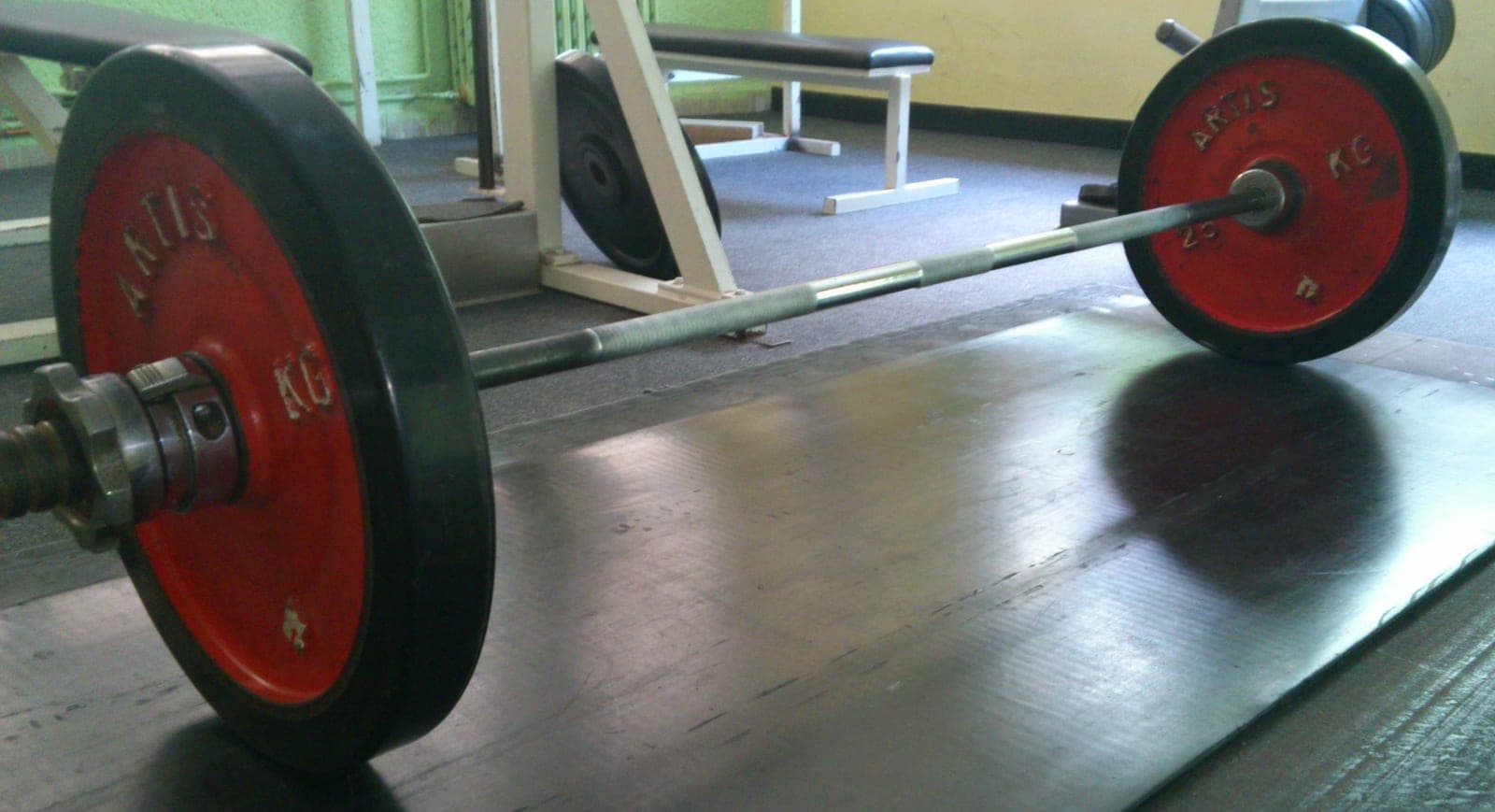
Weightlifting
A technical strength sport built around lifting a loaded barbell overhead with speed and control.
Powerlifting
A strength sport focused on lifting the heaviest weight you can across the squat, bench press and deadlift.

Fitness
Strength and general fitness training — the foundation that supports every other sport.
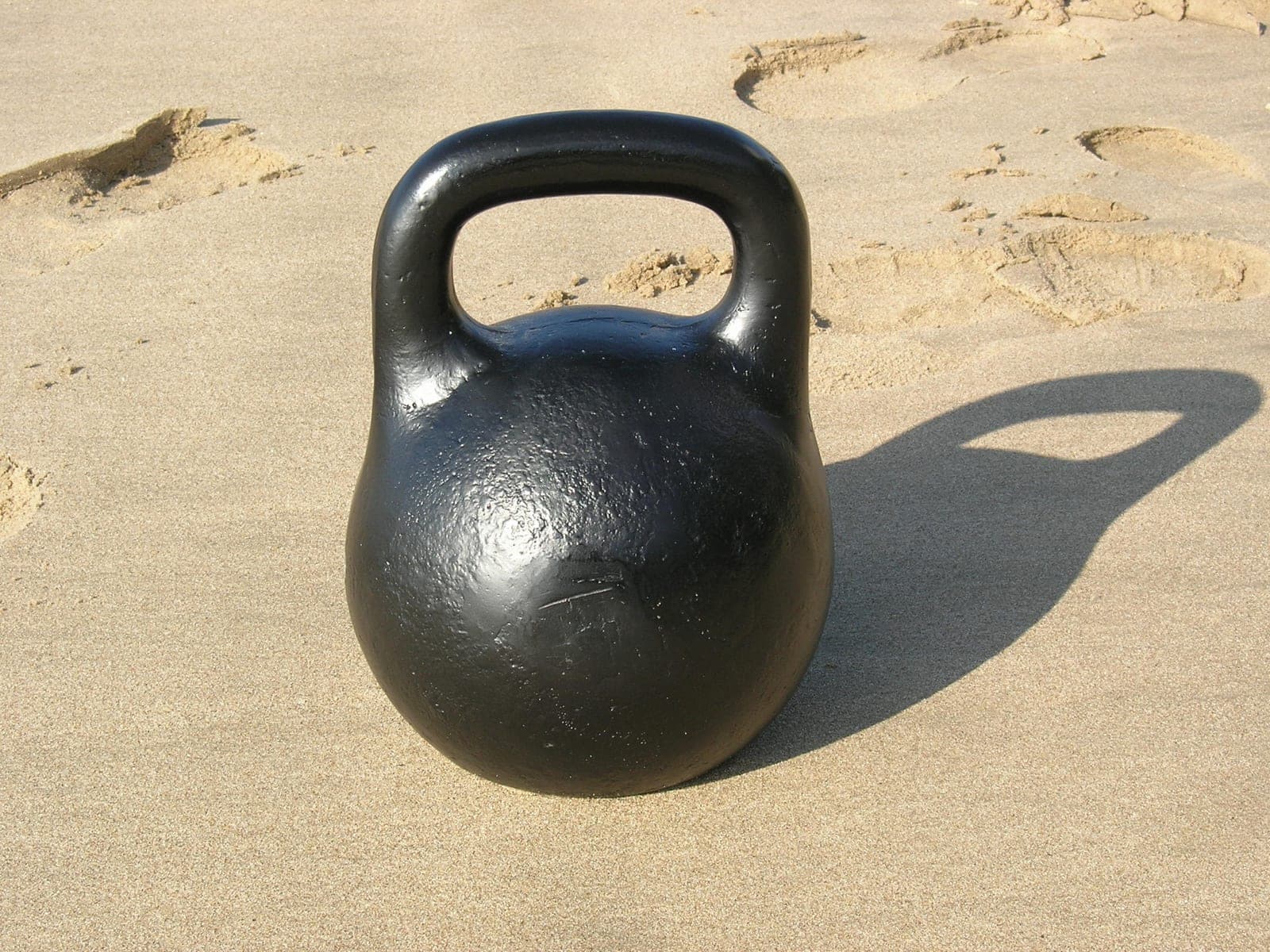
Functional Fitness
Varied, whole-body training built around everyday movement patterns like squatting, lifting and carrying.
Calisthenics
Bodyweight strength training — push-ups, pull-ups, dips and progressions you can do almost anywhere.
Related training methods
Interval Training
Interval training alternates short bursts of harder effort with easier recovery periods, letting you accumulate more quality work than a single continuous push.
Steady-State Cardio
Steady-state cardio means holding one comfortable, continuous pace for the whole session, building an aerobic base without the peaks of interval work.
Circuit Training
Circuit training moves you through a series of stations back to back with little rest, blending strength and cardio into one time-efficient session.
Explore across the knowledge base
Follow the threads that connect Strength Training to the rest of SocialSportHub.
Sports science
- Force and powerThe difference between how much force the body can produce and how quickly it can produce it — the mechanics behind strength and explosiveness.
- SpecificityThe idea that the body adapts specifically to the kind of training it is given — you tend to get good at what you actually practise.
- Training adaptationThe process by which the body changes in response to repeated training — the underlying reason exercise makes you fitter, stronger or more skilful over time.
Movement patterns
- PullDrawing a load or your own body toward the torso — horizontal rows and vertical pull-ups — building the lats, mid-back and biceps and balancing the push.
- JumpThe plyometric pattern of projecting the body off the ground through explosive triple extension and controlling the landing — the core expression of lower-body power.
- SquatA knee-dominant pattern: bending the hips, knees and ankles to lower and rise while keeping the torso upright — the foundation of lower-body strength.
- PushPressing a load or the body away from the torso — horizontally or overhead — by extending the shoulders and elbows, developing the chest, shoulders and triceps.
- LungeA split-stance, single-leg-emphasis pattern: stepping or dropping into a staggered stance and pushing back up to build single-leg strength, balance and stability.
Coaching concepts
- Repetition QualityThe attention and intent behind each repetition matter more than raw volume — focused, well-executed reps build skill faster than mindless numbers.
- Feedback and CueingFeedback from your senses, a coach, or video plus short instructional cues guide skill learning — including internal vs external focus of attention.
Training guides
- Bodyweight training basicsBodyweight training uses your own body as resistance, making it a simple and accessible way to build strength almost anywhere.
- How to start strength trainingStarting strength training means gradually introducing resistance movements and learning good form before doing anything more demanding.
- How to progress gentlyProgressing gently means increasing your training in small, gradual steps so your body has time to adapt.
How this page is maintained
- Content type
- Training method
- Provenance
- Tier A — evergreen educational
- Verified external sources
- 0
- Content updated
- 2026-07-06
Evergreen, first-party explanation — it makes no claim that needs an external source. How we handle sources and reviews.